The Universal Language of Light: A New Standard for Inclusive Events
The Unspoken Contract of Live Events
At its core, a live event is a contract. It’s an unspoken agreement between the artist and the audience, the brand and the attendee, the team and the fan. The agreement is that for a few precious hours, we will share a space and an experience. We will be part of something larger than ourselves. But for this contract to be valid, it must be accessible to everyone in the room. The invitation must be open to all.
Historically, live entertainment has been heavily reliant on auditory and visual cues that assume a certain level of sensory ability. But what about the fan who is deaf or hard of hearing? The attendee with sensory processing differences? The guest who experiences the world differently from the "typical" person? How do we ensure they are not just present, but fully included in the spectacle?
Designing Multi-Sensory Bridges
The future of event design lies in creating multi-sensory "bridges" that offer multiple pathways into the shared experience. It’s not about designing a single, one-size-fits-all show; it’s about architecting a rich, layered environment where every individual can connect with the central narrative in a way that resonates with them. This is where Immersive Event Technology comes into its own.
Instead of relying solely on sound, we can use light. Instead of just a visual spectacle, we can create a tactile one. Think of a bass drop not just as something you hear, but as something you feel—and see. Imagine a crescendo in a symphony translated into a wave of colour washing over the crowd. This is the promise of a more inclusive design philosophy.
"The goal is to move beyond accommodation and toward true inclusion. It's a shift from asking 'How can we help them fit in?' to 'How can we design an experience that is inherently welcoming to all?'"
Light as a Universal Language
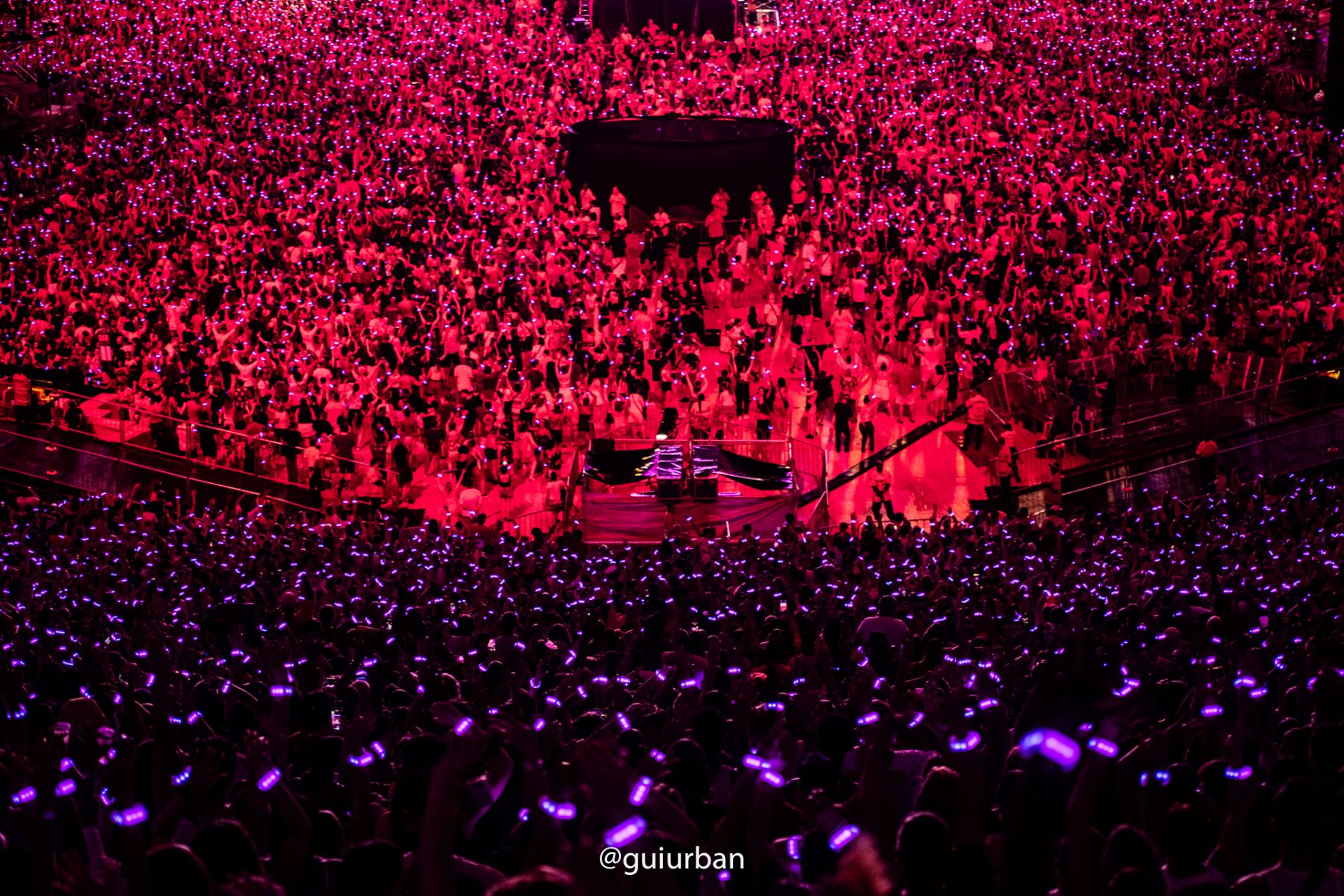
This is the philosophy that has driven our work at Xylobands since the beginning. While the visual impact of an entire stadium lit up is undeniable, the true power of the technology lies in its ability to communicate non-verbally. It’s a universal language spoken in pulses, colours, and patterns.
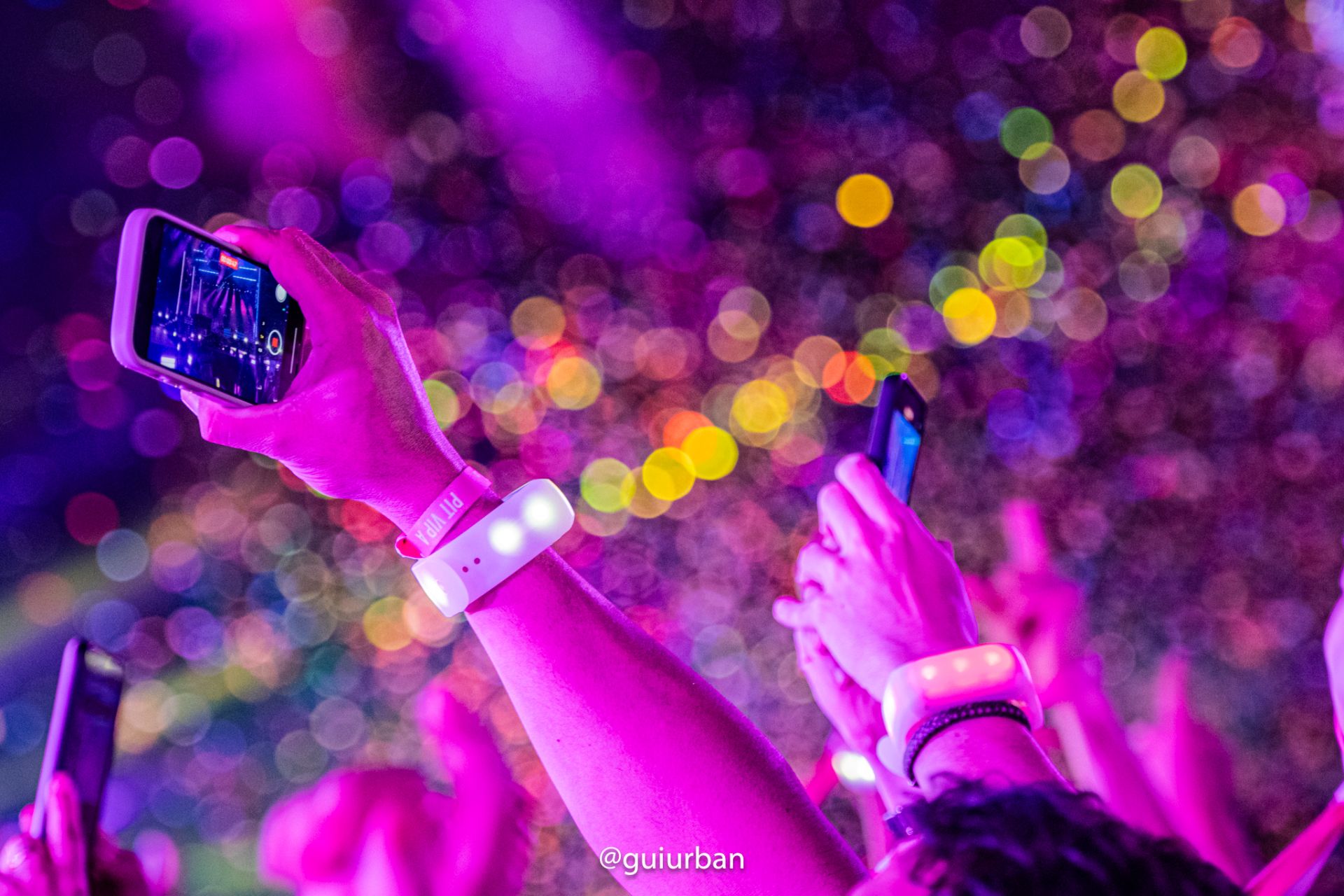
For an audience member who is deaf, our Radio Controlled LED Wristbands can transform an auditory experience into a vibrant visual and tactile one. The rhythm of the drums becomes a flashing pulse on their wrist. The swell of the orchestra becomes a slow-blooming colour across the arena. The technology acts as a sensory translator, ensuring that the emotional arc of a performance is felt by everyone, regardless of their hearing ability.
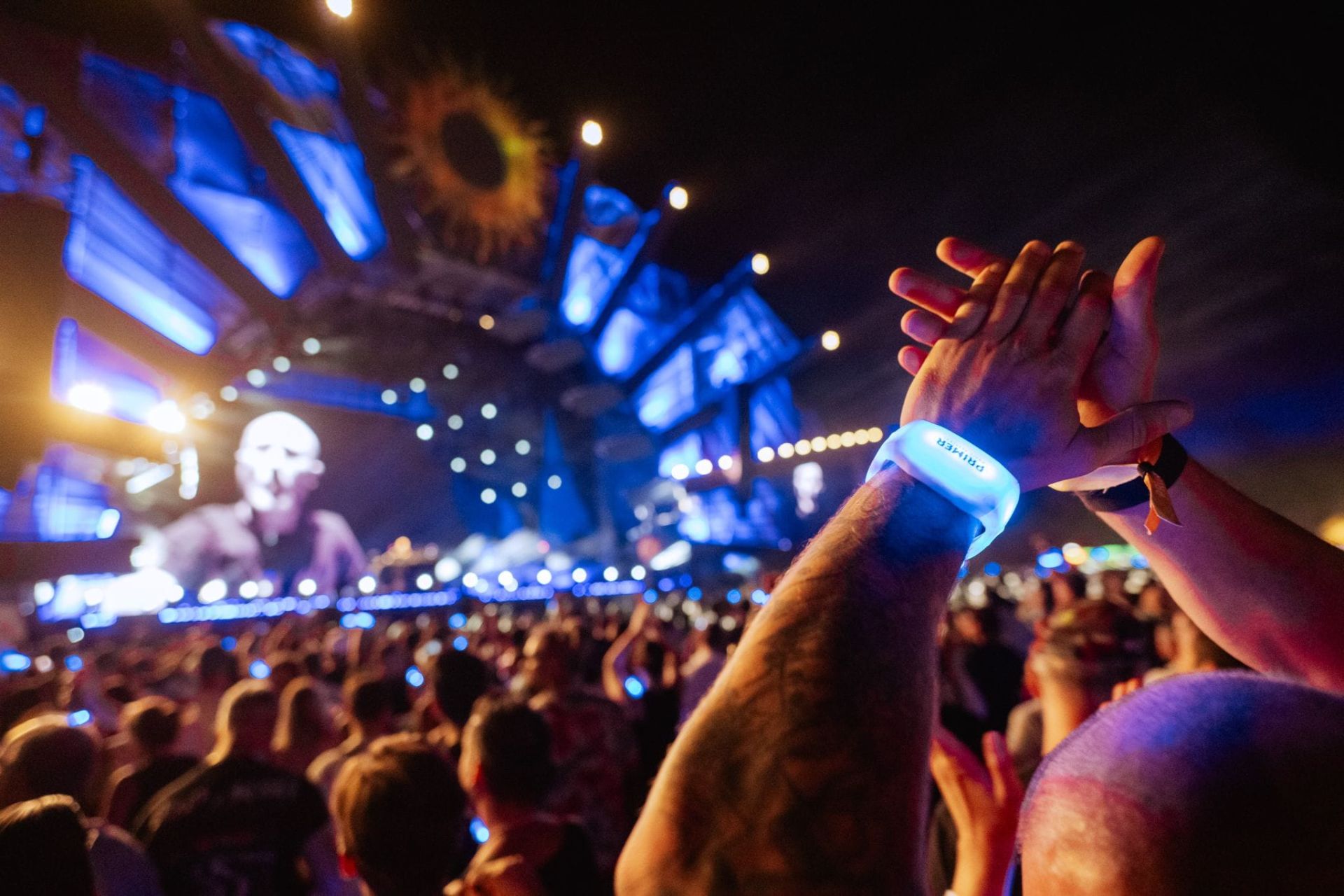
This isn’t just theoretical. We’ve seen it in action at massive global events, from music festivals like Primer in Greece to high-stakes sporting spectacles like the Davis Cup and Formula One. In each context, the goal is the same: to unify a diverse crowd into a single, cohesive entity. The light becomes a shared heartbeat.
Beyond the Wristband: A Holistic Approach
Creating truly inclusive events requires a holistic approach that extends beyond any single piece of technology. It involves considering every touchpoint of the attendee journey. However, Wearable LED Technology can serve as a powerful and visible cornerstone of this strategy.
Products like our LED Lanyards or even custom LED Orbs can be integrated into the event environment, providing navigational cues, safety signals, or simply moments of shared beauty. For corporate events, these LED Experiences can be used to guide attendees, segment groups for activations, or create networking opportunities—all through the intuitive language of light.
For example, different colours could signify different zones, or a gentle pulse could signal the start of a keynote session, offering a calmer, more accessible alternative to a loud announcement. It’s about using the tools at our disposal to create a more empathetic, responsive, and ultimately more human environment.
The Future is Accessible
The conversation around accessibility in live entertainment is gaining momentum, and rightly so. As event producers, designers, and technologists, we have a responsibility to be at the forefront of this movement. By embracing a multi-sensory design philosophy and leveraging technologies that create shared, non-verbal experiences, we can uphold our end of the contract.
We can build events that don't just host a diverse audience but actively celebrate and include every single member. The future of Immersive Events is not just about being bigger or louder; it’s about being more connected, more empathetic, and open to all. The light, after all, should guide everyone home.