The Unseen Command: Anatomy of a Flawless Technical Rollout
The First Signal: From Warehouse to Workshop
Long before the first truck arrives at the venue, the groundwork for a flawless technical rollout is laid. It begins with a rigorous process of preparation and quality control. Every piece of hardware, from individual LED wristbands to the radio-controlled transmitters that govern them, undergoes comprehensive testing. This isn’t just about function; it’s about resilience. Can the equipment withstand the rigors of global shipping, fluctuating temperatures, and the demanding environment of a live event?
At Xylobands, our process is uncompromising. Each unit is cleaned, tested, and pre-programmed in our workshops. This pre-show preparation is a critical, non-negotiable phase. It’s where we troubleshoot potential issues in a controlled environment, not on a frantic show-day load-in. For large-scale activations, like the multi-team branding required for the Formula 1 75th anniversary event, this involves meticulous organization—ensuring custom pendants for each team are correctly allocated and prepped for precise distribution. This phase is the unseen foundation upon which the entire spectacle is built.
The On-Site Structure: Command, Control, and Distribution
Once on-site, the mission transitions from preparation to execution. The success of any large-scale rollout hinges on a clear and disciplined command structure. At the top is the Project Manager, who serves as the single point of contact for the client, creative directors, and broadcast teams. Beneath them, the on-site crew is organized into specialized units: Distribution, Programming, and Tech Support.
The Distribution Team: The Front Line
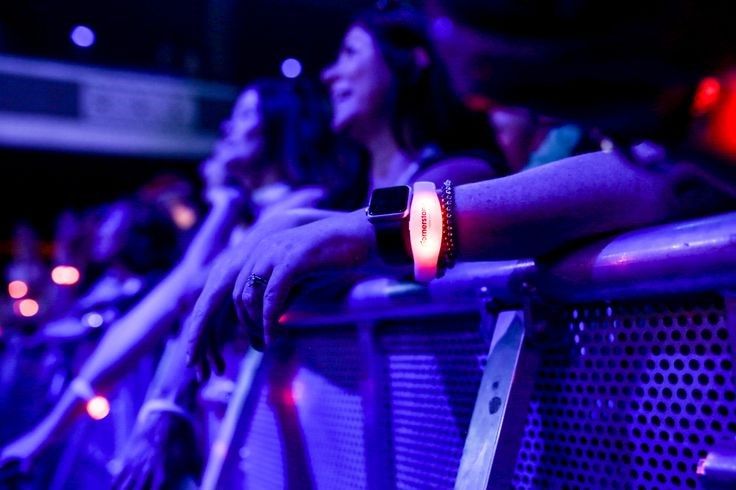
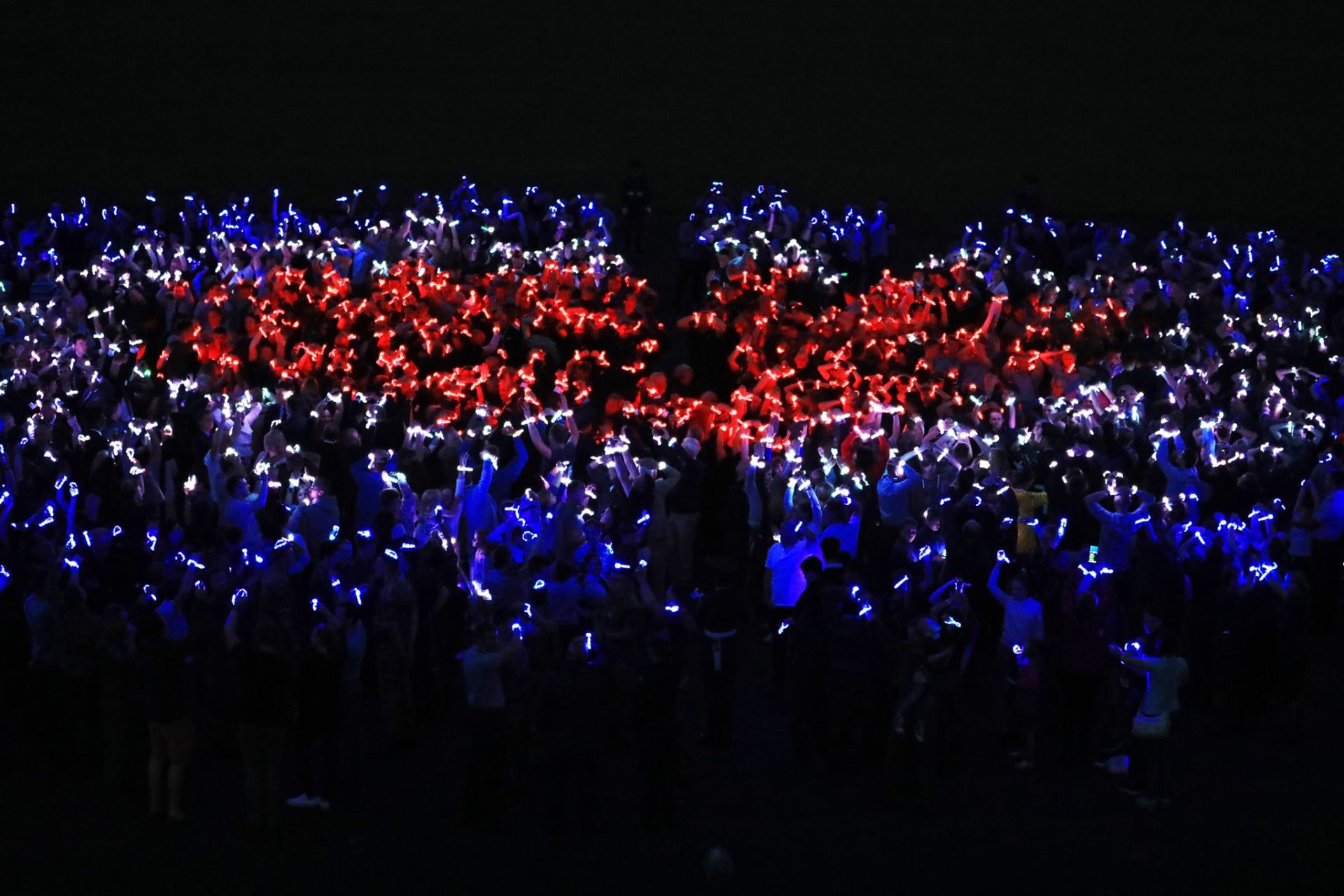
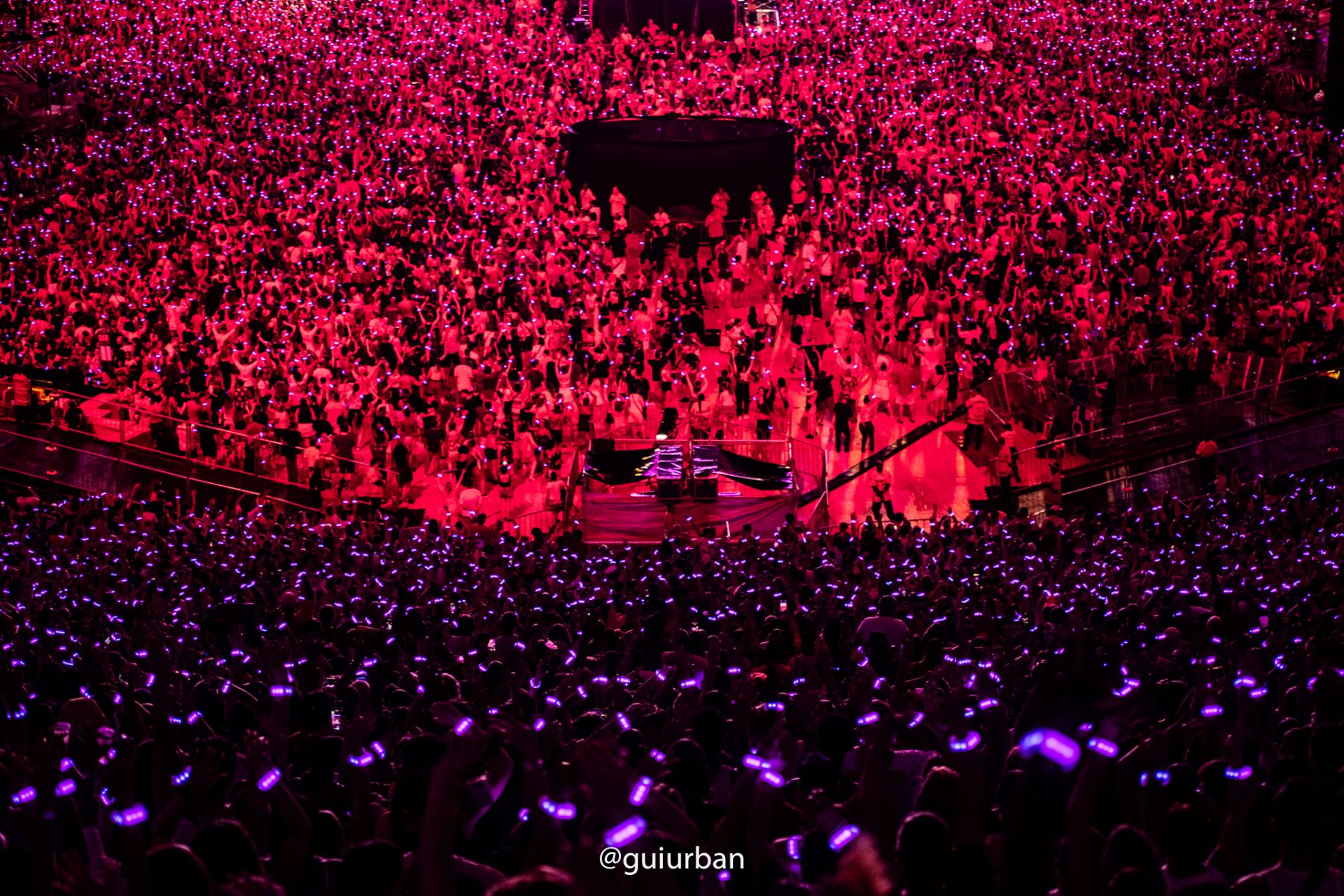
Distribution is a science of its own. It’s far more than simply handing out wristbands. It involves strategic placement and a deep understanding of the venue’s architecture and the show’s creative requirements. As seen at Formula 1’s O2 Arena event, our Distro team strategically positioned custom LED Lanyards based on seating charts to create dynamic, pre-planned lighting effects across the audience—transforming sections of the crowd into brand colors or vibrant patterns on cue. For festival wristbands at events like Greece’s PRIMER Music Festival, the team ensures that entry points are managed efficiently to get tens of thousands of bands onto wrists without creating bottlenecks.
This is a military-grade logistical operation, executed with the precision of a choreographed performance. The goal is 100% deployment with zero disruption to the guest experience.
The Tech Team: The Nerve Center
While the Distro team manages the physical rollout, the Tech team operates the "brains" of the operation. From a designated control position—often a cramped space backstage or at the front-of-house—our programmers and operators command the entire system. They are the silent performers, translating the creative director’s vision into precise radio signals that control every flash, fade, and color change.
This role requires a unique blend of technical mastery and artistic sensibility. The operator must be in constant communication with the show caller, anticipating cues and responding instantly to the unfolding live performance. They follow the rhythm of the artist, the pace of the show, and the energy of the room. The system for these radio controlled LED wristbands is robust, with built-in redundancies, but the operator is the ultimate failsafe, ready to adapt and troubleshoot in real time. It is this human element that ensures the technology serves the story, not the other way around.
The Broadcast Imperative: Lighting for Two Audiences
In the modern era of immersive events, the rollout is rarely for just the people in the room. From Maluma’s globally streamed concert in Medellín to ITV’s star-studded productions, the broadcast audience is a primary consideration. This adds another layer of complexity to the technical execution.
Our lighting designs must be "camera-ready," meaning the color temperatures, brightness levels, and effect speeds are optimized for broadcast sensors. This involves close collaboration with the lighting director and broadcast engineers to ensure the LED crowd experiences translate powerfully to the screen. What looks spectacular in an arena can appear blown-out or chaotic on television if not properly calibrated. The technical rollout must serve this two-fold spectacle, creating a visceral experience for the live attendee and a visually stunning narrative for the millions watching at home.
- Pre-visualization: Using software to simulate how effects will appear on camera.
- Camera Tests: Conducting on-site tests with broadcast equipment during rehearsals.
- Calibrated Programming: Adjusting light intensity and color saturation for optimal on-screen appearance.
The Final Act: The Unseen Breakdown
The spectacle concludes, the lights come up, and the crowd disperses, but the work is not over. The final phase of the rollout is the breakdown and responsible management of the hardware. For multi-night events like Wizkid’s historic three-day sellout at The O2, our teams managed the collection, recharging, and redistribution of 32,000 wristbands. This commitment to reusability is a core part of our operational philosophy.
This process is as disciplined as the deployment. Collection points are established, and crews work efficiently to retrieve the assets. It closes the loop on the operational lifecycle, ensuring that the technology that powers these unforgettable moments is managed sustainably.
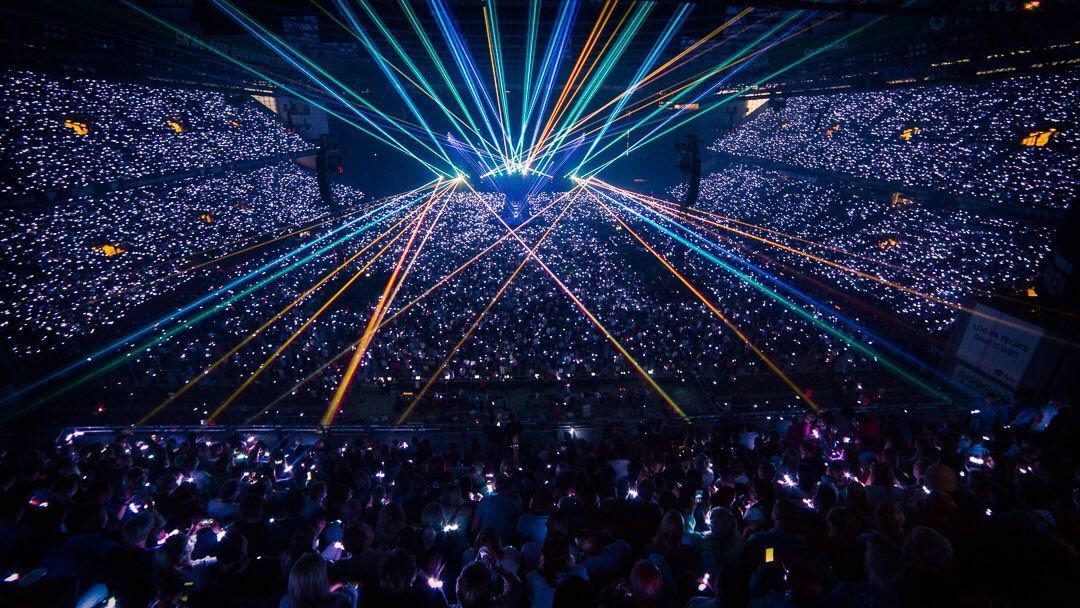
From a single warehouse to a stadium of 50,000 illuminated fans, the technical rollout of a wearable LED technology system is an unseen performance in itself. It’s a story of precision, command, and relentless attention to detail—the invisible engine powering the moments that take our breath away.