The Unseen Command: A Leadership Playbook for High-Stakes Live Production
The Conductor, Not the Soloist: Redefining Leadership in High-Stakes Production
In the world of live events, the spotlight naturally falls on the artist, the athlete, or the keynote speaker. But behind every flawless show, every breathtaking tour, and every seamless broadcast, there is an unseen force at work: a leader who operates not as the soloist, but as the conductor. These are the tour managers, production chiefs, and creative directors who orchestrate a symphony of logistics, technology, and human talent. Their work isn't about seeking applause for themselves; it's about creating the conditions for everyone else to shine.
Effective leadership in this environment is a unique discipline. It’s a blend of unwavering vision, logistical genius, and deep human insight. It’s about building a temporary, high-functioning organization—often in a new city every other night—and inspiring a diverse team of specialists to deliver a perfect performance under immense pressure. From orchestrating global tours for artists like Wizkid or Maluma to managing the intricate broadcast needs of global sporting events like the Davis Cup or Formula One, the principles remain the same: clarity, trust, and a relentless focus on the shared goal.
The Architecture of Trust: Building Your Production A-Team
A leader’s first job is to assemble a team of experts and then trust them to do their jobs. In live production, this is non-negotiable. Whether you're managing lighting designers, audio engineers, or specialists in immersive event technology, micromanagement is the enemy of excellence. The goal is to build an architecture of trust where each team member has clear ownership and the autonomy to execute.
This means:
- Hiring for Mastery: Look for specialists who are true masters of their craft, people who bring not just skill but a problem-solving mindset. When you work with seasoned professionals, you don’t need to dictate every detail.
- Defining Clear Lanes: Each person on the team, from the rigger to the programmer of the radio controlled LED wristbands, should know exactly what their role is—and what it isn’t. This clarity prevents overlap, reduces friction, and empowers individuals to take decisive action.
- Leading with Questions, Not Orders: Great leaders facilitate solutions rather than simply issuing commands. Asking "What do you need to make this happen?" or "What’s the best way to achieve this effect?" fosters a culture of collaborative problem-solving and respects the expertise within the team.
This model is how complex corporate event activations and massive festival experiences are born. The leader provides the "what" and the "why"; the team provides the "how."
Embracing Controlled Chaos: Decision-Making Under Pressure
No battle plan survives contact with the enemy, and no production schedule survives the reality of show day without a few surprises. A truck gets delayed, a key piece of gear fails, or the weather turns. This is where leadership is truly tested. The ability to remain calm and make clear, decisive calls in the midst of controlled chaos is what separates the best from the rest.
"The currency of leadership in this industry is confidence. Not your own, but the confidence you inspire in your team when everything is on the line."
This isn't about having all the answers. It’s about knowing who to turn to for the right information and creating a psychological environment where problems can be flagged early and solved collectively. When the team trusts their leader not to panic or place blame, they are more likely to bring forward potential issues before they become full-blown crises. It’s this steady hand that ensures the audience only ever sees the magic, never the frantic paddling beneath the surface.
The Vision Keeper: Protecting the Creative Intent
Amidst the immense logistical and technical pressures, the leader’s ultimate responsibility is to be the keeper of the vision. Every decision—from the choice of wearable LED technology to the timing of a lighting cue—must serve the creative intent of the show. It’s easy to get lost in the weeds of execution and lose sight of the story you’re trying to tell.
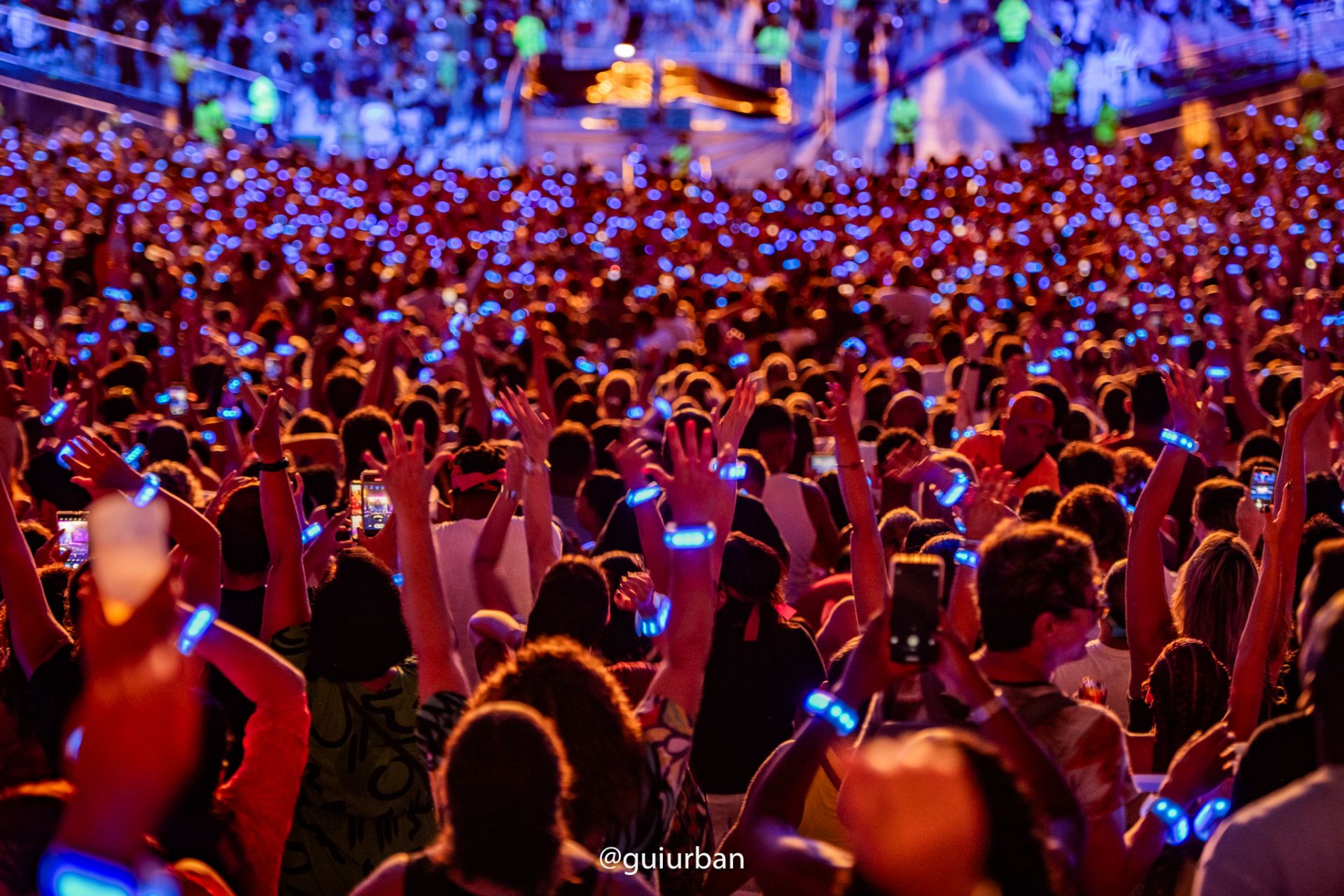
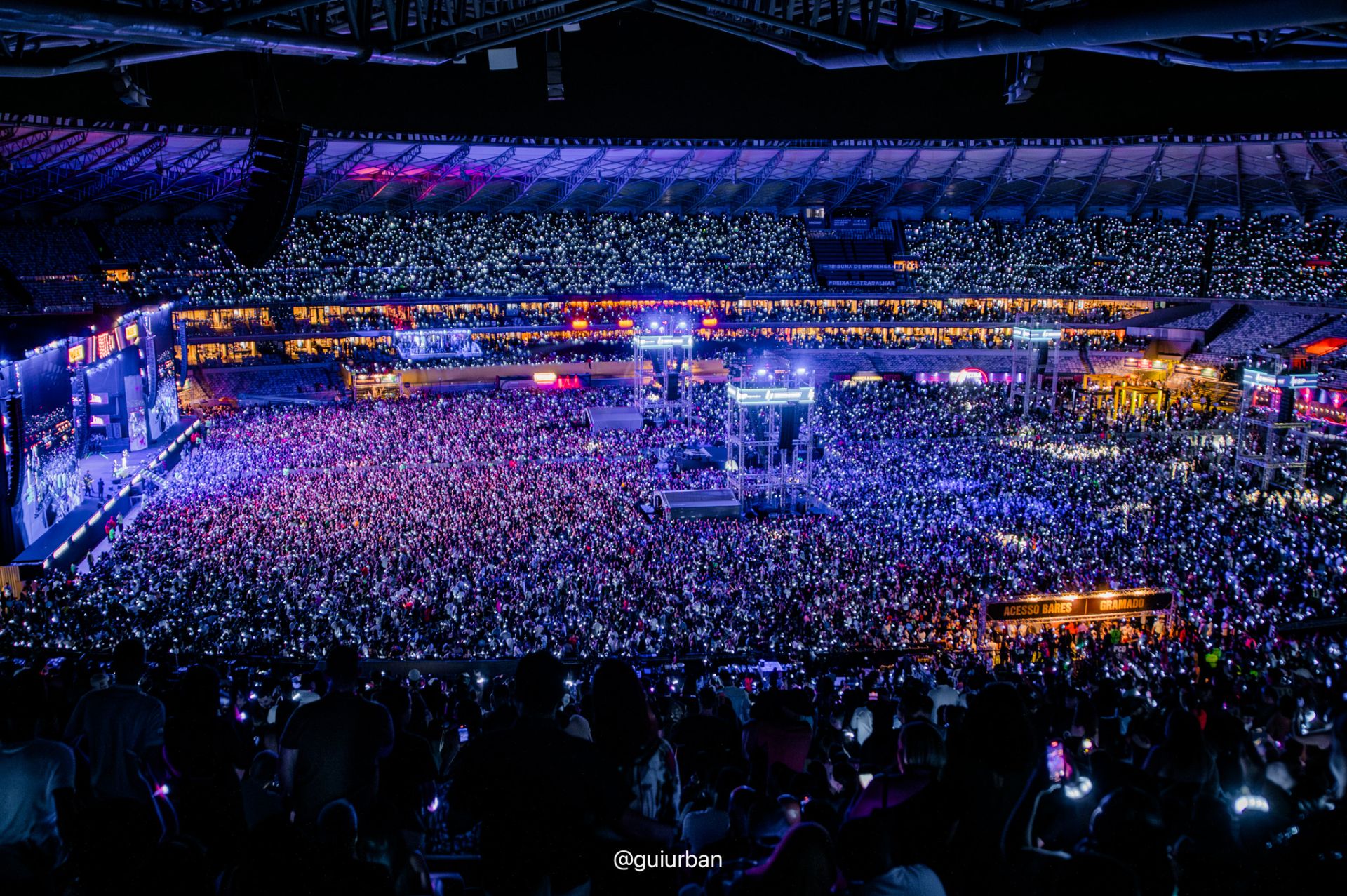
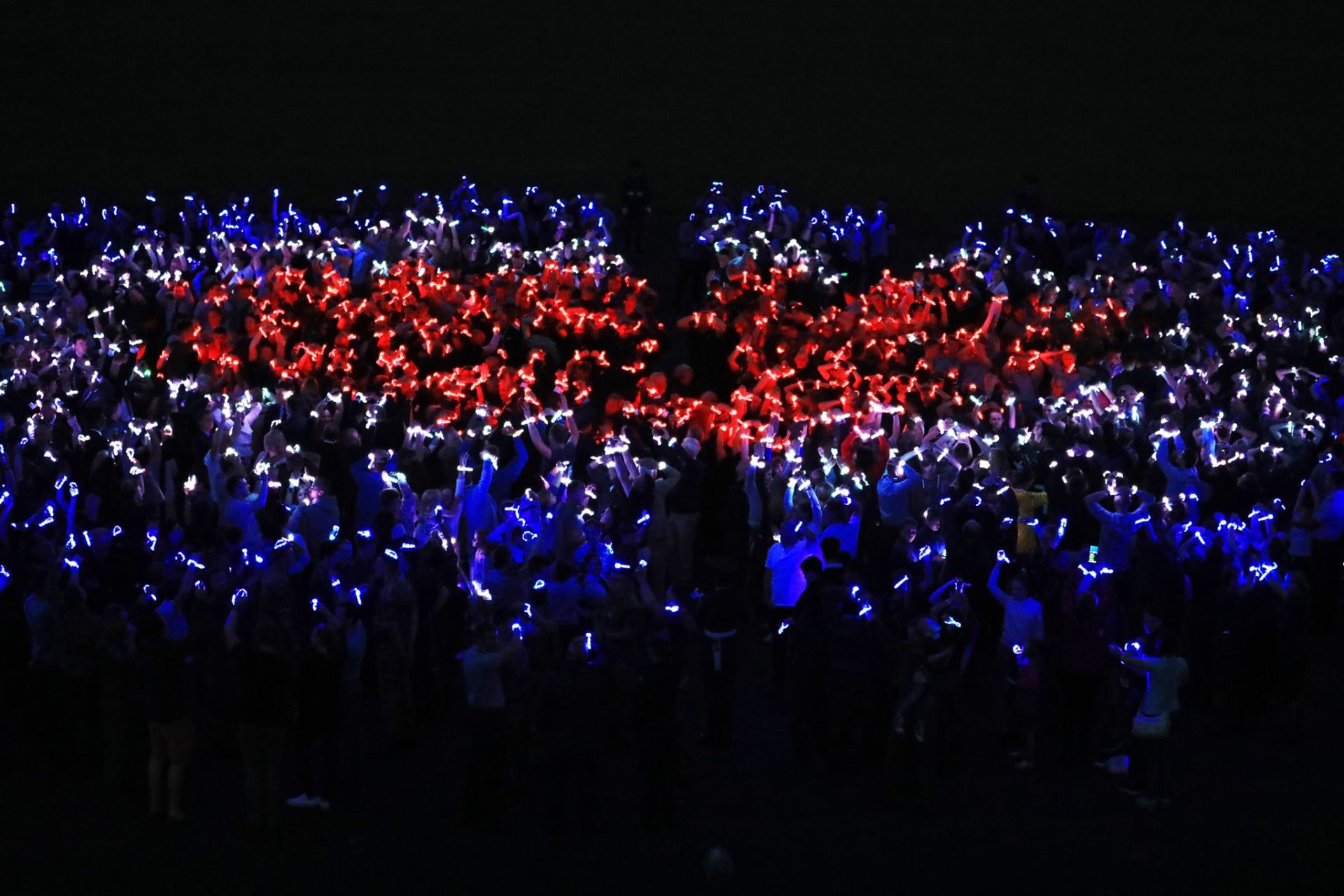
This is particularly crucial when integrating technology like Xylobands. The goal isn’t just to make 50,000 LED bracelets light up; it’s to create a moment of collective effervescence that reinforces a key emotional beat in the performance. It's about turning a crowd of individuals into a unified canvas, a singular entity sharing a moment of awe. This was the vision that brought Coldplay Xylobands to the world, and it’s the principle that should guide all LED crowd experiences.
Whether it's for a stadium concert, a festival like Greece’s PRIMER, or a high-profile brand event, the leader’s job is to constantly ask: "Does this serve the story? Does this enhance the emotional journey of the audience?" By relentlessly focusing on the "why," they ensure that the technology, logistics, and human effort all converge to create something truly unforgettable.
The Final Bow
In the final analysis, leadership in live production is an act of service. It’s about creating an ecosystem where creative and technical brilliance can flourish. It’s about absorbing pressure so the team can perform. And most of all, it’s about being the unseen conductor who, through trust, vision, and a steady hand, brings the entire symphony together in perfect harmony. The audience may never know your name, but they will never forget the experience you helped create.