The Unseen Data Stream: Enhancing Crowd Safety and Flow with Immersive Event Technology
The Unseen Data Stream: Enhancing Crowd Safety and Flow with Immersive Event Technology
In the architecture of a mass gathering, from a sprawling music festival to a high-stakes corporate launch, the audience is the living, breathing centerpiece. Yet, for all the focus on stagecraft and spectacle, one of the most critical responsibilities for any event producer is the safety and efficient management of the crowd itself. Traditionally, this has been a low-tech affair, relying on security personnel, static barriers, and observational guesswork. But what if the same technology designed to immerse and entertain could also provide a powerful, unseen data stream for enhancing safety and crowd analytics?
The challenge is as old as public assembly itself: how do you monitor, guide, and protect thousands of individuals moving through a complex space? How do you identify potential bottlenecks, respond to emergencies, or simply understand crowd dynamics in real time? The answer lies in leveraging the very fabric of the modern, connected live experience.
From Immersion to Information
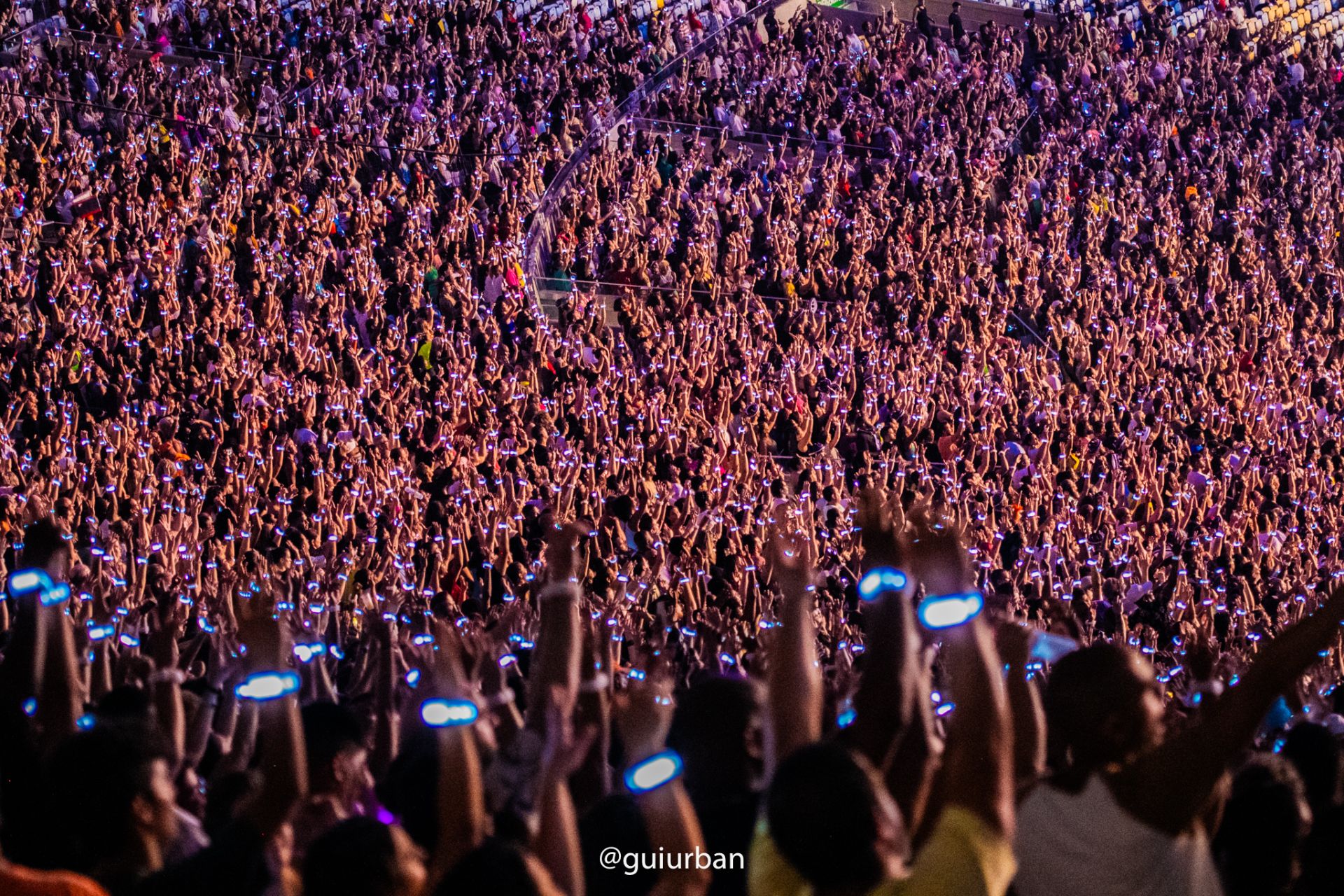
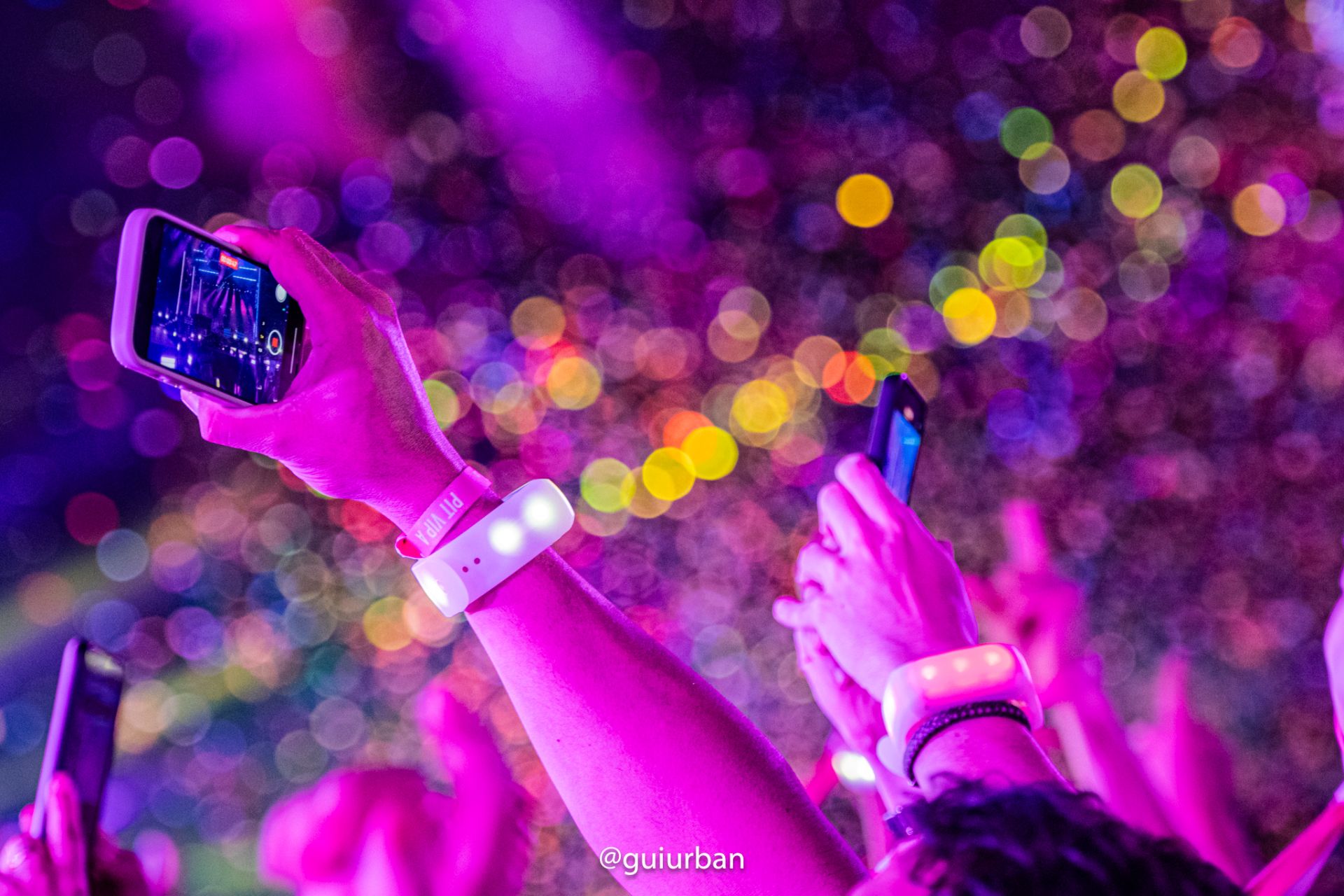
At Xylobands, we are best known for transforming audiences into illuminated canvases. Our LED wristbands and other wearable LED technology are designed to create moments of collective euphoria, syncing tens of thousands of people to a single beat. As seen at events for global brands like Formula One and music festivals like Greece's PRIMER, the goal is to deepen the connection between the artist and the audience. However, the underlying technology—a robust network of radio-controlled devices—has capabilities that extend far beyond the visual spectacle.
Each wristband, lanyard, or orb is a node in a dynamic, event-wide network. While their primary function is to receive signals from a central controller to produce light, the system architecture opens the door to sophisticated crowd analytics. By dividing a venue into zones and tracking the signal strength and response of devices within those zones, producers can gain an unprecedented, real-time understanding of crowd density and movement.
This isn't about tracking individuals. It's about understanding the collective—the ebb and flow of the audience as a single, living organism. It’s about turning immersive event technology into a powerful tool for operational intelligence.
The Safety Imperative: Real-Time Analytics in Action
Consider the common challenges of a large-scale event:
- Ingress and Egress: The most predictable points of congestion occur as gates open and as the show ends. By monitoring the density of active LED bands in entry and exit zones, event staff can identify potential crushes before they happen. If a particular gate is becoming overwhelmed, resources can be redirected to open new channels and messaging can be deployed to guide attendees to less congested routes.
- Identifying Dead Zones: In a crisis, communication is everything. Understanding where cellular or radio signals are weakest is critical for deploying security and medical personnel effectively. The same RF network that controls the light show can be used to map signal coverage across the entire venue, ensuring that response teams are never in a blind spot.
- Emergency Response and Evacuation: In a worst-case scenario requiring an evacuation, the ability to guide a crowd with light is a game-changer. Imagine a scenario where wristbands in a specific sector pulse with a distinct color, or where pathways to exits are illuminated by the attendees themselves. Instead of relying solely on overhead announcements that can be lost in the noise, light can provide a clear, intuitive, and universally understood signal to guide people to safety. This transforms passive attendees into an active, guided part of the solution.
Beyond Safety: Optimizing the Fan Experience
The data stream generated by LED crowd experiences also offers significant benefits for optimizing the overall event. By analyzing crowd flow, organizers can make informed decisions about the placement of concessions, merchandise stands, and restrooms to minimize queues and maximize revenue. For multi-stage events like festivals, understanding which areas are most and least popular can inform future layouts and artist scheduling.
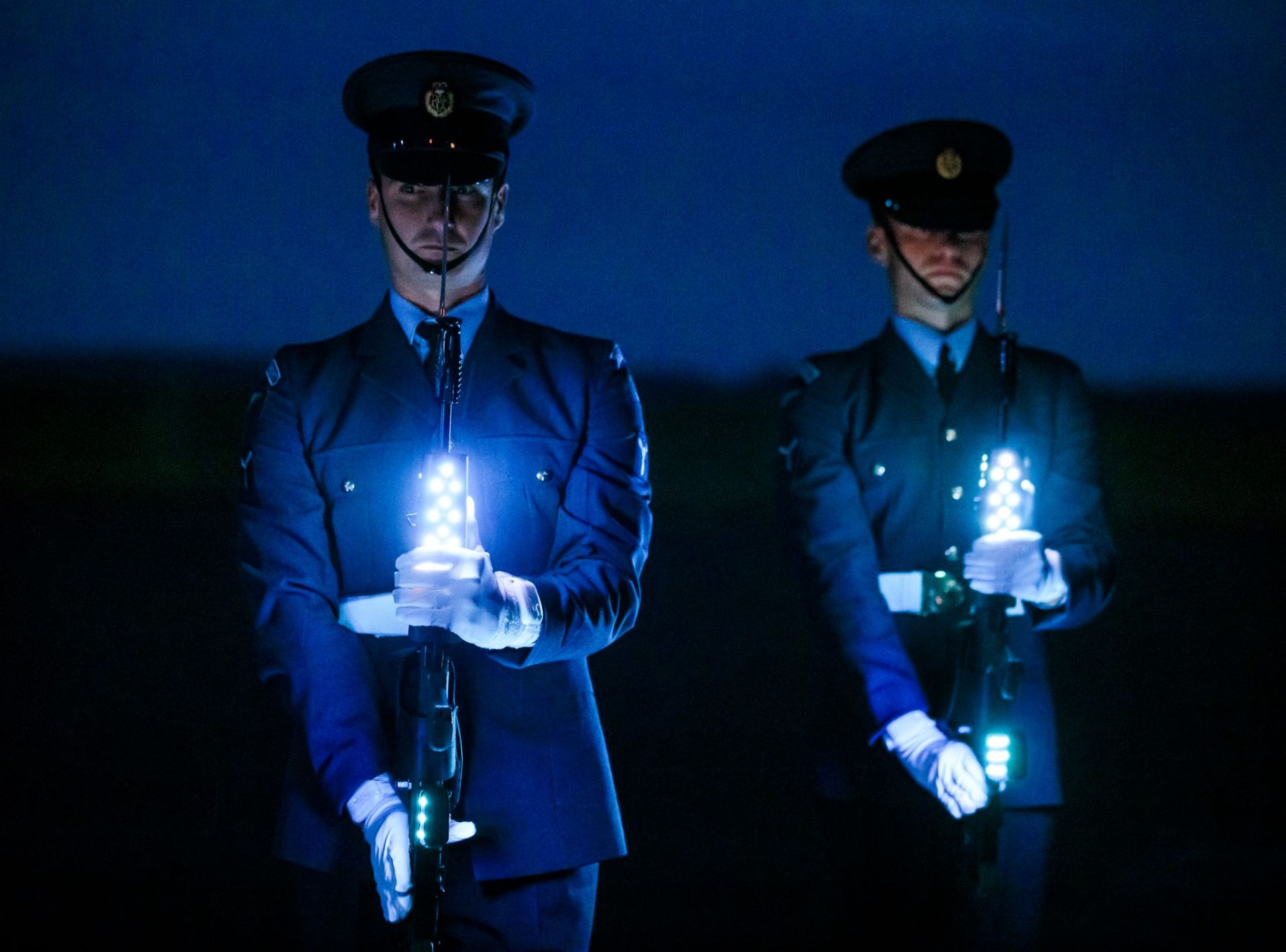
This was put into practice at the Formula One 75th-anniversary event at The O2 Arena. Our team distributed custom LED Lanyards (the Xylo Pendant) by placing them on seats before the show, with specific locations determined by the desired lighting effects. This pre-show distribution, a core part of our logistics, is itself a form of crowd mapping. Knowing exactly where certain groups (like hospitality vs. general admission) are seated allows for targeted activations and a deeper understanding of how different audience segments engage with the show.
The Ethical Dimension
The conversation around data and crowd analytics must be grounded in a strong ethical framework. The goal is not surveillance but stewardship. The data collected from wearable tech should always be anonymized and aggregated, focusing on macro-level patterns of the crowd, not the behavior of identifiable individuals. The trust between an audience and an event producer is sacred. When attendees put on one of our concert wristbands, they are opting into a shared experience, not a system of personal tracking. Transparency is key; audiences should understand that the technology enhancing their experience is also working to keep them safe.
As live events grow in scale and complexity, the tools we use to manage them must evolve. The future of event safety and crowd management will not be a standalone solution but an integrated feature of the immersive technologies we already use to create wonder and connection. The light show that captivates the eye can also be the unseen data stream that protects the body, turning every Coldplay Xylo Band effect into a testament to a safer, smarter, and more connected live experience.