The Unseen Engine: Deconstructing the R&D Culture of a Global Events Technology Brand
The Second Conversation
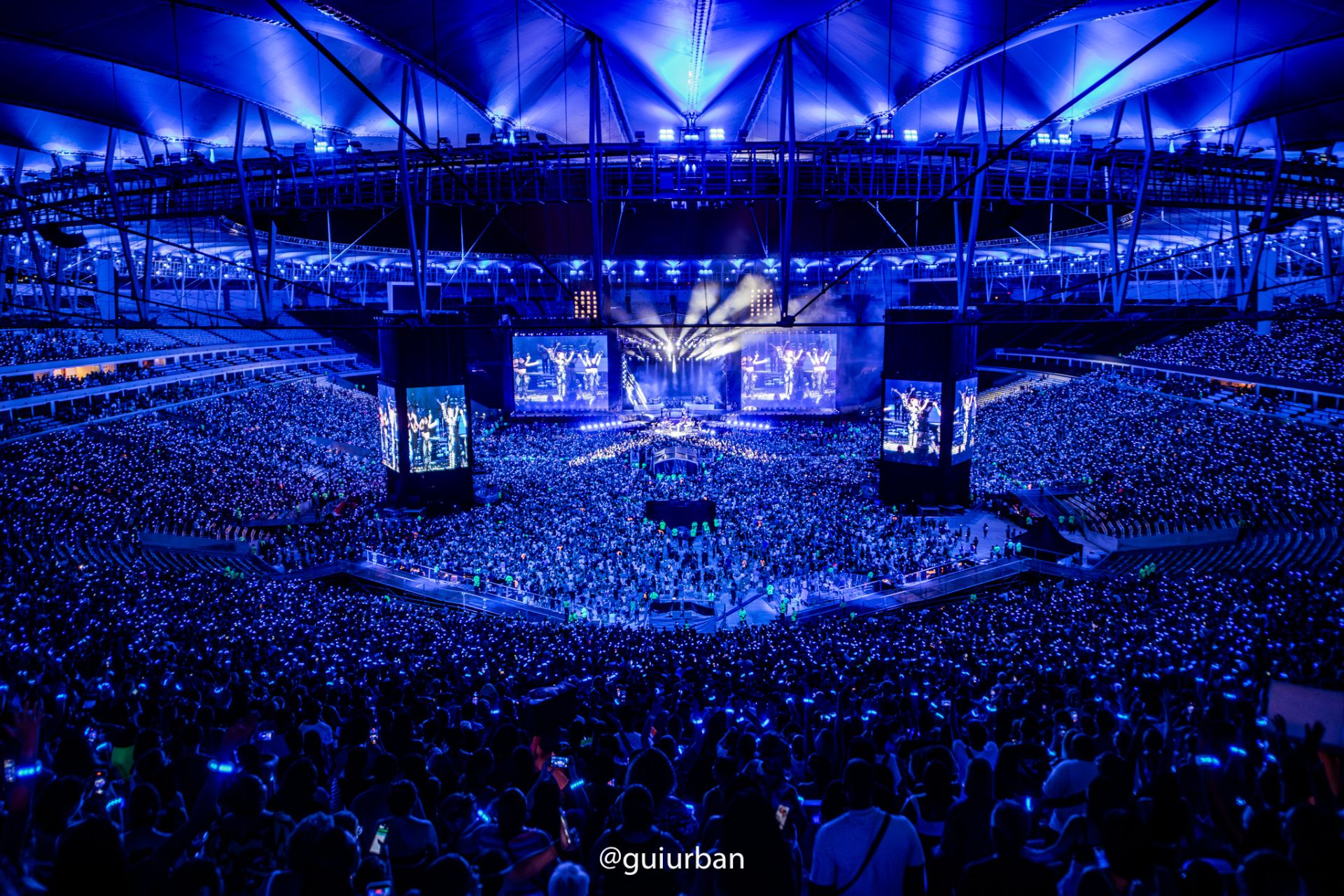
Every great live show is built on two conversations. The first is the one everyone sees: the spectacle, the energy, the connection between artist and audience. It’s the roar of the crowd at a festival, the collective gasp during a stunning lighting cue, the shared moment of unity when tens of thousands of lights ignite in perfect sync. This is the conversation of the finished product, the polished performance.
But behind it lies a second, quieter conversation. It’s a dialogue of questions, of prototypes, of relentless iteration. It’s the conversation of research and development—a continuous process of discovery that happens far from the main stage, in workshops and labs, long before the first truck is ever loaded. This is the unseen engine that drives the spectacle, and its principles are less about fleeting moments of inspiration and more about a disciplined, sustained culture of innovation.
Beyond the 'Eureka' Moment
The myth of innovation often revolves around a single, brilliant idea—a “eureka” moment that changes everything. The reality, especially in the demanding world of live production, is far more rigorous. The journey from a concept to a reliable, scalable piece of immersive event technology is one of incremental gains, exhaustive testing, and a willingness to embrace failure as data.
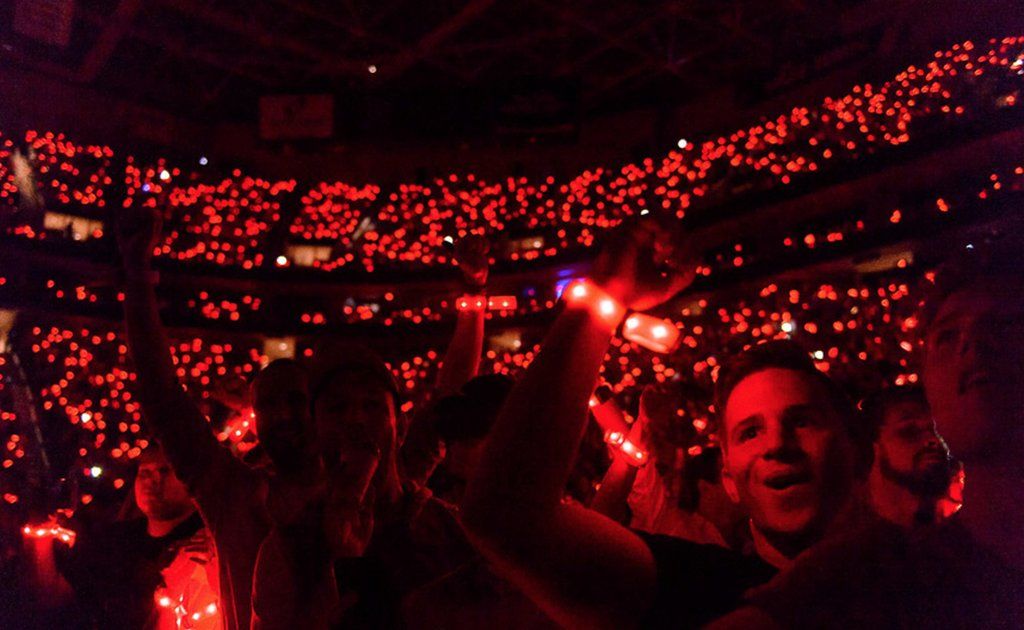
Consider the evolution of our own LED wristbands. The initial concept, born from a moment of inspiration at Glastonbury Festival, was just the first step. The real work was in turning that idea into a robust system that could function flawlessly for hundreds of thousands of people, in unpredictable environments, night after night. This required deep dives into radio frequency protocols, battery life optimization, and durable, wearable design. Our work with artists like Coldplay on their groundbreaking Mylo Xyloto tour wasn’t a one-off collaboration; it was the beginning of a long-term R&D partnership, stress-testing the technology in the most demanding live environments on the planet.
The Architecture of Innovation: Three Core Pillars
A thriving R&D culture isn’t an accident; it’s an architecture built on core principles. For us, it stands on three pillars: technical obsession, collaborative friction, and purpose-driven problem-solving.
1. The Obsession with the Medium
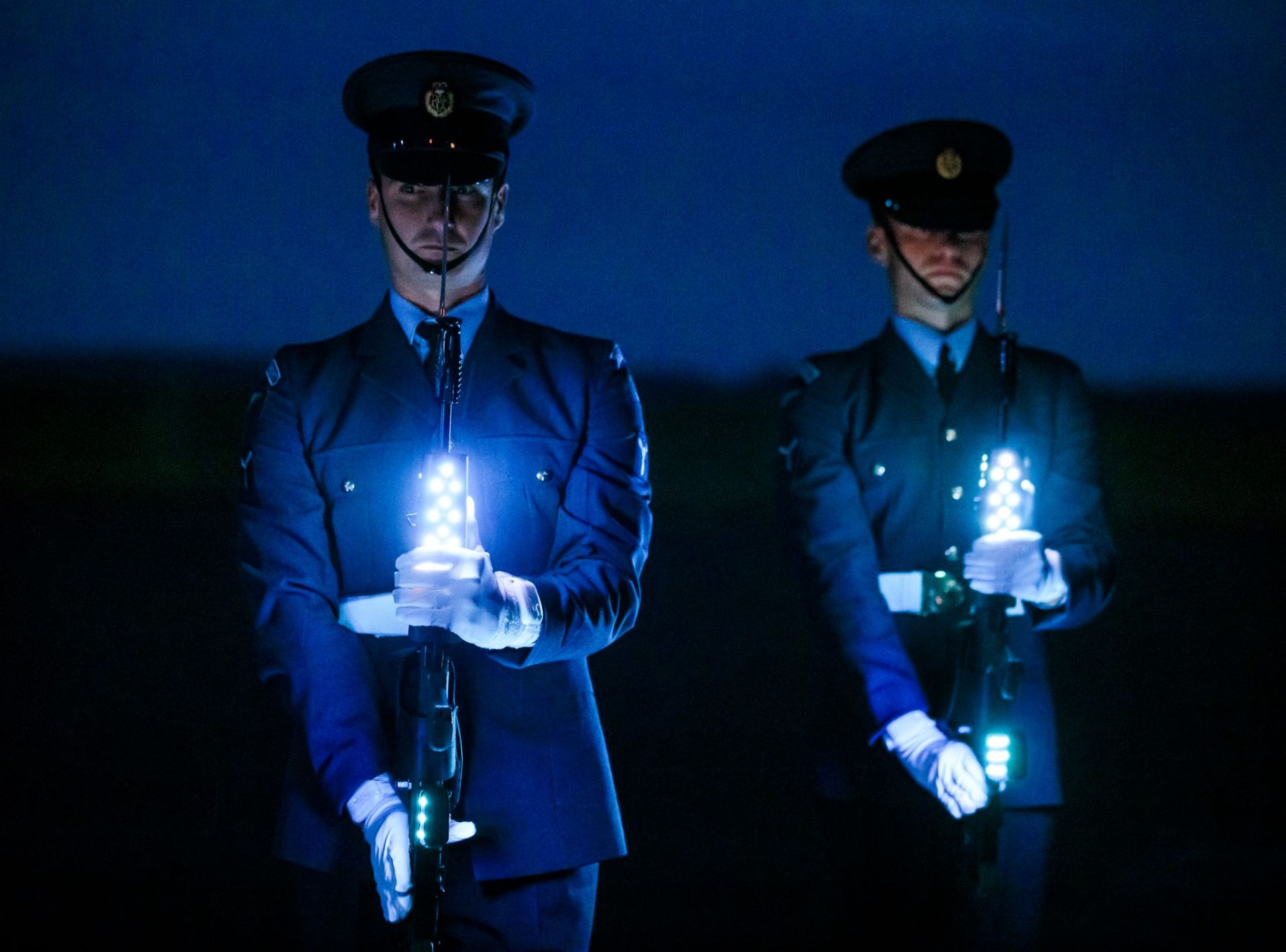
True innovation in a technical field requires a deep, almost obsessive understanding of the medium itself. Our teams aren’t just event professionals; they are specialists in RF, in plastics engineering, in data protocols, and in user experience. It’s this granular focus that allows for genuine breakthroughs. It led to the development of different products for different environments—from broadcast-ready wristbands for TV shows like Beat The Chasers UK to custom pendants for large-scale celebrations like the Formula One 75th anniversary event. It’s about asking not just “What can we do?” but “What can this technology do, and how can we push its fundamental limits?”
2. The Power of Collaborative Friction
Innovation rarely happens in a silo. It is forged in the space between disciplines, where the creative vision of a show designer meets the hard realities of physics and logistics. This "collaborative friction" is essential. An artist might ask for an effect that seems impossible; the engineering team’s initial response might be a list of constraints. But in the dialogue that follows, new solutions emerge. It’s in this push-and-pull that a vague idea for "more light" evolves into a precisely choreographed moment of LED crowd experiences, with custom hardware and software built to execute a unique creative vision.
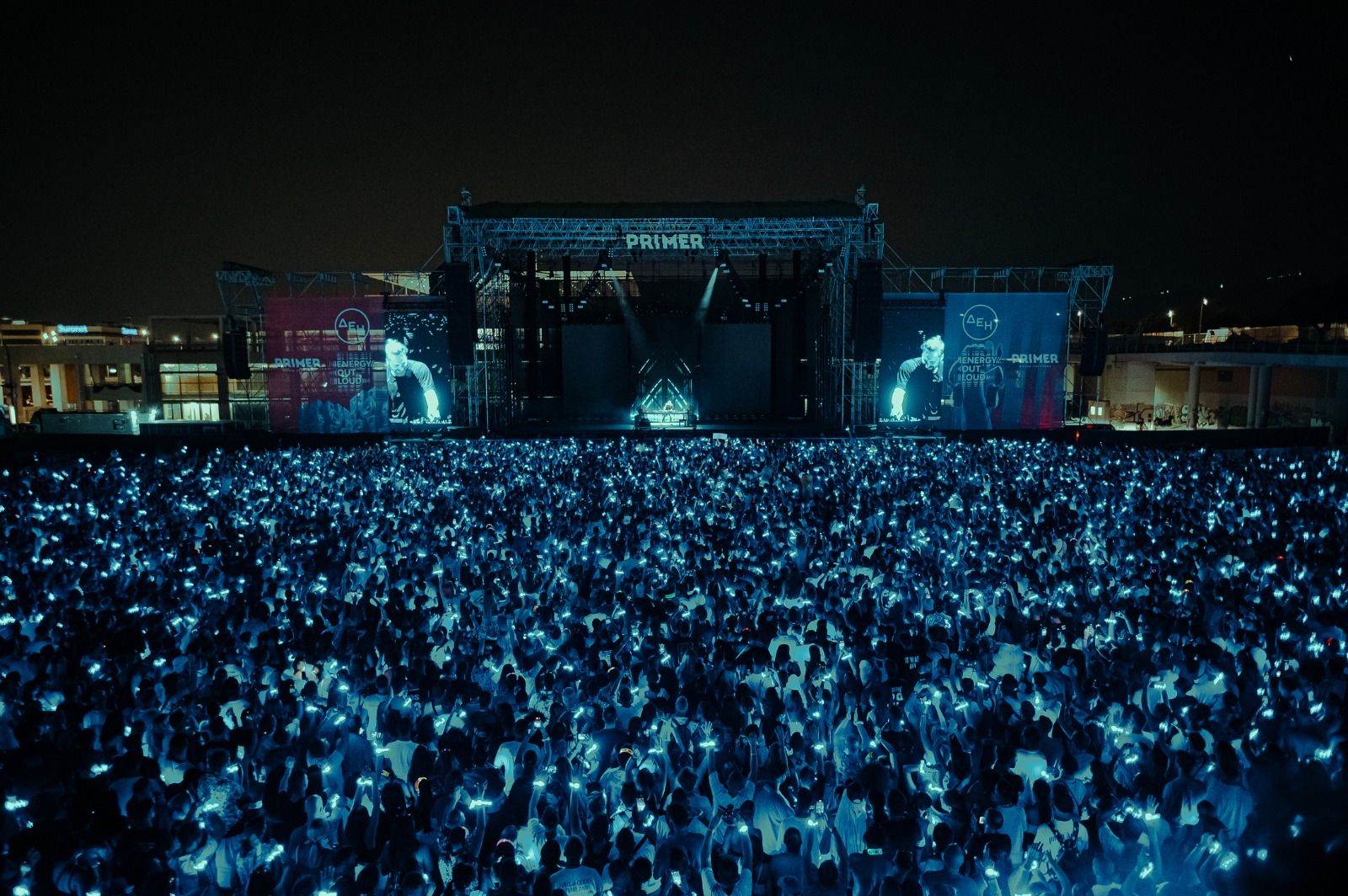
This process has been central to our work across diverse spectacles, from lighting up 32,000 fans for Wizkid at the O2 Arena to creating immersive atmospheres for international music festivals like Primer in Greece. The creative demand fuels the technical solution, and the technical possibility inspires new creative ambitions.
3. The North Star: Purpose-Driven Problem Solving
Finally, the most powerful R&D is guided by a clear purpose. What problem are we trying to solve? For us, the goal has always been to deepen the connection between the artist, the message, and the audience. Every new product, from LED Lanyards at corporate events to our newest radio controlled LED wristbands, is measured against this benchmark. Does it make the experience more immersive? Does it create a greater sense of unity? Does it give producers a new tool to tell their story?
This focus on purpose ensures that innovation is not just about novelty, but about value. It’s the difference between a gimmick and a genuine enhancement. When we equip a stadium for an artist like Maluma or a global sporting event like the Davis Cup, the technology is not the star of the show. It is a tool in service of a larger emotional goal: creating a shared, unforgettable human experience.
The Perpetual Prototype
In the live events industry, there is no final version. Every show, every tour, every broadcast is a new prototype. The data and feedback from one event become the starting point for the next R&D cycle. The industry’s relentless pace and zero-failure mandate demand a culture of constant learning and adaptation. An R&D engine isn’t a department that exists in a separate building; it is a mindset that permeates every part of the organization, from the logistics team distributing wristbands to the technicians running the show.
The next wave of immersive events will be born from this same cycle of disciplined curiosity. It won’t come from one big idea, but from a thousand small, persistent questions. It will be built by teams who are obsessed with their medium, who embrace the friction of collaboration, and who are guided by the unwavering purpose of creating connection. The spectacle on stage may get all the applause, but it’s this unseen engine, humming quietly in the background, that makes it all possible.