The Unseen Logic: How Neurodiversity is a Creative Catalyst in Business and Technology
The Hidden Architecture of an Idea
In the world of business and technology, we often celebrate a linear path to success: the clear, step-by-step progression from problem to solution. But what if the most groundbreaking ideas don’t follow a straight line? What if they emerge from a mind that perceives the world not as a sequence, but as a system of interconnected patterns, hidden relationships, and unseen possibilities? This is often the world of the neurodiverse thinker, and it’s a perspective that holds a distinct—and increasingly vital—advantage.
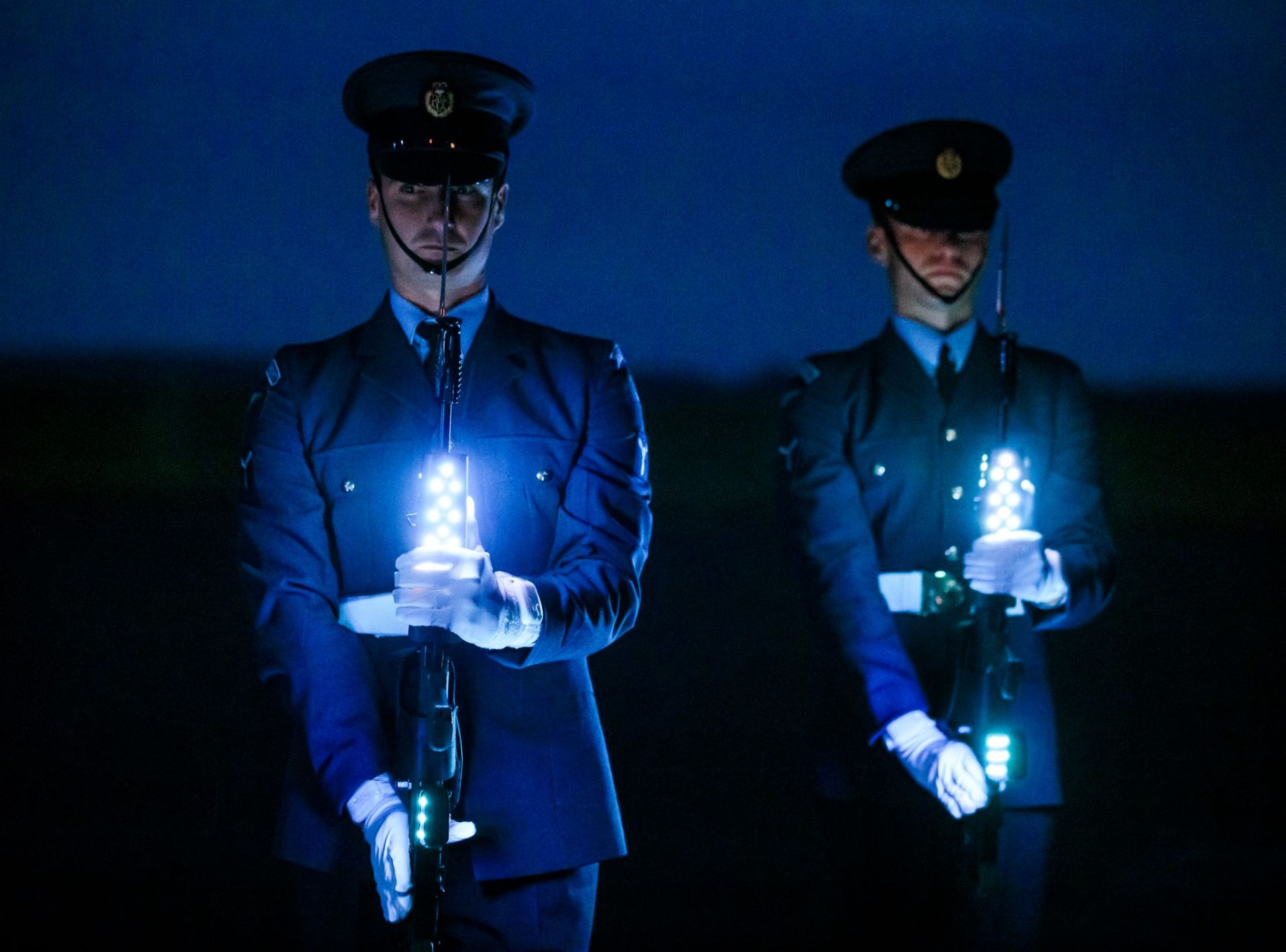
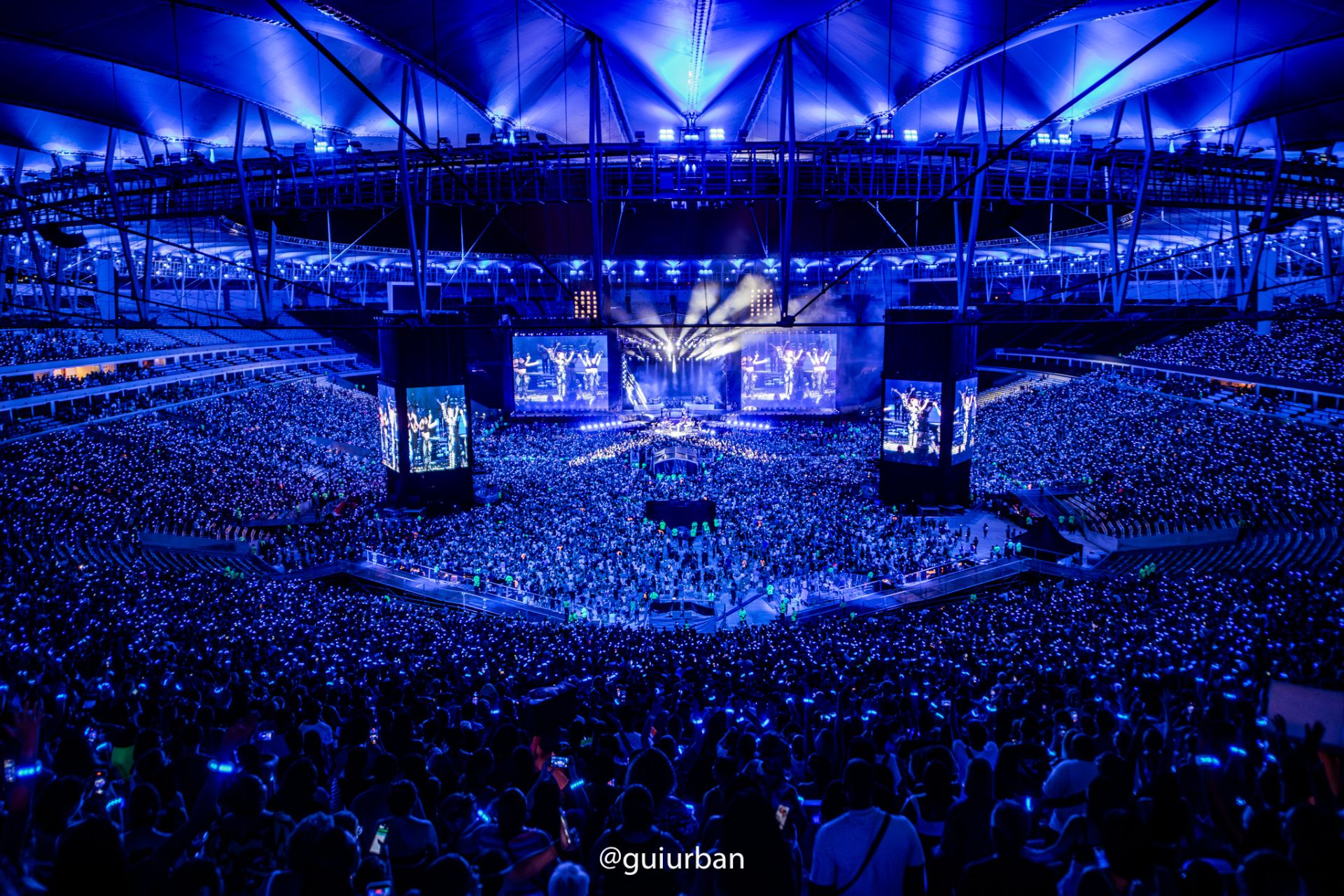
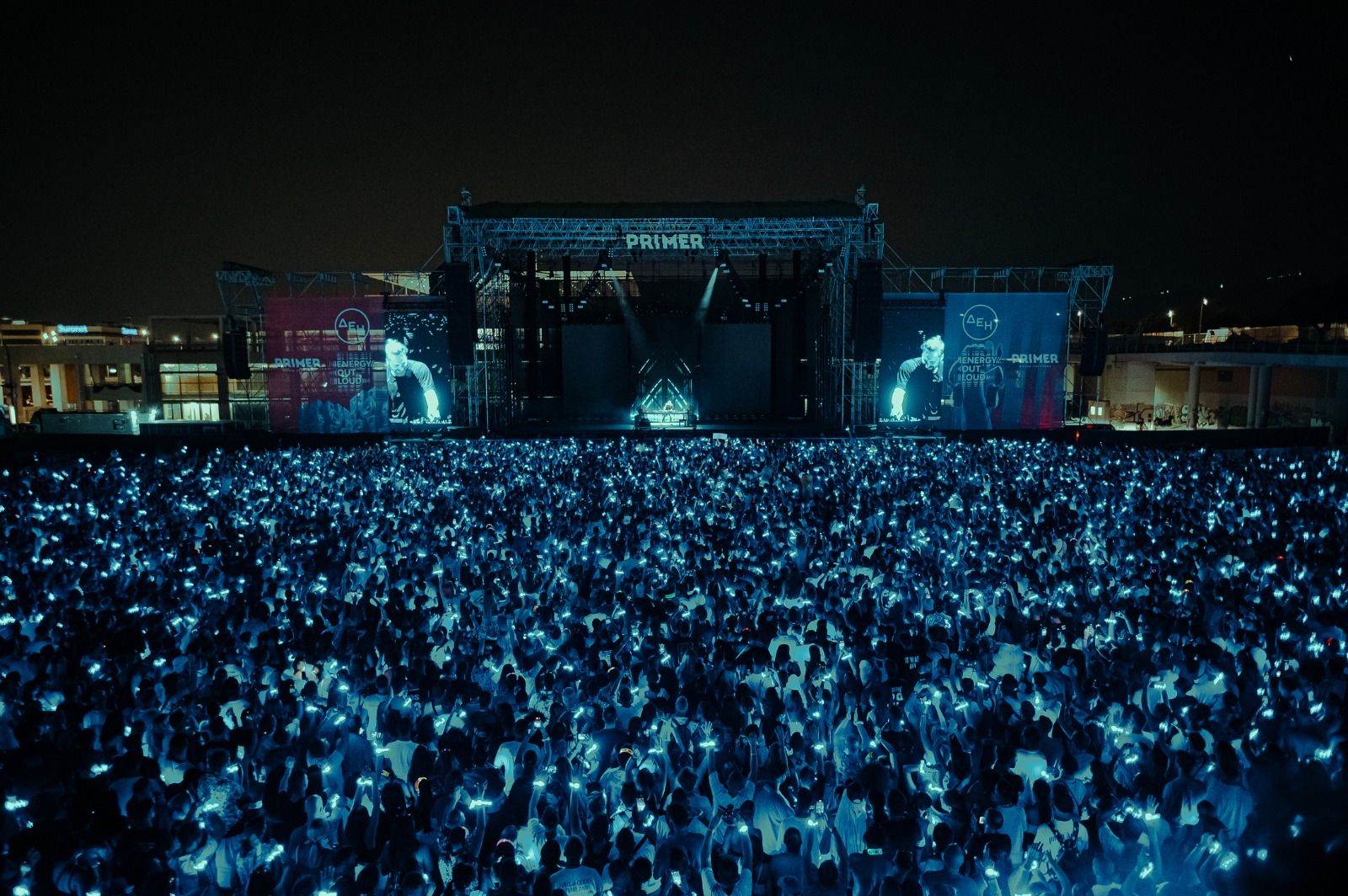
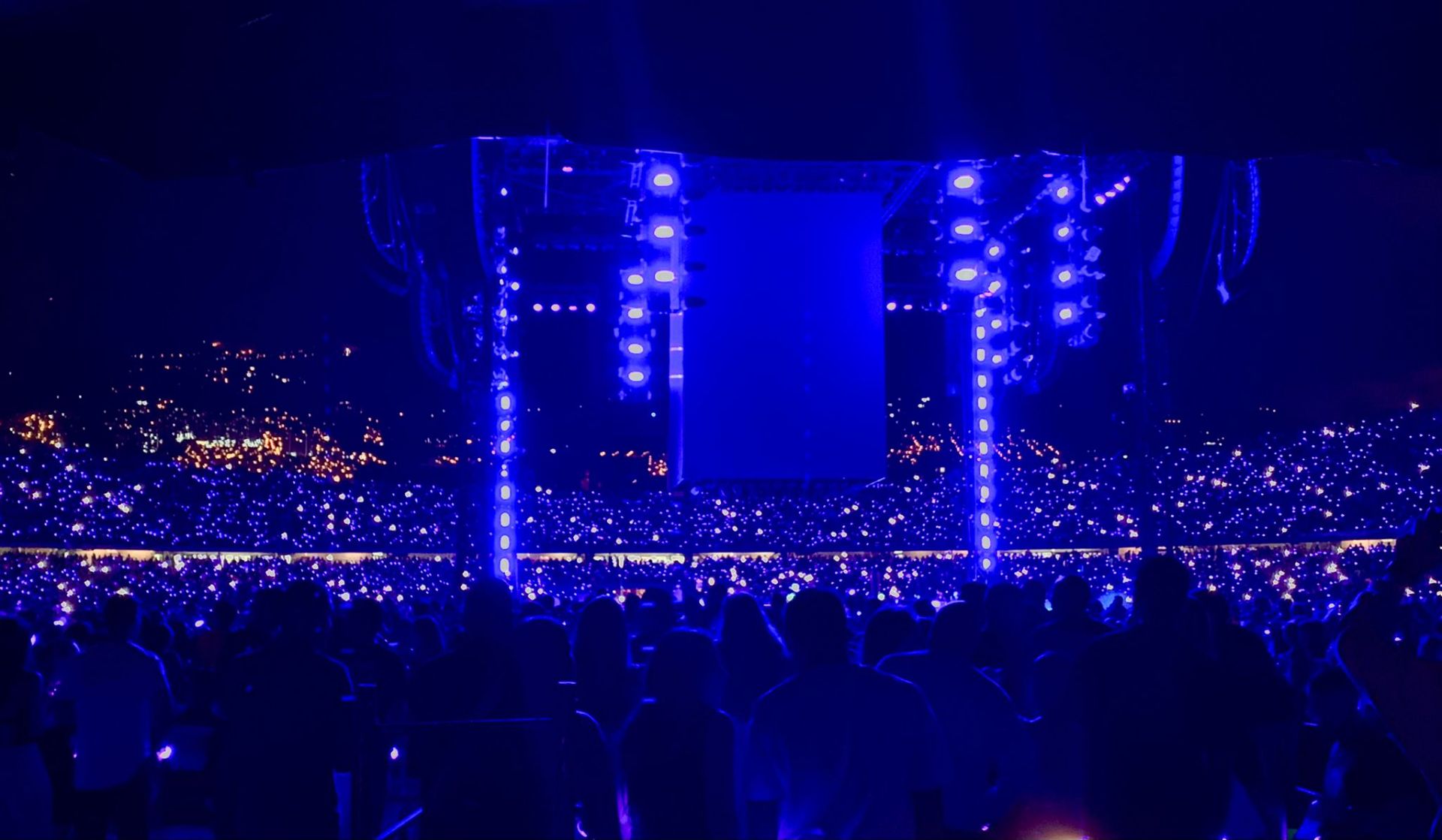
At Xylobands, our origin is a case in point. The idea for our LED wristbands wasn’t born in a boardroom or from a market analysis report. It came from a moment of pure, visceral connection at a Coldplay concert during the song "Fix You." Our founder, Jason Regler, who is dyslexic, didn’t just hear the lyric "Lights will guide you home"; he saw it. He envisioned an entire stadium of people becoming a single, living canvas of light. This wasn’t just a product idea; it was a systems-level innovation, a complete re-imagining of the relationship between artist, audience, and atmosphere.
Dyslexia: A Different Operating System
For decades, dyslexia has been framed almost exclusively as a learning disability, focused on the challenges with reading, writing, and sequential processing. While these challenges are real, this narrow definition misses the bigger picture entirely. Neuroscientists now understand that the dyslexic brain is simply wired differently. It often excels at precisely the cognitive skills that traditional educational models struggle to measure—and that the modern economy desperately needs.
Think of it as a different mental operating system. While a linear, neurotypical mind might excel at processing information sequentially, the dyslexic mind often operates like a powerful search engine, constantly scanning for connections, synthesising disparate information, and seeing the big picture. This ability to spot patterns, recognise anomalies, and conceptualise complex systems is not a bug; it's a feature.
"Dyslexia is not a deficit of intelligence; it's a different mode of thinking. It’s the ability to see the forest when everyone else is looking at the trees."
This "big picture" thinking is a common thread among a disproportionately high number of successful entrepreneurs and innovators. They are the pattern-seekers, the ones who can look at a mature industry or a complex problem and see the hidden logic, the unseen opportunity for disruption. It’s what allows a leader to build a global supply chain for wearable LED technology, not by following a pre-written playbook, but by visualising the entire system and engineering it for resilience and scale.
The Creative Advantage in Practice
How does this cognitive difference translate into tangible business outcomes? It manifests in several key areas:
- Problem-Solving: Dyslexic thinkers often don't follow a linear A-to-B path to a solution. Instead, they excel at what’s known as "lateral thinking"—approaching problems from oblique, unexpected angles. They’re more likely to question the initial premise of the problem itself, leading to more innovative and robust solutions. When designing immersive event technology, this means not just asking "How do we make a wristband light up?" but "How do we create a moment of collective effervescence that is both technically flawless and emotionally resonant?"
- Innovation and R&D: True innovation is about connecting the unconnected. The dyslexic brain’s capacity for seeing novel relationships between ideas, objects, and processes is a powerful engine for research and development. It’s the driving force behind the evolution from simple festival wristbands to sophisticated, data-driven tools for corporate event activations that can be integrated into live broadcasts, like our work with ITV on shows like "Beat The Chasers."
- Spatial Reasoning: Many neurodiverse individuals, particularly those with dyslexia, demonstrate exceptional 3D and spatial awareness. In the world of live events, this is an invaluable skill. It’s the ability to mentally walk through a venue like The O2 Arena or a complex festival ground, choreographing the flow of light and energy across tens of thousands of people, visualising how LED lanyards will look on camera for a Formula One broadcast, or how LED orbs will transform a space. It’s about seeing the event not as a flat plan, but as a multi-dimensional, immersive environment.
Cultivating Neurodiversity as a Strategic Asset
For too long, the business world has inadvertently filtered out these powerful minds, favouring candidates who excel in standardised tests and linear interviews. To build truly innovative and resilient organisations for the future, leaders must actively cultivate neurodiversity. This isn’t about tokenism or ticking a box; it’s about recognising a strategic imperative.
It means creating an environment where different thinking styles are not just tolerated, but celebrated. It involves adapting communication methods, valuing verbal and visual ideation as much as written reports, and focusing on outcomes rather than rigid processes. It’s about building teams where the detail-oriented, sequential thinkers can collaborate with the big-picture, systems-level visionaries. The fusion of these cognitive styles is where the magic happens—where a spark of an idea at a festival can grow into a global technology company powering immersive events in over 70 countries.
The story of Xylobands is a story of light, music, and technology. But underneath it all, it’s a story about the power of seeing the world differently. It’s a testament to the idea that sometimes, the most revolutionary innovations come from the minds we’ve tried the hardest to standardise. The future doesn’t belong to those who think alike; it belongs to those who can harness the full spectrum of human cognition to create something the world has never seen before.