The Unseen Network: A Deep Dive into LED Wristband Technology
The Unseen Network: A Deep Dive into LED Wristband Technology
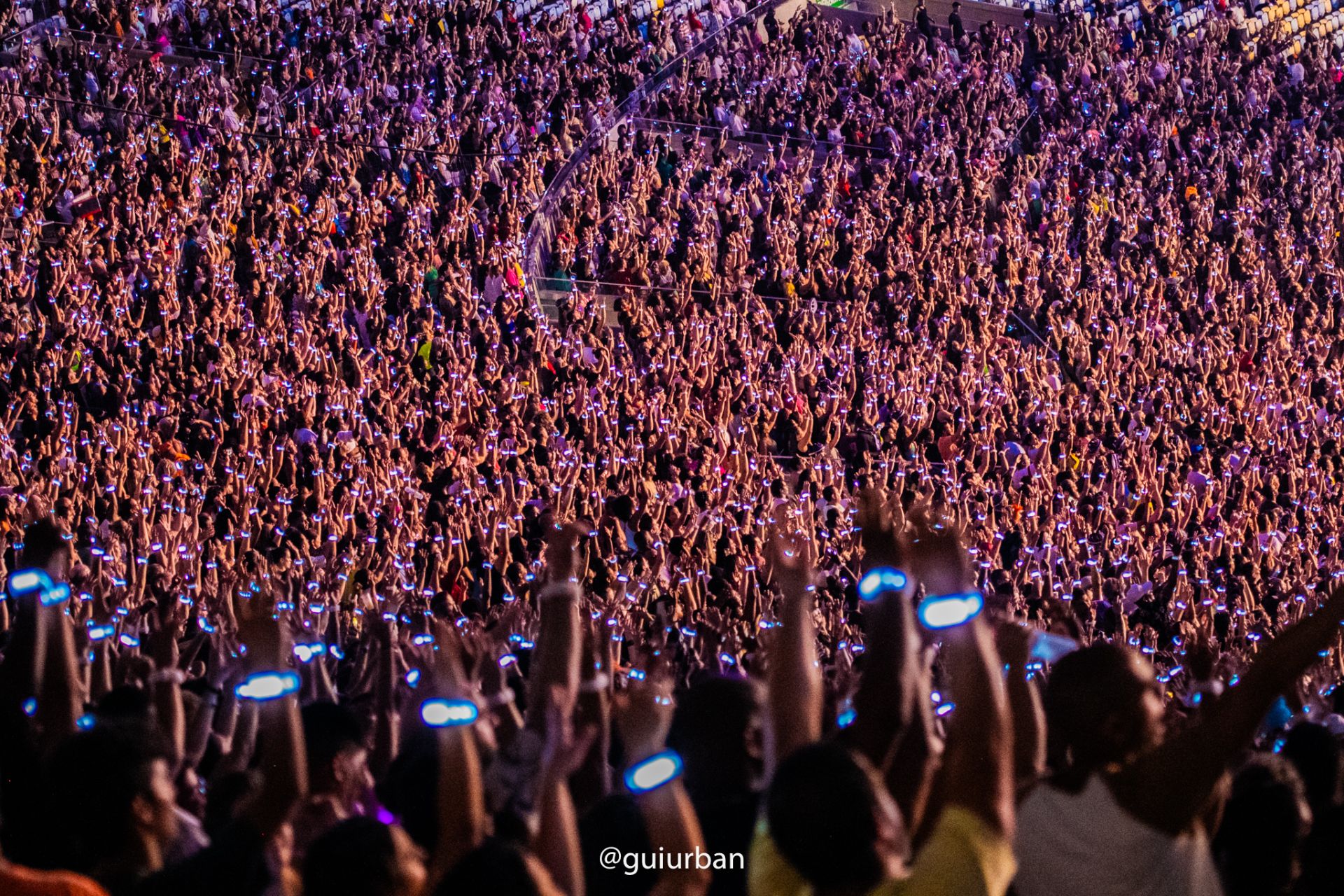
To the uninitiated, it’s magic. A hundred thousand arms lift in unison, and a stadium erupts in a synchronized wave of light. This is the world of LED crowd experiences, a landscape where technology and emotion converge to turn passive audiences into an active, breathing canvas. But behind every pulse of light, every synchronized color change, lies a sophisticated and robust technological framework. It’s not magic; it’s engineering.
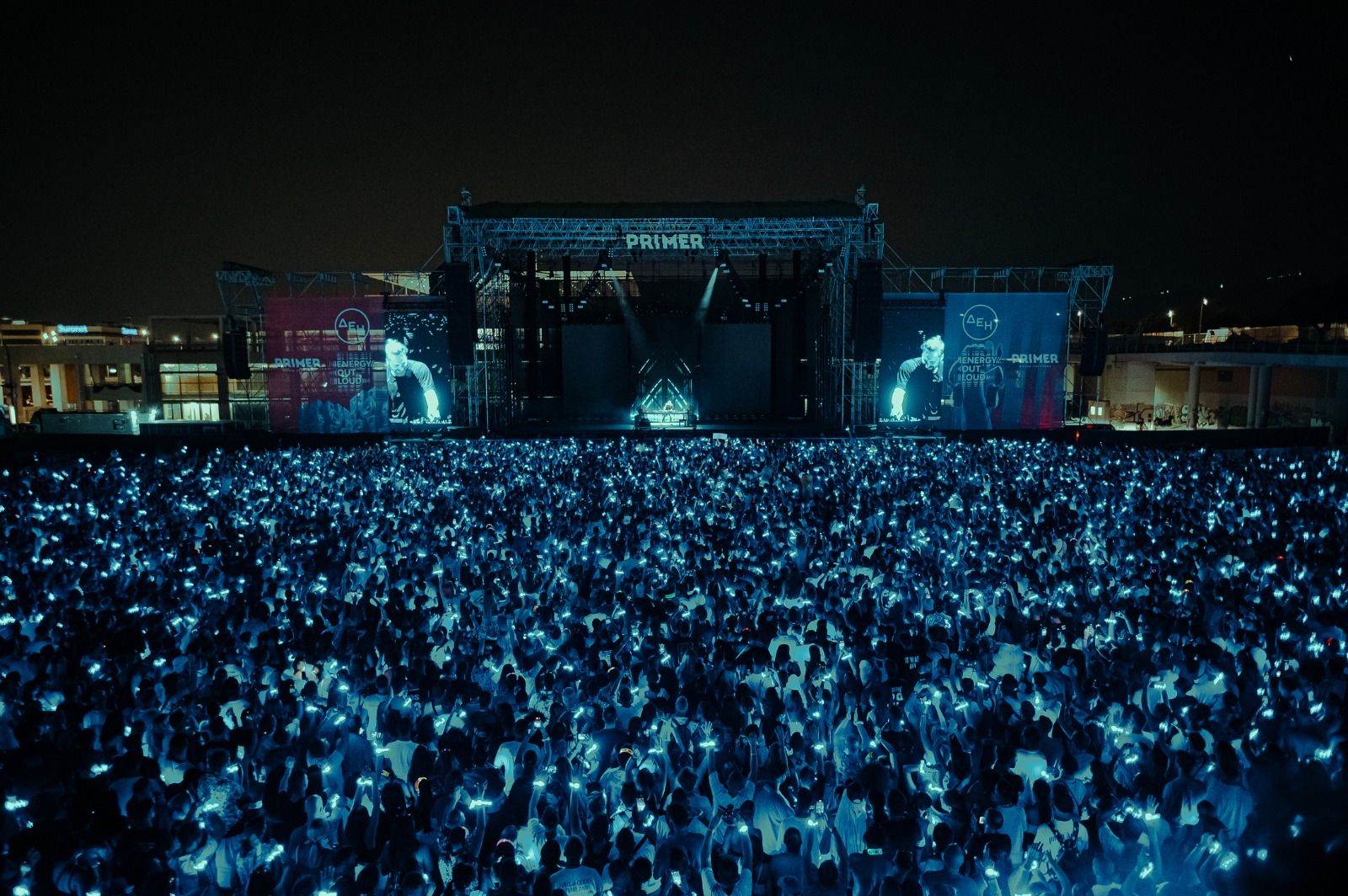
At Xylobands, we’ve spent over a decade pioneering and perfecting this technology, turning a simple idea—inspired by a Coldplay performance at Glastonbury—into a global phenomenon. While the visual impact of Coldplay Xylobands is what captures the imagination, the true innovation lies in the unseen network: the radio frequency (RF), DMX, and infrared systems that make these immersive events possible. This is the technology that powers everything from massive festival wristbands at Primer Music Festival to high-stakes broadcasts for clients like ITV and Formula One.
The Workhorse: Radio Frequency (RF) Control
The most common and versatile method for controlling LED wristbands is Radio Frequency. Think of it as a highly specialized radio broadcast. A central transmitter, managed by a lighting operator, sends signals out across a designated area. Each wristband contains a tiny, low-power receiver programmed to listen for these specific signals.
Here’s a simplified breakdown of the process:
- The Transmitter: Our proprietary control system includes a powerful RF transmitter and software that allows a lighting designer to program complex sequences. This unit can be integrated into the main show control desk, allowing the wristband lighting to be cued just like any other lighting fixture.
- The Signal: The transmitter sends out commands—like “turn on,” “fade to blue,” or “strobe at 120 BPM”—over a specific radio frequency. To avoid interference with other wireless systems in a busy event environment (like microphones, in-ear monitors, and security comms), we operate within carefully selected and licensed frequency bands.
- The Receiver: Each wristband’s internal receiver picks up the command. Once a valid command is received, it instructs the powerful RGB-W LED (Red, Green, Blue, White) to execute the instruction instantly.
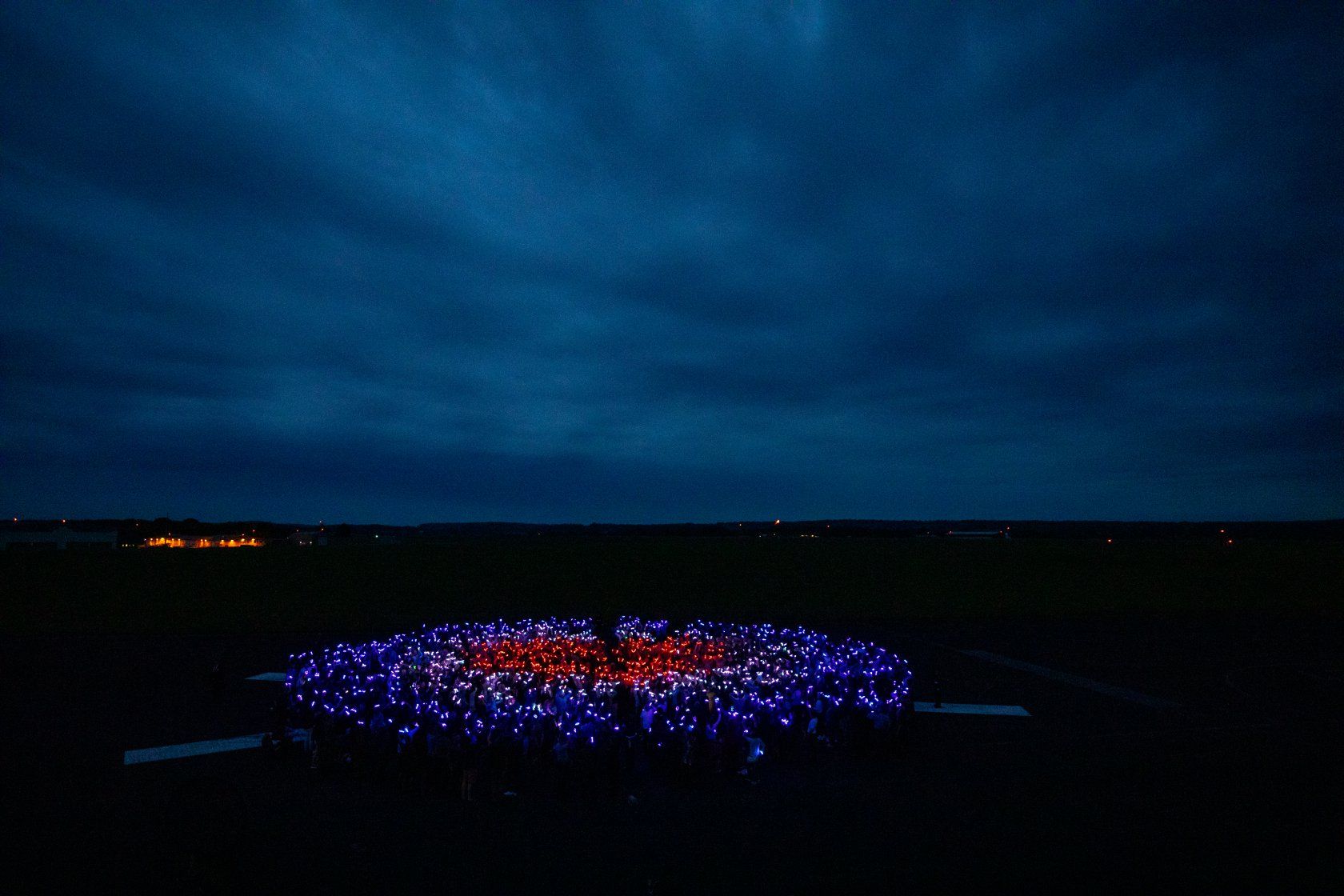
The power of RF lies in its scalability and range. A single transmitter can control hundreds of thousands of wristbands simultaneously from a distance of over 400 meters, making it the ideal solution for stadium tours, festivals, and large-scale corporate event activations. By dividing the audience into zones, our system can create complex, flowing patterns of light, painting intricate visuals across a crowd of any size.
The Precision Tool: DMX Integration
While RF is the broad-strokes painter, DMX is the fine-tipped pen. DMX (Digital Multiplex) is the industry-standard protocol for controlling professional stage lighting fixtures, from moving heads to haze machines. For events that demand absolute precision and zero latency, particularly for broadcast, integrating our radio controlled LED wristbands with DMX is essential.
In a DMX-integrated setup, the wristband transmitter is connected directly to the event’s lighting desk. This allows the lighting designer to control the wristbands as if they were a single, massive lighting fixture with thousands of individual pixels. Every nuance of the show’s lighting design can be mirrored in the audience in real-time. This is crucial for live-to-broadcast events, like our work with ITV on shows such as Beat The Chasers or The Masked Singer, where what you see on screen must be perfectly timed and executed.
This tight integration ensures that the audience lighting is not just an add-on but a fundamental component of the overall visual design, creating a seamless two-screen experience for both the live attendees and the millions watching at home.
The Close-Up: Infrared (IR) and Proximity Triggers
Sometimes, the goal isn’t to light up a stadium but to create a moment of individual interaction. This is where Infrared (IR) technology comes in. Unlike the wide broadcast of RF, IR uses focused beams of light (invisible to the human eye) to send signals over very short distances. It’s the same technology used in your television remote control.
We deploy small, strategically placed IR transmitters to trigger wristbands in specific, localized areas. This allows for a range of creative applications:
- Interactive Zones: An attendee walking through a particular gateway or into a specific activation zone could have their wristband light up in a unique color.
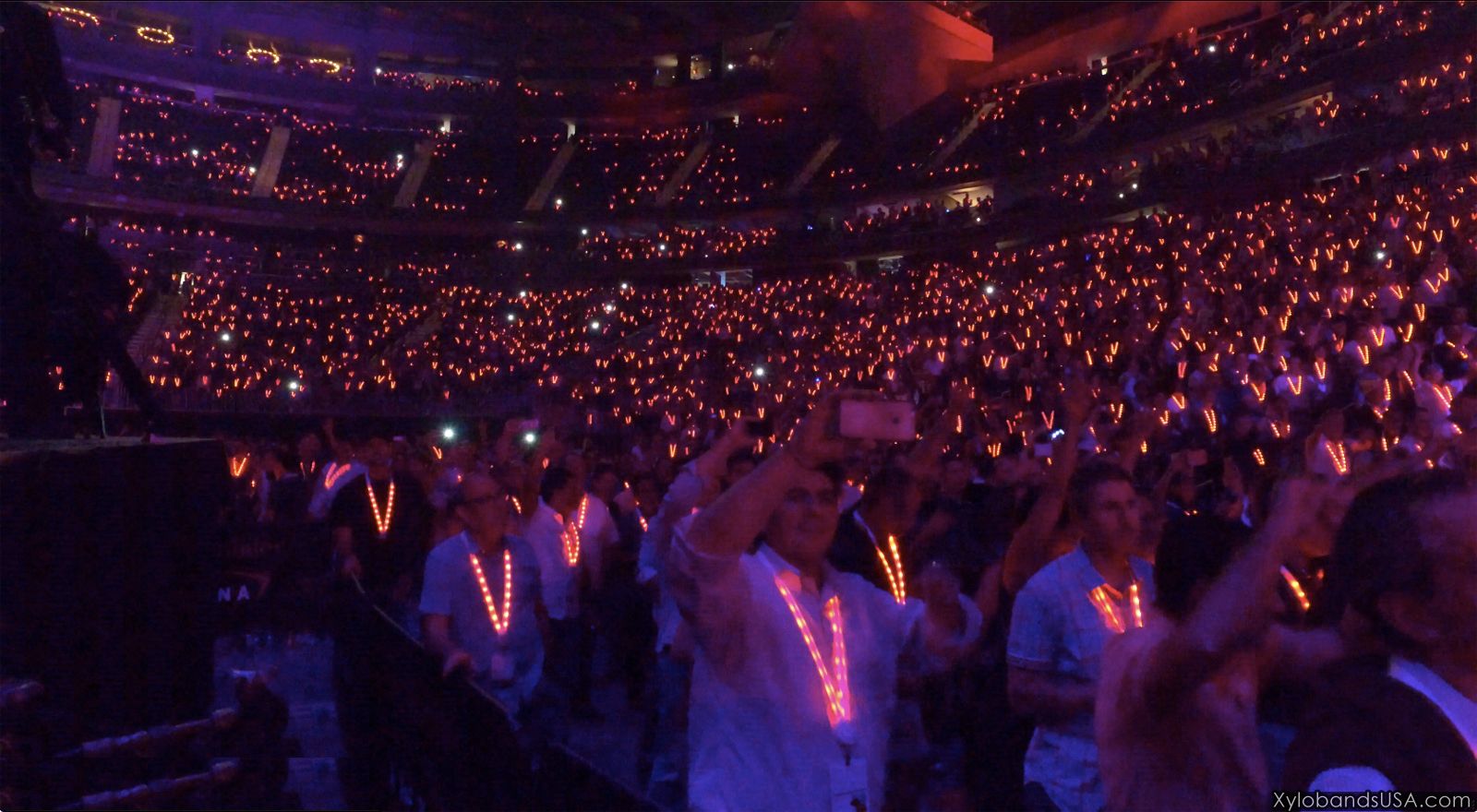
- Gamification: At a corporate event, visiting a series of booths could trigger different colors on your LED lanyard or wristband, confirming your participation.
- Surprise Moments: Imagine an artist walking through the crowd, with wristbands lighting up around them as they pass, creating a moving halo of light.
This proximity-based activation transforms wearable LED technology from a collective spectacle into a personalized experience, adding a layer of interactivity that enhances engagement and creates unique, shareable moments.
Bringing It All Together
The true power of modern LED event technology lies in the seamless integration of these three control methods. At a major festival, RF provides the backbone for the main stage spectacle. DMX integration ensures the headliner’s vision is executed with flawless precision. Meanwhile, IR triggers at sponsor tents and art installations create intimate, interactive experiences throughout the festival grounds.
From the pulsing energy of a Maluma stadium show to the sleek, branded glow at a Formula One celebration, the technology remains the unseen hero. It is a silent, reliable network that connects every single person in the room, transforming them from spectators into vital, illuminated participants in a shared story. This is the core of immersive event technology—not just lighting up a crowd, but creating a connection that lasts long after the lights go down.