The Unseen Shepherd: Guiding Crowds and Enhancing Safety with Immersive Event Technology
The Living System of the Crowd
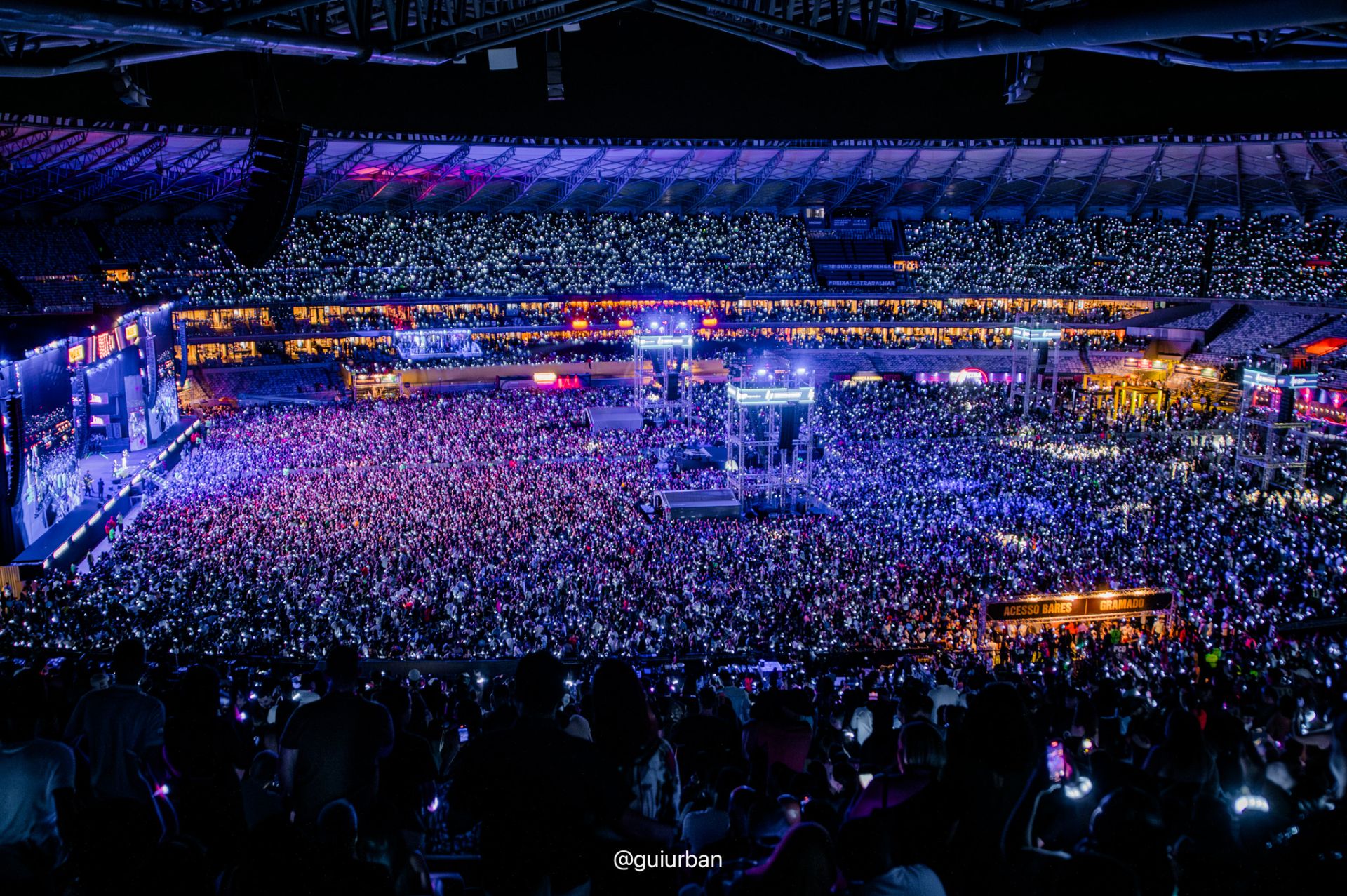
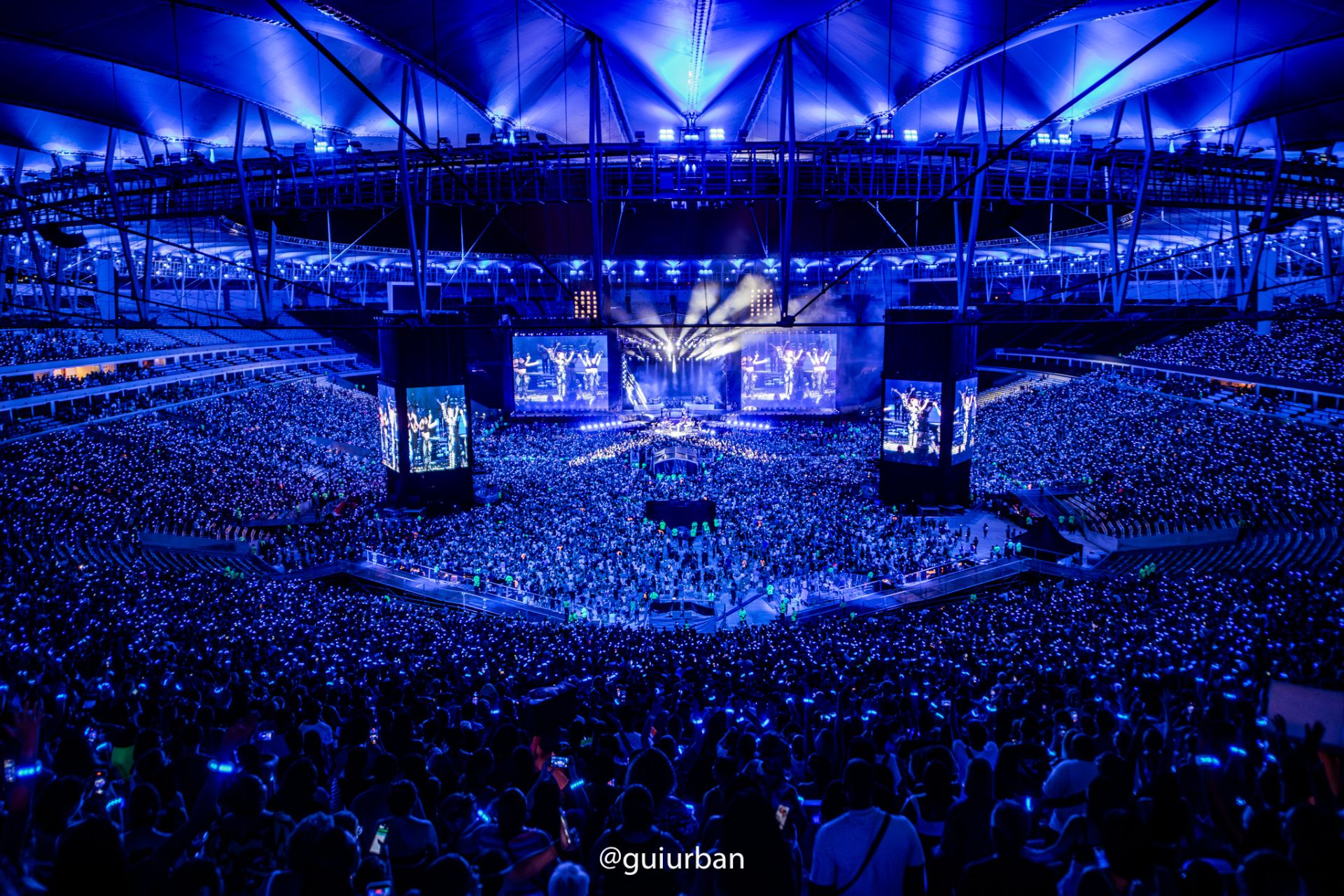
A mass gathering is more than just a collection of individuals; it’s a living, breathing organism. From the electric anticipation at a music festival like PRIMER to the focused energy of a stadium tour for an artist like Maluma, every large-scale event is a complex system of movement, emotion, and interaction. For event producers and tour managers, understanding the dynamics of this system isn’t just about creating a great show—it’s a fundamental aspect of ensuring safety.
Traditionally, crowd management has relied on physical infrastructure, security personnel, and observational analysis. These methods are proven and essential, but they are often reactive. They identify problems—bottlenecks, dangerous surges, or medical emergencies—as they happen. But what if we could build a more predictive and responsive model? What if the crowd itself could communicate its state in real time, not with voices, but with light?
Light as a Data Layer
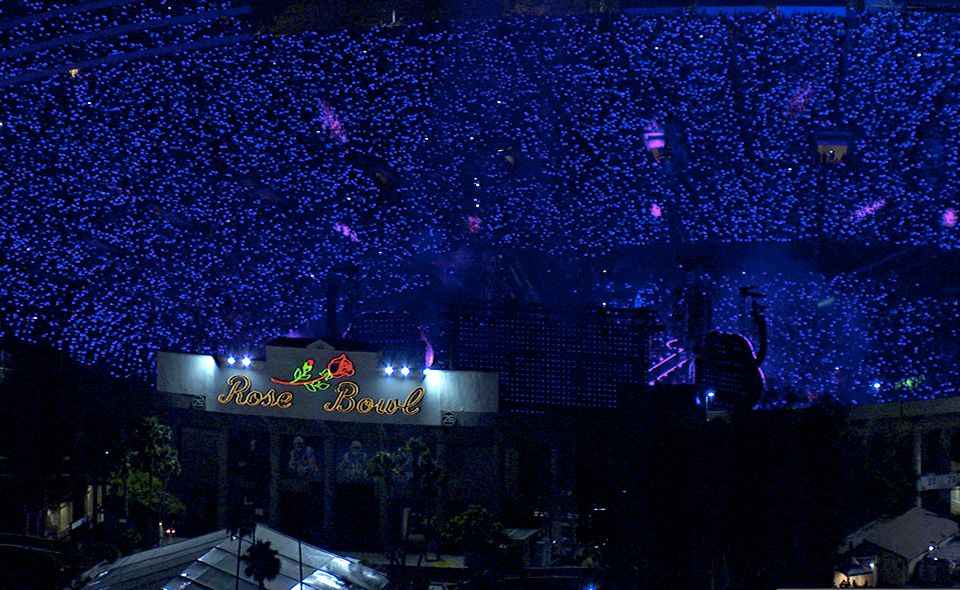
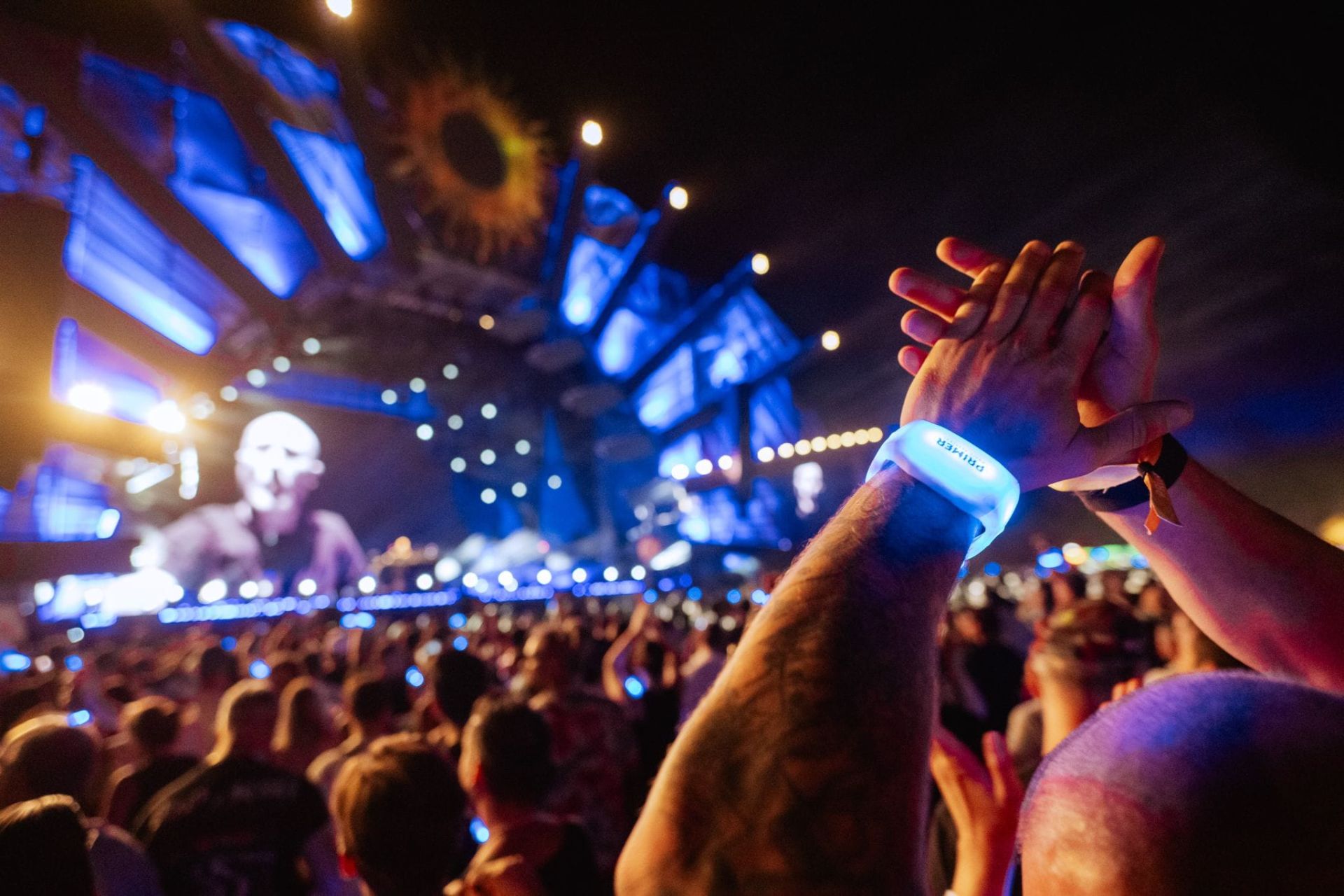
This is where immersive event technology begins to reshape our understanding of crowd analytics. The same LED wristbands and LED lanyards that create stunning visual spectacles also function as a network of data points distributed across the entire audience. Each light is a pixel on a vast canvas, and together, they form a dynamic map of the crowd.
At Xylobands, we pioneered the concept of turning an audience into a light show. But as the technology has evolved, so have its applications. Our systems, which use robust RF, DMX, and infrared protocols, are designed for zero-failure creative execution. This same reliability makes them a powerful tool for operational management. By controlling which wristbands light up and in what color, operators can visualize crowd density, track flow patterns, and identify anomalies from a central command point.
Imagine a scenario: a stadium exit is becoming dangerously congested. By flashing the wristbands in that zone red, security staff can immediately identify the precise location of the problem. Simultaneously, wristbands along alternative, clearer exit paths can be pulsed with a calming green or blue light, subtly guiding people away from the bottleneck without causing panic.
Key Applications in Crowd Analytics and Safety:
- Visualizing Density: By assigning different colors or strobe patterns to specific zones, production managers can get an instant, high-level view of crowd distribution. This is invaluable for identifying underutilized areas or dangerous levels of compaction before they become critical.
- Guiding Movement and Flow: During ingress, egress, or transitions between stages at a festival, pulsing lights can create intuitive pathways. This "digital breadcrumb" approach guides attendees naturally, reducing the need for intrusive signage or verbal commands and minimizing cross-flow friction.
- Emergency Signaling and Response: In a medical or security emergency, an attendee could theoretically trigger a specific signal from their device. More immediately, a section of wristbands can be made to flash a unique, urgent pattern, drawing the immediate attention of response teams to the exact location of the incident, cutting through the noise and chaos.
- Zoned Communication: Need to evacuate a specific seating block? Or direct a particular section to a unique merchandise opportunity? Radio controlled LED wristbands allow for hyper-targeted communication, turning a mass of people into addressable groups. We saw a version of this at the F1 75th-anniversary event, where custom pendants were distributed based on team affiliations and hospitality levels, allowing for differentiated experiences within the same arena.
From Spectacle to Safety: A Paradigm Shift
The beauty of this approach is its subtlety. The technology is already in the hands of the audience as an integral part of the entertainment. The LED crowd experiences designed for a headline artist’s encore—those moments of collective joy that unite thousands—are powered by the same infrastructure that can guide them safely to the exits afterward. The audience doesn’t need to learn a new system or download an app; they are already part of the network.
This dual-use capability represents a significant shift. For decades, event technology has been bifurcated: the "show" tech (lights, sound, video) and the "ops" tech (radios, security cameras). Wearable LED technology bridges that gap. It integrates the audience into both the artistic performance and the operational framework, making them active participants in their own safety.
The Future of Immersive Crowd Management
As we look forward, the potential for data integration will only grow. By combining the real-time location data from LED wearables with other inputs—ticketing data, weather information, even social media sentiment—event producers will be able to build a truly comprehensive, predictive model of their events. They can anticipate crowd movements, dynamically manage resources, and create experiences that are not only more spectacular but also fundamentally safer and more efficient.
From the massive crowds at a Wizkid concert to the focused broadcasts of ITV, managing the people is as critical as managing the performance. The next generation of immersive events will be defined by this holistic approach. By seeing the audience not just as spectators, but as a living data stream, we can create environments that are more responsive, more intelligent, and more secure for everyone. The light show has become the shepherd, guiding the flock with an invisible, illuminated hand.