The Unseen Shepherd: Guiding Crowds and Enhancing Safety with Immersive Event Technology
The Unseen Algorithm of the Crowd
A stadium, a festival field, a sprawling corporate campus—at their core, these are not just venues; they are complex, dynamic systems. Every large-scale event is a living organism, a temporary city with its own pulse, its own patterns of flow and congestion, and its own potential vulnerabilities. For decades, the art of crowd management has been a blend of intuition, experience, and brute-force infrastructure: barriers, signage, and security personnel. But as audiences grow larger and experiences more complex, a new layer of intelligence is becoming essential.
The challenge is immense. How do you guide tens of thousands of people in a way that feels natural, not restrictive? How do you monitor for safety risks, like dangerous overcrowding or medical emergencies, without creating an environment of intrusive surveillance? And how do you gather meaningful data to make next year’s event even safer and more efficient, all while preserving the magic of the shared experience? The answer lies not in more barriers, but in smarter, more connected infrastructure. The answer lies in the light.
From Spectacle to Safety: The Dual Role of Light
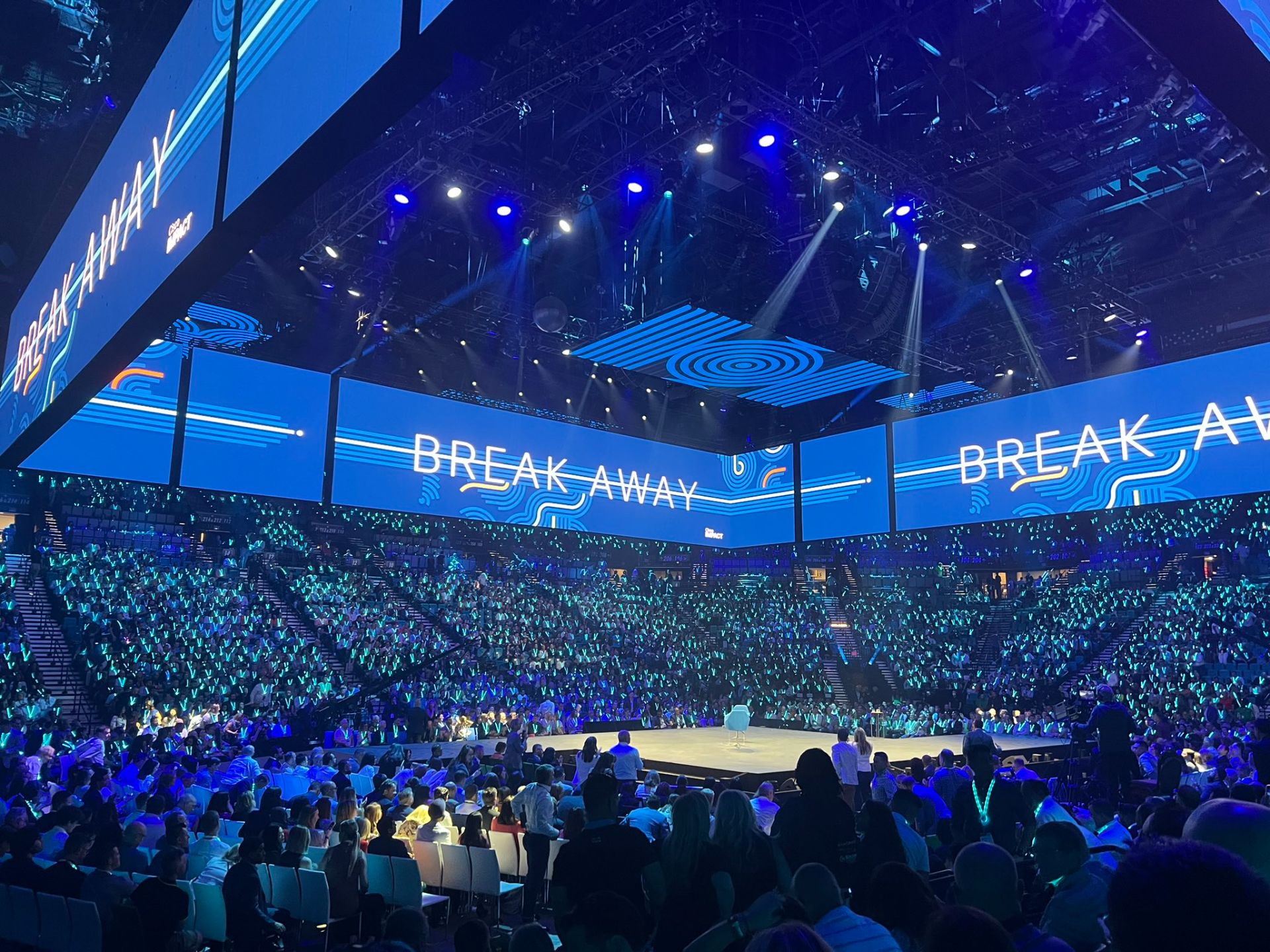
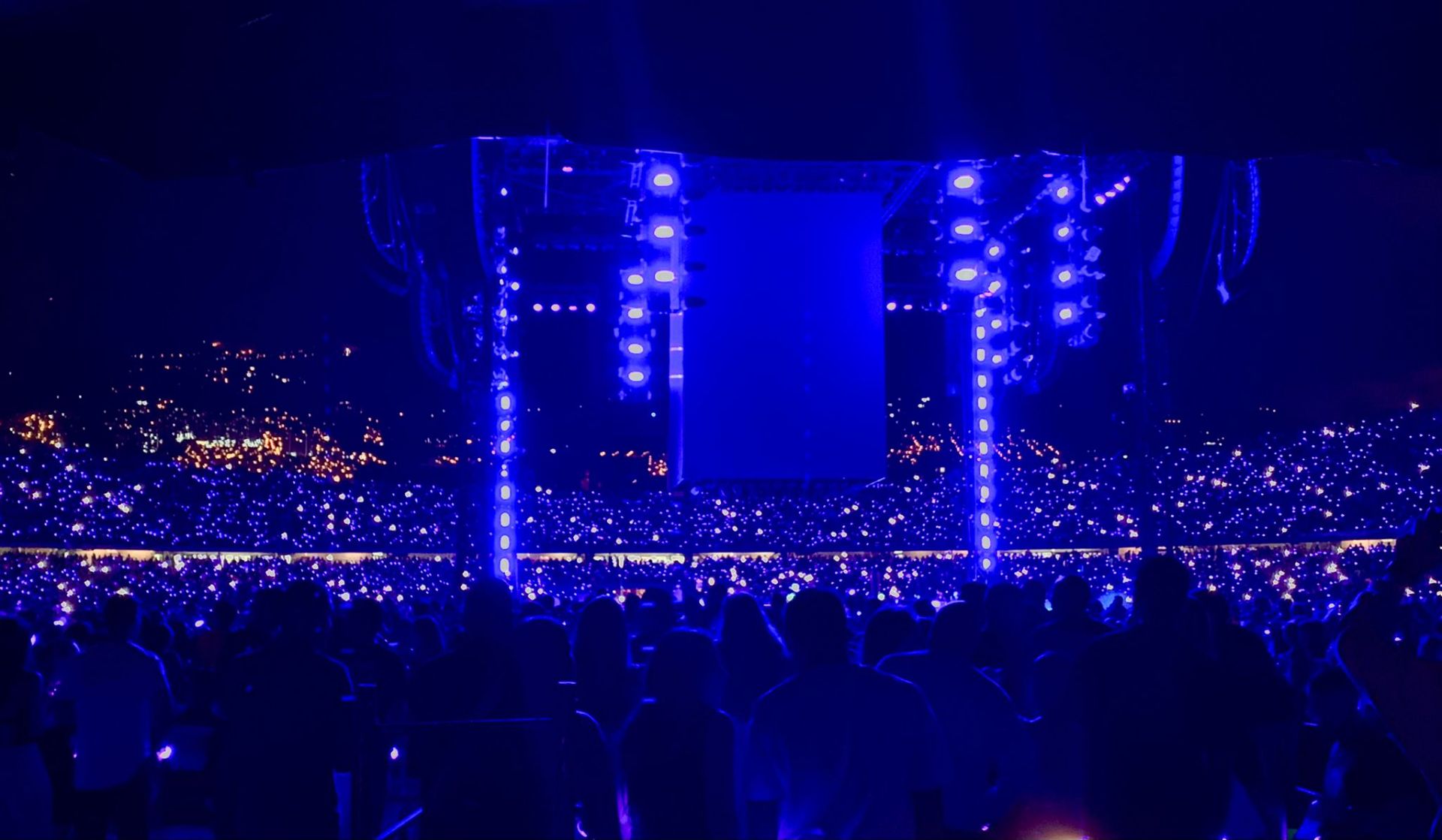
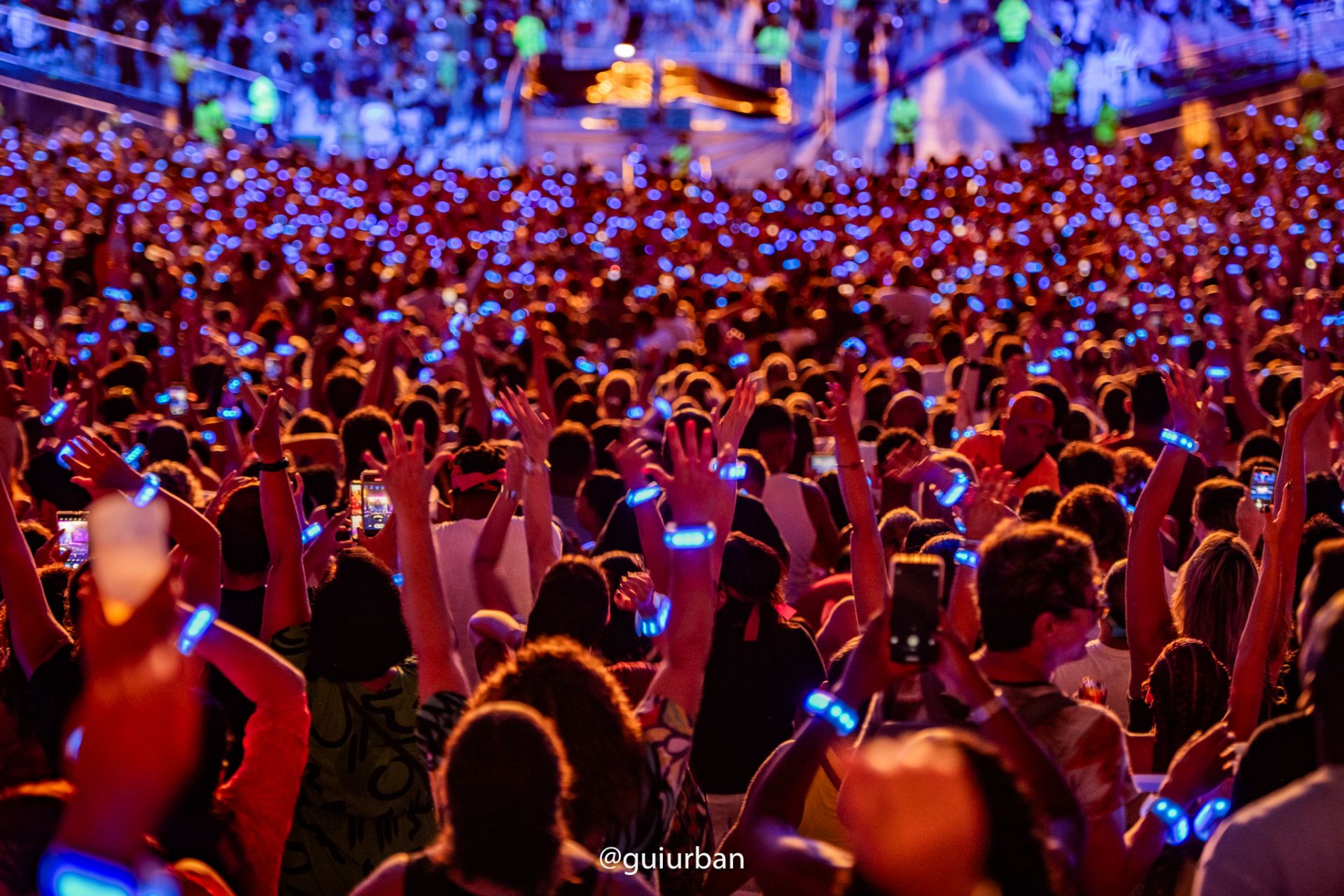
At Xylobands, we built our name on transforming audiences into a canvas of light. Our journey began with an artistic vision: to deepen the connection between the artist and the crowd, making every individual an active participant in the spectacle. This is the world of LED crowd experiences, where technology like our radio controlled LED wristbands turns a passive audience into an instrument of light, moving in sync with the performance. We saw this come to life on global stages, from Coldplay’s legendary tours to Maluma’s historic hometown concert in Medellín, where 54,000 fans became part of a unified visual symphony.
However, the same network that delivers a perfectly timed pulse of light during a chorus can be repurposed for something more profound: safety and guidance. The core technology—a radio-frequency (RF) network connecting thousands of individual points of light—is not just a tool for artists. In the hands of a production manager or security lead, it becomes a powerful tool for crowd management.
Imagine a scenario: a sudden downpour at an outdoor festival sends thousands of attendees scurrying for cover. In a conventional setup, this can lead to chaotic surges, blocked exits, and dangerous bottlenecks. Now, imagine a different scenario. As the rain begins, sections of the crowd’s festival wristbands begin to pulse with a soft, color-coded light, subtly guiding them towards the safest and least congested exits or shelters. It’s not an alarm; it’s a gentle, intuitive nudge, an unseen shepherd guiding the flock.
Key Applications in Crowd Management:
- Dynamic Wayfinding: Instead of static signage, which is often lost in a dense crowd, light can be used to create intuitive pathways. A green pulse can indicate an open exit, while a red glow can signal congestion, rerouting attendees in real-time.
- Zone-Specific Communication: Our systems allow for granular control, enabling operators to communicate with specific sections of the audience. A medical emergency in one zone can be flagged with a specific color pattern, alerting nearby staff without causing mass panic.
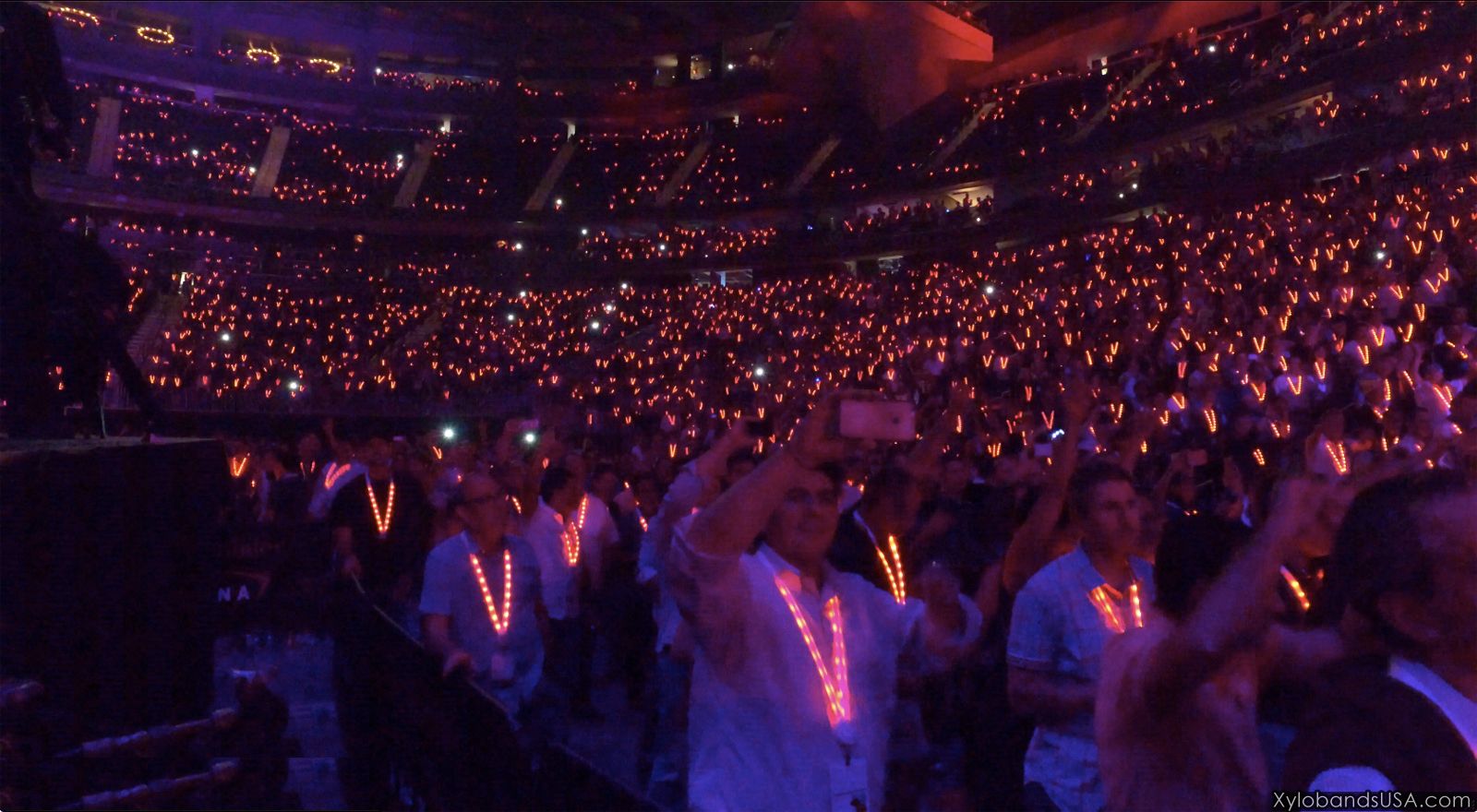
- Access Control and Verification: For complex corporate events or multi-stage festivals, LED lanyards or wristbands can be programmed to light up when a guest enters an authorized zone, simplifying visual checks for security teams.
The Data of the Dance: Analytics for a Smarter Event
Beyond real-time guidance, wearable LED technology opens a new frontier in crowd analytics. While our systems are designed as one-way RF broadcasts for robust reliability—meaning we don’t track individuals’ locations—the operational data itself provides invaluable insights. By analyzing how the system is used, event producers can build a rich, anonymized picture of crowd behavior.
Think of the lighting operator’s console as a data dashboard. Which zones responded quickest to a lighting cue? Which areas required the most directional signaling during exit? How did the crowd flow between different stages or activation points, as indicated by the lighting patterns deployed throughout the event? This is the macro-data of the collective, not the micro-data of the individual. It allows producers to identify potential chokepoints, optimize venue layout, and improve staffing plans for future events, all without compromising attendee privacy.
At large-scale events like the Formula 1 75th anniversary celebration at The O2, where thousands of fans wore custom Xylo Pendants, the deployment itself is a logistical masterclass. The data from distributing and activating those pendants—understanding where different fan groups are seated, how they move through the arena, and how they engage with different parts of the show—provides a powerful feedback loop for future event design. It transforms immersive event technology from a purely creative tool into a strategic asset.
The Human Element in a Technological World
Ultimately, technology is only as effective as the human strategy behind it. The goal is not to automate the human experience, but to augment it. A flashing wristband is not a replacement for a well-trained security steward, but a tool to make their job more effective and their interventions more targeted.
The future of mass gatherings will be defined by this synthesis of human expertise and intelligent, immersive events technology. As events like the PRIMER Music Festival in Greece continue to push the boundaries of the live experience, the underlying systems that ensure guest safety must evolve in tandem. By embedding communication and guidance capabilities directly into the technology that audiences are already wearing, we can create events that are not only more spectacular but also inherently safer and more efficient.
The light show, it turns out, is only the beginning. The same LED bands that create a moment of collective euphoria can also be the unseen guardian, ensuring that every single person is guided, safe, and part of a seamless experience from the first note to the final encore.