The Unseen Signal: How RF, DMX, and Infrared Create Immersive LED Experiences
The Moment of Ignition
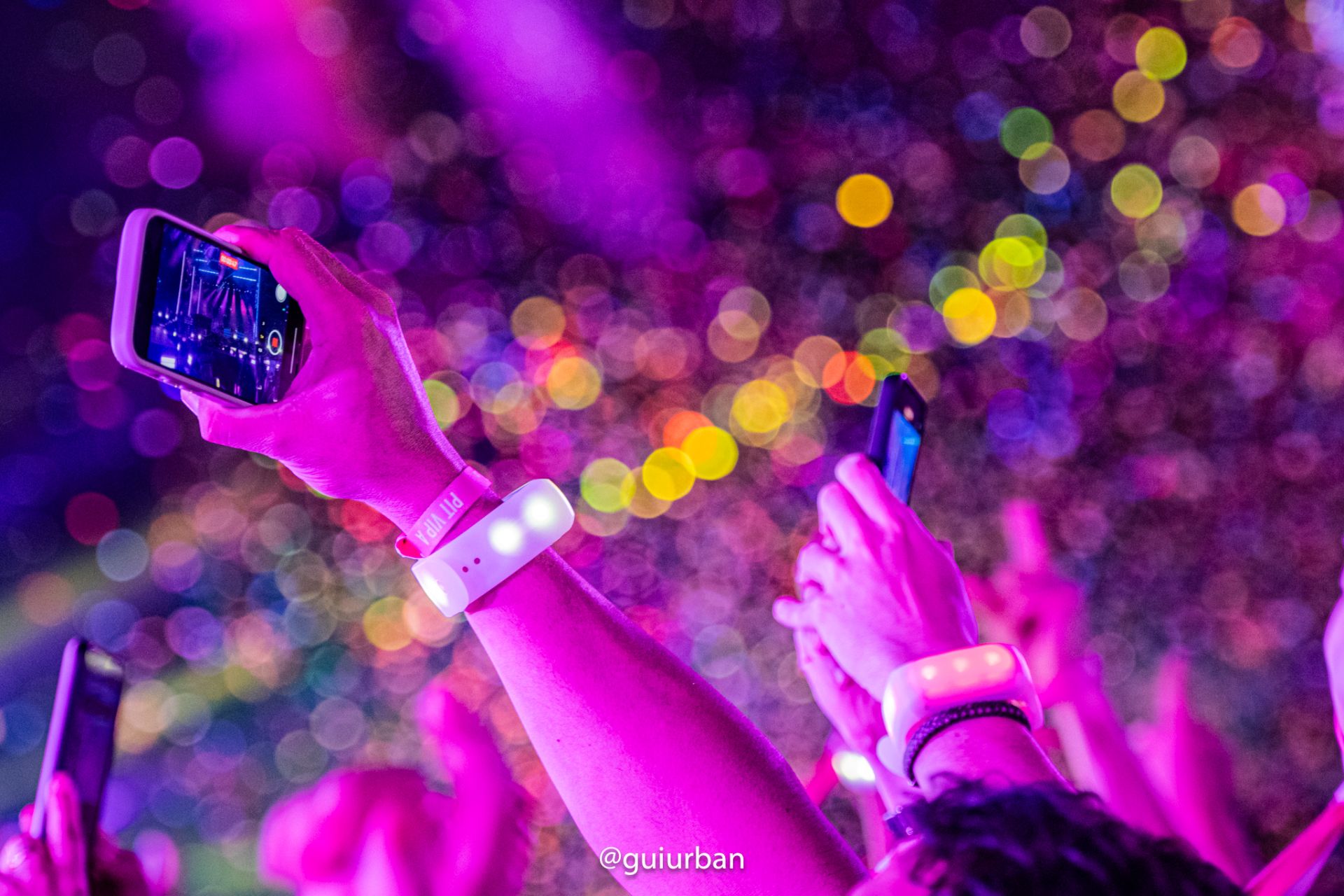
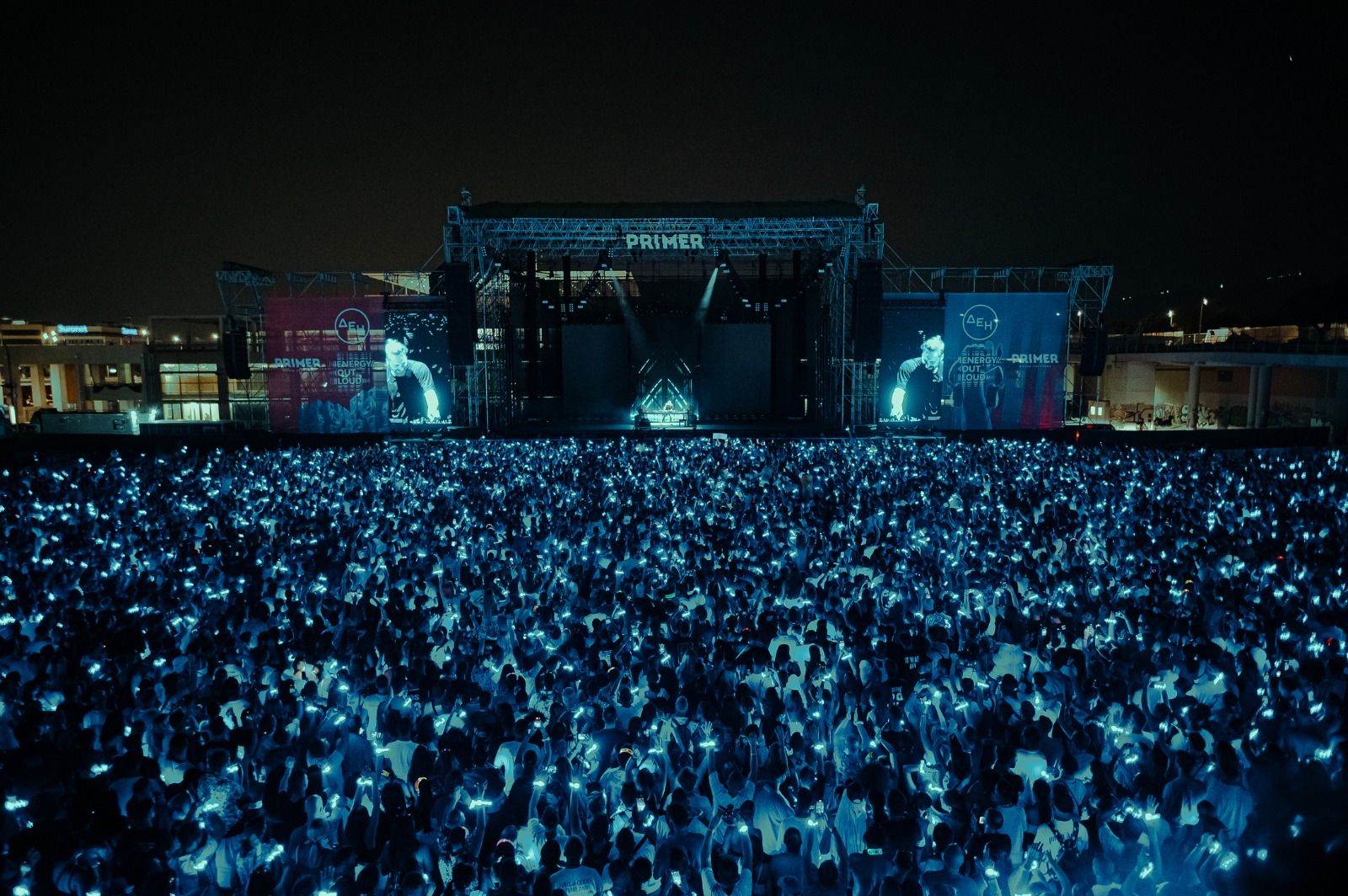
The house lights fall. A breath-held silence descends upon 50,000 people. Then, not from the stage, but from the crowd itself, a wave of light erupts. A single, unified pulse across tens of thousands of wrists, transforming the entire stadium into a living, breathing entity. This is the moment of ignition—a moment of engineered unity that has become a signature of the world’s most ambitious tours, festivals, and broadcasts. But how is it possible? How can thousands of individual points of light be controlled with such precision and artistry?
The answer lies not in magic, but in a sophisticated symphony of wireless technologies. As the pioneers who first brought this vision to life with Coldplay Xylobands, we have spent over a decade perfecting the science of crowd illumination. The "magic" is a carefully orchestrated dialogue between transmitters and receivers, running on a combination of Radio Frequency (RF), DMX, and Infrared (IR) signals. Understanding these core technologies is to understand the architecture of the modern live spectacle.
Beyond the Single Flame: The Principle of Central Control
For decades, audience participation was analogue: lighters aloft during a ballad, a sea of mobile phone screens in the dark. While powerful in their own right, these were individual, uncoordinated gestures. The revolution in LED crowd experiences came with a paradigm shift: from individual lights to a centrally controlled, programmable canvas. The audience was no longer just watching the show; they were becoming the show.
This required robust, scalable, and versatile technology capable of communicating with every single LED bracelet or LED lanyard in a venue, from an intimate corporate gathering to a stadium of 54,000, like Maluma’s landmark hometown concert in Medellín. This is where the technical triumvirate of RF, DMX, and IR comes into play.
The Three Core Technologies of Crowd-Wide Illumination
RF (Radio Frequency): The Engine of the Arena
Radio Frequency is the workhorse of large-scale immersive events. At its core, RF communication involves a central transmitter broadcasting data packets over a specific radio frequency. Each wristband is equipped with a receiver, listening for its instructions. Think of it as a highly specialized radio station, where the "broadcast" is a stream of commands for color, intensity, and effect.
This system is built for scale. Our proprietary RF protocol allows a single transmitter to command hundreds of thousands of individual devices over a range of up to 800 meters.
The power of RF lies in its flexibility. A lighting operator can send a universal command to turn every wristband red, but they can also pre-program groups, or "zones," into the system. This allows for the creation of complex visual chases, waves of color that flow across a stadium, or national flag motifs that segment the audience. For massive outdoor events like music festivals, Radio Controlled LED Wristbands are the indispensable tool for creating a cohesive and stunning visual experience across a vast area, turning a field of fans into a dynamic light show.
DMX Integration: The Language of Light
While RF provides the broad-strokes control, DMX (Digital Multiplex) provides the fine-art integration. DMX is the universal standard protocol used in professional theatre and concert lighting. It’s the language that a lighting designer’s console uses to speak to every moving head, laser, and spotlight in a rig.
By engineering our systems to be controlled via DMX, we allow the Xylobands to become just another fixture in the lighting designer’s toolkit. The audience’s wrists can be programmed and triggered from the very same console controlling the main stage show. This is the key to perfect synchronization. When the on-stage strobes fire, the crowd can fire in perfect time. When a wash of blue light floods the stage, it can seamlessly bleed into the stands. This level of granular control is what elevates a light show into a truly immersive event technology, erasing the boundary between the performance and the spectator and proving critical for high-stakes broadcast events where every cue must be flawless.
Infrared (IR): The Power of Proximity and Precision
Where RF offers range, Infrared (IR) offers precision. Functioning much like a television remote, IR transmitters emit a focused, line-of-sight beam of light (invisible to the human eye) to activate devices in a highly targeted area. While its range is shorter than RF, its use cases are powerful for creating interactive zones and sophisticated corporate event activations.
Imagine attendees at a product launch whose custom LED wristbands change color as they enter a specific demonstration zone. Picture a sporting event where fans in one section are illuminated in team colors as they pass through their designated gate. This is the power of IR. It allows for event-flow-based segmentation and surprise-and-delight moments that are programmable and location-specific. It transforms wearable LED technology from a passive receiver into an active participant in a spatial narrative.
The Symphony of Signals: A Multi-Layered Approach
The most powerful and memorable LED experiences rarely rely on a single technology. They employ a symphony of signals. An arena show might use RF as the primary control system for sweeping, crowd-wide effects. It will then integrate via DMX to ensure those effects are in perfect, artistic harmony with the multi-million-dollar stage production. Finally, it may use IR triggers at entrances or special VIP zones to create targeted, bespoke moments. This multi-layered approach provides a palette of tools for lighting designers and show producers to create truly dynamic and unforgettable moments.
From Signal to Spectacle
The journey from an unseen signal to a stadium-wide spectacle is one of technical precision and creative vision. The technologies of RF, DMX, and IR are more than just hardware; they are the invisible threads that weave thousands of individuals into a collective whole. They are the tools that allow artists, brands, and event producers to paint with light on the grandest canvas imaginable: the audience itself. By mastering this technical language, we move beyond passive viewing and engineer a new, shared reality, turning every event into a landmark of light and connection.