The Weight of the Call Sheet: A Leadership Manifesto for Modern Creatives
The Unseen Weight
The call sheet is more than a schedule; it’s a pact. It’s a document of trust, a complex choreography of talent, technology, and time. For the tour manager, the production head, or the creative director, its weight isn’t measured in paper, but in the careers, investments, and expectations it represents. Leadership in the modern live experience economy isn’t about wielding authority; it’s about shouldering this immense and unseen weight.
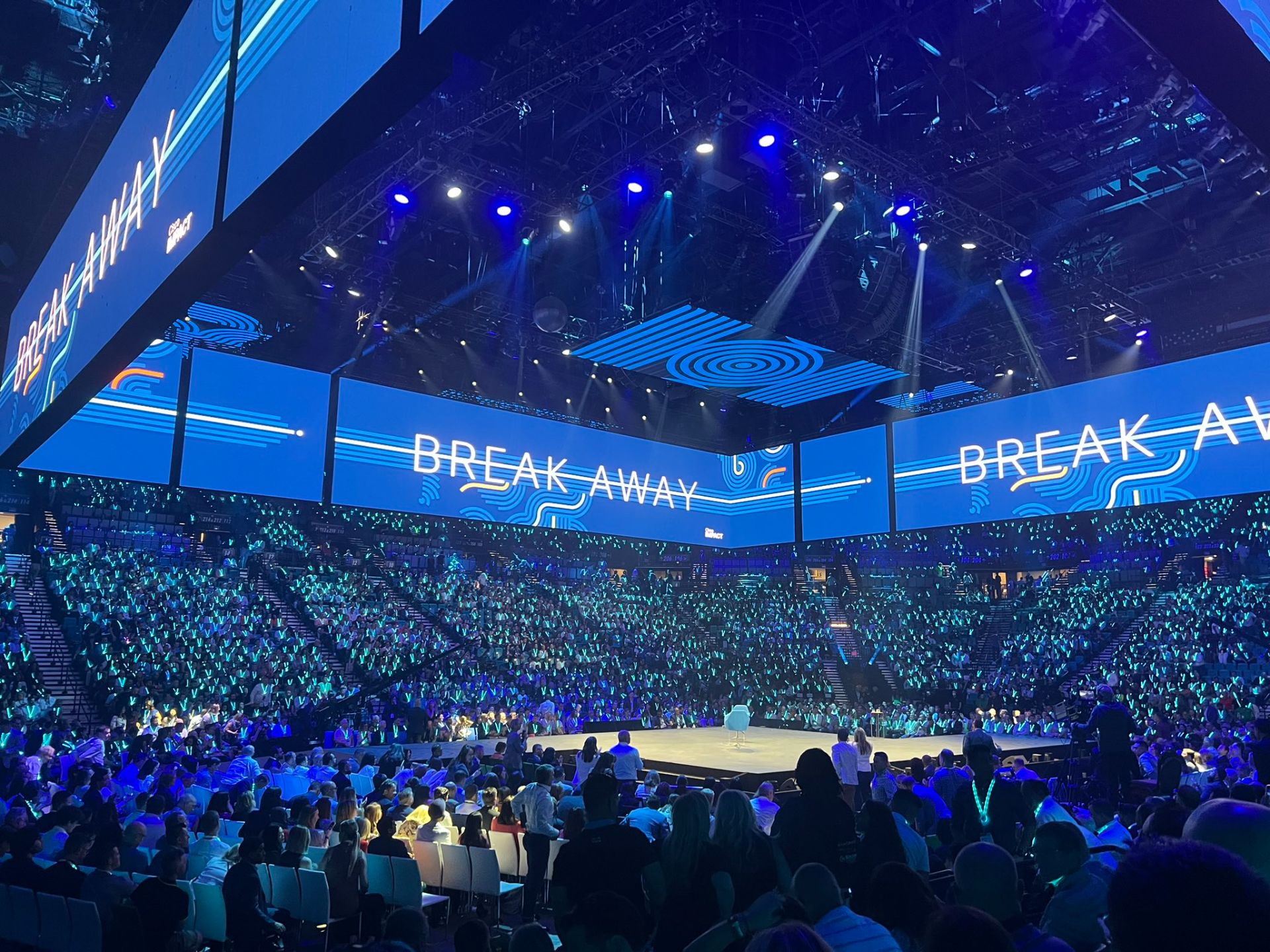
From a stadium tour for an artist like Maluma or Wizkid to a global broadcast for Formula One, the core challenge remains the same: orchestrating a vast, unseen army of specialists toward a single, flawless moment. This requires a unique form of leadership — one that blends the logistical precision of a military operation with the empathetic vision of an artist.
The Choreography of Trust
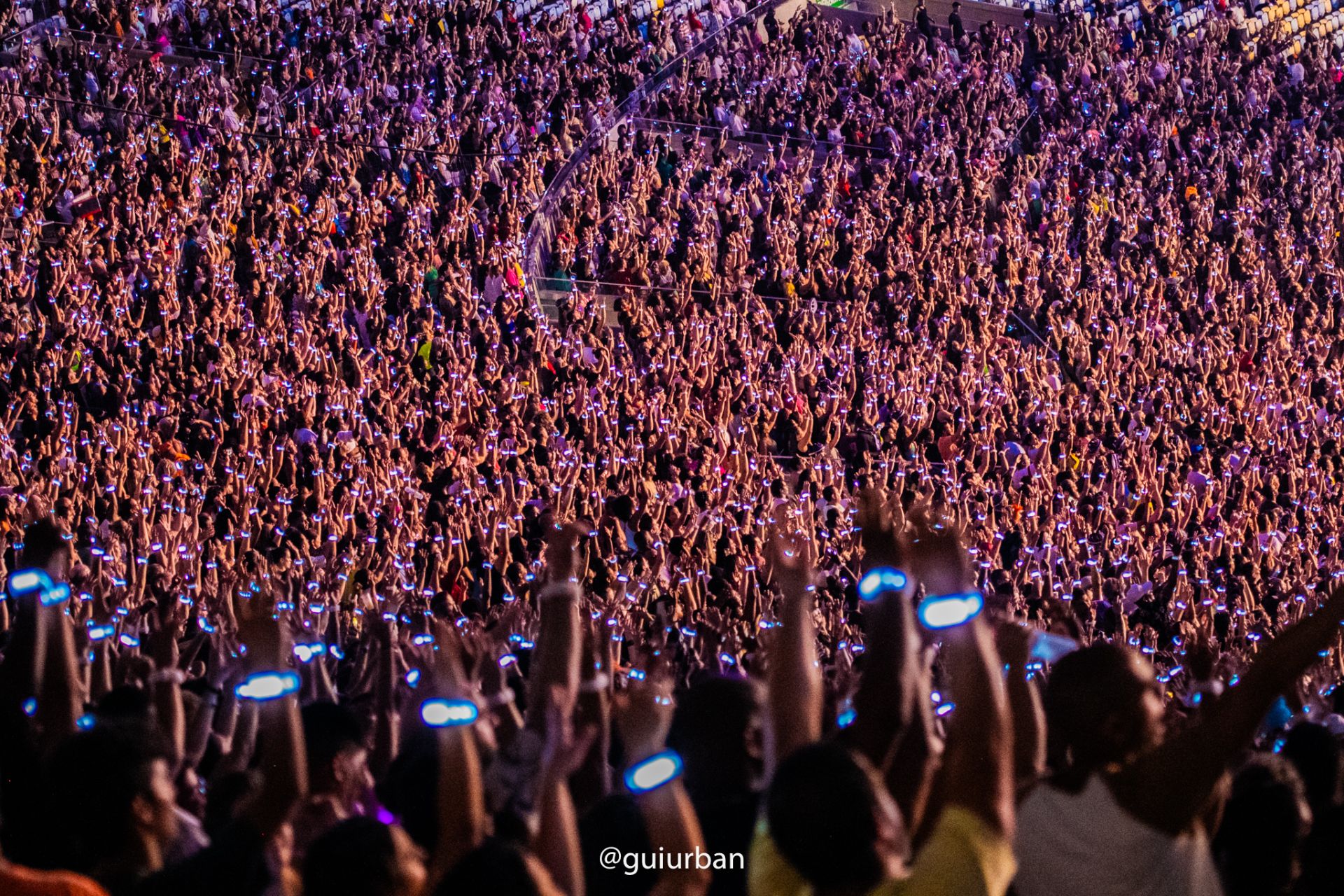
At its heart, a major production is a network of dependencies. The lighting designer trusts the rigging team. The audio engineer trusts the power distribution is flawless. The artist trusts that every element, from the video wall content to the LED wristbands on the audience, will fire on cue. This chain of trust is the most critical piece of infrastructure on any project. Without it, even the most brilliant creative concept will collapse.
Building this trust is an active, intentional process. It begins long before the first truck is loaded.
- Radical Transparency: Clear, honest, and consistent communication is the bedrock. This means sharing the "why" behind decisions, not just the "what." When a team understands the strategic or creative intent, they are empowered to problem-solve proactively.
- Delegation as Empowerment: True leaders don’t micromanage; they delegate outcomes, not tasks. They entrust their department heads with the autonomy to execute their specialisms, creating a culture of ownership and accountability.
- Shared Language: A production brings together disparate tribes—creatives, technicians, logisticians, and managers. The leader’s role is to act as the interpreter, forging a shared language and a unified understanding of the project’s goals.
"Leadership in this sphere means creating an environment where a thousand moving parts, both human and technological, can synchronize into a single, cohesive story. It’s the art of building a high-trust ecosystem."
The Atlas and the Artist
Every major live experience balances two opposing forces: the boundless ambition of the creative vision (the Artist) and the finite realities of physics, budget, and time (the Atlas). The modern production leader must be both. They must be able to speak the language of imagination and the language of logistics with equal fluency.
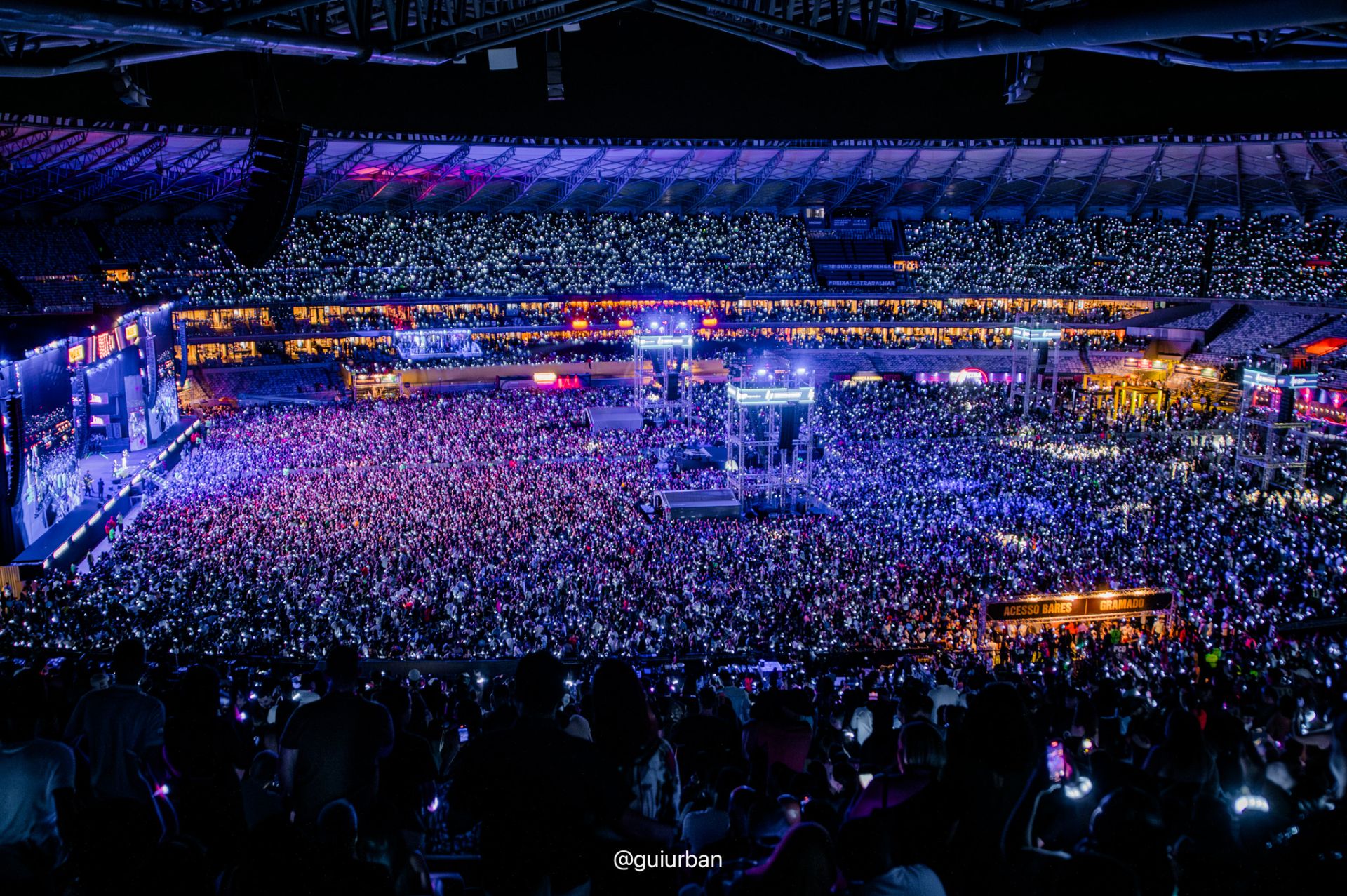
Consider the task of integrating immersive event technology into a global tour. The creative director might envision a stadium of 50,000 fans transforming into a pulsating, living canvas of light. This is the "Artist" vision. The "Atlas" reality involves navigating RF spectrum management across different countries, designing a robust distribution and collection system for wearable LED technology, and ensuring the programming integrates flawlessly with a complex master show file.
This is where deep vendor partnerships become a force multiplier. When working with specialists like Xylobands, the conversation isn’t just about supplying a product; it’s a collaboration. It’s a dialogue about creative possibilities, logistical constraints, and technical integration. We’ve seen this firsthand on projects from the opening ceremonies of the Davis Cup to massive festival stages like Primer Music Festival. The most successful outcomes arise when the production leadership treats us not as a supplier, but as a trusted extension of their own creative and technical team.
The Burden of the Final 5%
Getting a show 95% right is the baseline. It’s expected. The final 5%—that razor-thin margin between professional execution and transcendent magic—is where true leadership is forged. It’s in the relentless attention to detail, the exhaustive contingency planning, and the courage to make high-stakes calls under immense pressure.
This is the work that the audience never sees but always feels. It’s the seamless transition, the perfectly timed lighting cue, the moment a stadium of individual lights becomes a unified, collective gasp. It’s understanding that for the audience, the technology is invisible; only the experience is real. Whether it’s Xylobands lighting up a crowd or a flawlessly executed pyro hit, the goal is the same: to erase the distinction between the stage and the seats, creating one unified, immersive world.
The Unseen Command Chain
Ultimately, the weight of the call sheet is the weight of the audience’s trust. They have invested their time, their money, and their emotion. Your job, as a leader, is to honor that investment with a flawless experience. You are the unseen conductor, the invisible architect, the final link in a command chain that begins with a spark of an idea and ends in a stadium-wide roar of approval.
This requires more than just technical proficiency or creative flair. It requires a deep well of resilience, a capacity for high-stakes problem-solving, and an unwavering commitment to the shared goal. In an industry of spectacle, the most powerful leadership trait is the quiet, unseen ability to carry the weight and deliver the moment, every single time.