From Ancient Echoes to LED Waves: A History of Audience Participation
The Primal Urge to Participate
From the earliest human gatherings, the line between performer and spectator has been fluid. Ancient rituals, tribal ceremonies, and the call-and-response chants of Greek theatre were all fundamentally interactive. The audience wasn’t a passive recipient; they were an integral part of the event, their energy and reactions shaping the proceedings in real-time. This primal urge to connect, to be part of something larger than oneself, is a deeply ingrained human trait. It’s the same impulse that makes us sing along at a concert, do the wave at a stadium, or feel a profound sense of unity in a crowd.
The Rise of the Passive Audience
Over centuries, however, a separation began to occur. The formalisation of performance venues, the rise of proscenium arches, and a cultural shift towards reverent silence in theatres and concert halls gradually recast the audience as a silent, passive observer. The focus narrowed to the virtuosity on stage, and the collective, participatory energy of earlier eras receded. The spectacle was something to be consumed, not co-created. This model dominated for centuries, a one-way transmission of art from the performer to the public.
The Analog Rebellion: Lighters, Voices, and The Wave
The 20th century saw the first stirrings of a rebellion against this passivity. The folk revival of the 1960s brought back the singalong. Rock concerts saw the spontaneous emergence of the lighter-in-the-air moment, a grassroots phenomenon that transformed stadiums into flickering constellations. It was a simple, powerful act of analogue participation, a way for individual audience members to signal their presence and contribute to the visual tapestry of the show. In sports, the stadium wave became a global symbol of collective action, a low-tech, high-impact display of synchronized human energy.
These were pivotal moments. They demonstrated a clear, unmet demand for deeper engagement. The audience wasn’t content to just watch and listen; they wanted to be seen, to be acknowledged, and to be part of the spectacle itself.
The Digital Dawn: From Niche Tech to Global Phenomenon
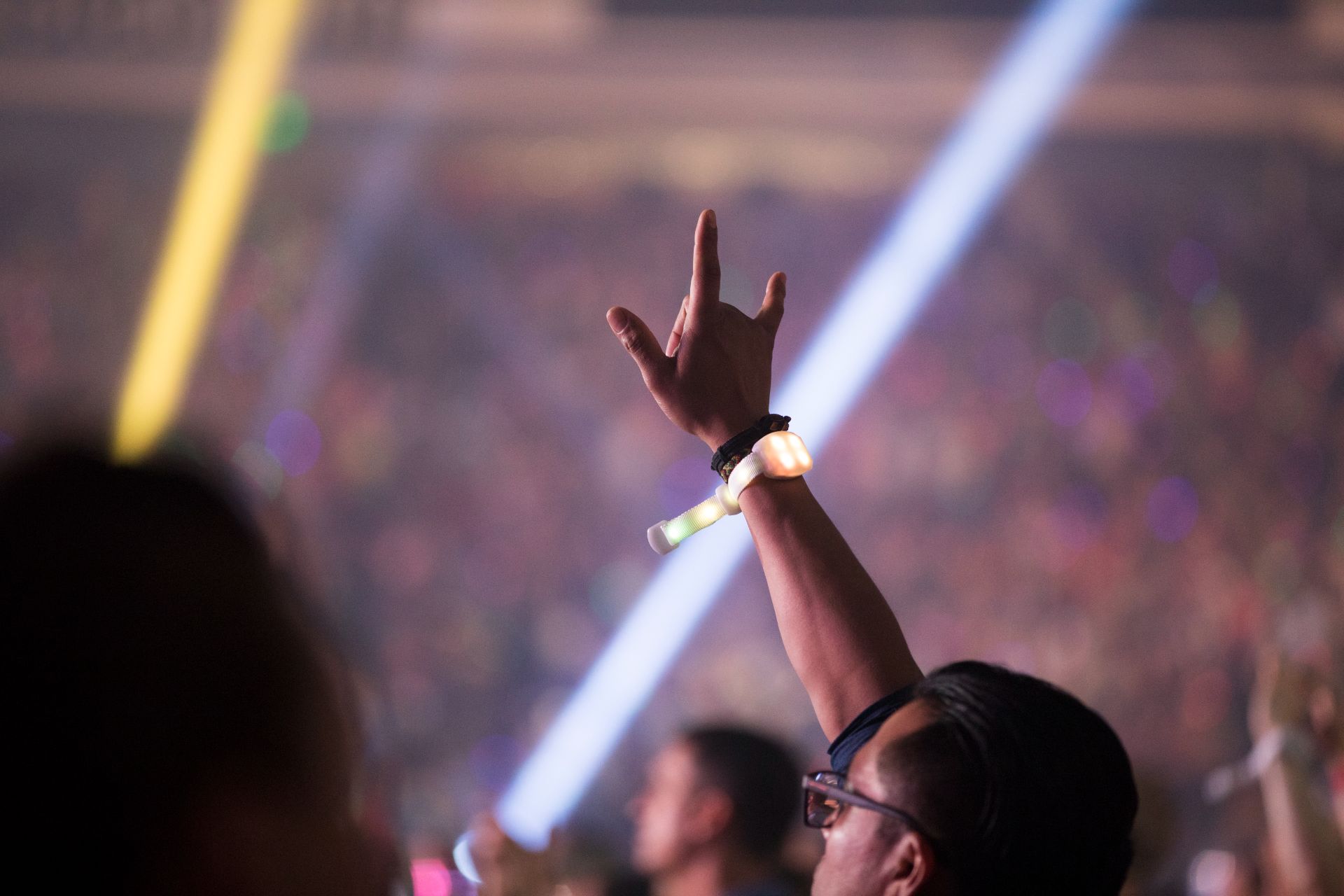
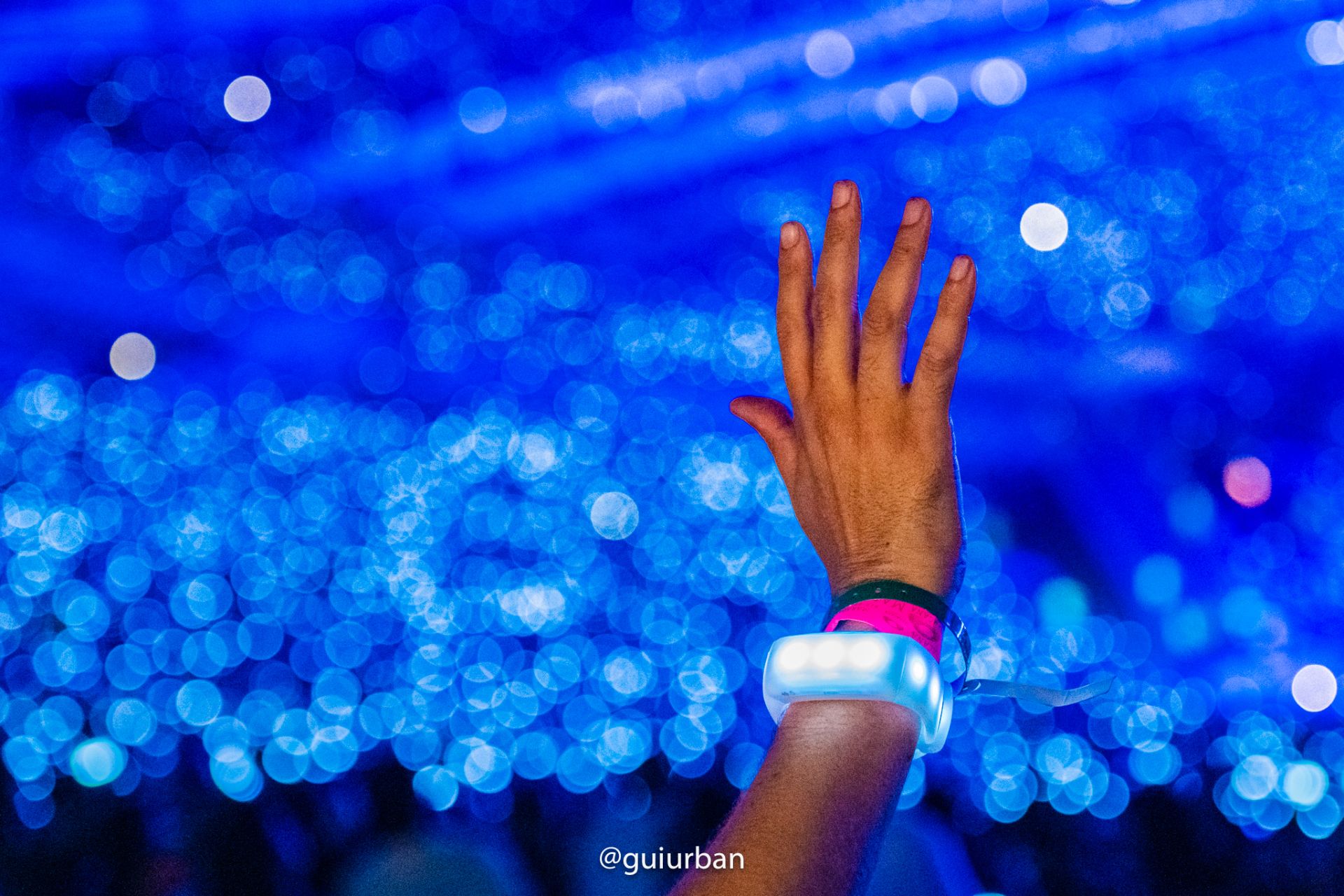
The true paradigm shift arrived with the advent of accessible wireless technology. In 2011, a visionary moment at Glastonbury Festival during a Coldplay performance sparked the invention of Xylobands. The idea was to harness radio-frequency technology to turn every audience member into a pixel in a vast, moving canvas of light. The concept of radio controlled LED wristbands was born not in a lab, but from a genuine desire to deepen the artist-fan connection.
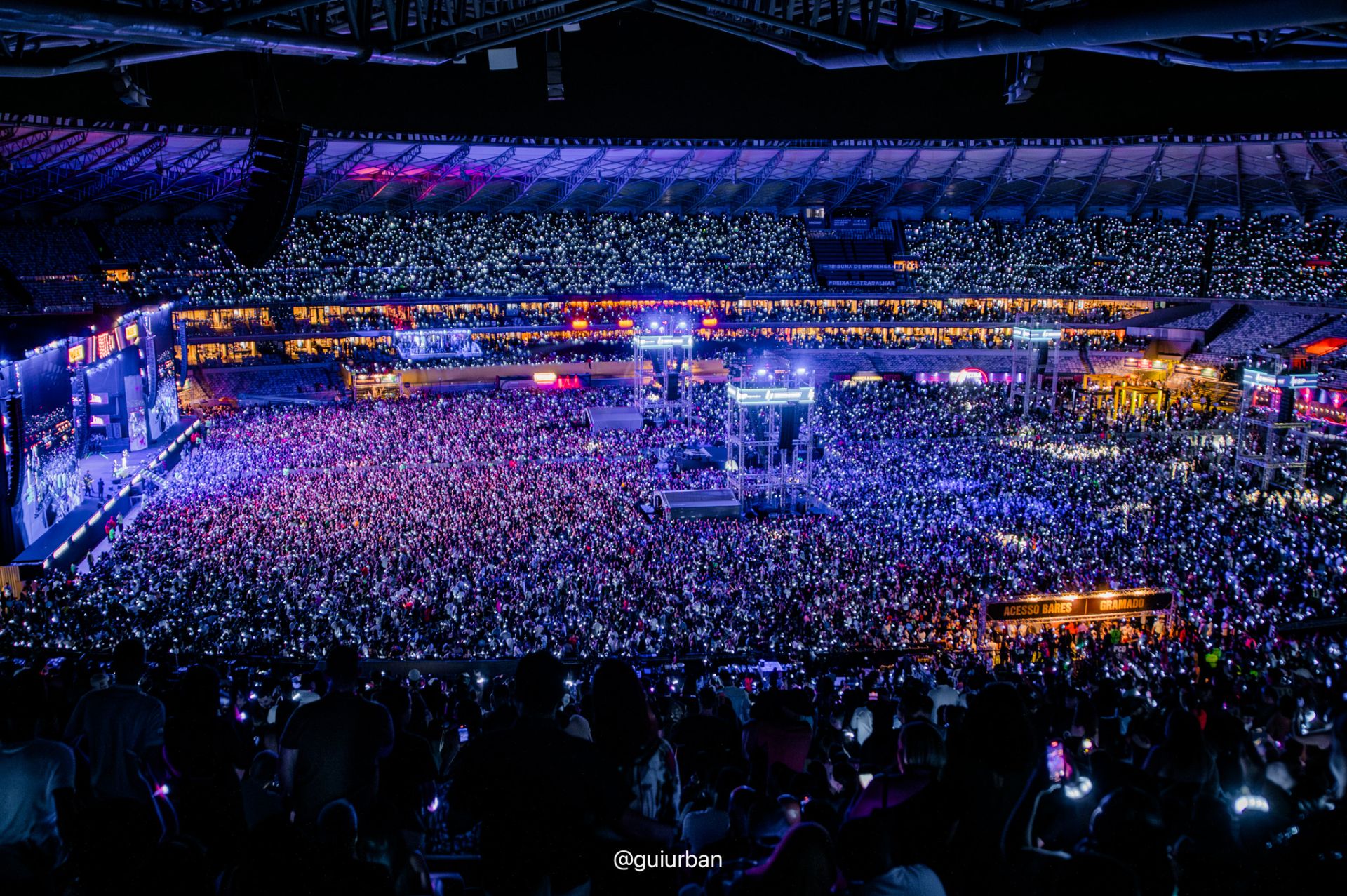
This innovation transformed the audience from passive observers into an active, illuminated extension of the performance itself. When Coldplay took their Mylo Xyloto tour global in 2012, the sight of entire stadiums pulsing with synchronized light created a new visual language for live events. Suddenly, the crowd wasn’t just watching the show; they were the show. This marked the birth of modern LED crowd experiences.
Key Technological Milestones:
- RF (Radio Frequency): The foundational technology allowing for real-time control over thousands of devices, enabling sweeping, synchronized effects across massive venues.
- Infrared & DMX: The integration of these protocols allows for more granular, zone-based control, enabling lighting designers to create complex, layered visual narratives within the crowd.
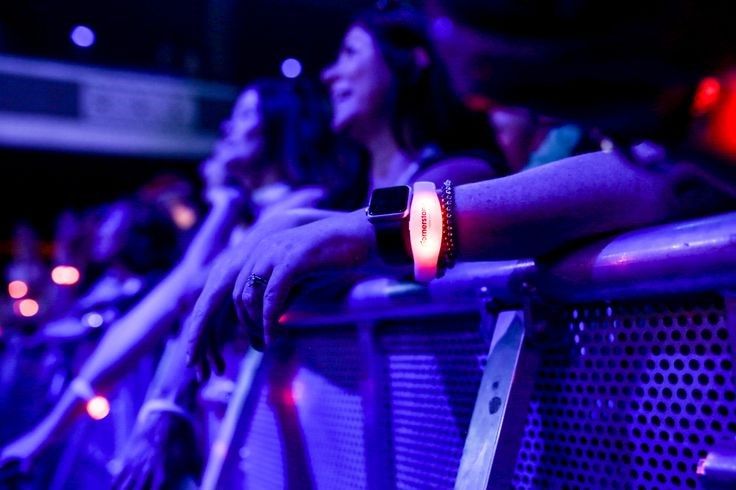
- Wearable Miniaturization: Advances in electronics have made it possible to embed sophisticated technology into comfortable, reusable devices like LED wristbands, LED lanyards, and even LED orbs.
The Modern Era: Immersive Event Technology as the New Standard
Today, the principles pioneered by Xylobands have become a cornerstone of the live experience industry. It’s no longer a novelty but an expectation. From the high-octane halftime shows of major sporting events like the Davis Cup to the electric atmosphere of music festivals like Greece’s PRIMER, immersive event technology is reshaping how we gather.
The technology has evolved to become more sophisticated and versatile. Modern systems allow for:
- Complex Crowd Choreography: Designers can isolate specific sections, create dynamic patterns, and spell out words or logos, turning the audience into a living, breathing digital billboard. This was powerfully demonstrated at the Formula One 75th-anniversary event, where custom pendants for each team allowed for highly specific visual effects.
- Artist-Driven Interaction: Performers can now control the light show from the stage, creating a direct, interactive dialogue with their fans.
- Enhanced Broadcast Experiences: For televised events like those produced by ITV, the technology creates a visually stunning backdrop, engaging the at-home audience just as much as the people in the room.
- Corporate Storytelling: For corporate event activations, this technology moves beyond simple branding to create genuine moments of collective identity, turning employees or clients from spectators into active participants in the brand’s narrative.
The Future: A Fully Sentient Environment
The evolution is far from over. As wearable technology becomes smarter and more integrated, we are moving towards a future where the entire event environment is sentient and responsive. The data generated by wearable LED technology can inform crowd management and safety protocols, while the creative possibilities continue to expand. The next generation of immersive events will likely feature even greater personalization, interactivity, and sensory integration.
What began as a primal human need to participate has come full circle. From the shared chants of an ancient amphitheater to the synchronized glow of millions of LED bands, the goal remains the same: to dissolve the boundary between the artist and the audience, creating a singular, unforgettable moment of shared experience. The technology has changed, but the human desire for connection is, and always will be, the driving force.