The First Wave: Anatomy of a Flawless Technical Rollout
The Unseen Current
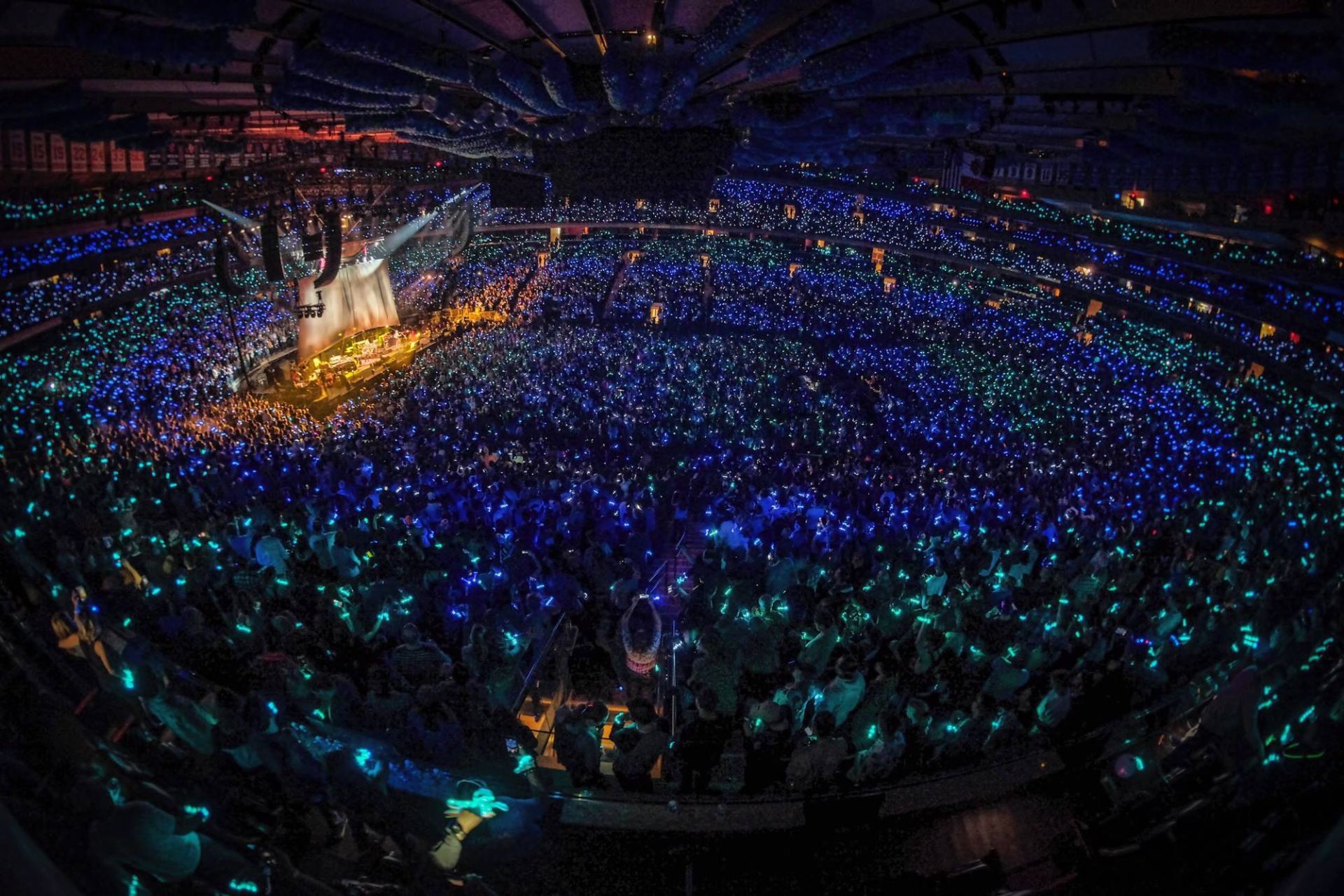
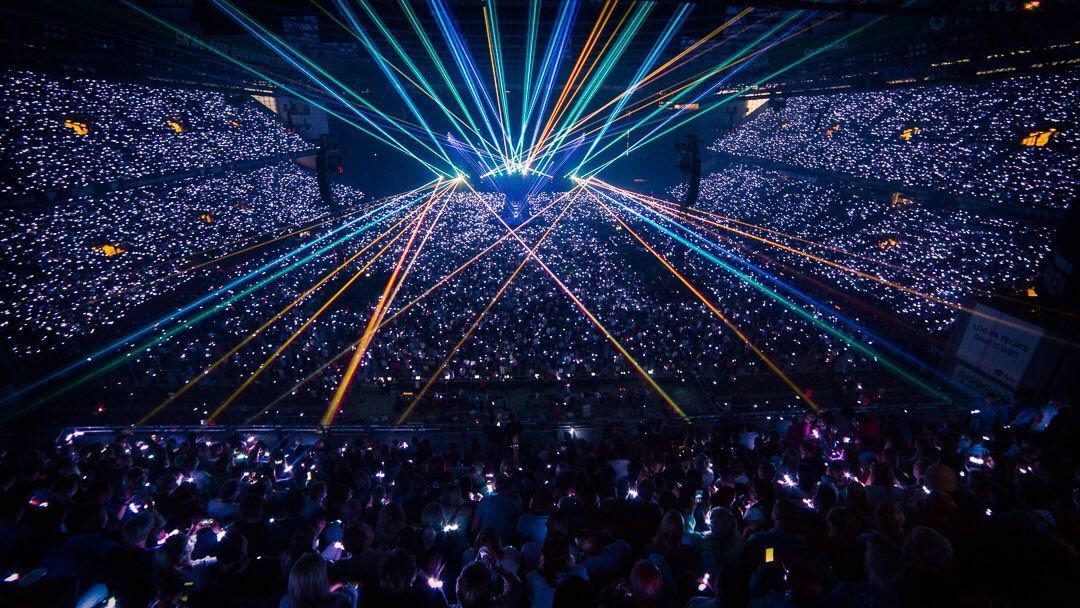
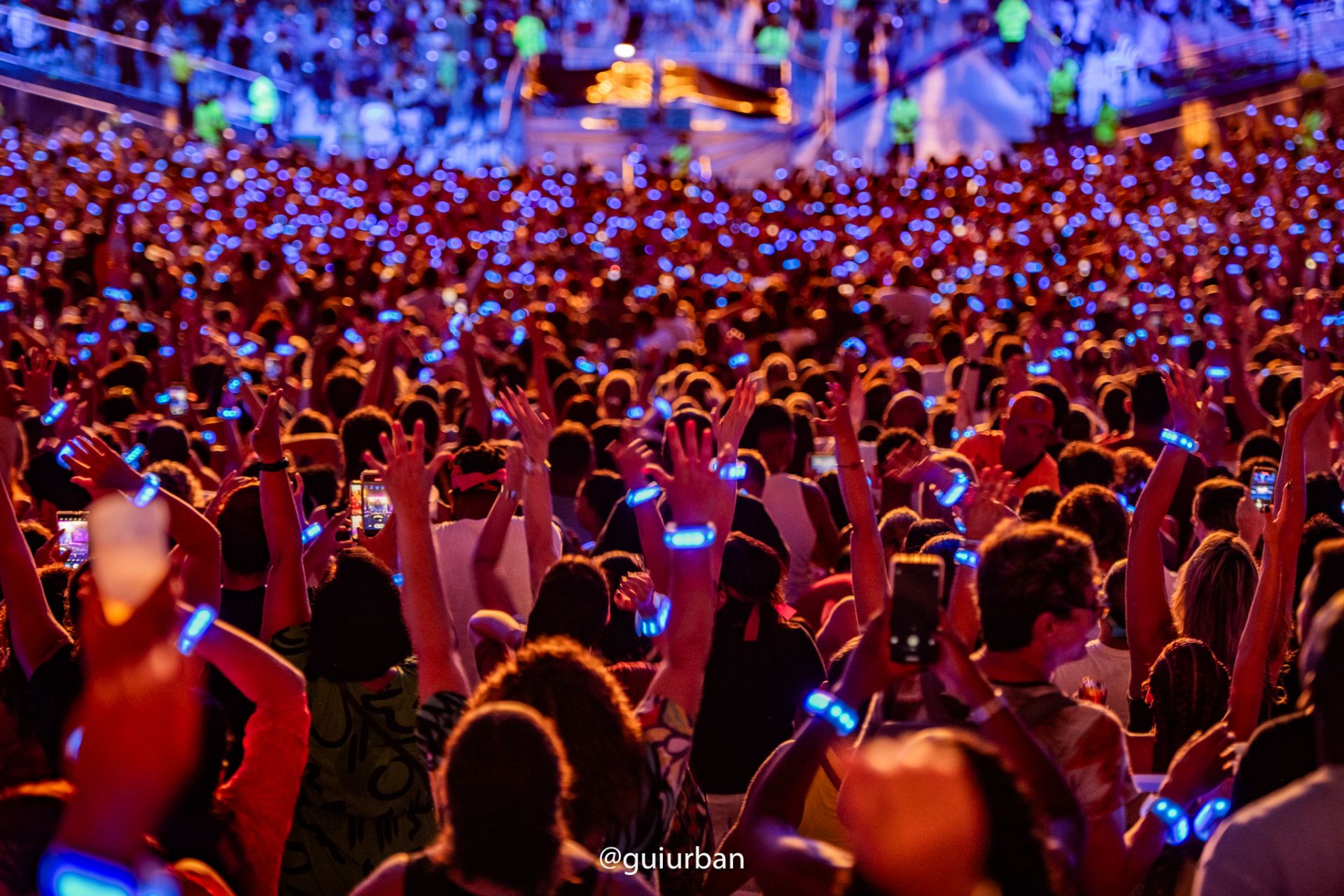
For the audience, it begins with a flash of light. A sudden, collective gasp as thousands of individuals are united in a single, pulsing wave of colour. For the artist, it’s the moment their vision transcends the stage and engulfs the entire arena. But for the technical teams behind the curtain, this moment is not a beginning; it’s the culmination of an intensely choreographed logistical and technical ballet that began weeks, if not months, earlier.
Executing large-scale immersive events is a discipline of precision, foresight, and military-grade coordination. The journey from a warehouse pallet to a stadium of synchronised light is a complex, multi-layered operation. This is the unseen world of the technical rollout—a process where success is measured in flawless execution and failure is not an option.
Phase One: The Strategic Blueprint
Every successful rollout begins not with a truck, but with a plan. This initial phase is a deep dive into the creative and practical requirements of the show. It involves close collaboration between our team, the event producers, and the artist’s creative director.
- Creative Integration: What is the narrative of the show? Is the lighting meant to be explosive and chaotic, or subtle and atmospheric? We dissect the setlist, lighting cues, and broadcast requirements to design a technical map for the LED crowd experiences. For a broadcast-heavy event like the Formula One 75th Anniversary, this meant creating specific lighting states that would translate powerfully both in The O2 Arena and for millions watching globally.
- Venue Logistics: Every venue has a unique DNA. We analyse architectural drawings, seating charts, and access points. Key questions include: Where can we safely and securely store pallets of wristbands? What are the optimal locations for our radio-frequency transmitters to ensure 100% signal coverage? How will we manage distribution to 50,000 people without creating bottlenecks?
- Risk Mitigation: What if a shipment is delayed? What if there’s a local power fluctuation? The blueprinting phase involves creating contingency plans for every conceivable challenge. This ensures that when our team arrives on-site, they are prepared not just for the plan, but for any deviation from it.
Phase Two: Deployment and Distribution
With the strategy locked, the physical operation begins. This is where the sheer scale of the production becomes tangible.
The Science of Seating
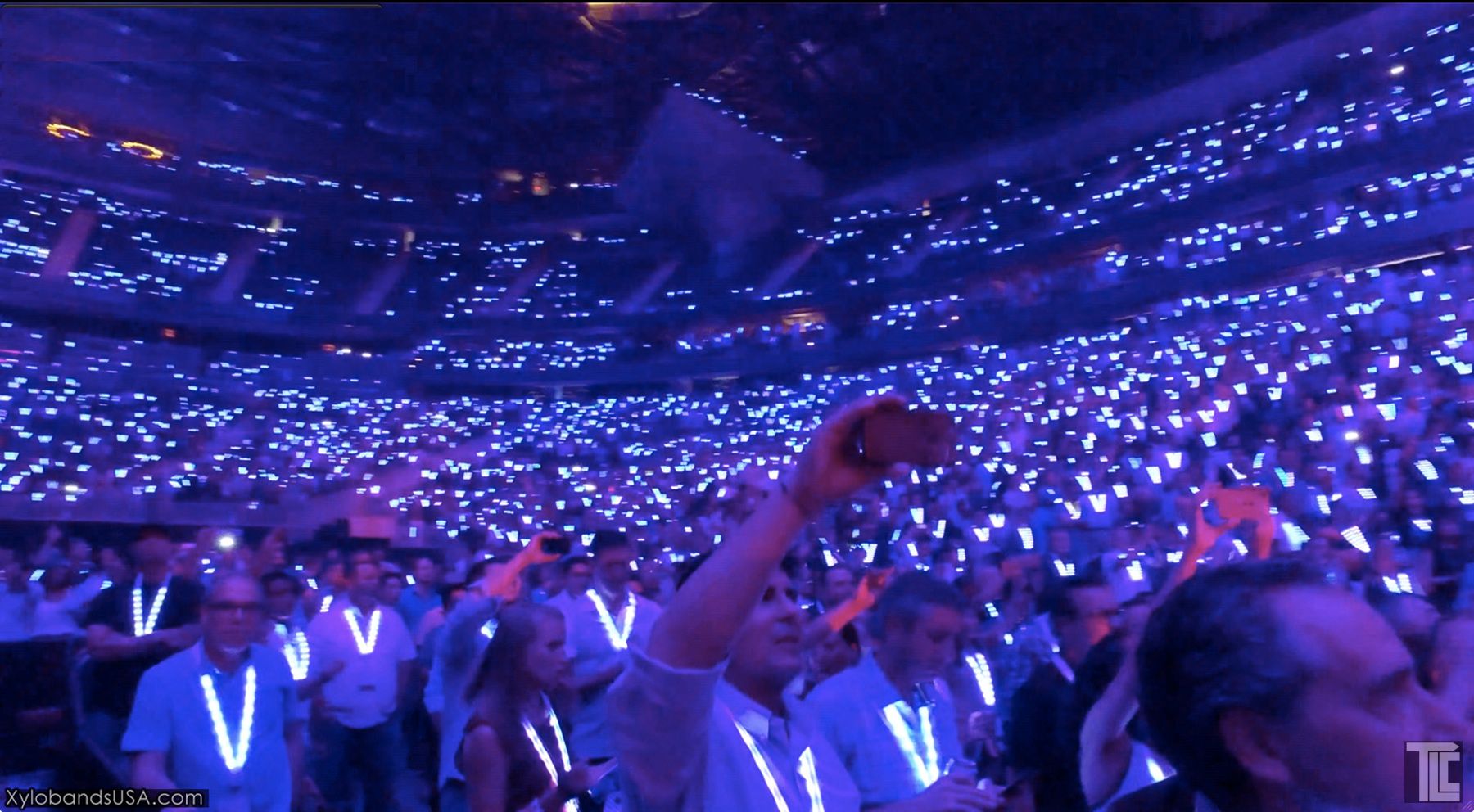
Distributing tens of thousands of custom LED wristbands is a science in itself. It’s rarely as simple as leaving a band on every seat. For complex shows, a technique known as “seat-plotting” is essential. This involves programming specific wristbands for specific sections of the arena. This allows lighting designers to create sophisticated visual effects—chases of light that sweep across a stadium, spelling out words, or creating team colours in distinct blocks, as we executed for the Davis Cup.
For the F1 75 celebration, our team meticulously placed 13,000 custom Xylo Pendants based on a detailed map. The pendants were pre-programmed to correspond with different hospitality levels and fan sections, allowing the show’s creative team to paint with light across the entire arena, creating dynamic, branded moments for each Formula One team.
Our distribution or “Distro” team moves with quiet efficiency, placing each unit with purpose. This meticulous work ensures that when the show starts, the LED event technology functions as a cohesive, venue-wide canvas.
Phase Three: The Technical Backbone
Parallel to the physical distribution, the technical heart of the operation is installed. This is the hardware and software that transforms thousands of individual lights into a single, sentient entity.
Signal Integrity and Control
Our proprietary system of radio controlled LED wristbands is governed by a network of transmitters. The placement of these units is critical for flawless signal coverage. Our technicians conduct extensive site surveys to identify optimal locations, accounting for architectural quirks, metallic structures, and potential signal interference. Redundancy is key; multiple overlapping transmitter zones ensure that every single wristband—from the front row to the highest tier—receives its cue instantly and reliably.
The control station, typically situated at the front-of-house (FOH) position alongside sound and lighting engineers, is the command centre. Here, our operators work in lockstep with the show’s director. They can trigger pre-programmed sequences, but just as importantly, they can take manual control, reacting to unplanned moments—an unexpected encore, a guest appearance, or a shift in the crowd’s energy. It was this blend of programming and live intuition that helped make Maluma’s historic Medellín concert, streamed to over 240 countries, a truly dynamic spectacle.
The Final Mile: Show Time and Beyond
The moments before the house lights go down are a period of intense, focused calm. Systems are triple-checked. Communication lines are verified. The team stands ready.
When the first cue is triggered, it is the validation of this entire unseen process. The sudden, synchronised bloom of light across the crowd is more than just a special effect; it’s a testament to the rigorous planning and logistical discipline that underpins modern corporate event activations and global concert tours. From the high-energy beats of PRIMER Music Festival to the iconic Coldplay Xylobands moments that started it all, the goal is the same: to erase the line between the spectator and the spectacle.
And as the final notes fade and the crowd begins to disperse, our work enters its next phase: collection, recycling, and preparing for the next show. Because the first wave of light is always just the beginning.