The Arena as Canvas: A Framework for Modern Tour Lighting
The New Canvas: From Stage to Stadium
For decades, the proscenium arch was the undisputed frame for the live music experience. The stage was a sacred space, a focal point upon which all light, sound, and attention converged. But in the modern era of stadium and arena touring, this model has been shattered. The canvas is no longer the stage; it’s the entire architectural volume of the building, and every person within it.
This paradigm shift demands a new philosophy of lighting design, one that moves beyond illuminating performers to orchestrating a fully immersive environment. It’s a transition from highlighting a focal point to creating a living, breathing ecosystem of light that ebbs and flows with the energy of the performance. The goal is no longer just to be seen, but to be felt.
Principle 1: Painting with People
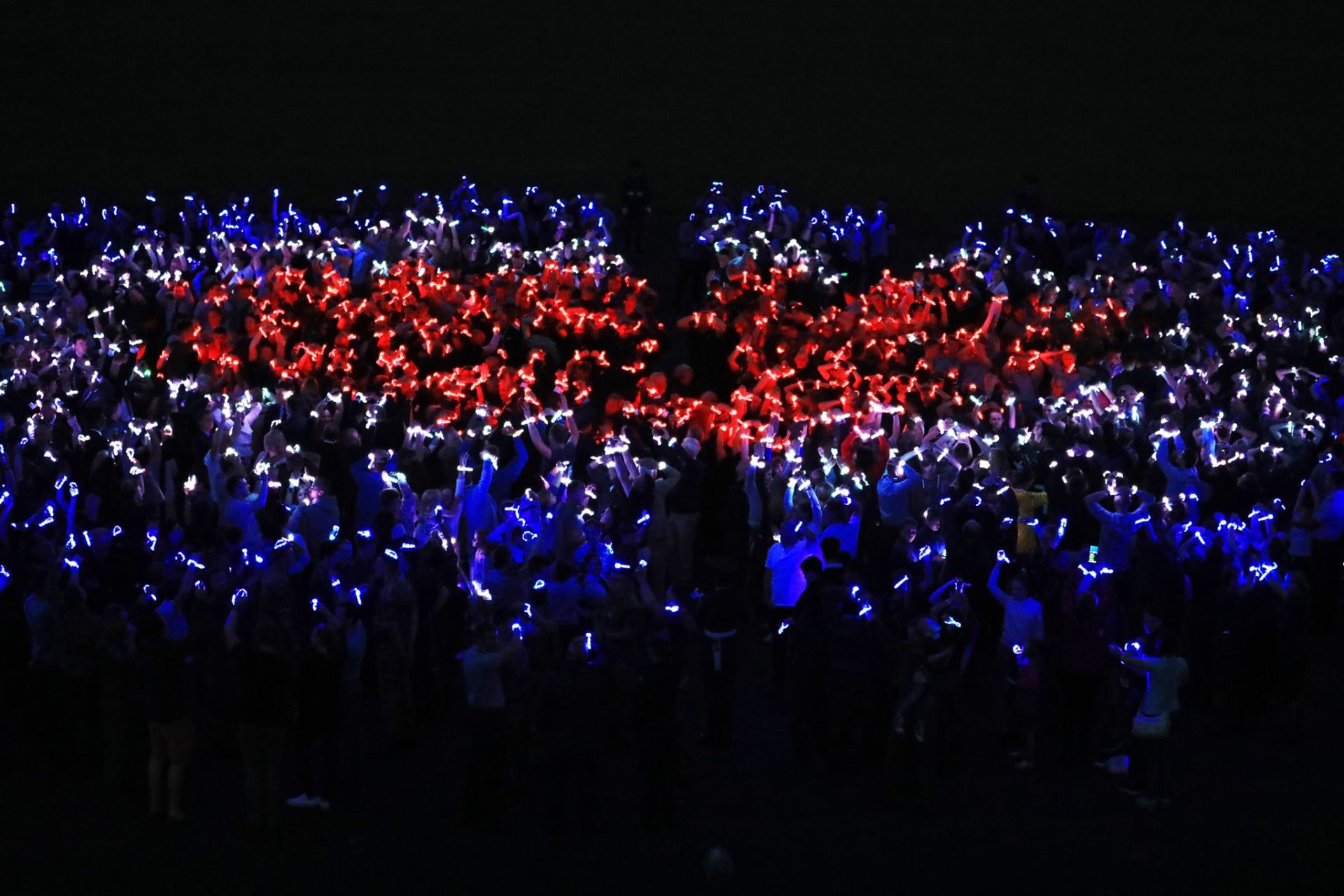
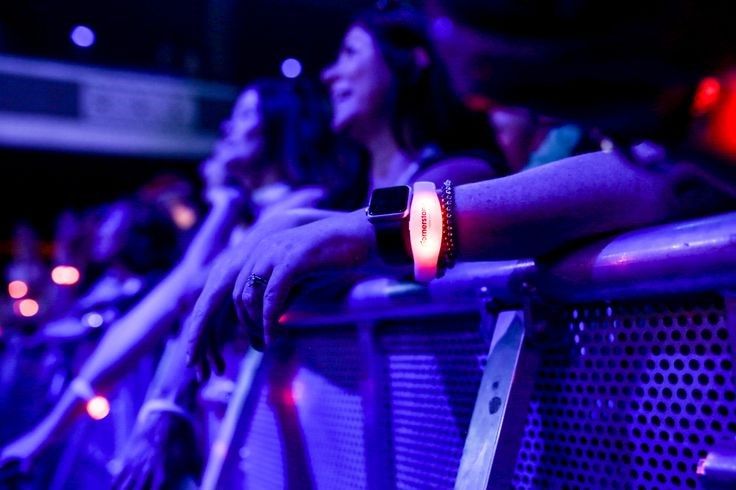
The most profound shift in large-scale lighting design is the transformation of the audience from passive spectators into active participants—pixels in a grand, moving picture. This is the foundational principle behind LED crowd experiences. By equipping every attendee with a light-emitting device, such as custom LED wristbands or LED lanyards, designers gain an unprecedented tool for visual storytelling.
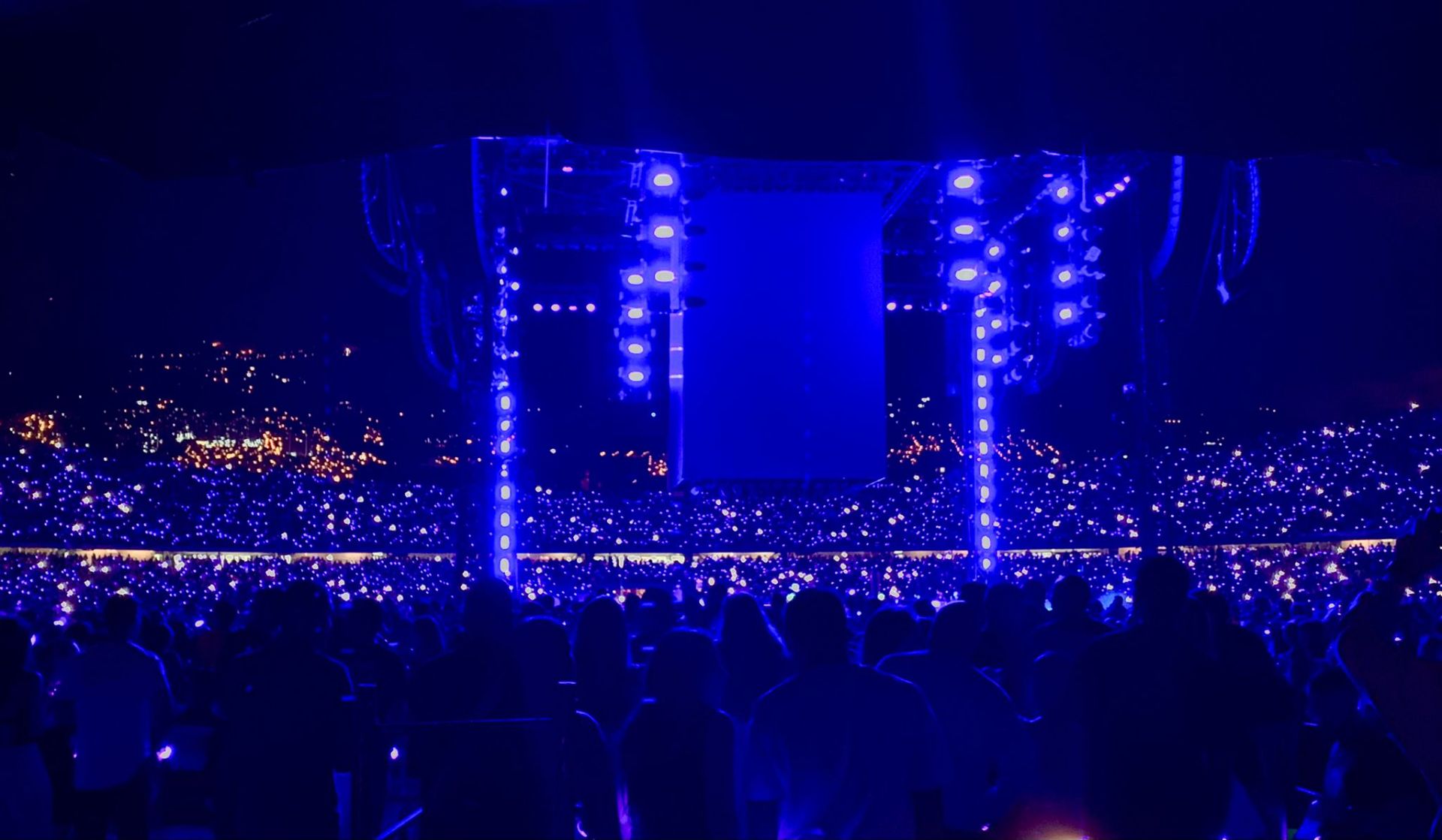
This isn't about simple, synchronized blinking. It’s about texture, depth, and movement. A slow, shimmering fade of a single color across 50,000 wrists can create a moment of breathtaking intimacy, shrinking a cavernous stadium into a shared, unified space. A rapid-fire chase of multi-colored strobes can amplify a song's crescendo into a tidal wave of sensory information. This technique was powerfully demonstrated during Maluma's historic "Medellín En El Mapa" concert, where a sold-out stadium became a pulsating canvas of light, unifying the massive crowd in his hometown celebration.
“The audience is no longer just watching the show; they are the show. This is the essence of modern immersive events. We’re not just lighting a stage; we’re lighting a community.”
Principle 2: Designing for the Camera’s Eye
In today’s hyper-documented world, a live event exists in two spaces simultaneously: the physical venue and the digital realm of social media and live broadcast. A lighting design that looks spectacular in person but translates poorly to a smartphone camera or a broadcast lens is a partial failure. This "two-screen experience" is a critical consideration for modern designers.
This means paying meticulous attention to factors like color temperature, refresh rates, and dynamic range. It requires a balance between high-impact visual moments and camera-friendly states. For example, intense strobing effects, while powerful in the room, can cause banding and other artifacts on camera. A sophisticated design will modulate these effects, perhaps using the audience’s LED bands to create strobing patterns that are less jarring to a camera sensor while still delivering high energy to the human eye. This dual-focus approach was essential for events like the Formula One 75th Anniversary, a live broadcast spectacle where the in-arena and at-home experiences had to be equally compelling.
Principle 3: The Architecture of Light
An arena or stadium is not a black box. It’s a complex architectural environment with its own lines, textures, and volumes. The most effective lighting designs don’t fight the architecture; they embrace it. They use light to reveal, accentuate, and even transform the structure of the venue itself.
This involves more than just trusses and spotlights. It’s about thinking in three dimensions. How can light be used to draw the eye towards the height of the ceiling? How can the concrete brutalism of a stadium’s tiers be softened or turned into a deliberate aesthetic element? By placing lighting elements and effects throughout the entire space—from the rafters to the concourses and onto the wrists of every fan—designers can create a truly cohesive and immersive event technology ecosystem. The physical space ceases to be a mere container for the event and becomes an integral part of the narrative.
Principle 4: Choreographing the Human Element
Ultimately, the most powerful tool in a lighting designer’s arsenal is human emotion. A great design is a study in tension and release, a carefully choreographed dance between light, sound, and the collective heartbeat of the audience. It’s about knowing when to overwhelm the senses and when to pull back, creating a single point of light in a sea of darkness.
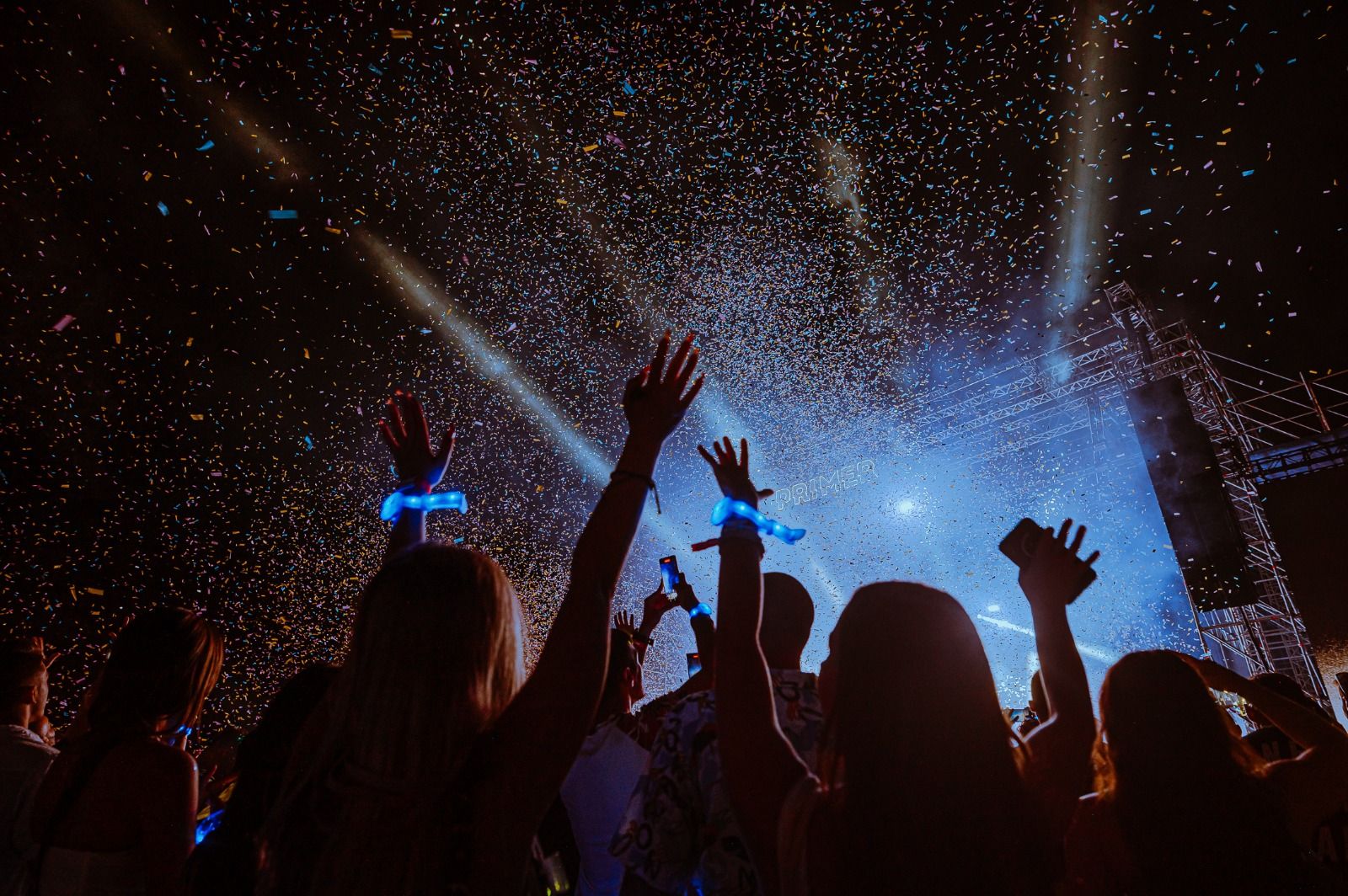
Technology like radio-controlled LED wristbands provides an incredible palette, but it’s the artistry that gives it meaning. It allows a single operator to feel the room and paint with the energy of thousands, turning individual lights into a unified, emotional expression. From the massive audiences at festivals like Primer Music Festival to the high-stakes performances of global icons like Wizkid, the goal remains the same: to use light not merely as illumination, but as a medium for connection, transforming a crowd of strangers into a singular, luminous entity. This is the future of live event design, where every seat is the best seat in the house because everyone is part of the light.