The Arena as Canvas: A Framework for Modern Tour Lighting
The Architecture of an Echo
An arena is a cavern. A stadium, a canyon. Before a single fixture is hung, the first principle of large-scale tour lighting design is to understand the architecture of the space—not as a constraint, but as a collaborator. Unlike a theatre, where the environment is controlled and predictable, a stadium’s vastness can swallow energy. The challenge isn’t just to illuminate the artist, but to conquer the void, transforming tens of thousands of individual seats into a single, unified canvas.
The design process begins with a study of sightlines, load-in points, and, most critically, the sheer volume of the space. Every design choice must scale, not just in size, but in impact. What works in a 2,000-seat theatre will be lost in a 50,000-seat stadium. The throw distances are longer, the ambient light is a greater foe, and the audience is a sprawling, multi-headed entity. The initial design must therefore be bold and structural, treating the entire venue as a single, cohesive volume to be sculpted with light.
Painting with a Wider Brush: The Audience as a Medium
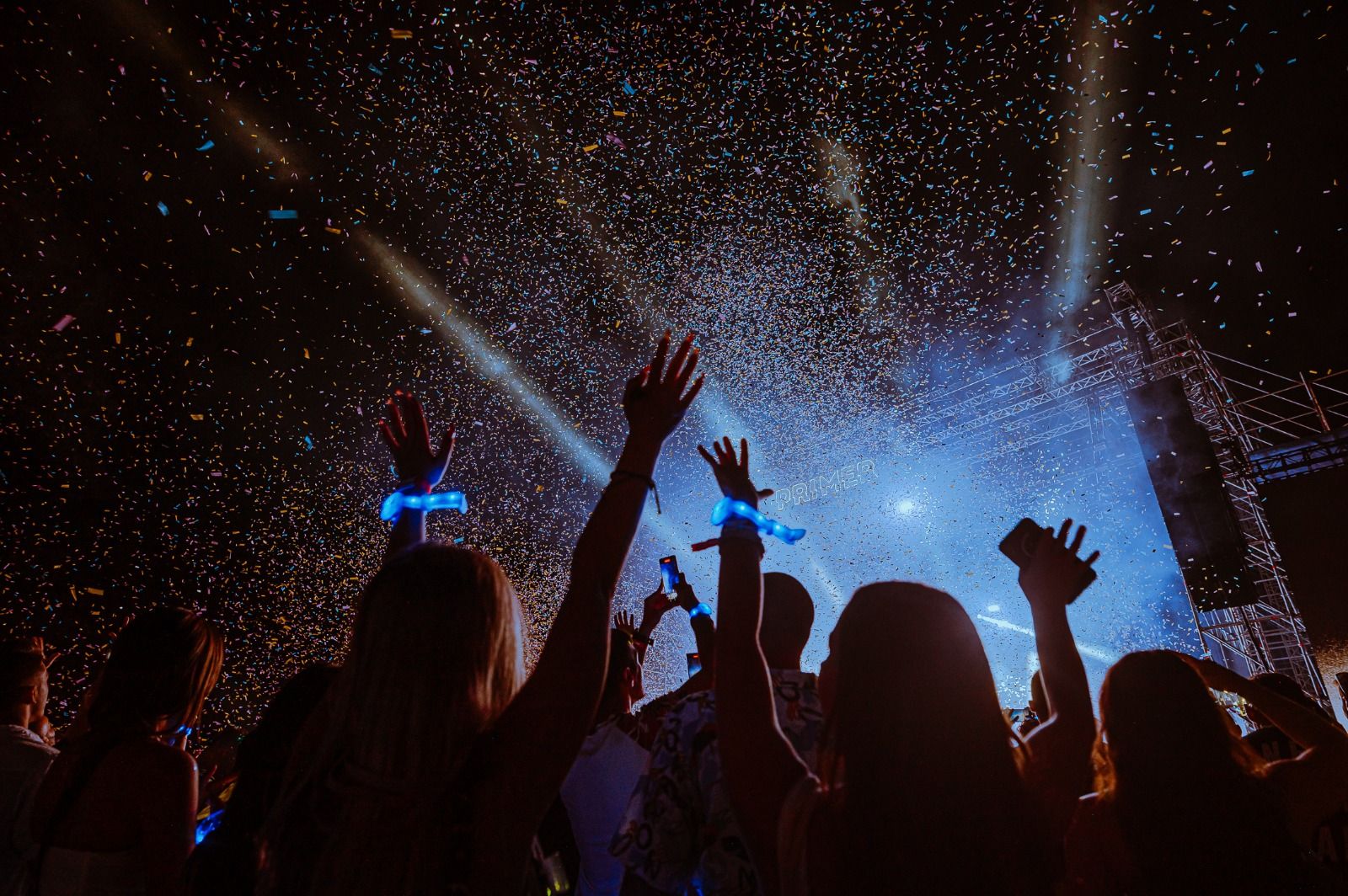
For decades, the focus of concert lighting was squarely on the stage. The audience was a passive observer, sitting in the dark. The revolution in modern tour lighting has been the radical inversion of this idea. The audience is no longer just a target for light, but a medium for it. This is the new frontier of immersive events, where the crowd itself becomes a living, breathing part of the spectacle.
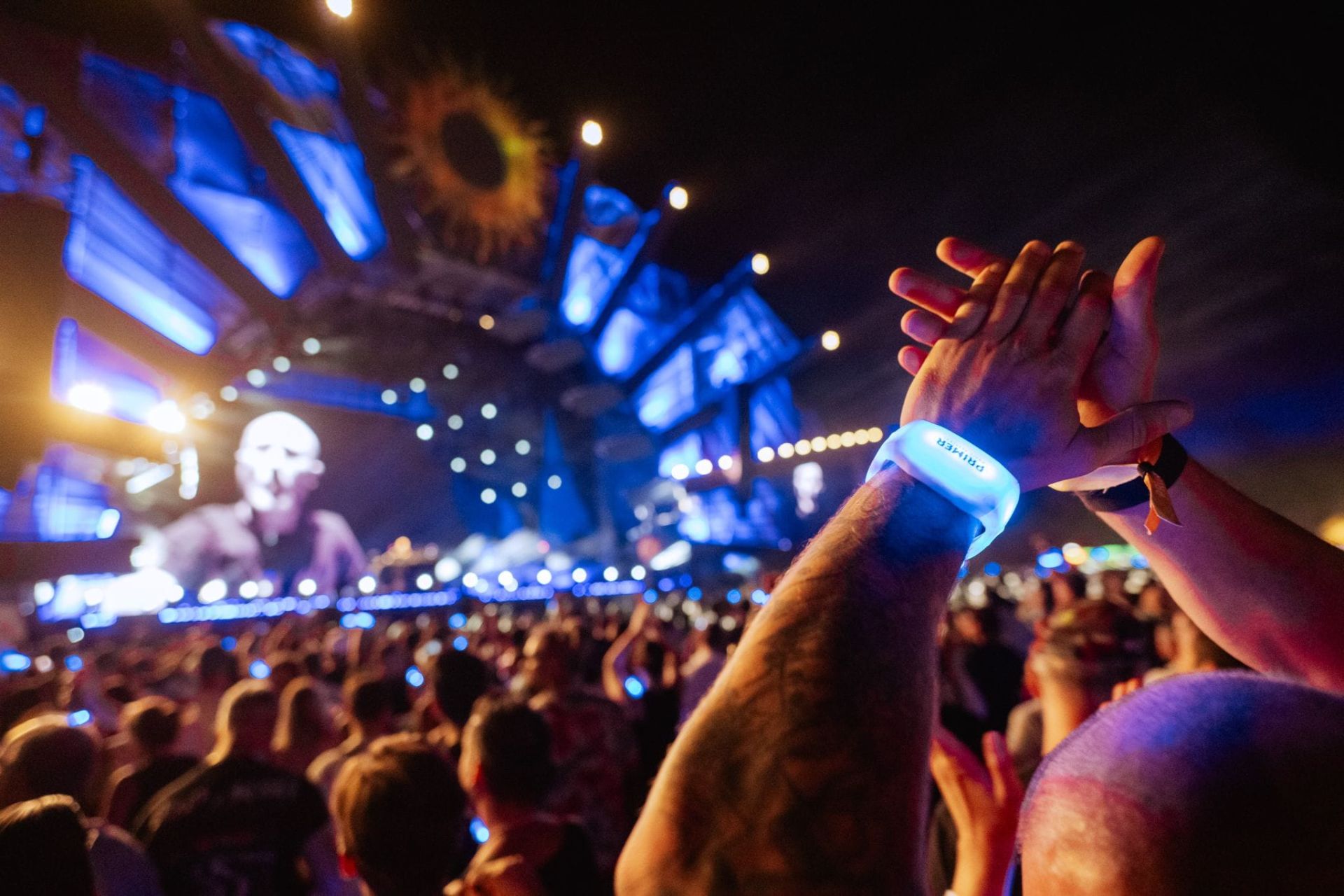
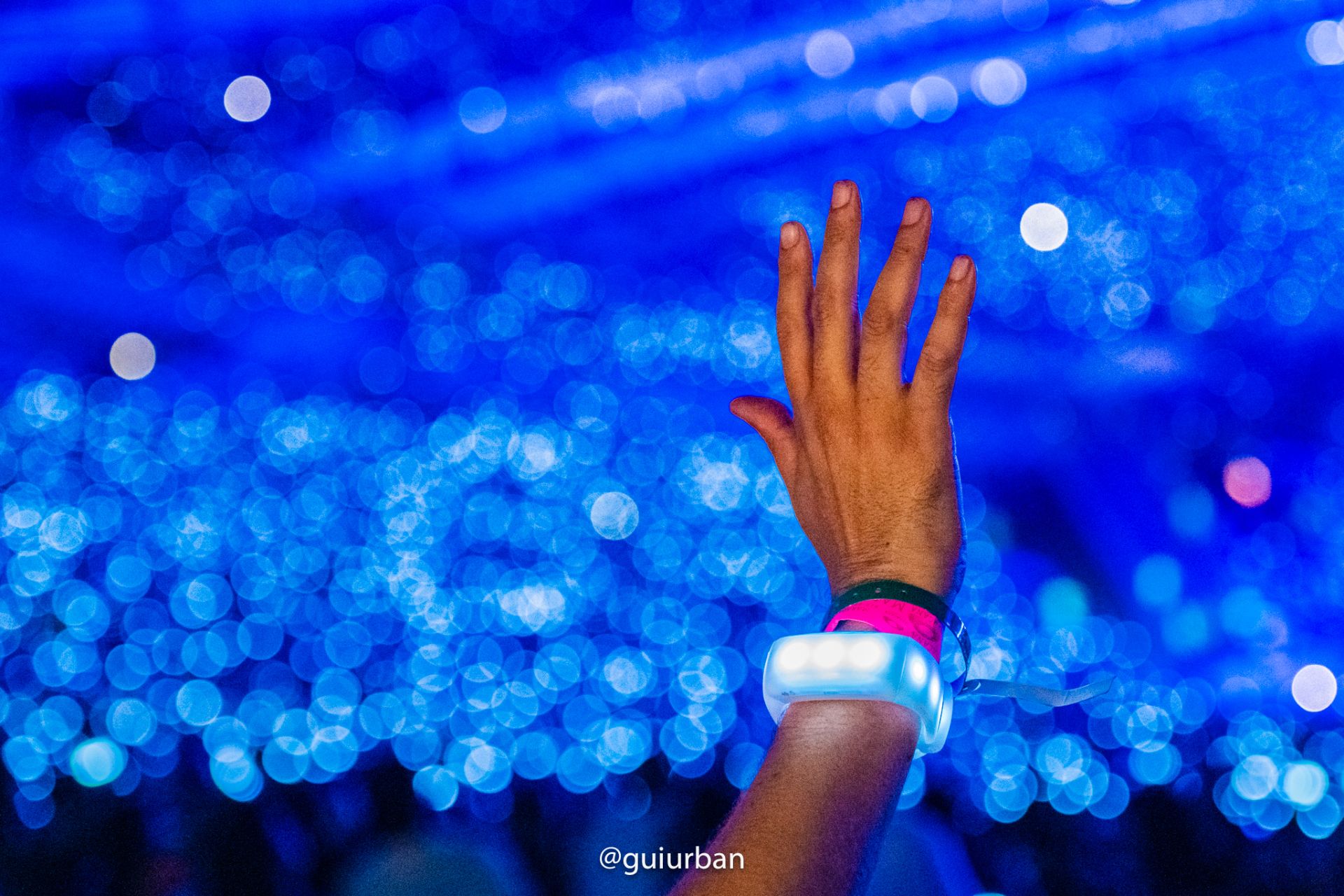
This is where wearable LED technology becomes a game-changer. Pioneered by Xylobands on Coldplay’s Mylo Xyloto tour, radio-controlled LED wristbands transformed the audience from spectators into pixels. Suddenly, lighting designers had a tool that could paint across the entire stadium bowl. A rush of colour could sweep from the back row to the front barrier. Intricate patterns could pulse in time with the music. The entire crowd could become a single, synchronized entity, sharing in moments of collective euphoria.
"The moment you hand control of the light to the audience, you’re creating a two-way dialogue. It’s a fundamental shift in the relationship between the artist, the production, and the fan."
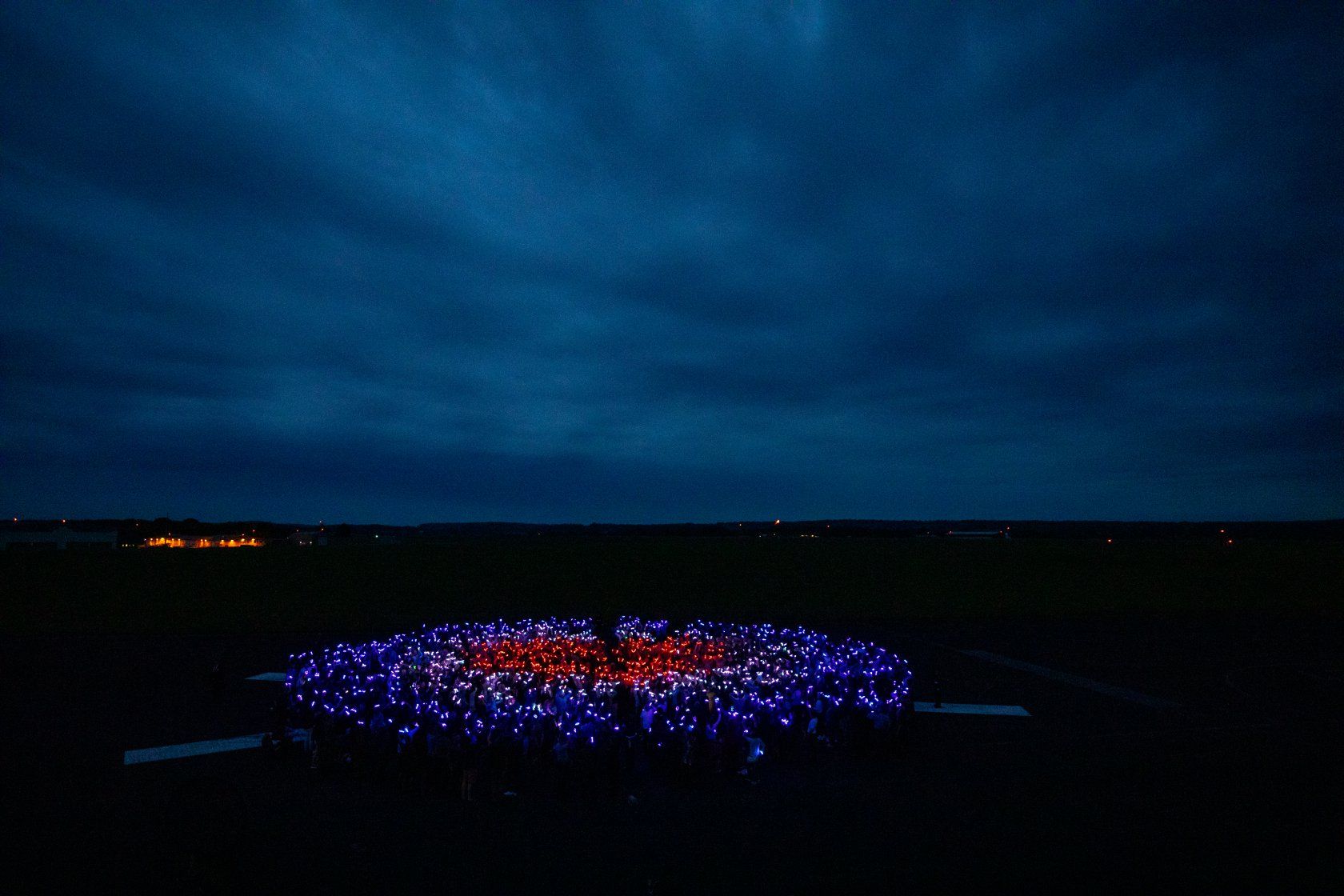
This principle extends beyond wristbands. From LED Lanyards at corporate activations to custom pendants at major sporting events like the Formula One 75th Anniversary, the goal is the same: to distribute the light and decentralize the experience. By making every individual a point of light, you turn a disconnected crowd into a unified whole. This creates powerful LED crowd experiences, moments where 70,000 people feel like part of a secret, shared secret.
The Three-Dimensional Stage: Layering and Depth
With the audience now an active part of the visual field, the stage itself can be designed with greater depth and complexity. Modern tour design treats the performance space as a three-dimensional volume, using layers of light, video, and automation to create a dynamic environment that evolves throughout the show.
Key layers include:
- The Key Light: The fundamental layer, focused on the artist. This is about clarity, definition, and ensuring the human connection is never lost, whether on the front row or on a screen in a live broadcast.
- The Architectural Rig: The main truss structures, moving light arrays, and scenic elements that define the shape and scale of the stage. This layer provides the big looks, the power, the architectural shifts that define the show’s major arcs.
- The Video Canvas: LED screens are no longer just for IMAG (Image Magnification). They are integral scenic and lighting elements in their own right, capable of delivering narrative content, abstract textures, or extending the physical stage into a virtual world.
- The Audience Plane: The layer of light across the crowd, powered by technologies like Xylobands. This is the layer that provides a sense of envelopment, breaking the fourth wall and pulling the entire room into the performance. When a starburst effect explodes from the stage outwards across thousands of concert wristbands, the line between stage and stadium disappears.
The art lies in the orchestration of these layers. A great design knows when to be big and when to be small; when to flood the stadium with a hurricane of light and when to bring everything down to a single, focused spotlight on the artist’s face, with a soft, sympathetic glow pulsing from the wrists of the crowd.
Designing for the Second Screen: The Broadcast Factor
Many of today’s largest tours are global events with significant broadcast and streaming components. As seen with Maluma’s landmark concert in Medellín, which was streamed to over 240 countries, the lighting design must serve two audiences simultaneously: the 54,000 people in the stadium and the millions watching at home. This requires a nuanced approach.
What reads as dynamic and powerful in person can appear blown-out or chaotic on camera. Lighting for the lens is a distinct discipline. It demands careful attention to colour temperature, contrast ratios, and flicker rates. It also elevates the importance of the audience as a visual element. On camera, a dark, anonymous crowd is a black hole. But a crowd illuminated with synchronized LED bands becomes a vibrant, dynamic backdrop that communicates the energy of the live experience to the viewer at home. It tells a story of scale, excitement, and shared emotion, making the broadcast feel less like a recording and more like an event.
Ultimately, modern stadium and arena tour lighting design is an act of world-building. It is the art of using technology not for its own sake, but to forge connection on a mass scale. It’s about creating a temporary universe where, for two hours, tens of thousands of strangers can share a single heartbeat, guided by light and united in sound. It’s the craft of turning an echo chamber into a cathedral of shared experience.