The Lasting Echo: The Art and Science of the Modern Encore

The Final Act: More Than Just One More Song
The house lights dim, the band walks off stage, and a familiar ritual begins. A roar builds, a unified chant of "one more song!" swells through the arena, and the air crackles with anticipation. This is the encore: a moment suspended between the show that was and the memory that will be. Far from a contractual obligation, the encore is a powerful narrative device—the final emotional beat that a producer or artist can use to define an entire experience. It’s the last word, and in the economy of live events, the last word is everything.
In its purest form, the encore is a conversation. The audience, having been taken on a journey, collectively asks for more. The artist, in return, offers a final gift. But in the modern live-experience landscape, this closing chapter has evolved into a sophisticated art form. It’s no longer just about playing the biggest hit; it’s about crafting a conclusion that feels both earned and surprising, cementing the bond between performer and crowd.
The Psychology of the Bow: Crafting a Resonant Farewell
The power of the encore is rooted in a psychological principle known as the "peak-end rule." This theory suggests that people largely judge an experience based on how they felt at its most intense point (the peak) and at its very end. A well-executed encore seizes this opportunity, creating a final peak that becomes the lasting emotional imprint. It’s the difference between an audience leaving satisfied and an audience leaving transformed.
An effective encore achieves several things simultaneously:
- It provides closure: It signals a definitive end, allowing the shared emotional energy to resolve rather than just dissipate.
- It subverts expectations: A truly great encore often contains a surprise—a deep cut, a special guest, or a completely reimagined version of a classic. Maluma’s landmark 2022 concert in his hometown of Medellín, which featured a surprise appearance by Madonna, is a masterclass in this. The encore wasn’t just an extension; it was an historic event in itself.
- It extends the story: A show is a narrative arc. The encore is the epilogue. It can reframe the entire performance, offering a moment of quiet intimacy after a high-energy show, or one last explosion of celebratory energy.
The Shared Experience: Uniting the Crowd in Light
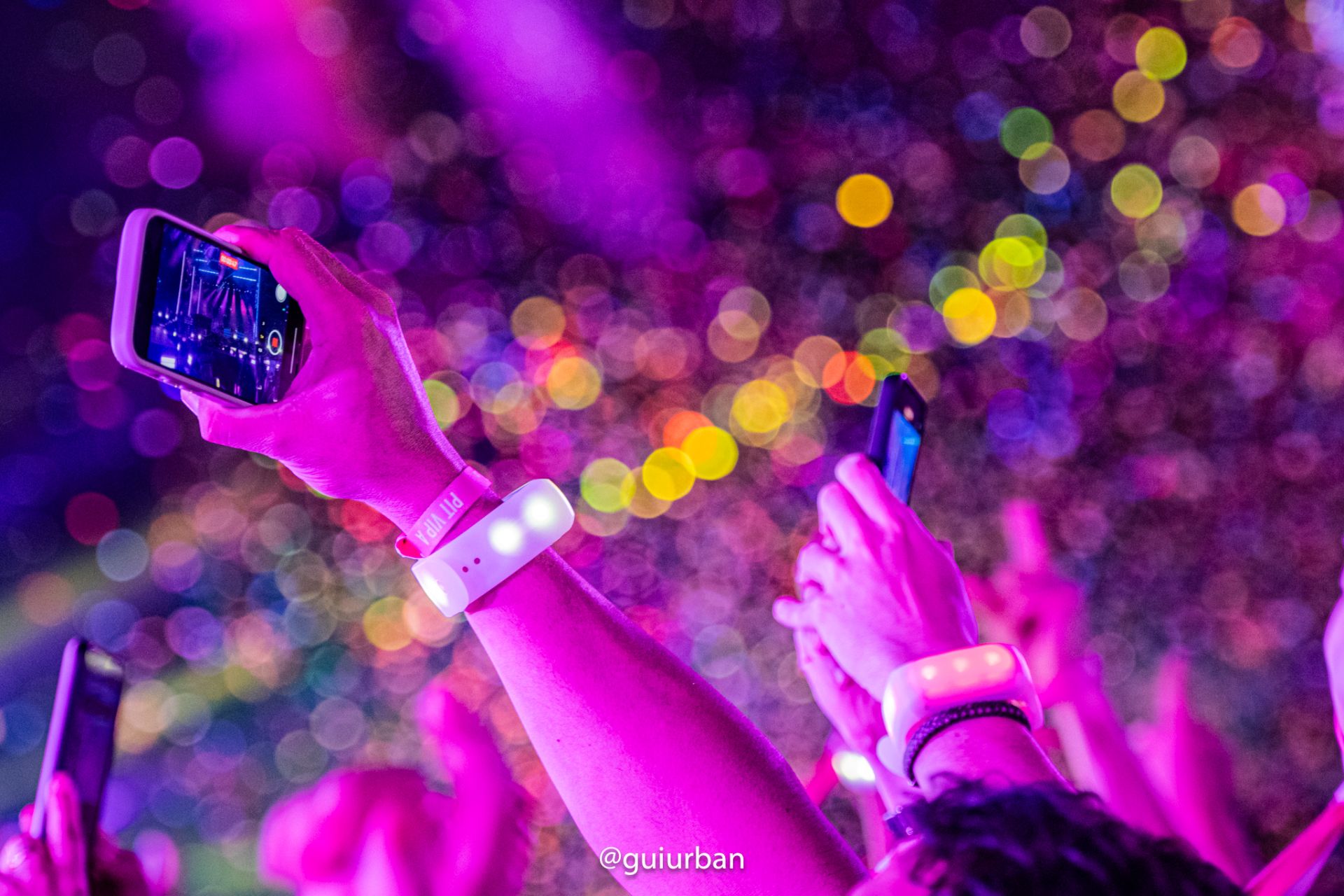
Historically, the visual component of an encore was organic—a sea of lighters held aloft, a tradition that gave way to the ubiquitous glow of smartphone screens. While these gestures signal appreciation, they also create thousands of individual points of light, subtly fragmenting the collective experience as each person retreats into their own device.
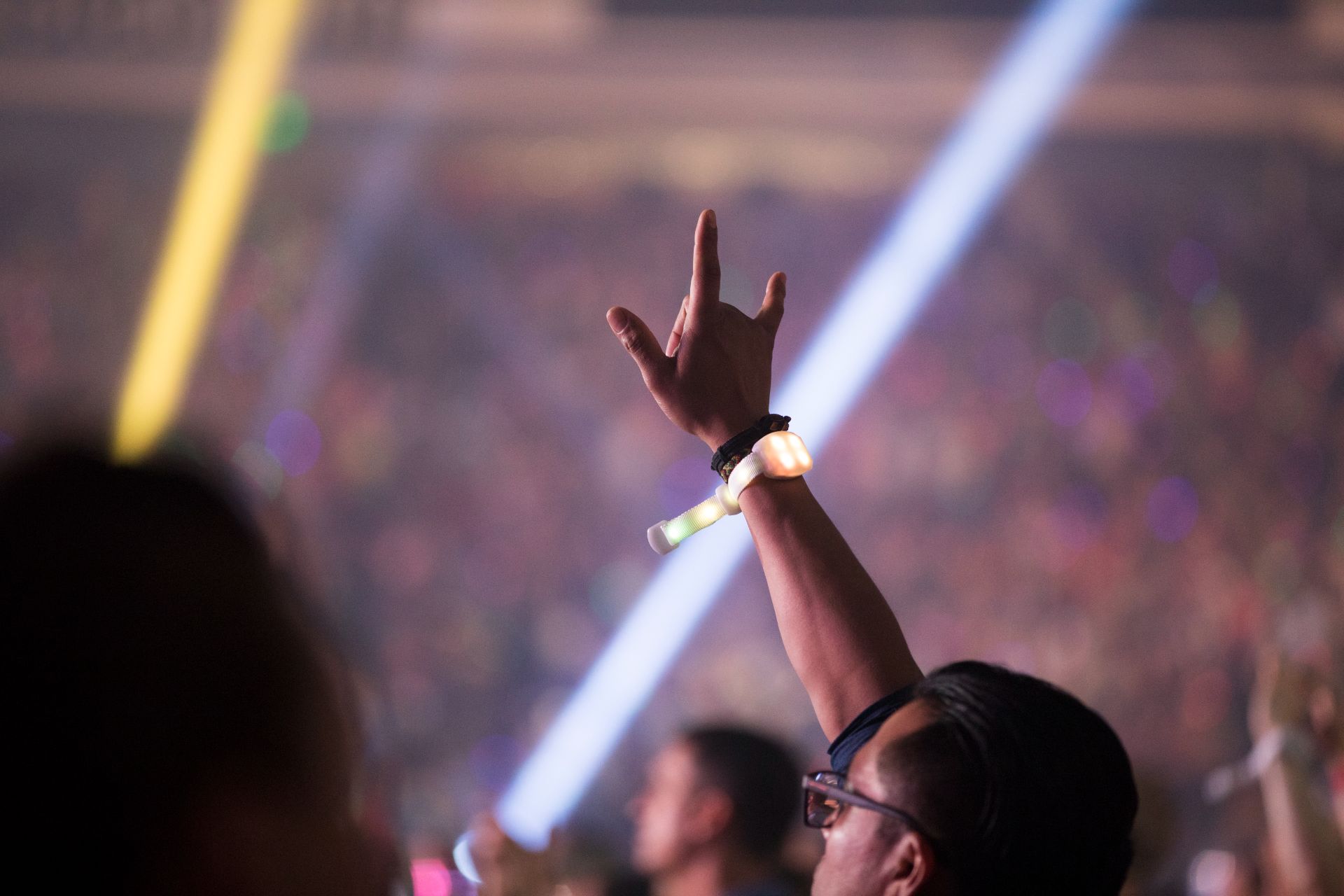
This is where immersive event technology has rewritten the rules. At Xylobands, we were founded on a vision sparked during an encore moment at Glastonbury Festival. The idea was to transform the audience from passive spectators into an integral part of the show’s visual fabric. By turning every individual into a synchronised pixel, LED wristbands don’t just light up a venue; they unify it. They reclaim the encore as a moment of pure, unmediated connection.
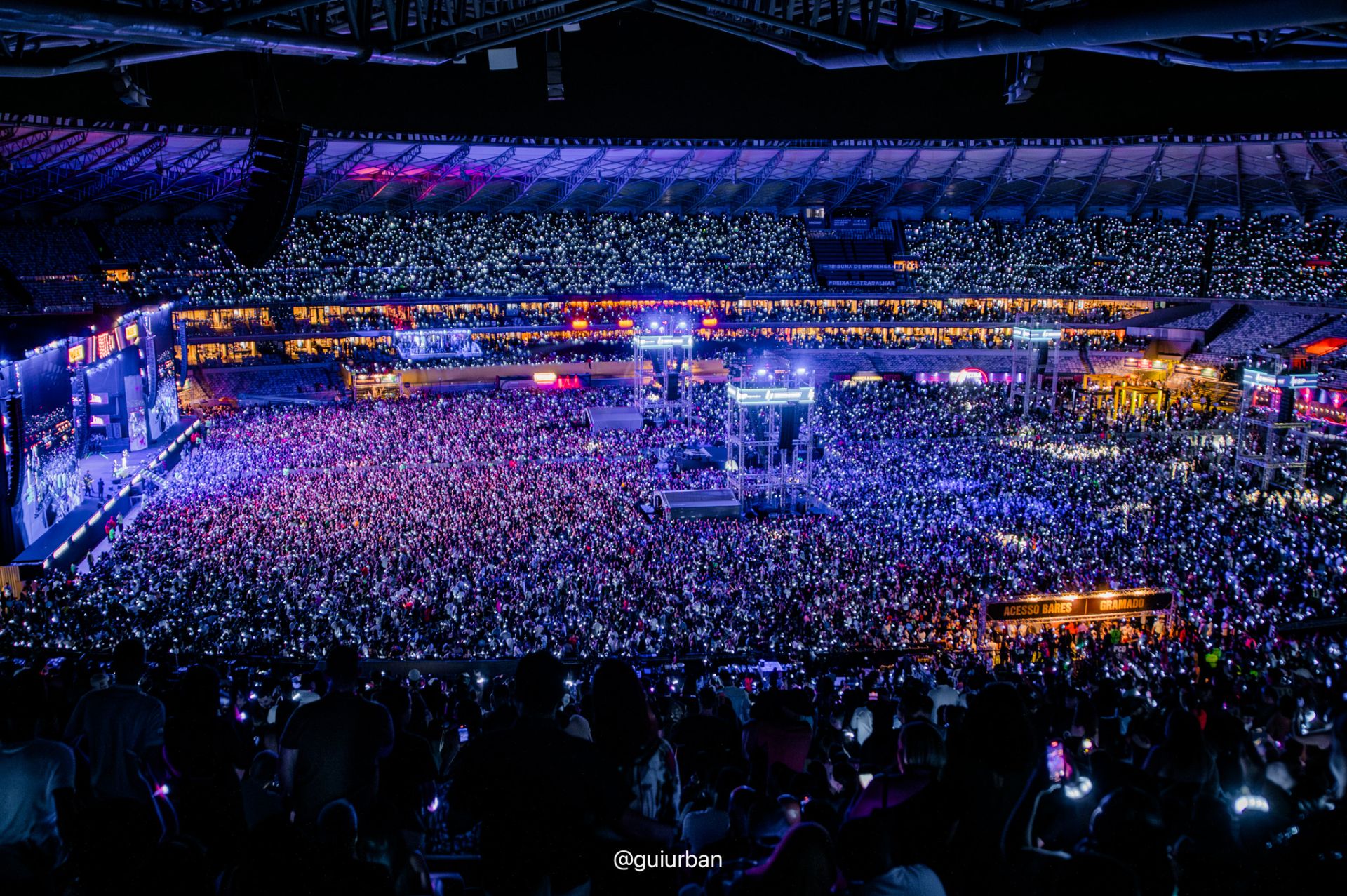
When tens of thousands of Xylobands pulse in unison to a final, anthemic chorus, the effect is profound. It’s a powerful, visual metaphor for the shared heartbeat of the crowd. This isn’t just about creating a spectacle for the cameras; it’s about deepening the somatic, emotional experience for every person in the room. From massive festivals like Primer Music Festival in Greece to landmark arena shows for artists like Wizkid, we’ve seen how this shared visual pulse can elevate the encore from a great moment to an unforgettable one.
Designing the Final Beat: The Tools of the Trade
Crafting the perfect encore is a strategic, creative, and technical challenge. It involves a delicate balance of pacing, song selection, and technological integration.
The Setlist as a Story Arc
The main set should feel complete yet leave a thread untied. The final song before the "walk-off" is crucial. It should be a high point that feels like a satisfying conclusion, making the encore feel like a genuine, audience-driven demand rather than a pre-planned extension.
The Element of Surprise
This is where the magic happens. A surprise guest, a rare B-side, or an acoustic-to-electric transition can transform a standard encore. Another powerful tool is the "false finish," where the audience believes the show is truly over, only for the band to return for one more unexpected song, creating a secondary wave of euphoria.
The Technological Crescendo
The encore is the perfect place to deploy your most impactful technological assets. This is the moment for the final, breathtaking lighting state, the last pyrotechnic hit, or the ultimate immersive crowd-lighting cue. Using radio-controlled LED wristbands, a designer can hold back specific colours or effects, saving a unique, high-impact sequence for the final 90 seconds. Imagine a show-long palette of blues and whites, only for the encore to erupt in a sudden, shocking wave of red that washes over the entire stadium. This is the kind of sensory punctuation that makes a moment indelible.
Conclusion: Beyond the Final Note
The craft of the encore is a testament to the fact that in live experiences, the end is just as important as the beginning and the middle. It’s a discipline that demands an understanding of crowd psychology, narrative structure, and the subtle power of light and technology to foster human connection. As artists and producers, we have a responsibility to design endings that do more than just signal that a show is over. We have the opportunity to create a final, resonant chord that echoes long after the lights come up—a shared memory etched in sound and light, a lasting testament to the collective power of the live experience.