The Art of Scale: Lighting Design Principles for Modern Arenas and Stadiums
From Broad Strokes to Fine Details
Touring productions have always grappled with the challenge of scale. How do you make a performer in a 100,000-seat stadium feel as present and connected as they would in a small club? For decades, the answer lay in bigger speakers, bigger video screens, and brute-force lighting rigs designed to flood massive spaces with raw power. But today, a new philosophy is taking hold, one that balances the macro and the micro to create a more intimate and electrifying spectacle.
Modern lighting design for arena and stadium tours is no longer just about ensuring the artist is visible. It’s about creating a cohesive visual narrative that extends from the stage to the very last seat in the upper deck. It’s about designing for two distinct audiences simultaneously: the roaring crowd in the venue and the millions watching at home. And increasingly, it’s about turning the audience itself into an integral part of the show’s visual architecture.
Principle 1: Painting the Entire Canvas
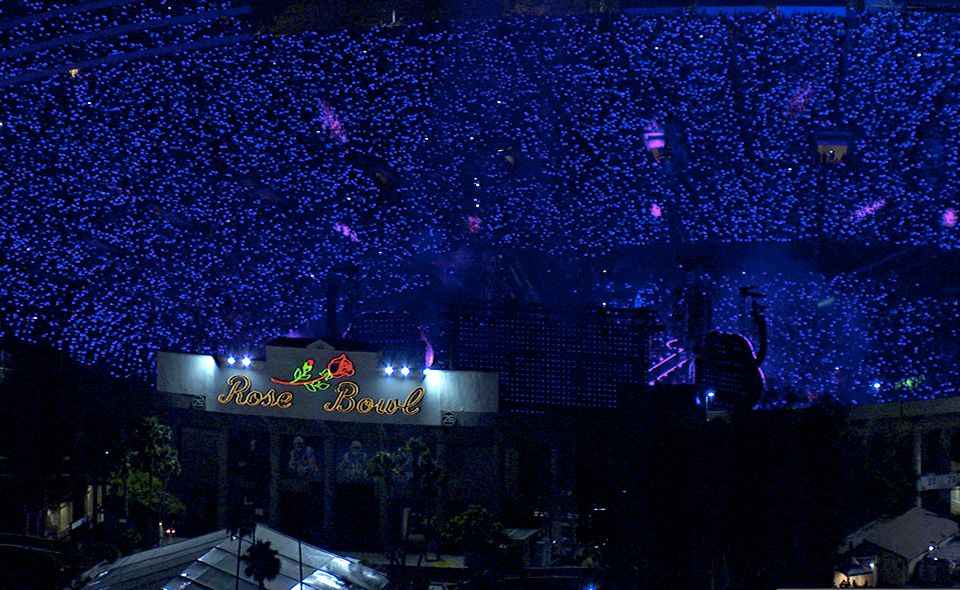
The first principle of modern stadium lighting is to see the entire venue as a canvas. The stage is the focal point, but the architecture of the space—the trusses, the seating bowls, the walkways, even the air itself—is an opportunity for creative expression. This is where the macro view comes into play. Designers use sweeping beams, atmospheric haze, and large-format video to paint the space with broad strokes of color and texture, establishing the mood for a song or segment.
However, the true artistry lies in uniting this grand scale with moments of intimacy. A single spotlight might isolate a performer for a quiet ballad, shrinking the vastness of the stadium to a single, personal moment. Then, as the music swells, the entire rig can explode with light and energy, instantly re-establishing the epic scale of the performance. This dynamic range is the key to holding an audience’s attention for two hours or more.
Principle 2: Designing for Two Audiences
The rise of live-streamed concerts and broadcast events has added a layer of complexity to lighting design. A show must not only look spectacular to the naked eye but also translate beautifully to the camera sensor. This creates what’s known as the “two-show imperative.”
As we’ve seen with global events like the Formula One 75th Anniversary celebration, the in-person experience is only part of the equation. Millions more may be watching from home, and the lighting must serve both.
This requires careful consideration of color temperatures, contrast ratios, and camera angles. A lighting effect that looks incredible in person might appear as a blown-out flare on screen. Conversely, subtle effects designed for the camera can be lost in the sheer scale of a stadium. The solution is a layered approach, using key lights to model performers for the camera while deploying broader, more powerful effects to envelop the live audience. It’s a delicate balancing act that requires constant collaboration between the lighting director and the broadcast director.
Principle 3: The Audience as a Light Source
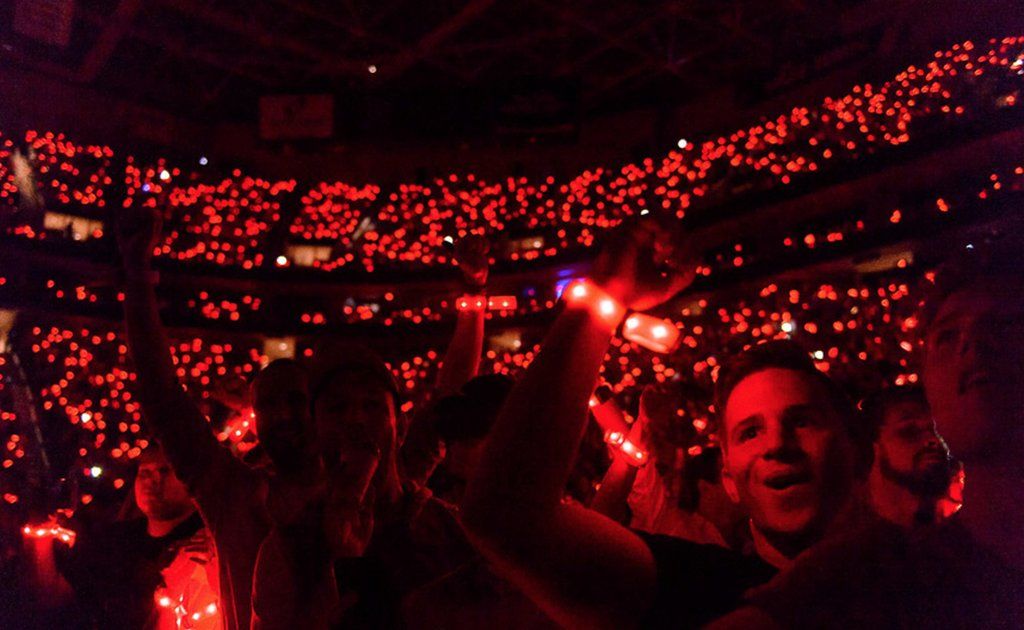
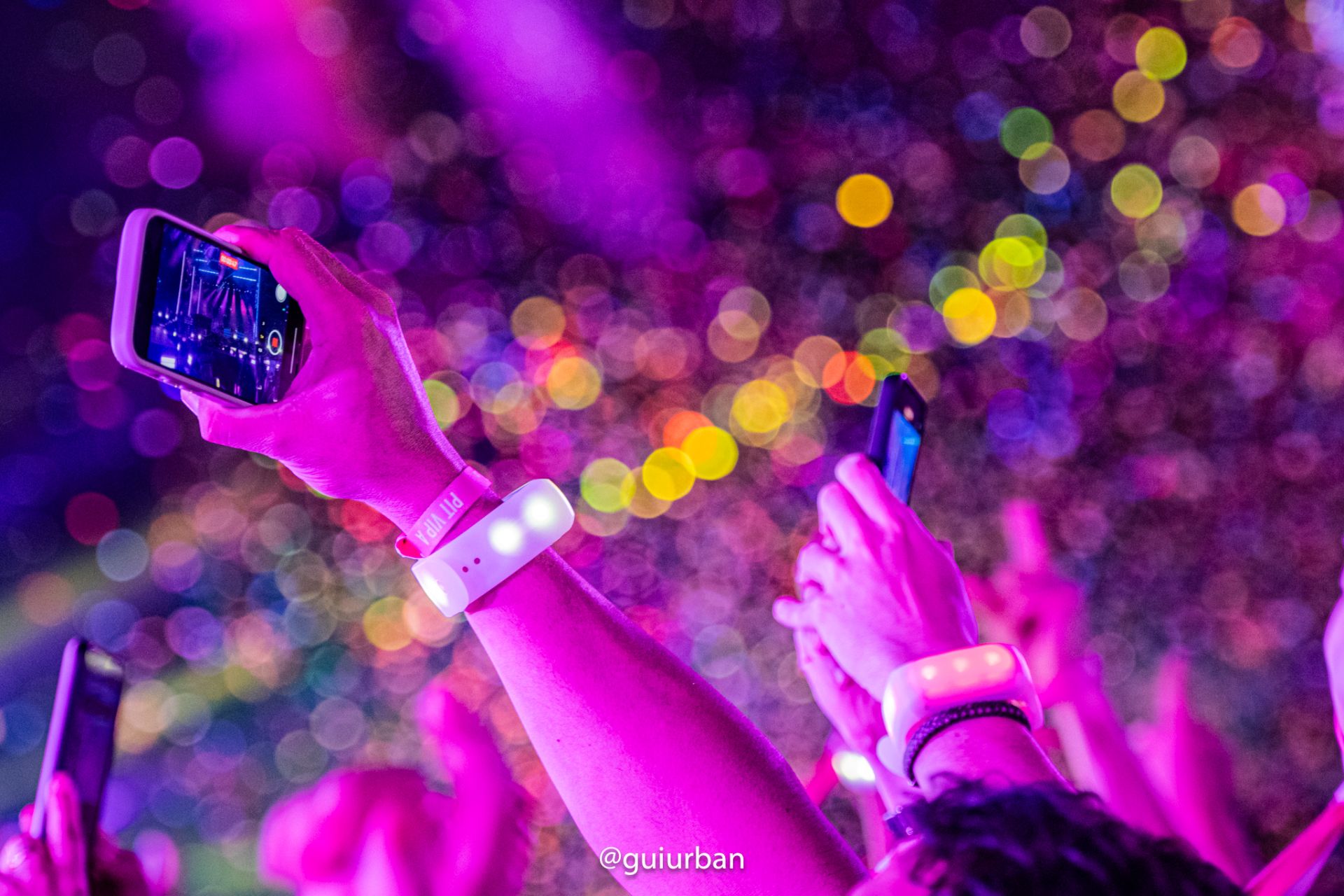
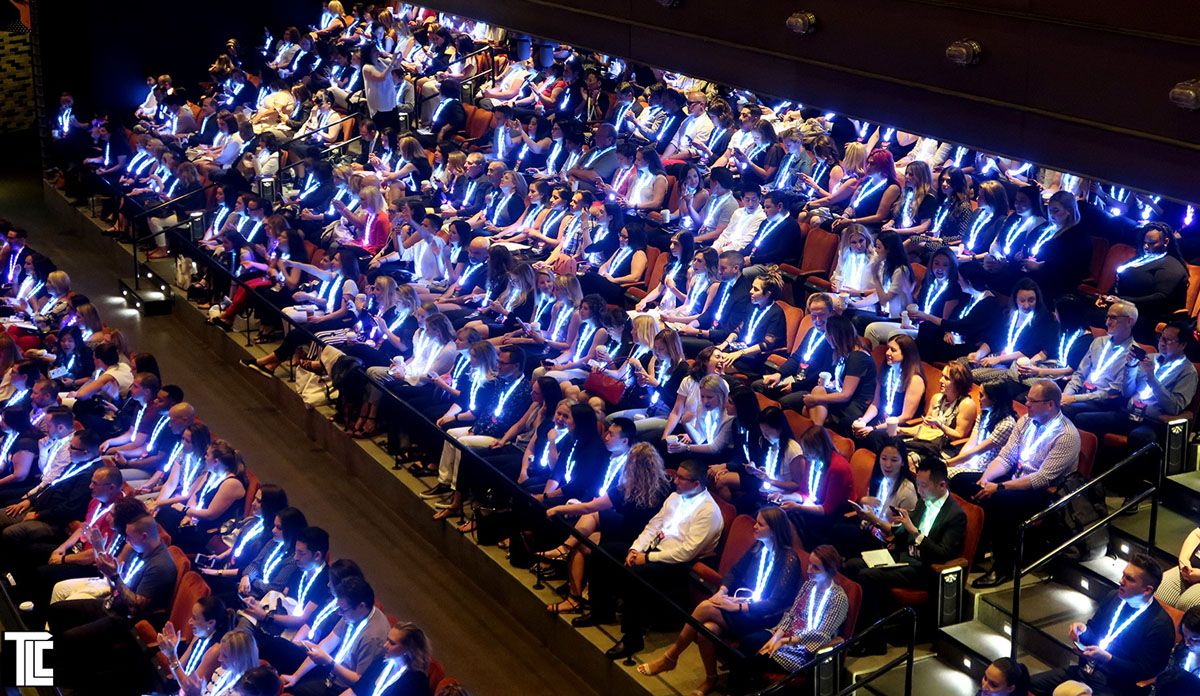
Perhaps the most significant evolution in tour lighting is the integration of the audience into the design itself. This is a paradigm shift from a passive viewing experience to active participation. Technologies like radio-controlled LED wristbands have transformed the crowd from a sea of darkness into a living, breathing canvas of light. Suddenly, the lighting designer’s palette extends to every individual in the audience.
This approach turns a crowd of thousands into a single, cohesive entity. For his historic sold-out shows at London's O2 Arena, Afrobeats superstar Wizkid used our Xylobands to unite the audience, creating pulsing, synchronized waves of light that flowed through the arena in time with the music. The same technology allowed Maluma to connect with 54,000 fans in his hometown of Medellín, creating a stunning visual spectacle that was broadcast to over 240 countries. These are no longer just concerts; they are true immersive events.
By using wearable LED technology, designers can create incredibly detailed and dynamic effects that would be impossible with a traditional lighting rig alone. They can:
- Create massive, pixel-mapped images across the entire audience.
- Segment the crowd by seating section, painting different areas with different colors.
- Trigger chases and pulses that seem to emanate from the stage and wash over the crowd.
- Highlight moments of audience participation, making fans feel seen and valued.
This technology does more than just add another layer of visual spectacle. It deepens the psychological connection between the artist and the audience. When your own wristband lights up in perfect sync with 50,000 others and the artist on stage, you are no longer just a spectator. You are part of the performance. This is the core of creating powerful LED crowd experiences.
The Unfolding Horizon
As technology continues to evolve, the principles of stadium and arena lighting design will evolve with it. The integration of augmented reality, real-time data, and ever-more sophisticated control systems will open up new creative frontiers. But the fundamental goals will remain the same: to conquer scale, to tell a compelling story, and to forge an unbreakable connection between the artist and every single person in the audience.
The future of live events is not just about what happens on the stage, but what happens in the seats. By embracing the entire venue as a canvas and empowering the audience to become part of the show, we are creating a new era of shared, immersive event technology that turns massive concerts into deeply personal and unforgettable moments.