The Atlas of Atmosphere: A New Playbook for Unforgettable Sports Spectacles
From Spectacle to Spectator-Driven: The New Era of Sports Entertainment
For decades, the halftime show was a welcome intermission—a 15-minute interlude of marching bands, pyrotechnics, and pop-star cameos designed to keep stadium audiences warm while the main event paused. It was a spectacle to be watched. Today, that model is being systematically dismantled and rebuilt. The modern halftime show is no longer a passive viewing experience; it’s an immersive, choreographed extension of the main event, and the audience has become a central part of the performance.
This shift hasn’t happened by accident. It’s the result of a deliberate convergence of ambitious creative direction and groundbreaking immersive event technology. Production teams for global sporting events, from the Davis Cup to Formula One, are no longer just lighting the field or the stage; they are lighting the entire stadium. The goal is to dissolve the boundary between the performance and the crowd, creating a unified, electrifying environment where every single seat is the best seat in thehouse.
The Psychology of Light and Motion
At the heart of this transformation is a deeper understanding of audience psychology. A stadium is a vast space, and creating a sense of intimacy and collective energy among tens of thousands of individuals is a monumental creative challenge. Traditional lighting rigs—even the most advanced—have their limits. They cast light *onto* the audience. The true innovation lies in technology that makes the audience a source of light itself.
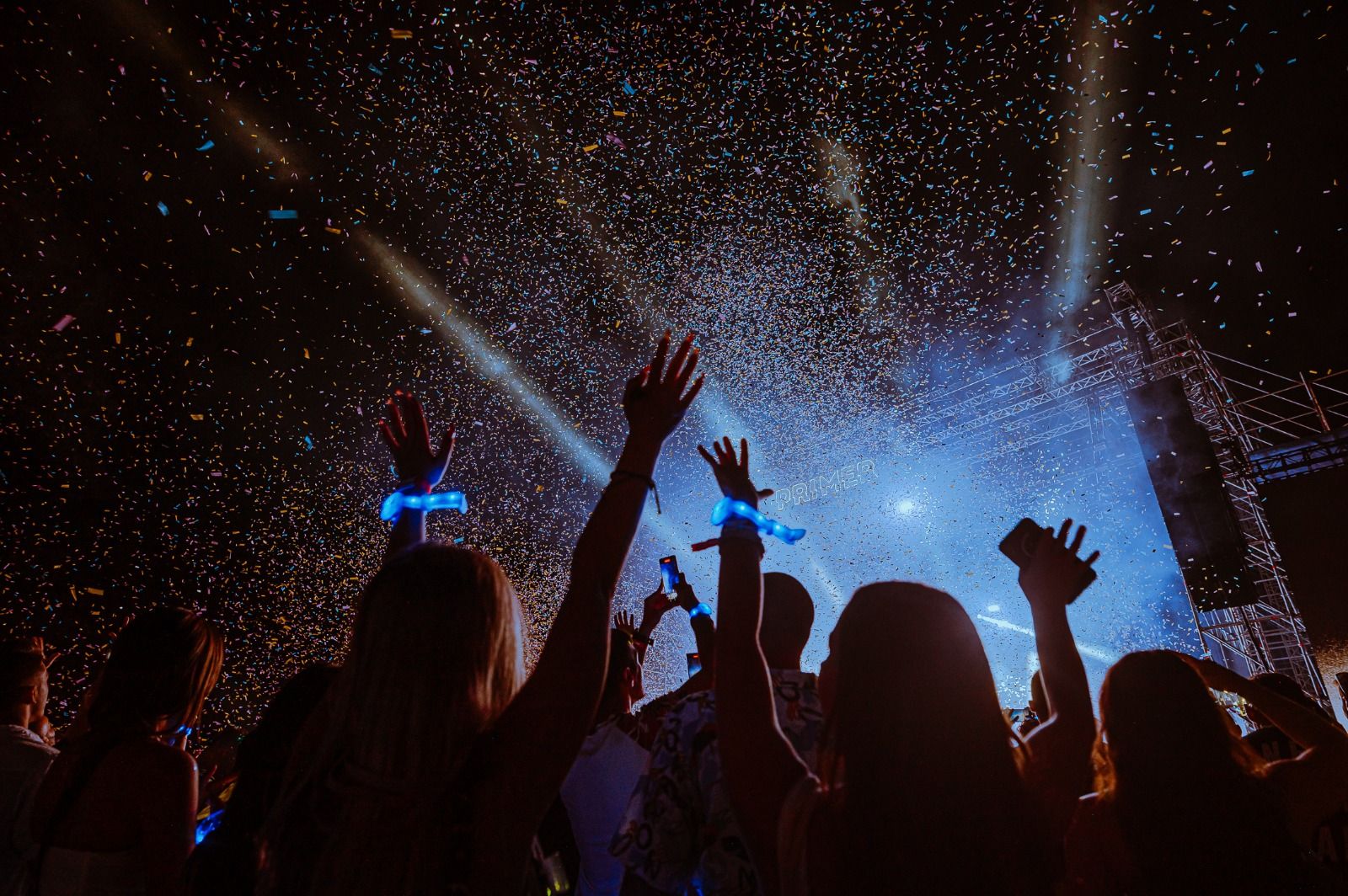
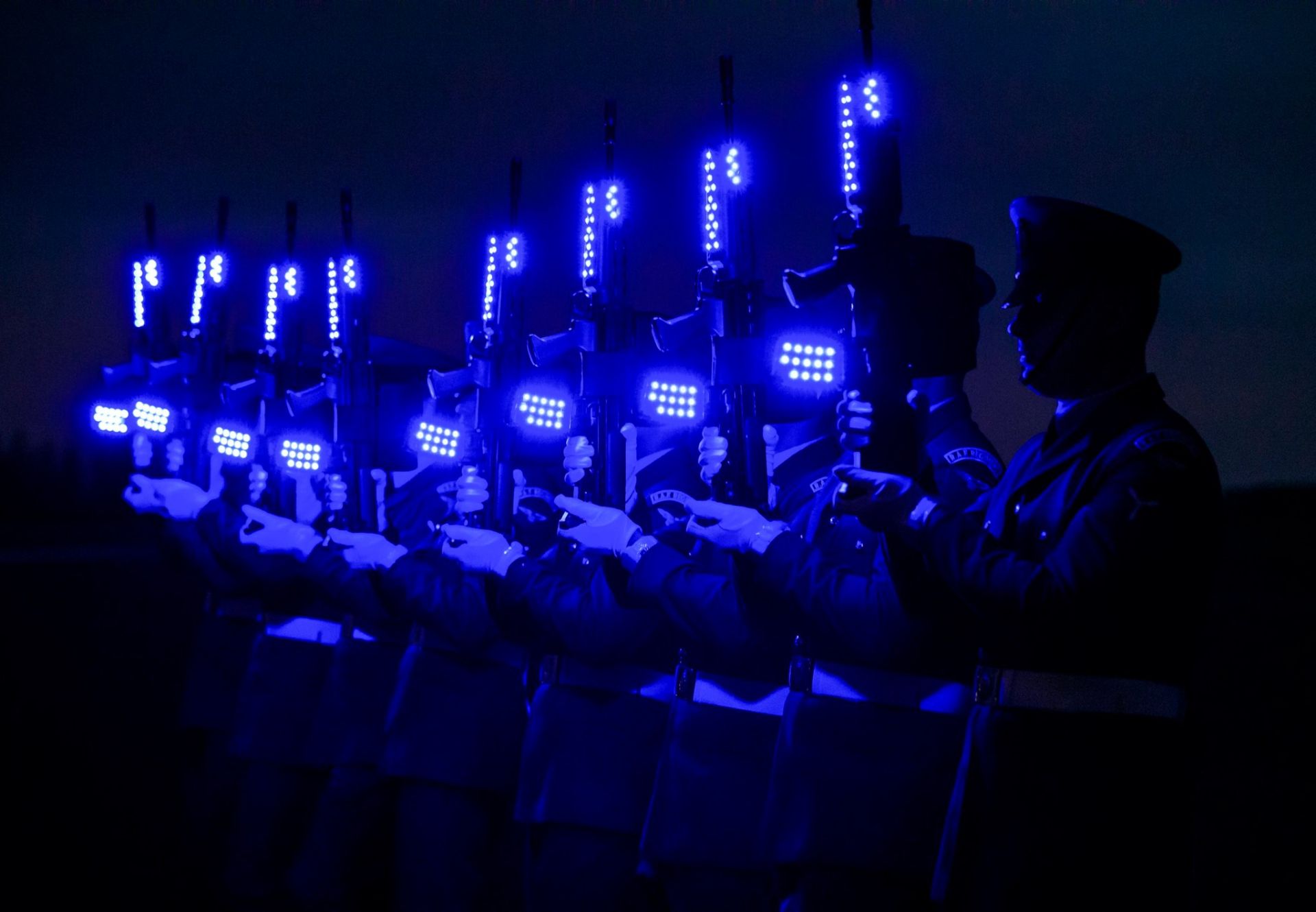
This is where wearable LED technology comes into play. When each spectator is given an LED wristband or LED lanyard synchronised to a central control system, the creative possibilities expand exponentially. The crowd is no longer a passive entity but a living, breathing canvas of light. Choreographers and show designers can now compose with not just sound and performers, but with dynamic, audience-wide visual effects.
"The roar of the crowd is no longer just heard; it’s seen. We can now translate the energy of the fans into waves of colour, strobing pulses, and complex patterns that ripple across the stands in perfect sync with the action."
Key Choreographic Capabilities:
- Synchronised Pulses: Imagine a game-winning goal or a last-minute touchdown, and the entire stadium erupts in a unified flash of the home team’s colours. This transforms a moment of celebration into an overwhelming sensory experience.
- Dynamic Colour Waves: During a halftime performance, vast, rolling waves of colour can sweep across the stadium, visually connecting the audience to the rhythm and mood of the music. It makes the energy of the performance tangible.
- Targeted Section Highlighting: Designers can isolate specific sections, creating mosaics of light, team logos, or national flags. This was powerfully demonstrated at events like the Formula One 75th-anniversary show, where custom pendants for different teams and hospitality levels allowed for highly specific, branded lighting effects across The O2 Arena.
- Broadcast-Ready Visuals: For televised events, these LED crowd experiences are a producer’s dream. The stadium becomes a vibrant, shimmering backdrop that enhances the broadcast, conveying the scale and electricity of the event to millions of viewers at home.
Case Study: Extending the Drama from Court to Crowd
The application of this technology goes beyond traditional halftime shows. At major tournaments like the Davis Cup, the "World Cup of Tennis," the moments between sets or matches are opportunities to maintain and build atmosphere. Using radio controlled LED wristbands, organisers can keep the crowd energised, unified, and part of the spectacle. A simple colour chase effect that swirls around the arena during a changeover can sustain the tension and excitement, preventing the lulls that can flatten a live sporting event.
This is a fundamental shift in event production. The focus moves from a single focal point—the stage or the court—to a 360-degree environmental design. Every spectator becomes a pixel in a larger picture, a participant in the show. This approach has been used to elevate everything from world tours for artists like Coldplay and Maluma to corporate event activations for global brands like Audi and Nike, proving its power and versatility.
The Future is Audience-Centric
As we look to the future of sports entertainment, this trend is only set to accelerate. The playbook is no longer just about booking the biggest star or designing the most elaborate stage. It’s about crafting a comprehensive sensory journey for the spectator. It involves a new kind of choreography—one that directs not just dancers and performers, but patterns of light and energy across a stadium of thousands.
From the moment a fan scans their ticket to the final encore or trophy lift, their experience can be shaped and enhanced by immersive event technology. The humble wristband, once a simple paper ticket, has become a key to unlocking a new dimension of live sports. By turning the crowd into the canvas, we create unforgettable spectacles that resonate long after the final whistle. The stadium has become a sentient, responsive environment, and the fans are its heartbeat, made visible for all to see.