From Passive to Participant: The Technological Leap in Audience Engagement
From Lighters in the Air to a Sea of Light: The Evolution of Audience Participation
The alchemy of a truly memorable live event lies in the connection between the artist and the audience. For decades, that connection was largely one-sided. A performer on a distant stage, an audience in the dark. The most the crowd could do to signal its engagement was to applaud, to sing along, or, in a moment of collective emotion, to hold a lighter aloft. This simple act, a constellation of tiny flames in a vast arena, was the genesis of audience participation — a primitive but powerful signal of unity.
But the ambition of live production has always been to close the distance between the performer and the fan, to make the audience feel not just like spectators, but like part of the show itself. The journey from that flickering flame to today’s sophisticated, immersive event technology is a story of creativity, innovation, and the relentless pursuit of a more profound shared experience.
The Analogue Age: Raw Connection and its Limitations
The lighter-in-the-air moment, iconic as it became, was an organic, fan-driven phenomenon. It was unpredictable, unrepeatable, and entirely analogue. It was a beautiful, spontaneous gesture, but it was also a passive one. Production designers and artists could only hope it would happen; they couldn’t orchestrate it. This limitation sparked a question: how could we intentionally and reliably harness the collective power of the audience?
Early attempts were charmingly low-tech. Think of audiences holding up colored cards to create mosaics at sporting events, or the mass singalongs that define festivals. These moments created a sense of belonging, but they were still fundamentally simple. The technology hadn’t yet caught up with the creative ambition.
The Digital Dawn: Introducing Control and Creativity
The real paradigm shift began with the advent of accessible radio-frequency control. Suddenly, the audience could become a canvas. This is where the Xylobands story begins. Inspired by watching Coldplay at Glastonbury, our founder, Jason Regler, envisioned a way to turn the passive spectacle of lighters into an active, controlled, and visually stunning experience. The idea was to give every audience member a light source that could be synchronized to the music, the lighting cues, and the emotional arc of the performance.
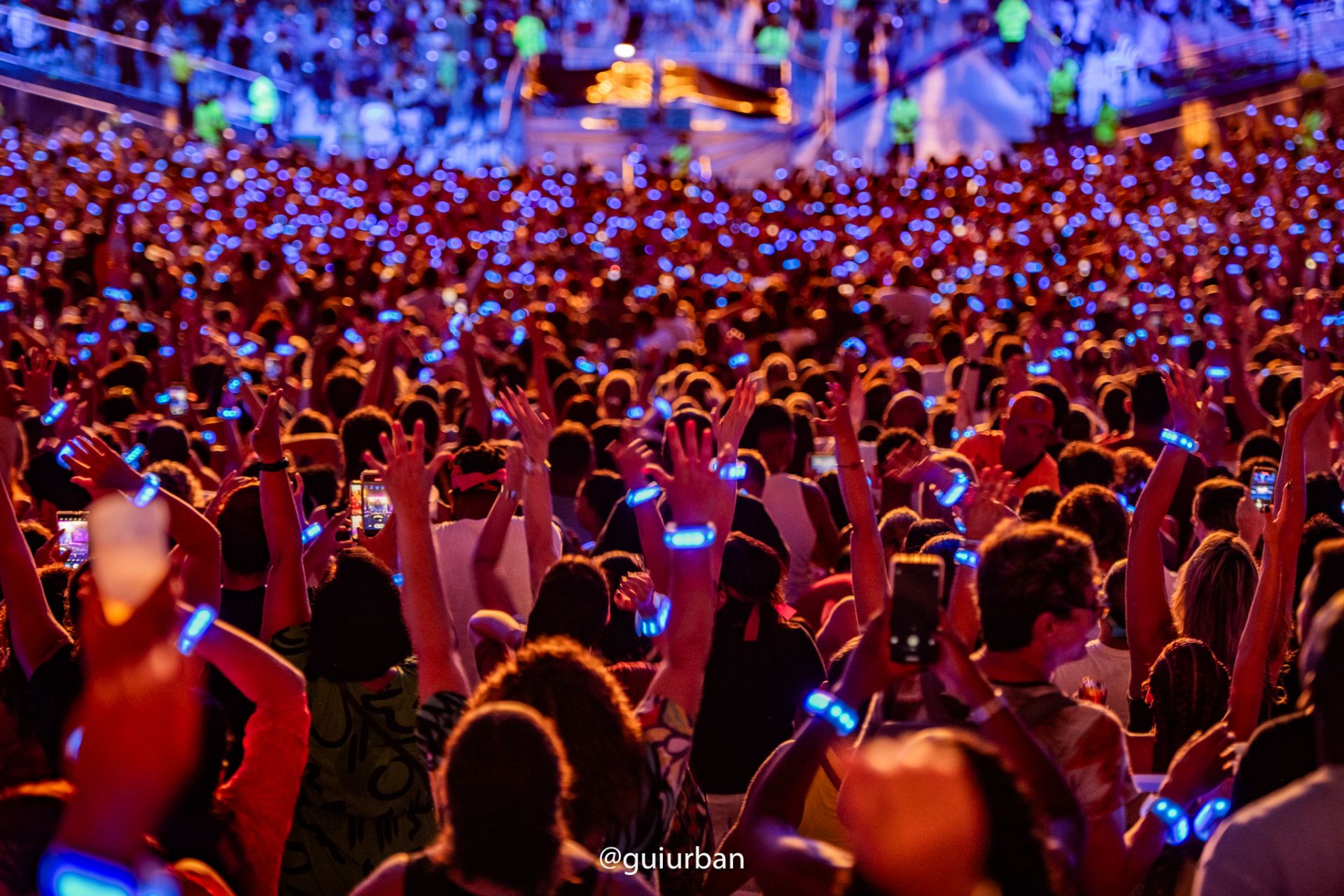
The result was the world’s first radio-controlled LED wristbands, which debuted on Coldplay’s Mylo Xyloto tour. For the first time, a lighting designer could paint with an audience. Entire stadiums could pulse with color, strobing to the beat or washing over with a single, unified hue. The crowd was no longer just watching the show; they *were* the show. This was a pivotal moment in the history of live events, laying the groundwork for a new era of immersive events.
The Modern Era: A Symphony of Synchronized Technology
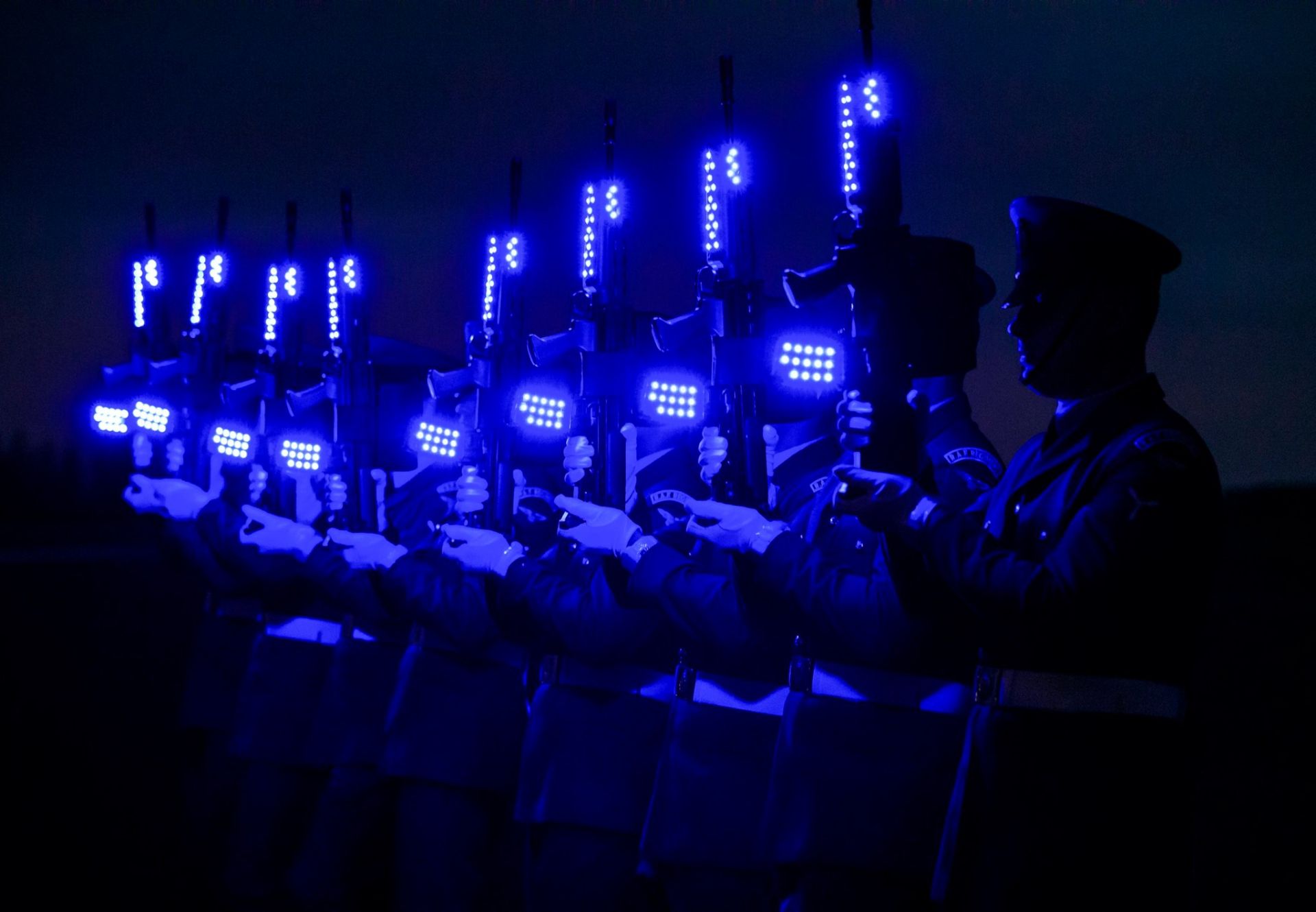
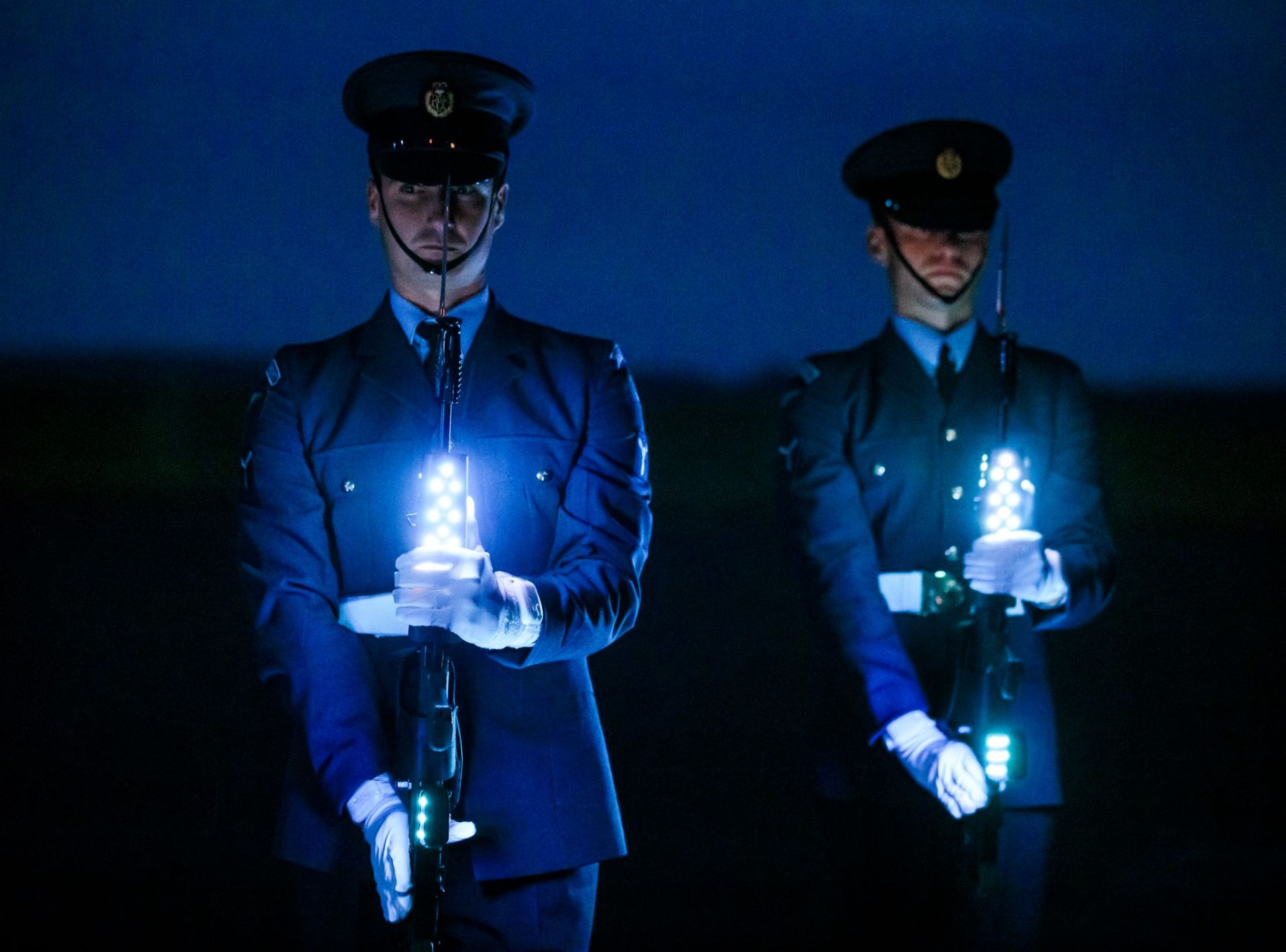
Today, that initial concept has blossomed into a sophisticated ecosystem of wearable LED technology. It’s not just about concert wristbands anymore. The palette has expanded to include LED Lanyards, badges, and even mesmerizing LED Orbs that can be thrown and bounced over the crowd, creating dynamic, interactive moments.
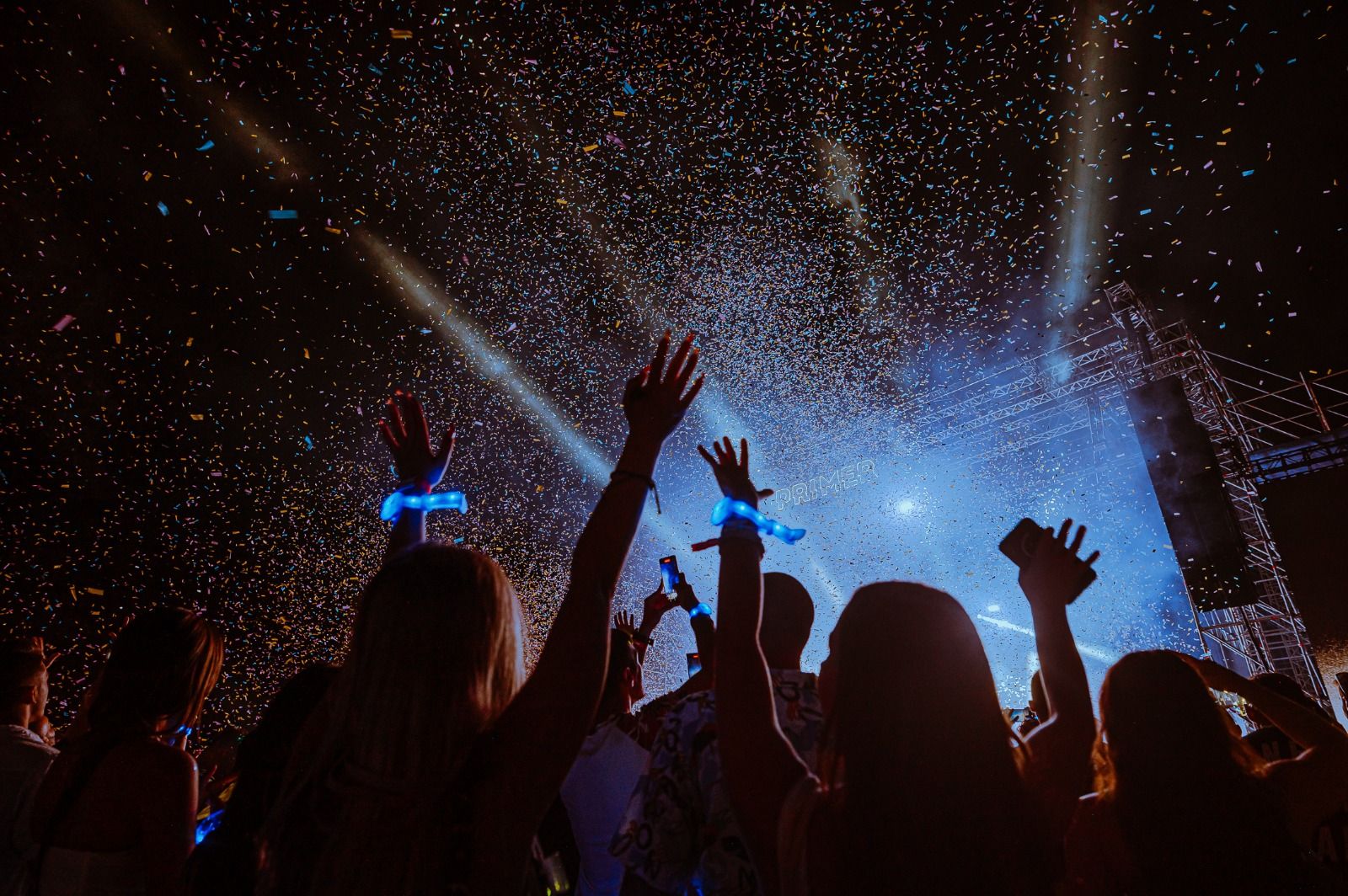
This technology has become a cornerstone of modern event production, from massive global tours to high-stakes corporate event activations. We’ve seen it create unforgettable moments at the Davis Cup, bring television studio audiences for shows like ITV’s ‘Beat The Chasers’ into the broadcast, and add layers of excitement to festival wristbands at events like Greece’s PRIMER Music Festival. Artists like Maluma and Wizkid have used Xylobands to forge an even deeper connection with tens of thousands of fans in sold-out arenas, making each person feel seen and part of a collective energy.
The level of control is staggering. With modern radio controlled LED wristbands, it’s possible to:
- Create complex, multi-color lighting effects across an entire stadium.
- Isolate specific sections of the crowd, turning them into unique visual elements.
- Synchronize light pulses perfectly with audio and video cues.
- Trigger effects based on an artist’s movement or specific musical phrases.
Beyond the Light Show: The Future of Immersive Experiences
The evolution doesn’t stop at light. The same infrastructure that powers LED crowd experiences is paving the way for even more integrated forms of participation. We’re moving towards a future where wearables do more than just light up. They can collect data (anonymously, of course) to help event organizers understand crowd flow and energy. They can trigger personalized content or haptic feedback. They can become part of gamified experiences that engage audiences long before the main act takes the stage.
At a Formula One celebration, for instance, we created custom Xylo Pendants for different teams and hospitality levels, allowing for targeted and branded lighting effects that made the experience more personal and exclusive for every fan. This is the new frontier of LED event technology: creating bespoke, multi-sensory experiences on a mass scale.
From a single flame held in the dark to a stadium of 50,000 people lit in perfect harmony, the journey of audience participation technology is a testament to the power of a simple idea: that live events are most powerful when everyone is part of them. The technology has evolved, but the goal remains the same — to guide us home, together, in a shared sea of light.