Before the Lights Go Down: The Meticulous Logistics of a Global Spectacle
The First Domino: The Unseen Journey of a Million Points of Light
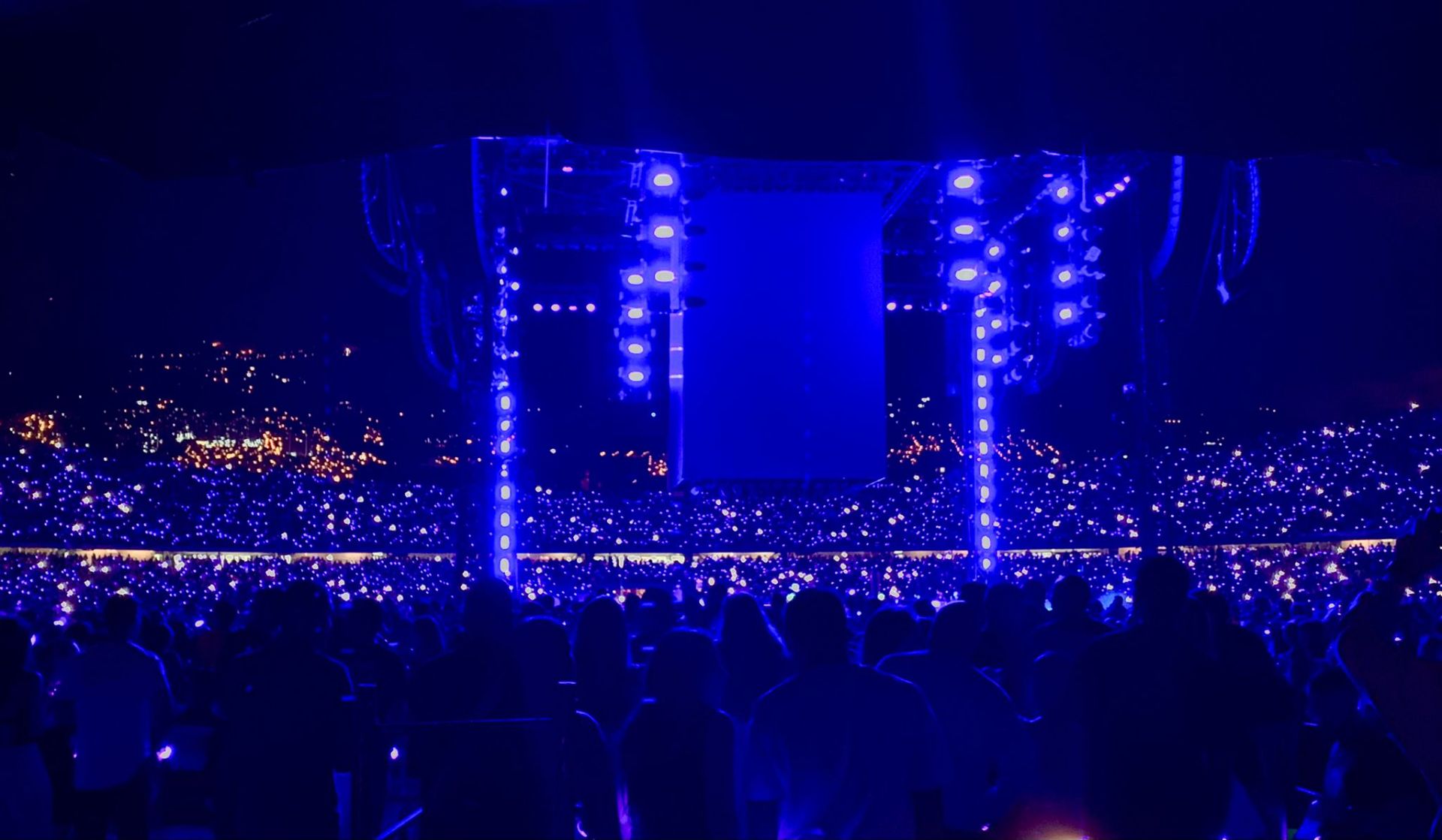
The moment is electric. A stadium holding 50,000 souls is plunged into darkness, a collective breath held in the sudden silence. Then, as the first note of a chorus drops, the entire arena erupts—not just in sound, but in a tidal wave of synchronized light. Every single person becomes a pixel in a grand, moving canvas. It’s a moment of pure magic, the kind that defines modern immersive events. But this magic isn’t conjured from thin air. It’s the final, breathtaking result of a global logistical ballet, meticulously choreographed for months before the first fan ever scans a ticket.
The journey of a single Xyloband from a concept to a concert is a story of precision, scale, and relentless problem-solving. Powering a one-off stadium show for an artist like Maluma or a multi-day festival like Greece's PRIMER Music Festival requires a deep, often invisible, infrastructure. This is the story of that infrastructure—the global chain of custody that ensures millions of points of light are in the right place, at the right time, ready for their cue.
Chapter 1: The Blueprint—From Digital Render to Physical Reality
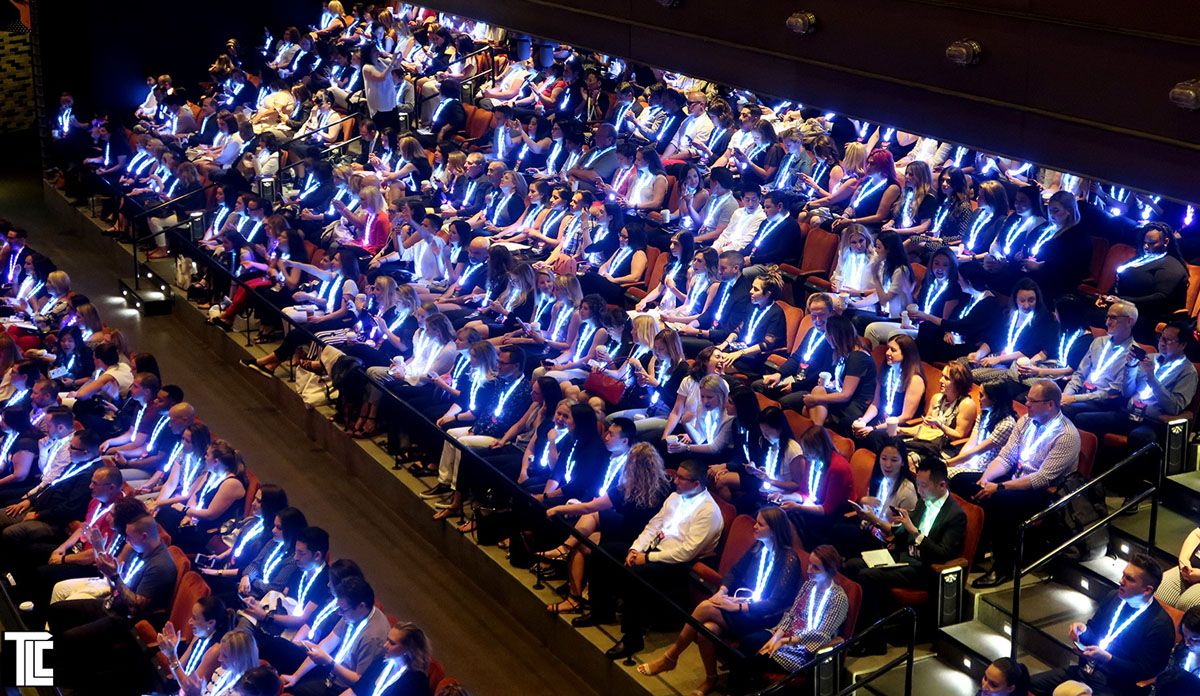
The process begins not in a warehouse, but on a drawing board. Every project is a unique ecosystem. For a major broadcast event like the F1 75th Anniversary show at The O2, this meant creating custom Xylo Pendants with distinct branding for each of the 10 teams, various hospitality levels, and general admission. It’s a complex matrix of design and manufacturing where every unit is a bespoke piece of wearable LED technology.
This initial phase involves a deep collaboration between our client’s creative team and our technical designers. We translate a brand’s identity or a show’s aesthetic into a tangible product. Once designs are approved, manufacturing begins. This isn’t simply churning out generic units; it involves:
- Sourcing and Production: High-quality, reliable components are sourced and assembled into the final wristbands, lanyards, or other form factors.
- Firmware and Programming: Each batch is programmed with the specific firmware needed to respond to our proprietary control systems.
- Quality Assurance: Rigorous testing ensures that every single LED, battery, and receiver functions perfectly. A one-percent failure rate is unacceptable when it means hundreds or thousands of dark spots in a meticulously designed show.
This stage sets the foundation for flawless execution. Creating custom LED wristbands at scale is the first critical link in a long and complex logistical chain.
Chapter 2: The Journey—Global Freight and Deadline-Driven Shipping
With thousands of wristbands manufactured, the next challenge is geography. Our technology has powered events in over 70 countries, from London’s O2 Arena for Wizkid’s historic sell-out run to Maluma’s hometown stadium in Medellín, Colombia. Getting the product there is a masterclass in global freight management.
Pallets loaded with tens of thousands of wristbands, transmitters, and support equipment must navigate a complex web of international shipping lanes and customs regulations. For a world tour, this process is multiplied and magnified. Timing is everything. A delay at a port or a customs clearance issue can jeopardize an entire production. Our logistics teams work weeks, often months, in advance to plot the most efficient and reliable path for the cargo, building in contingencies for the unexpected. Shipping 32,000 units for Wizkid’s three-night residency, for example, requires a different strategy than deploying festival wristbands for an outdoor event like PRIMER.
Chapter 3: The Staging Ground—On-Site Technical Rollout
Once the equipment arrives at the venue, a new phase of meticulous preparation begins. Our on-site technical crew, the unsung heroes of the show-day experience, takes command. Their first task is to conduct a site survey and establish the nervous system of the operation: the radio frequency (RF) network.
No two venues are the same. An open-air festival has a different RF profile than a dense, steel-and-concrete arena or a TV studio like those used by ITV for shows such as Beat The Chasers. Our technicians map the space to identify potential signal dead zones or sources of interference, strategically placing transmitters to ensure that every single wristband—from the front row to the highest seat in the rafters—receives a clear and instantaneous signal. This is the core of what makes radio controlled LED wristbands so effective. It’s this unseen architecture that ensures the spectacle is truly universal, with no fan left in the dark.
Chapter 4: The Final Mile—Choreographing Distribution
With the technical backbone in place, the "final mile" of the logistical journey begins: getting the wristbands to the audience. This is a surprisingly high-stakes element of the operation. The goal is maximum impact with minimum friction.
There are two primary models:
- Seat Placement: For seated events like the Formula One 75 celebration, our distribution or "Distro" team places each device on a seat before the doors open. This is a race against time, but it ensures every guest has their wristband waiting for them. As with the F1 event, this placement is often not random; it can be mapped to specific seating blocks to create complex visual effects across the arena.
- Entry Distribution: At festivals or general admission events, staff hand out wristbands at gates and entry points. This requires careful planning to manage queues and ensure a smooth, welcoming experience for attendees from the moment they arrive.
The efficiency of this final step is paramount. A bottleneck here can sour the guest experience before the show even starts. It’s a human-powered process that requires precision, speed, and a friendly face.
Chapter 5: Beyond the Encore—Sustainable Recovery
The story doesn’t end with the final flash of light. A growing part of our logistical planning is dedicated to what happens after the show. At many events, like Wizkid’s multi-night O2 Arena run, we implement a recovery and reuse program. Collection points are established, and messaging encourages fans to return their wristbands. For that historic residency, bands were collected, topped up, and reused for all three nights before being responsibly recycled. This circular model is a critical part of modern immersive event technology, minimizing waste and demonstrating a commitment to sustainability that resonates with artists, brands, and audiences alike.
The Symphony of Spectacle
The next time you’re part of that sea of light, remember the unseen journey. Remember the designers, the logistics coordinators, the on-site technicians, and the distribution crew. The effortless magic of that shared moment is the result of their collective effort—a global symphony of planning and precision. From the initial spark of an idea, to the complex choreography of global logistics, to the final, unforgettable glow, this is the process that allows tens of thousands of individuals to become one spectacular, unified instrument. It’s how the legendary Coldplay Xylobands moments are made, and it’s the blueprint for the future of LED crowd experiences.