The Unseen Atlas: A Playbook for Global Touring Logistics
The Show Before the Show
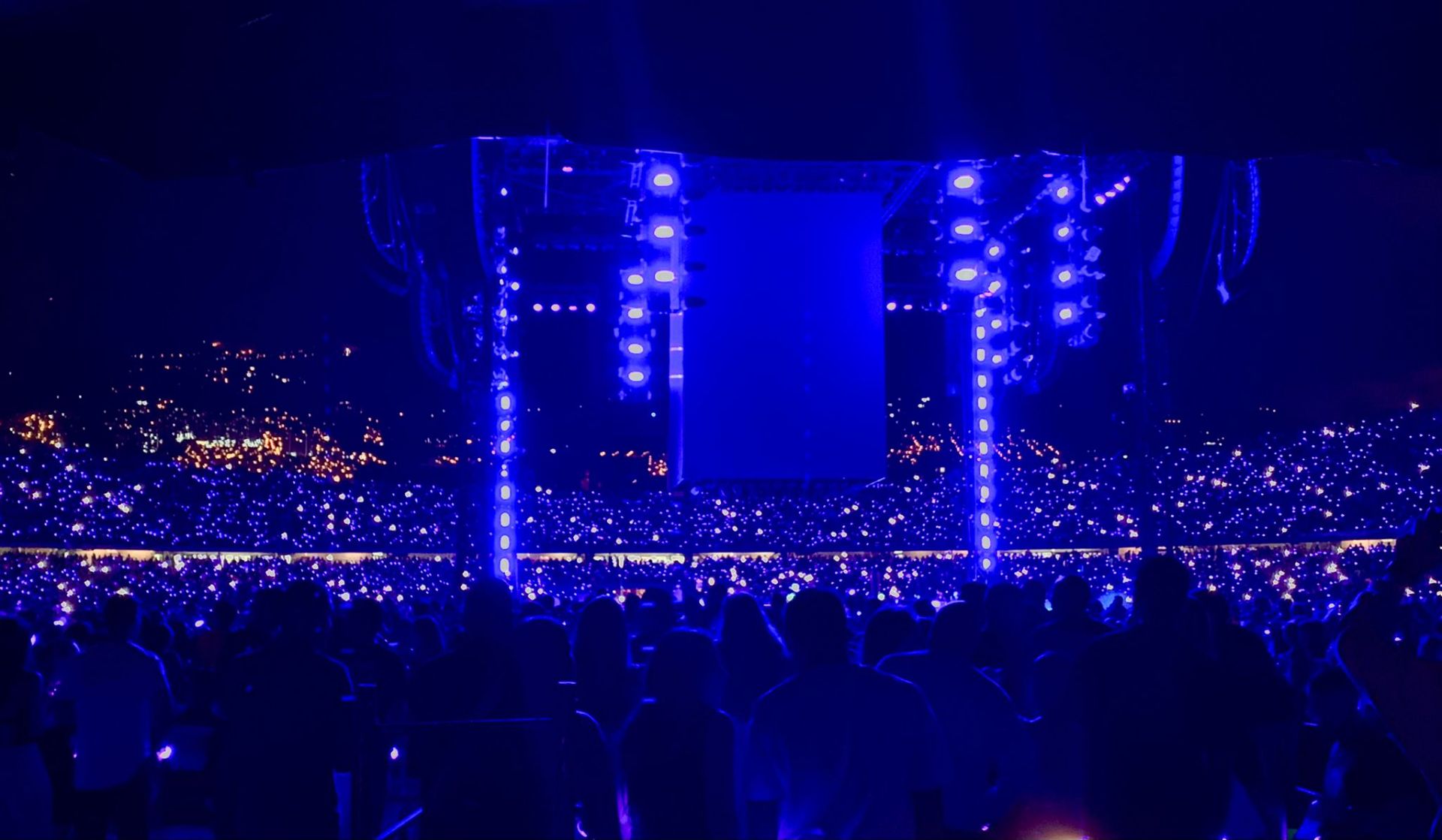
The house lights dim. A roar erupts from 50,000 people. For the audience, the show is just beginning. But for the production team, a different, equally complex performance is already approaching its finale. This is the unseen show: the intricate, high-stakes ballet of global logistics that moves mountains of equipment across continents and through customs, ensuring every component arrives on time, every time. For tour managers, brand marketers, and live-experience designers, mastering this world is not just an advantage; it’s the bedrock of a successful global activation.
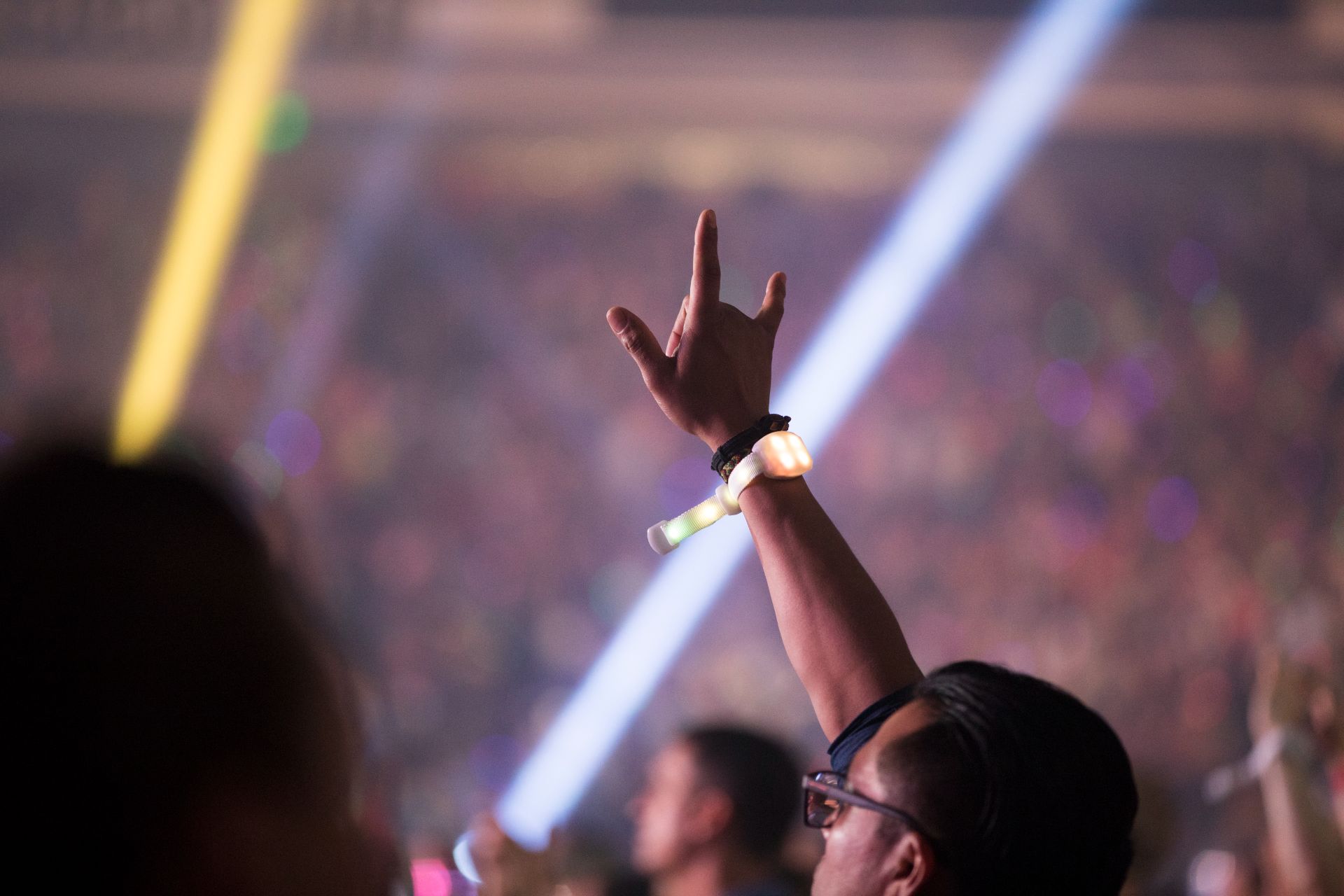
Moving a stadium-sized production is a monumental undertaking. We’re not just shipping a few boxes; we’re transporting the literal architecture of an experience. This can include staging, lighting rigs, audio systems, video walls, and of course, the specialized tech that creates unique LED crowd experiences. At Xylobands, our equipment—from radio transmitters to the LED wristbands themselves—joins this global migration for nearly every major event. It’s a world we know intimately.
The Global Chessboard: Strategy and Foresight
A successful global tour isn’t a series of logistical sprints; it's a long-form game of chess. The board is the world map, and the pieces are your assets. The strategy begins months, sometimes years, before the first truck is loaded.
1. The Carnet is King
The ATA Carnet is the single most critical document in international touring. Often called a “passport for goods,” this international customs document permits the temporary, tax-free, and duty-free export and import of merchandise. Without a meticulously prepared carnet, your entire production can be held indefinitely at a border, incurring catastrophic delays and costs. Every single piece of equipment, from a flight case screw to a complex radio transmitter, must be itemized with its weight, value, and country of origin. Accuracy is not just a goal; it’s a legal and operational necessity.
2. Redundancy is Resilience
For any piece of critical technology—especially proprietary systems that can’t be easily replaced locally—you need a plan B, C, and D. This means building redundant systems into your freight. We often ship backup transmitters and key system components separately from the primary package. This “split-shipping” strategy mitigates the risk of a single lost or delayed shipment jeopardizing an entire performance. If one shipment gets stuck in customs in Colombia for a Maluma stadium show, the backup, routed through a different hub, ensures the show goes on.
Navigating the Gauntlet: Customs and Compliance
Every country has its own unique customs regime, a labyrinth of regulations, tariffs, and radio-frequency restrictions. Navigating it requires specialized local knowledge.
A freight forwarder with a deep network of local customs brokers isn’t a vendor; they are a critical member of your production team. Their expertise can be the difference between a smooth entry and a multi-day hold-up on a tarmac.
This is especially true when dealing with radio-controlled equipment. The spectrum for devices like our radio controlled LED wristbands is governed by different laws in every jurisdiction. What is permissible in the UK may be restricted military bandwidth in another country. Part of our technical preparation for any international event involves deep pre-production work to ensure our systems are fully compliant with local spectrum allocation, guaranteeing that our light show doesn’t interfere with local communications.
The Human Element: Your Most Valuable Asset
For all the talk of carnets and containers, the most important component of any global logistics operation is people. The chain of trust—from the warehouse packer to the freight forwarder, the customs broker, the truck driver, and the local crew—is what makes it all work. These are the unseen army, the experts who solve problems at 3 a.m. in a language you don’t speak.
We’ve seen this firsthand. When we deploy Xylobands for massive events like the Formula One 75th Anniversary celebration or music festivals like Primer in Greece, our own logistics and deployment teams are on the ground. They are the final link in that long logistical chain, responsible for receiving, testing, and distributing tens of thousands of pieces of wearable LED technology. Their ability to work with local teams, adapt to unforeseen challenges, and execute flawlessly is the culmination of months of planning.
The Final Mile: From Flight Case to Fan
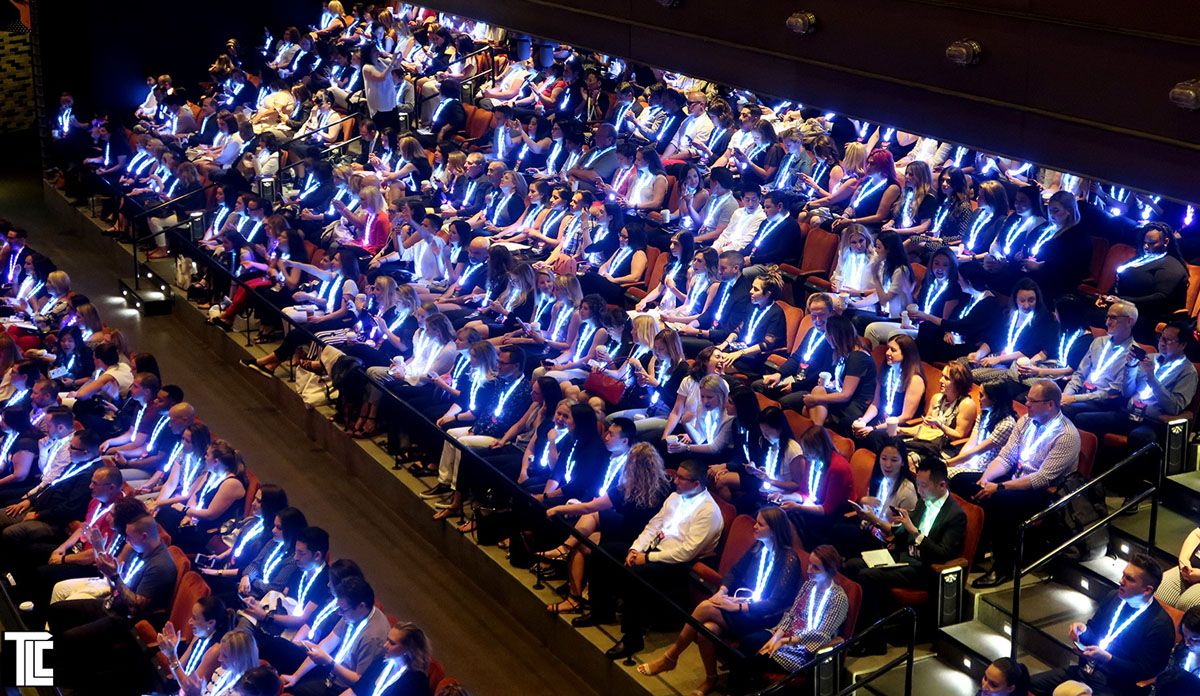
The journey doesn’t end when the crates arrive at the venue. The "last mile" of logistics is just as critical. This is the process of unboxing, setting up, testing, and distributing the technology to the audience. For corporate event activations, this might involve placing thousands of LED Lanyards on seats in a precise order. For a stadium show, it’s about ensuring every one of the 50,000 concert wristbands is ready to light up on cue.
This final stage is where logistical planning transforms into audience experience. When done right, the technology feels like magic. It appears, it works, and it unites the room. The months of planning, the endless paperwork, the tense moments at customs—they all dissolve into the background. All that remains is the shared, immersive experience, a crowd transformed into a single, pulsing canvas of light. And then, as the last note fades, the process begins all over again, for the next city, the next stage, the next show.