The Choreography of Command: A Leadership Playbook for Live Production
The Unseen Performance
In the world of live events, the audience sees the seamless spectacle: the lights, the sound, the artist hitting their mark. But behind the curtain, another performance is unfolding—one of logistics, command, and relentless problem-solving. This is the domain of the tour manager, the production head, the creative director. They are the conductors of an unseen orchestra, and their instrument is the entire production apparatus. For these leaders, the real show is the choreography of command.
Leading a high-stakes production, whether for a global music tour, a festival like PRIMER, or a major corporate activation, is an exercise in applied trust. It’s about building a system of distributed authority where every department head—from lighting to audio to security—is empowered to make critical decisions in real-time. The traditional top-down hierarchy is too slow, too brittle for the fluid dynamics of a live environment. Modern leadership in this space is about creating a resilient command chain, one that can absorb shocks and adapt on the fly.
The Architecture of Trust
Trust is not a soft skill in live production; it is the core infrastructure. It’s what allows a lighting director to experiment with a new sequence, knowing the audio team is in sync. It’s what gives a tour manager the confidence to greenlight a complex logistical pivot, knowing their team on the ground can execute. This trust is built not in the heat of the show, but in the meticulous preparation that precedes it.
It starts with a shared language and a shared vision. When artists like Maluma or Wizkid plan their landmark stadium shows, the creative vision is the North Star. But it’s the production leadership’s job to translate that vision into a viable operational plan. This involves a delicate negotiation between the ambitious and the achievable, the creative and the technical. It requires leaders who are fluent in both languages and who can foster a culture of mutual respect between the two camps.
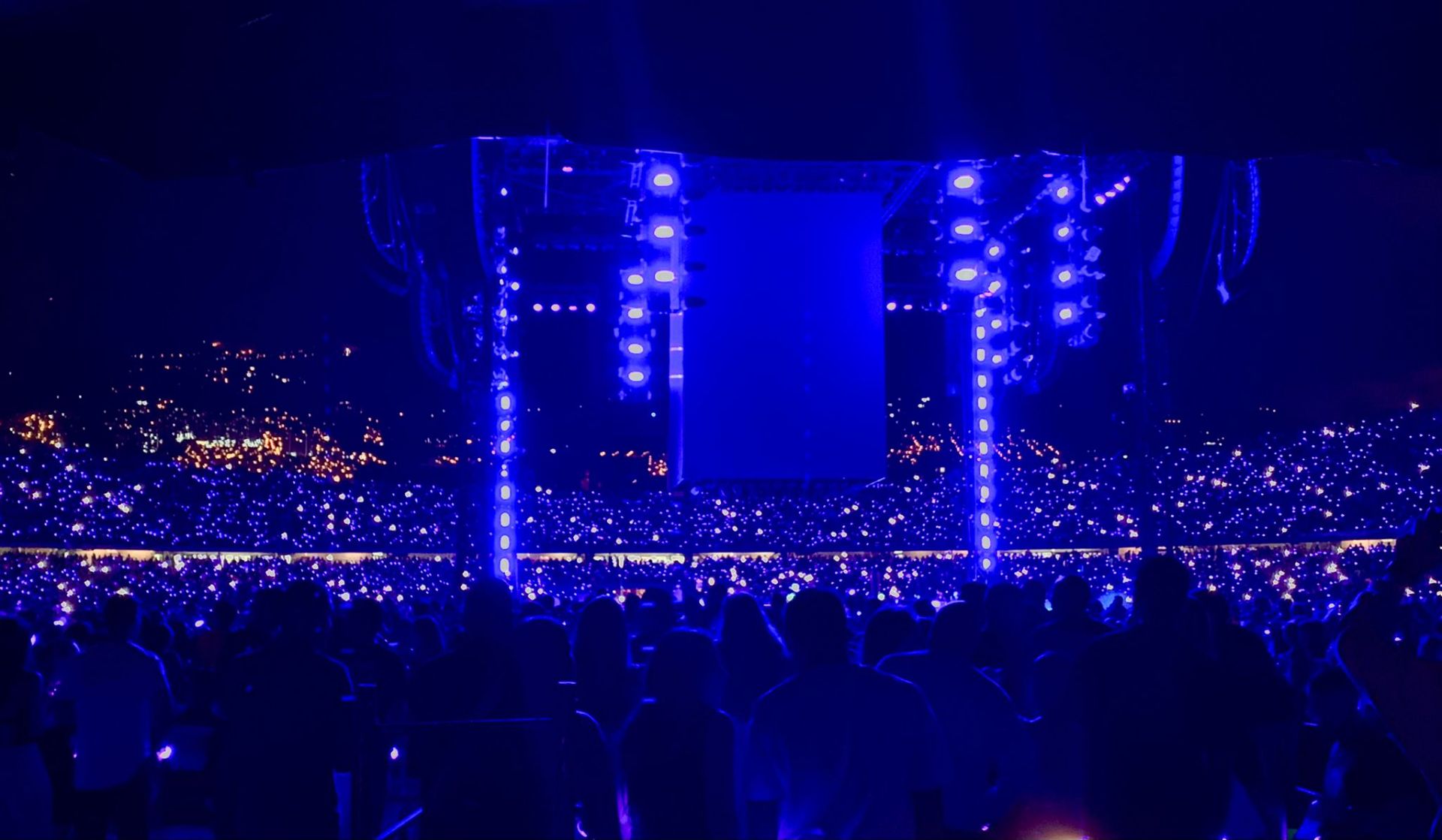
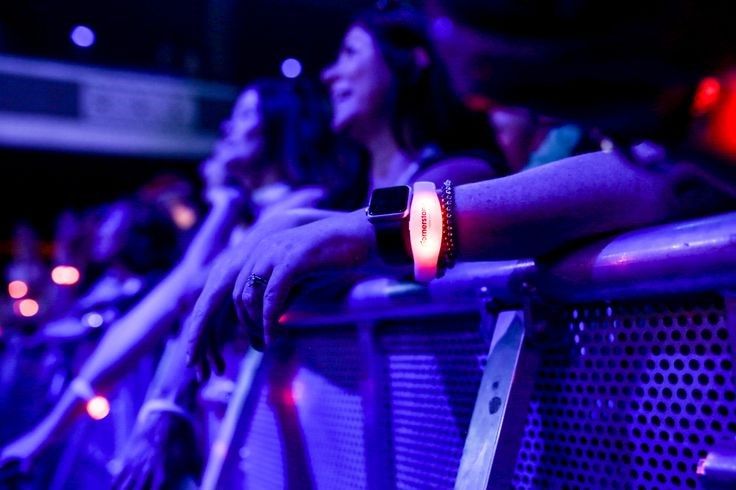
This is where technology often acts as a bridge. Innovations like LED crowd experiences are not just creative tools; they are platforms for collaboration. Designing a moment with Xylobands, for example, necessitates a deep integration of lighting design, show choreography, and even broadcast planning. It forces a level of inter-departmental cooperation that strengthens the entire production ecosystem.
Leading Through Complexity
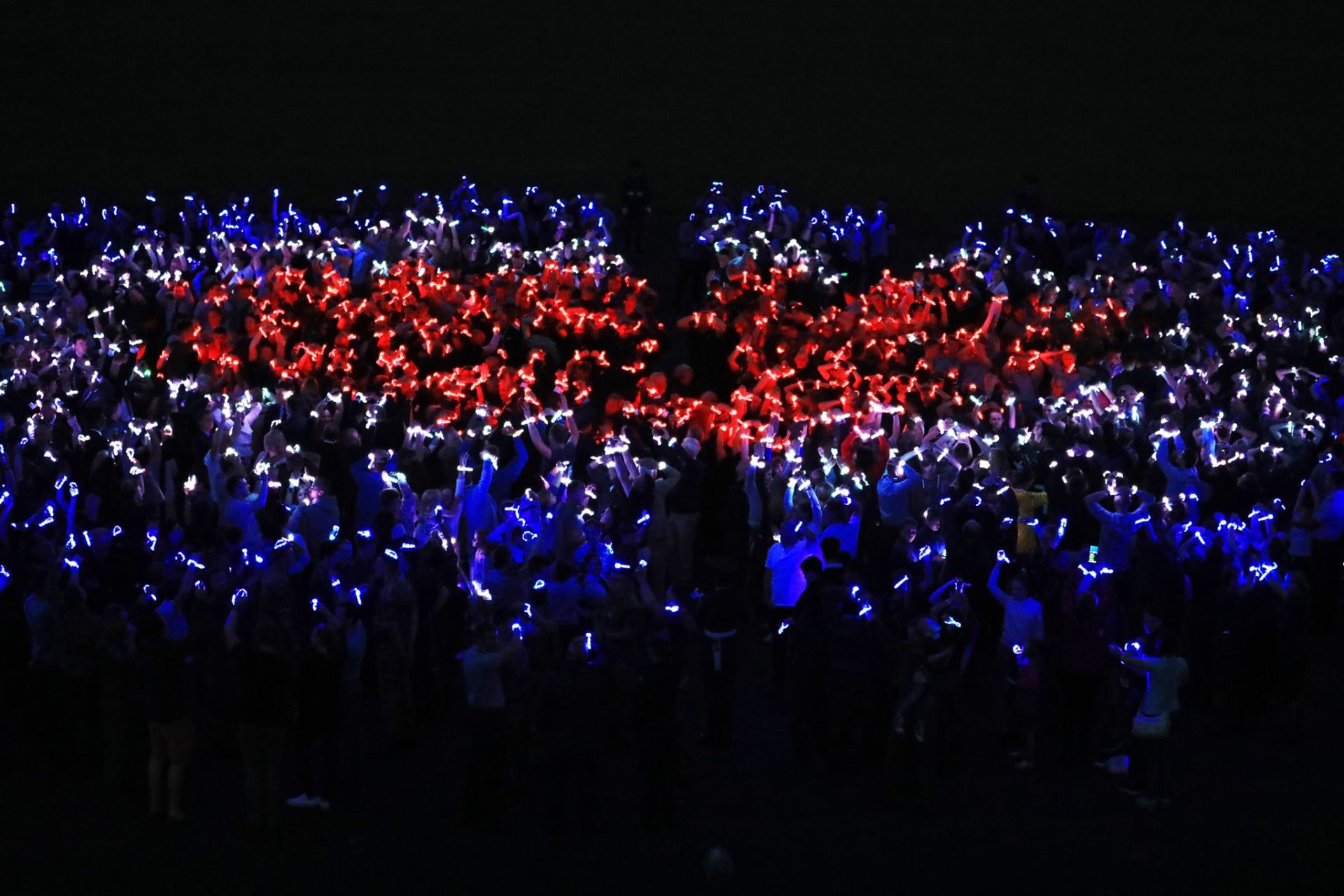
The modern live event is a system of immense complexity. Consider the F1 75 anniversary event at The O2 Arena. It wasn’t just a concert; it was a live broadcast celebrating 75 years of motorsport history, featuring multiple musical acts, all 20 drivers, and intricate branding requirements for each team. The deployment of 13,000 custom LED Lanyards (Xylo Pendants) was a production in itself, requiring precise placement to achieve specific visual effects for the camera.
Leading such an operation requires a specific mindset: the ability to hold the big picture while simultaneously managing microscopic detail. It’s about understanding the macro-level story—the narrative of the event—while ensuring that every micro-level component, from a single wristband to a specific lighting cue, serves that story. This is not about micromanagement. It is about creating a framework of excellence and then trusting your team to operate within it.
“The most effective leaders in this industry don’t just manage logistics; they steward the creative vision. They build a culture where technical precision and artistic expression are seen as two sides of the same coin.”
Key Pillars of Modern Production Leadership:
- Radical Transparency: In a high-stakes environment, information silos are dangerous. Effective leaders create channels for open, honest, and immediate communication across all departments.
- Empowered Execution: The person closest to the problem is often the best person to solve it. Great leaders empower their department heads to make decisions, fostering a sense of ownership and accountability.
- Resilient Systems: Plan for failure. The best productions don’t just have a Plan A and B; they have a robust system and a culture of improvisation that can handle any eventuality. From weather delays to tech malfunctions, resilience is key.
- A Culture of ‘Plus One’: Encourage a mindset of continuous improvement. How can we make this cue 1% better? How can we streamline this process for the next show? This relentless pursuit of excellence is what separates the good from the legendary.
The Human Element
Ultimately, the choreography of command is a human endeavor. It’s about understanding the pressures your team is under, recognizing burnout before it happens, and celebrating the wins, big and small. The world’s biggest artists and brands, from Coldplay to Formula One, rely on these unseen leaders to make the magic happen. They are the architects of the audience experience, the stewards of the creative vision, and the silent heroes of every unforgettable live event.
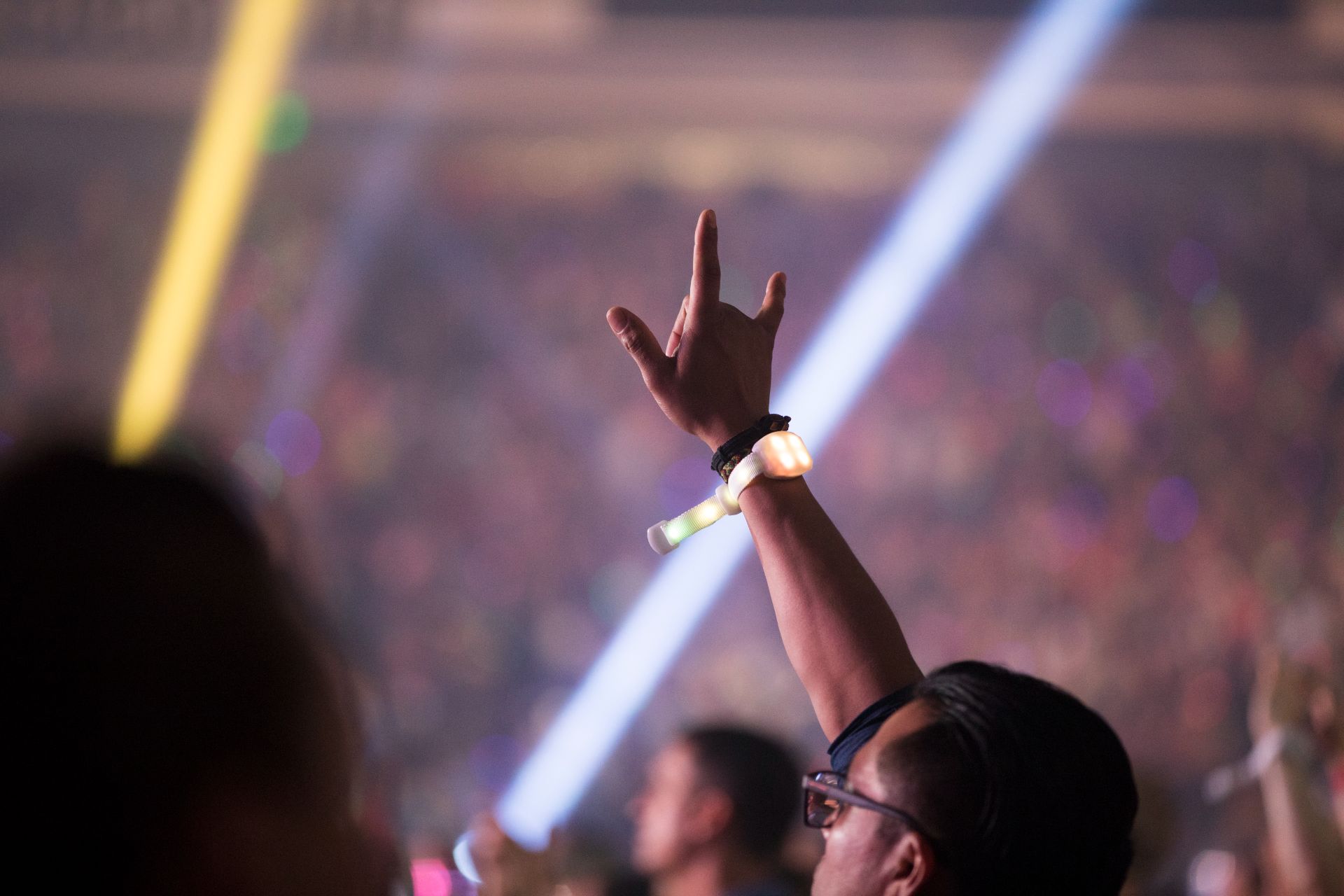
By integrating tools like immersive event technology and fostering a culture of trust and empowerment, they ensure that every element, from the stage lighting to the concert wristbands on every audience member’s arm, works in perfect harmony. They are the conductors of the collective roar, and their playbook is one of precision, passion, and unwavering command.