The Brightest Play: Deconstructing the Modern Sports Halftime Show
The Second Spectacle
The whistle blows, the teams retreat, and the field transforms. What was once a battleground of athletic prowess becomes a stage for a different kind of performance. The halftime show is no longer a mere intermission; it has evolved into a high-stakes, multi-million-dollar spectacle, a show within the show. For event producers, choreographers, and broadcast teams, this 15-minute window is one of the most technologically demanding and creatively ambitious productions in live entertainment.
From the Super Bowl to the Davis Cup, the modern halftime show is a masterclass in precision, merging headline talent with complex lighting, audio, and visual cues. But a new, powerful element has entered the playbook: the crowd itself. Through the strategic use of wearable LED technology, the audience is no longer just watching the show; they are becoming a vibrant, pulsating part of the visual architecture.
The Stadium as a Living Canvas
Traditionally, stadium lighting was about one thing: illuminating the field of play. Today, it’s about creating a 360-degree environmental experience. The challenge, however, is that a stadium is a vast, open-air space, notoriously difficult to control from a lighting perspective. While stage lighting and pyrotechnics create focal points, they often leave the most significant part of the venue—the audience—in relative darkness.
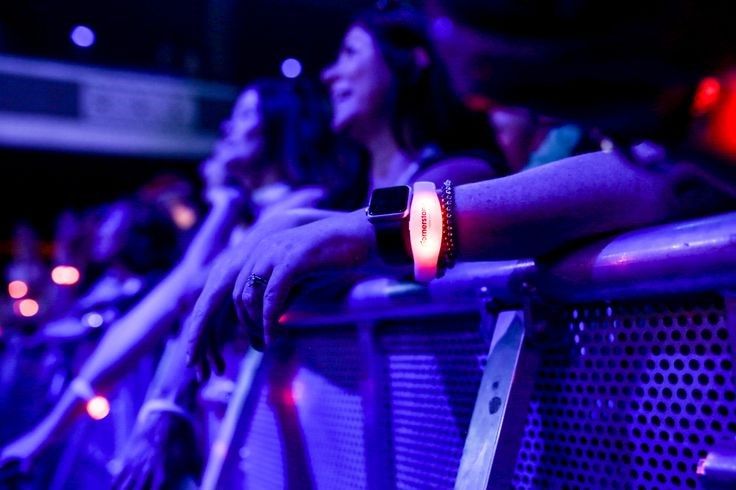
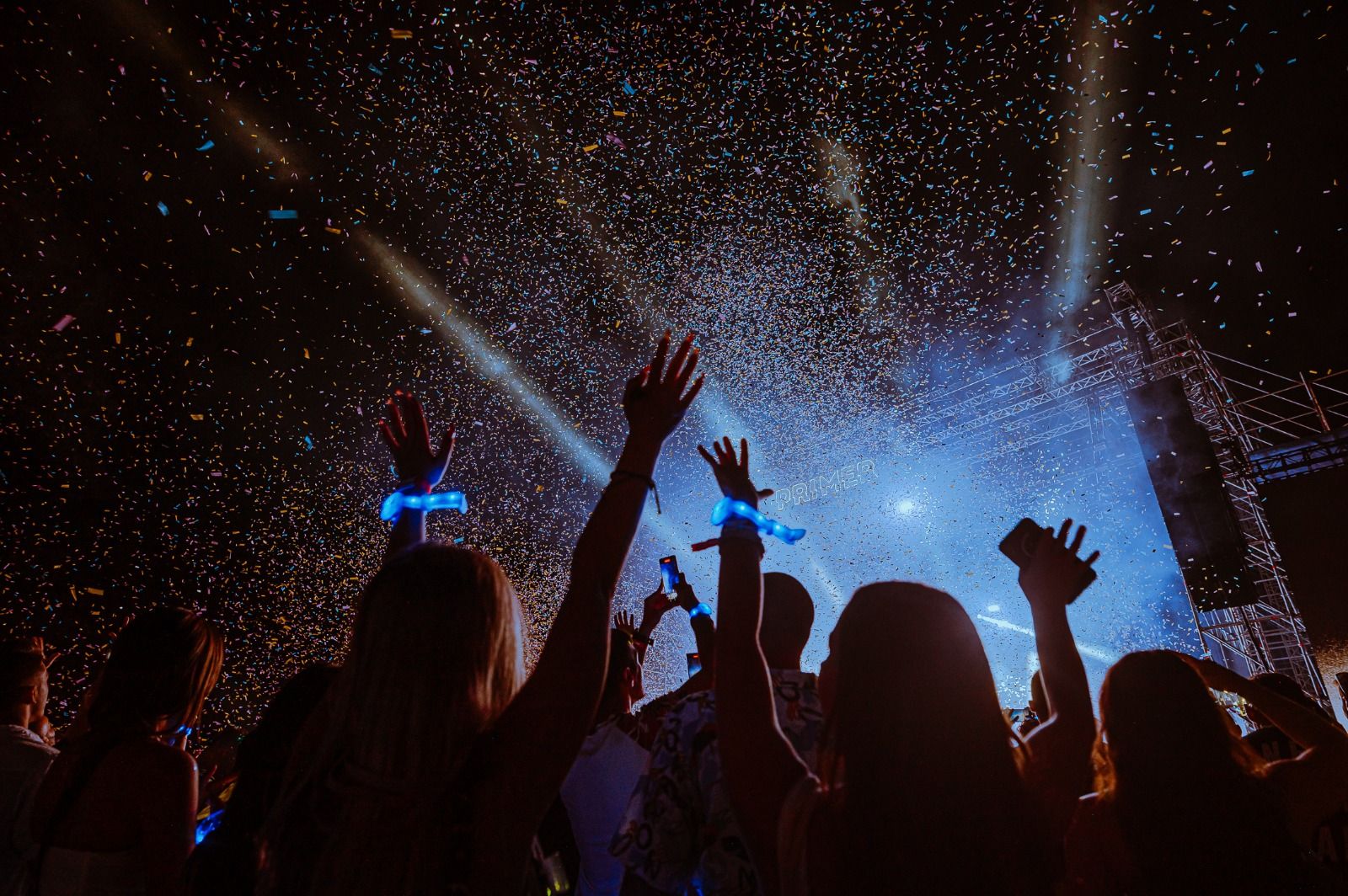
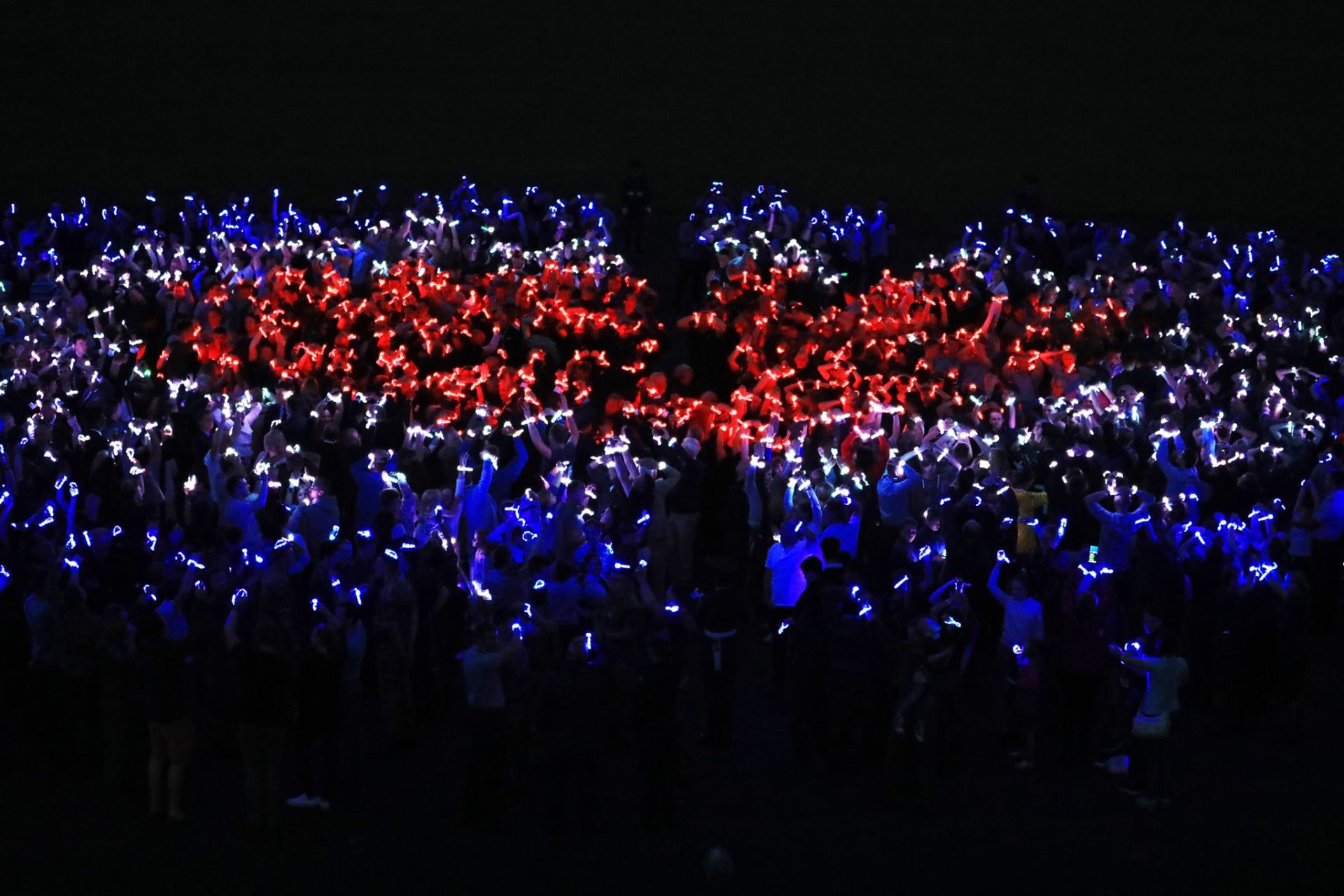
This is where immersive event technology comes into play. By equipping every fan with a radio-controlled LED wristband or lanyard, show designers can instantly transform tens of thousands of individual spectators into a single, cohesive canvas of light. Suddenly, the entire stadium bowl can pulse with team colors after a touchdown, flash in sync with a drum solo, or cascade with intricate patterns that flow from the stage to the highest tier of seating.
“Turning the crowd into the canvas is about more than just a cool visual effect. It’s about creating a sense of unity and shared experience. It’s the technological equivalent of a stadium-wide chant, a visual roar that’s as powerful as the audible one.”
Choreography Beyond the Stage
The integration of LED crowd experiences adds a new layer of complexity and creative potential to show choreography. The process begins months before the event, involving a tight collaboration between the artist’s creative team, the broadcast director, and the technology provider.
Here’s a simplified look at the technical and creative workflow:
- Seat Mapping and Zoning: The first step is to create a digital map of the venue. The stadium is divided into hundreds of zones based on seating sections, tiers, and aisles. This allows lighting programmers to send targeted signals to specific areas, creating everything from simple color blocks to complex, flowing animations. For the F1 75th Anniversary event, for instance, we created custom Xylo Pendants that were distributed based on hospitality levels and seating areas to achieve dynamic, show-integrated effects.
- Timecode Synchronization: The entire show is run on a timecode track. Every lighting cue, video element, and pyrotechnic effect is programmed to fire at a precise millisecond. The radio controlled LED wristbands are synchronized to this same master clock, ensuring they activate in perfect harmony with the music and on-stage action.
- Programming the Narrative: The lighting programmer, guided by the creative director, begins to "paint" the crowd. This is a meticulous process. They might program a slow, gentle fade for a ballad, a rapid-fire strobe effect for a high-energy dance number, or a sweeping wave of color that follows a performer across the stage. This is the unseen choreography, a light show that extends far beyond the physical stage.
Engineered for the Lens and the Room
Halftime shows present a unique challenge: they must be spectacular for the fans in the stadium and equally compelling for the millions watching at home. This is what we call the "two-audience problem." A lighting effect that looks amazing in person can appear chaotic or underwhelming on a television screen, and vice versa.
Crowd-based LED experiences are uniquely suited to solve this. For the broadcast audience, aerial shots from spider-cams and helicopters can capture the full scale of the spectacle, showing the entire stadium lit up as one. These wide shots become signature moments of the broadcast, providing a sense of scale that’s impossible to achieve with stage lighting alone. Meanwhile, for the fans in their seats, the experience is deeply personal. They are physically part of the effect, holding the light in their hands, which fosters a powerful sense of connection to the performance and the community around them.
This dual impact was on full display during Maluma’s historic Medellín concert. With a live audience of 54,000 and millions streaming on Amazon, the use of Xylobands ensured that every viewer, whether in the stadium or in their living room, felt the immense scale and energy of the event.
The Future of the 12th Man
As sports entertainment continues to push creative and technical boundaries, the role of the audience will only grow. The "twelfth man"—the idea that the crowd is an active participant in the game—is now being integrated into the very fabric of the entertainment experience. The same technology that lights up a halftime show can be used to amplify key moments in the game itself, celebrating a goal, building tension during a crucial play, or creating team-wide celebrations.
From the roaring stadiums of the World Cup to the electric atmosphere of the Davis Cup, technology like Xylobands provides a powerful tool for unifying a crowd and amplifying emotion. It transforms a passive audience into an active participant, making them an integral part of the spectacle. In the high-stakes world of sports entertainment, that’s not just a nice-to-have; it’s the brightest play in the book.