Beyond the Arena: A Guide to Camera-Ready Broadcast Lighting
The Two-Audience Challenge: Mastering Light for the Lens and the Live Crowd
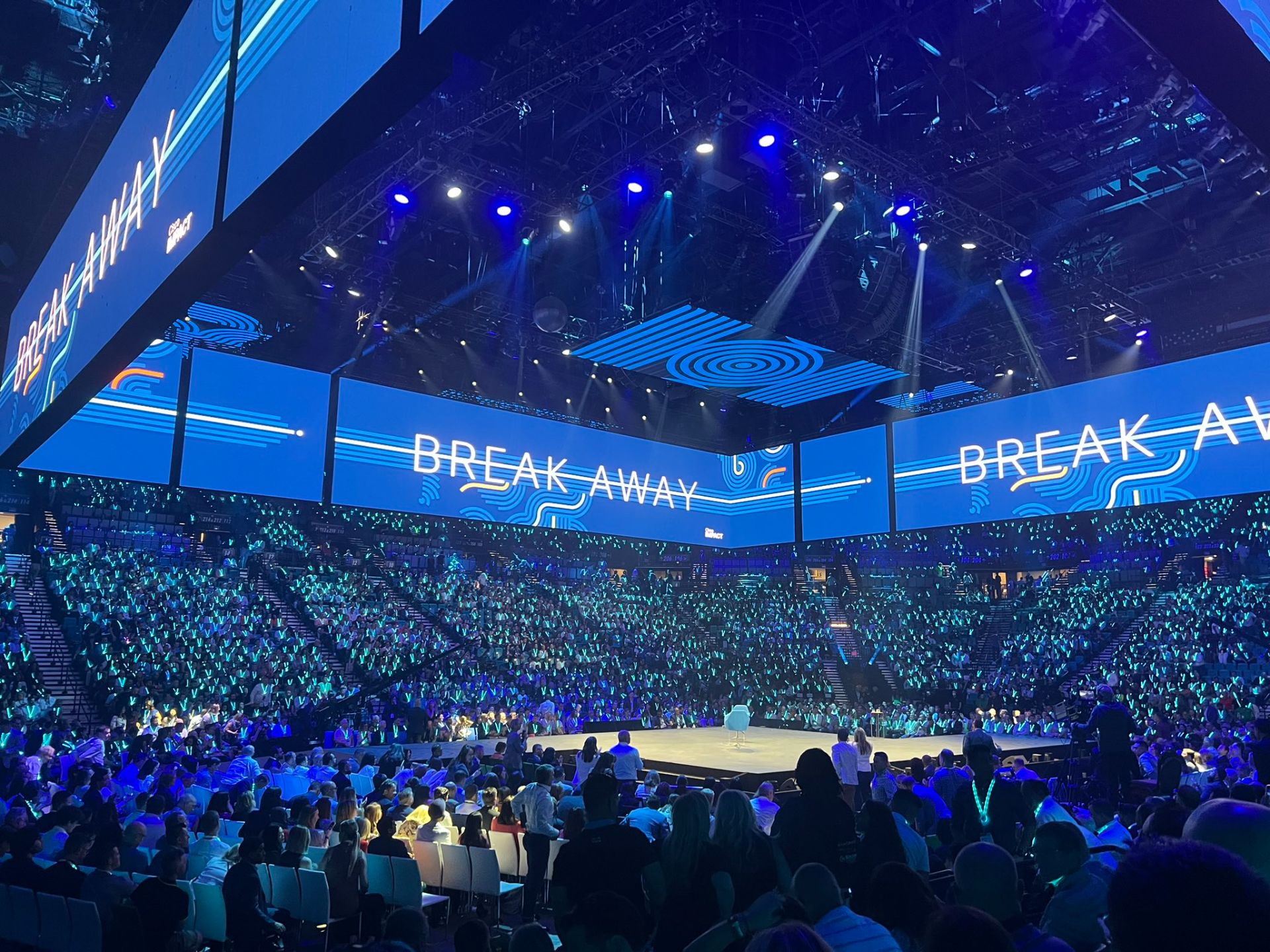
In the world of live events, a quiet revolution is underway. The line between the in-person experience and the global broadcast has blurred, giving rise to the hybrid event. From awards shows and music festivals to major sporting spectacles and flagship corporate activations, producers are no longer lighting for one room. They are lighting for two vastly different audiences: the thousands in the arena and the millions watching at home. This presents a complex, high-stakes challenge: how do you create a visually stunning, emotionally resonant experience that translates flawlessly to the camera without compromising the energy and immersion of the live crowd?
Mastering this duality is no longer a luxury—it’s a necessity. The broadcast audience is not a secondary consideration; it is a co-equal part of the event ecosystem. A lighting scheme that looks spectacular in person can appear flat, blown-out, or incoherent on screen. Conversely, a setup calibrated exclusively for the broadcast can leave the live audience feeling disconnected, observing the event rather than participating in it. The art lies in finding the perfect equilibrium, a task that demands a deep understanding of technology, creative vision, and the nuanced physics of light itself.
The Technical Crucible: What the Camera Sees
The human eye is a remarkably forgiving instrument. It adapts instantly to shifts in brightness, color temperature, and contrast. The camera lens, however, is not so lenient. It is a precise, scientific tool that captures light with unforgiving accuracy. This is the central technical hurdle in broadcast lighting.
Key considerations include:
- Color Temperature and White Balance: A camera needs a consistent white balance reference to reproduce colors accurately. A mix of different light sources (LED, tungsten, daylight) with varying color temperatures can confuse the camera’s sensor, resulting in unnatural skin tones and skewed brand colors. Professional broadcast environments demand meticulous control over the Kelvin temperature of every fixture to ensure a clean, consistent feed.
- Flicker Rate: Many LED lighting fixtures, especially consumer-grade ones, have a flicker that is invisible to the naked eye but can be prominently detected by high-speed cameras, resulting in distracting banding or strobing effects on screen. Broadcast-safe lighting, including high-quality LED wearables, is engineered with high refresh rates to eliminate this issue, ensuring a clean image capture from any camera angle.
- Dynamic Range and Contrast: The camera has a much narrower dynamic range than the human eye. What appears as rich, detailed shadow in person can be crushed to pure black on screen, while bright highlights can be clipped to stark white, losing all detail. The lighting designer must manage the contrast ratio carefully, using fill lights and controlled brightness to ensure that key subjects—performers, speakers, athletes—are perfectly exposed without losing the atmospheric depth of the overall scene.
Painting with People: The Audience as a Canvas
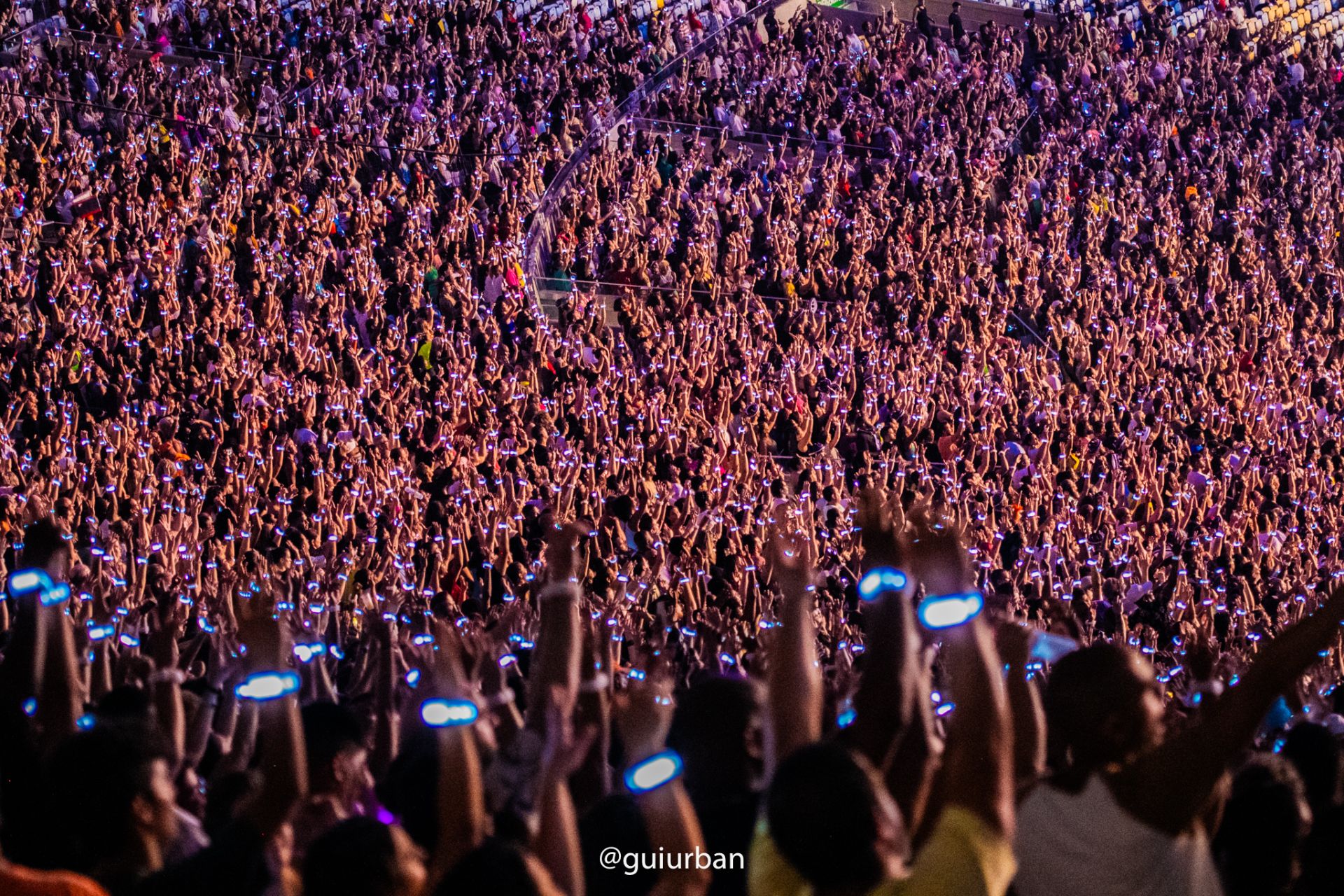
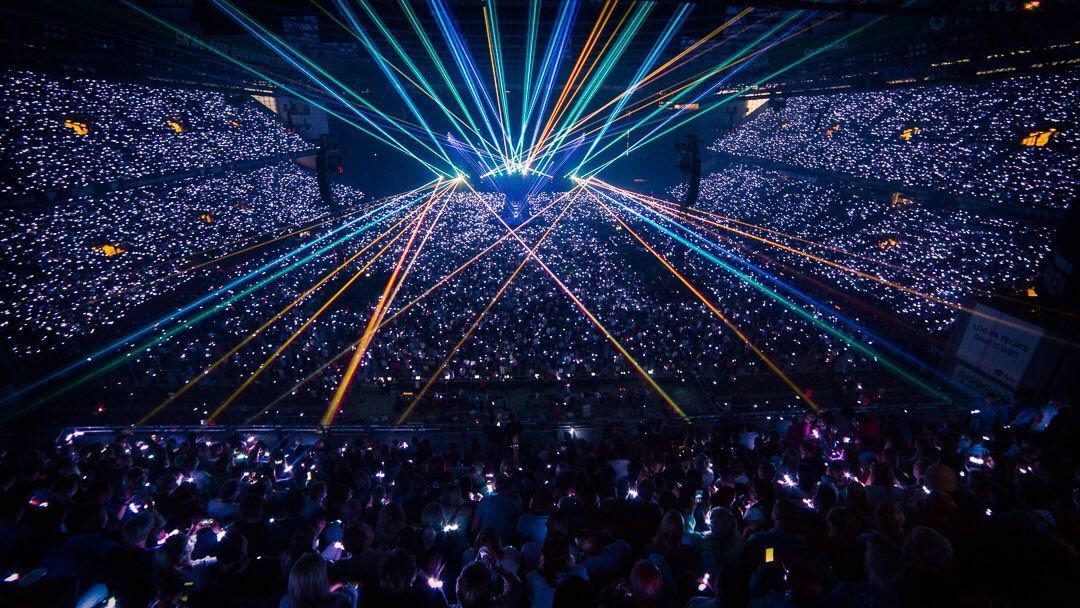
While technical precision is the foundation, the true magic of a modern broadcast event comes from transforming the audience itself into an integral part of the visual spectacle. This is where Immersive Event Technology comes into play, turning passive spectators into an active, moving canvas of light. By making the crowd a visible and dynamic part of the show, you create a sense of scale and energy that a camera can capture and transmit to viewers around the world.
This is a principle we’ve applied in diverse, high-stakes broadcast environments. For ITV, a leader in live television, creating camera-perfect visuals is paramount. Shows like Beat The Chasers integrate the studio audience directly into the drama, using synchronized light to heighten tension and magnify big moments for the viewers at home. The same is true for massive sporting events like the Davis Cup, where lighting up the crowd connects the passion in the stands to the action on the court, creating a more cohesive and thrilling broadcast package.
When Maluma’s historic Medellín concert was streamed live to over 240 countries, the 54,000 fans weren't just attendees; they were part of a unified light show. This use of LED crowd experiences doesn’t just look good on camera—it fundamentally alters the broadcast. It tells the viewer at home: "This is a massive, shared experience, and you are part of it." The camera can pan across a stadium and see not just a crowd, but a single, pulsing entity, a sea of light moving as one.
A Unified Vision: Technology, Teamwork, and Trust
Successfully lighting for two audiences is, above all, a collaborative endeavor. It requires seamless integration between the lighting director, the broadcast director, the creative team, and the technology provider. The conversation must begin in the earliest stages of production, with the broadcast requirements shaping the choice of hardware and the creative concept.
At Xylobands, our process is built on this collaborative foundation. Our radio-controlled LED wristbands and other wearables are designed with the camera in mind, featuring broadcast-safe refresh rates and a wide gamut of programmable colors to match any show’s palette. Whether deploying custom LED wristbands for a brand activation or illuminating an entire stadium for a global tour, our systems provide the granular control needed to satisfy the exacting demands of a broadcast director while delivering the breathtaking visual moments that define modern immersive events.
The future of live events is hybrid. The challenge for creators and producers is to embrace this reality and design experiences that are not just witnessed, but felt—no matter the screen. By mastering the technical demands of the lens and harnessing the creative potential of the crowd, we can create spectacles that are as powerful and memorable for the millions at home as they are for the thousands in the room.