The New Stadium Spectacle: Choreographing Light, Sound, and Story
The Halftime Arms Race
For decades, the halftime show was a functional intermission—a brief, often forgettable, pause in the action. A marching band, a local celebrity, perhaps a pyrotechnic display. Today, it’s an arms race. In the hyper-competitive world of sports entertainment, the field of play is now a stage, and the 15-minute break is a high-stakes performance that rivals the game itself. Producers are no longer just filling time; they are crafting immersive narratives, deploying stadium-scale technology to captivate a global audience watching live and on broadcast.
This shift has transformed the very architecture of a sporting event. It’s no longer enough to have a great game. Teams, leagues, and broadcasters now compete to create unforgettable cultural moments. From the Super Bowl to the opening ceremonies of global tournaments like the Davis Cup, the expectation is for a jaw-dropping spectacle. This new era demands a new kind of creative and technical choreography, one that extends beyond the performers on the field and encompasses every single person in the stadium.
The Audience as a Digital Canvas
The core challenge and opportunity in modern sports entertainment is this: how do you transform 50,000 individual spectators into a single, cohesive entity? How do you make them feel like they are not just watching the show, but that they *are* the show? The answer lies in turning the crowd itself into a dynamic, responsive canvas.
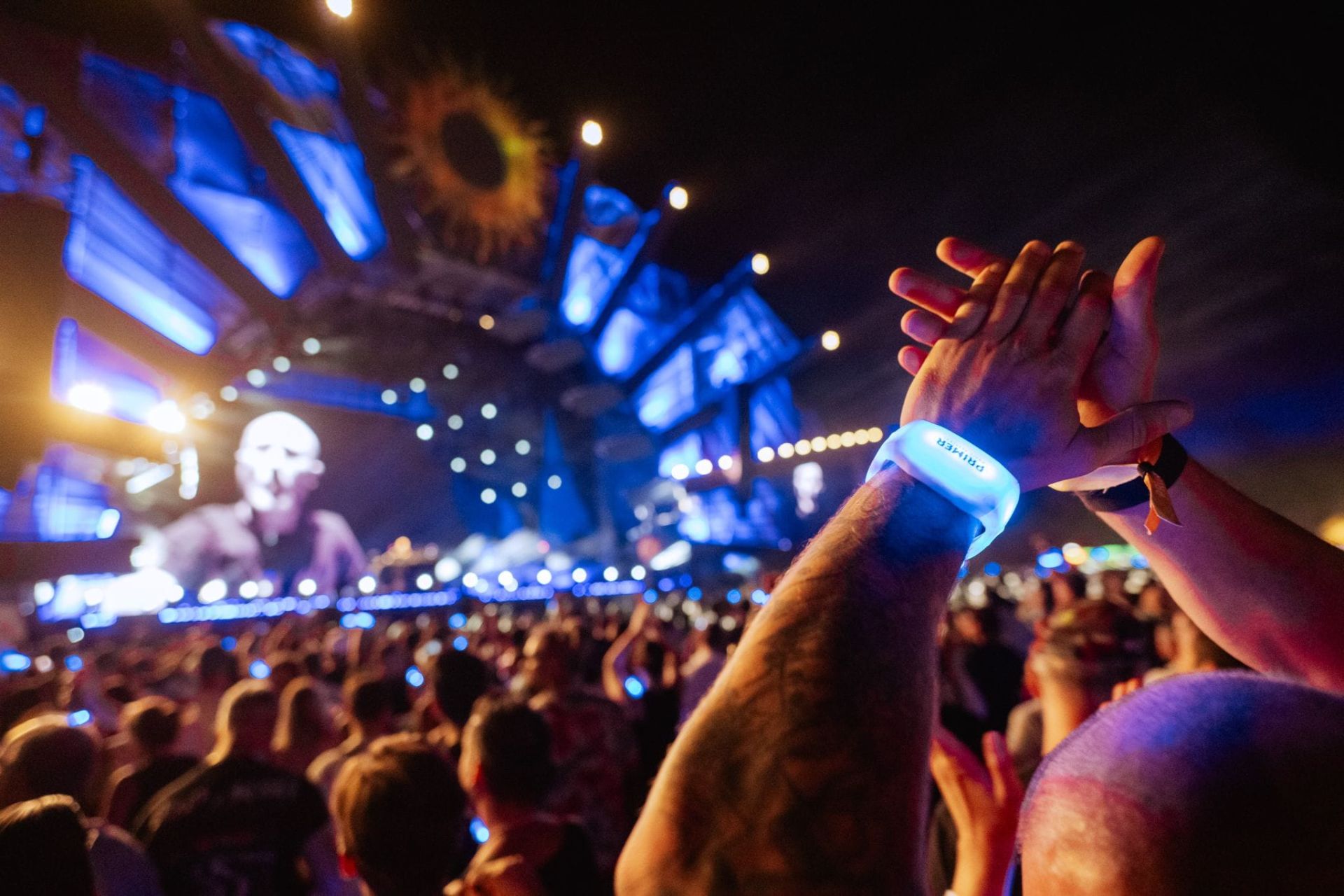
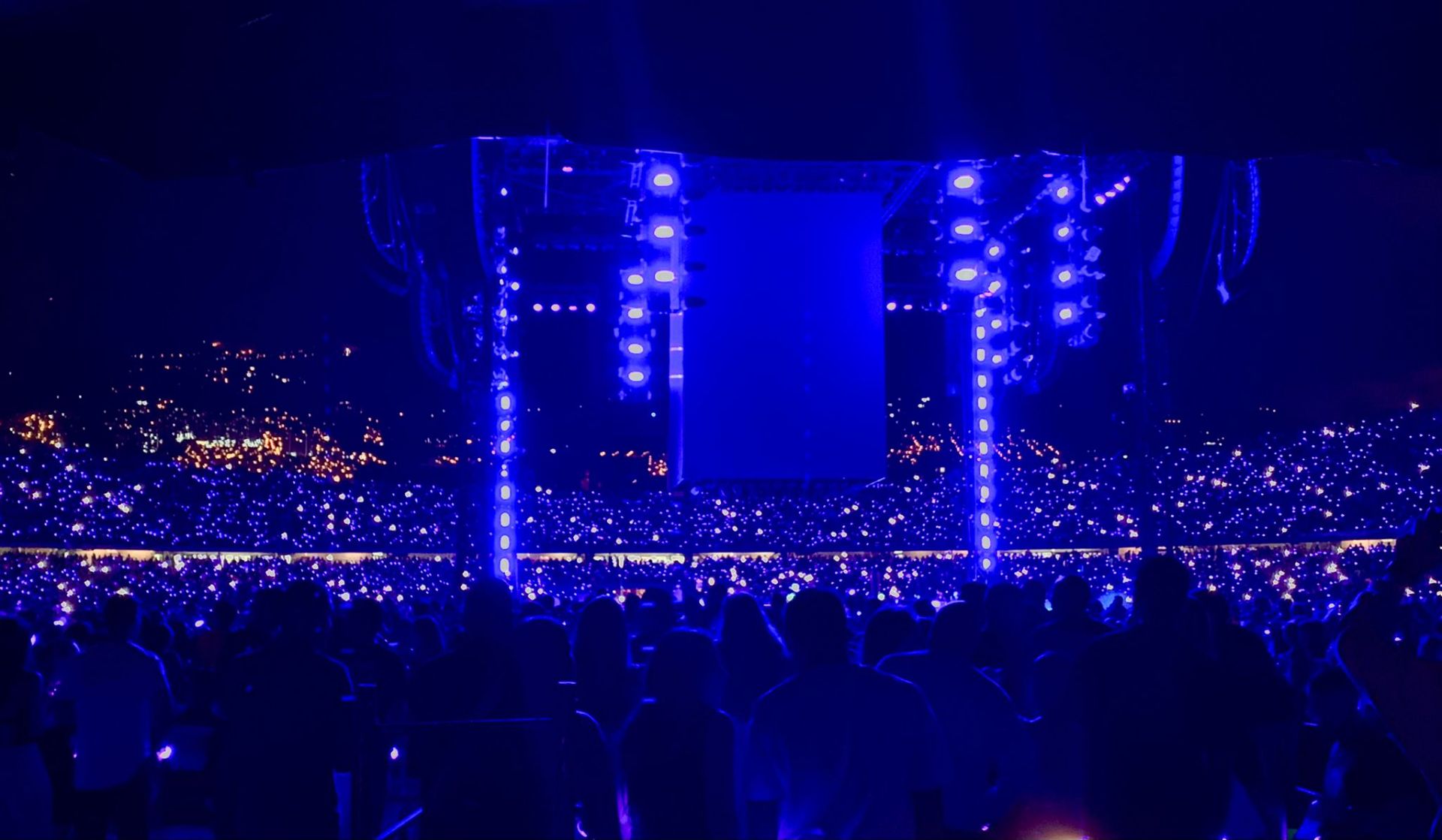
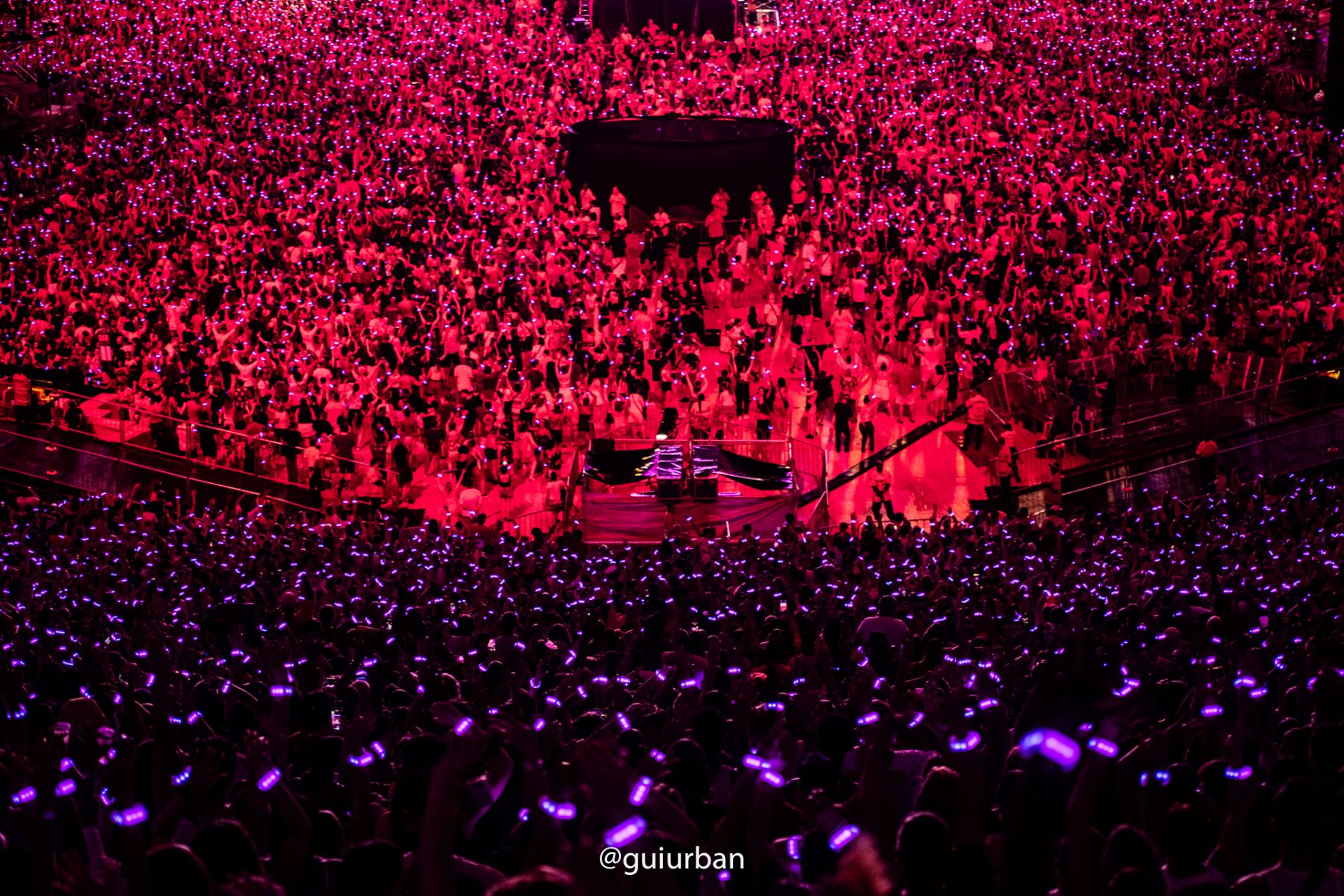
Enter wearable LED technology. By equipping every attendee with a radio-controlled device—like Xylobands LED wristbands or lanyards—producers gain control over a vast, pixelated landscape. Suddenly, the entire stadium bowl becomes a 360-degree video screen. A wave of light can ripple through the stands to celebrate a score. Team colours can pulse in unison during a crucial moment. Complex patterns and logos can be rendered across the human canvas, creating visuals that are simply impossible to achieve with traditional stage lighting.
This is the essence of modern halftime choreography: it’s a dance between light, sound, and the collective energy of the crowd. When Maluma’s historic Medellín concert lit up with 54,000 points of light, each wristband was a pixel in a grander design, making every fan an integral part of the spectacle broadcast to over 240 countries. This is the power of creating truly immersive events.
Choreography Beyond the Stage
1. The Grand Entrance
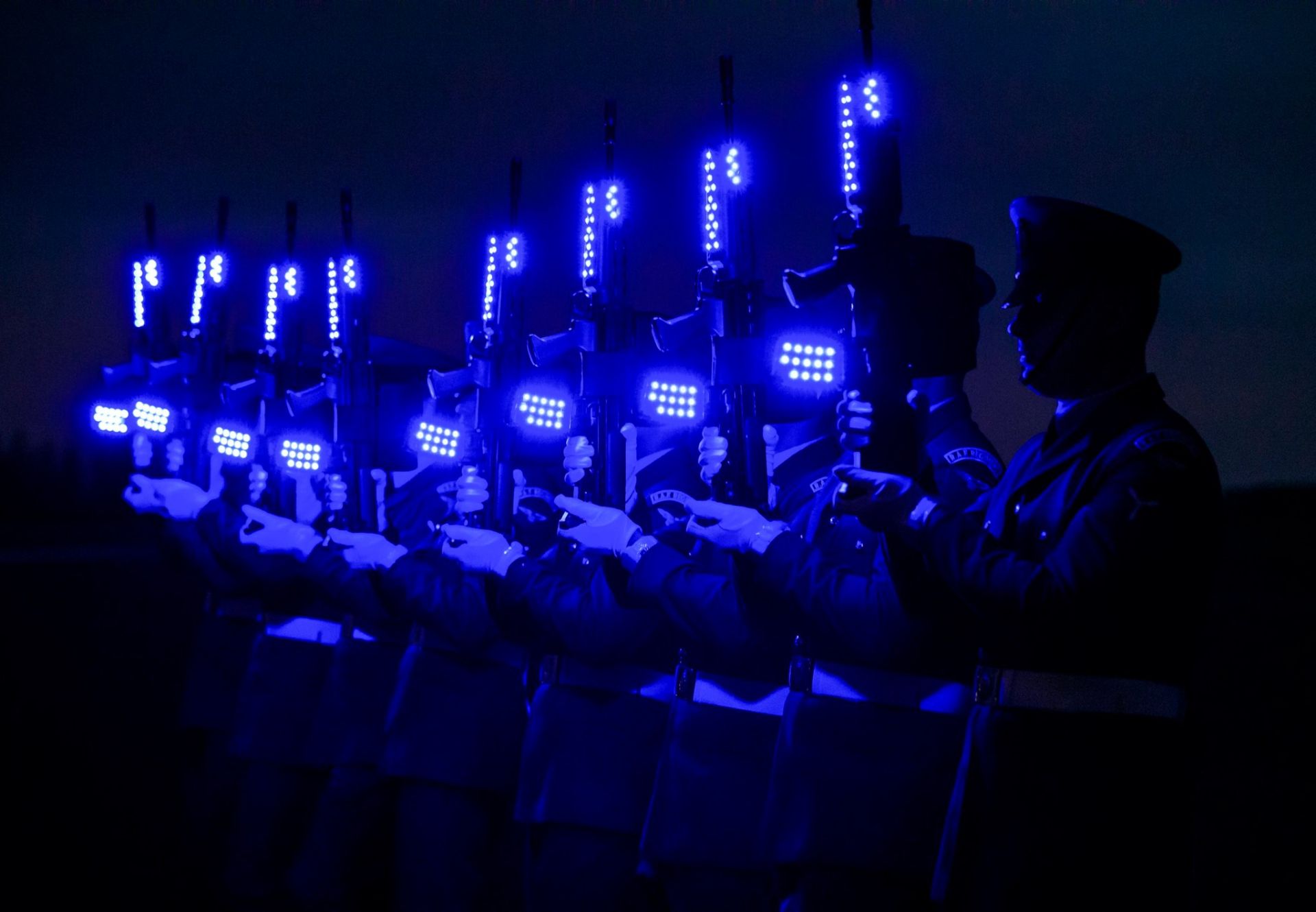
The spectacle begins before the first note. As athletes enter the arena, their path can be illuminated by waves of light rippling through the stands, building anticipation to a fever pitch. Imagine a team’s logo pulsing in light across an entire section, or the national colours sweeping through the stadium during an opening ceremony. This isn’t just an entrance; it's a statement.
2. Storytelling Through Light
A great halftime show tells a story. Immersive event technology allows that story to unfold on a monumental scale. Whether it’s a tribute to a team’s heritage, a celebration of a city, or the narrative arc of a headlining artist’s performance, synchronised light provides a powerful visual language. At the F1 75th anniversary event, for example, custom LED wristbands and pendants were programmed to create specific dynamic effects, visually separating and uniting different fan sections to enhance the broadcast narrative.
3. The Two-Screen Experience
In the age of global broadcasting, the show has two audiences: the people in the seats and the millions watching at home. Choreographing for both is a delicate art. What looks spectacular on a 4K television might be lost in the vastness of a stadium, and vice versa. This is where audience lighting becomes a critical production tool. By turning the crowd into a vibrant, shimmering backdrop, producers create a visually rich experience for the broadcast. It transforms a standard crowd shot into a mesmerising piece of art, as seen in partnerships between Xylobands and broadcasters like ITV, where the live studio audience for shows like 'Beat The Chasers' becomes a glowing, energetic part of the set design.
The Technical Ballet
Executing this level of choreography requires a technical ballet as precise as any performance on the field. It begins with meticulous planning. Seating charts are transformed into pixel maps. Programmers and lighting designers work hand-in-hand with show directors to pre-visualise every cue, syncing light patterns to music, video, and live action down to the millisecond.
The goal is to create a seamless fusion of technology and human emotion. The technology—the radio controlled LED wristbands, the software, the transmitters—must become invisible, allowing the pure spectacle and shared emotion to take center stage.
Deployment is an operation in itself. Distributing tens of thousands of devices and ensuring flawless connectivity across a concrete and steel stadium is a monumental logistical challenge. It requires a deep understanding of RF technology, signal strength, and the unique architectural quirks of each venue. This is the unseen work that makes the magic possible.
The Future is Immersive
As technology continues to evolve, the possibilities for sports entertainment will only expand. We are moving toward a future where every element of the fan experience is connected and interactive. The line between game and show, athlete and performer, spectator and participant, is blurring. The roar of the crowd is being augmented by the flash of a million lights, all pulsing to the same beat.
For event producers, tour managers, and brand marketers, the mandate is clear: think beyond the stage. The most memorable, most shareable, and most impactful moments are no longer confined to the 50-yard line or the center-ice logo. They are happening in the stands, on the wrists of every fan, in the shared, illuminated heartbeat of the stadium. This is the new choreography of spectacle.