The Choreography of Command: A Leadership Playbook for High-Stakes Live Production
The Unseen Structure of Spectacle
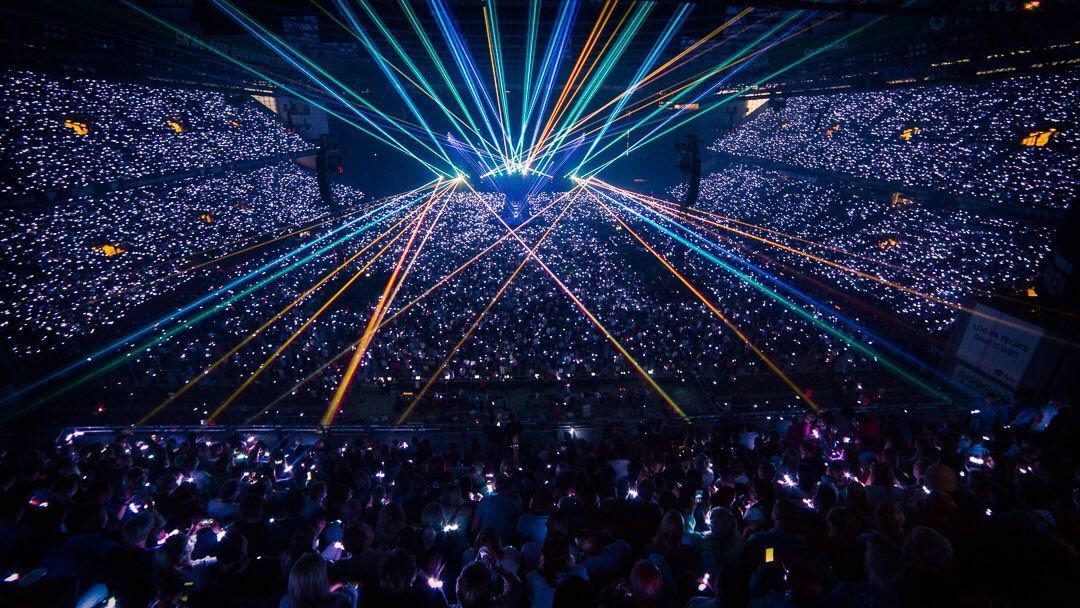
In the world of global touring and large-scale event production, the final spectacle—the roar of the crowd, the perfectly timed pyro, the cascade of light washing over tens of thousands of faces—is only the tip of the iceberg. Beneath the surface lies a complex structure of command, a network of decisions and delegations that makes the magic possible. For the tour managers, production heads, and creative directors at the helm, leadership isn't a matter of singular authority. It is a masterclass in the choreography of command.
The traditional top-down hierarchy has become insufficient for the demands of modern live experiences. Today's productions involve intricate collaborations between artists, lighting designers, logistics coordinators, and specialized technology partners. From powering LED crowd experiences for a festival like Primer in Greece to executing a flawless broadcast for a global brand like Formula One, the challenges are immense. The leadership model required to navigate this landscape is fluid, built on trust, and rooted in a deep understanding of both the macro vision and the micro details.
The Discipline of Distributed Authority
A high-stakes production is a living organism. Consider the intricate planning for Maluma's historic 2022 Medellín concert, a spectacle streamed live to over 240 countries. The show involved multiple guest artists, including Madonna, a massive stadium crowd, and the technical precision required for a global broadcast. A single point of failure was not an option. This is where the concept of distributed authority becomes critical.
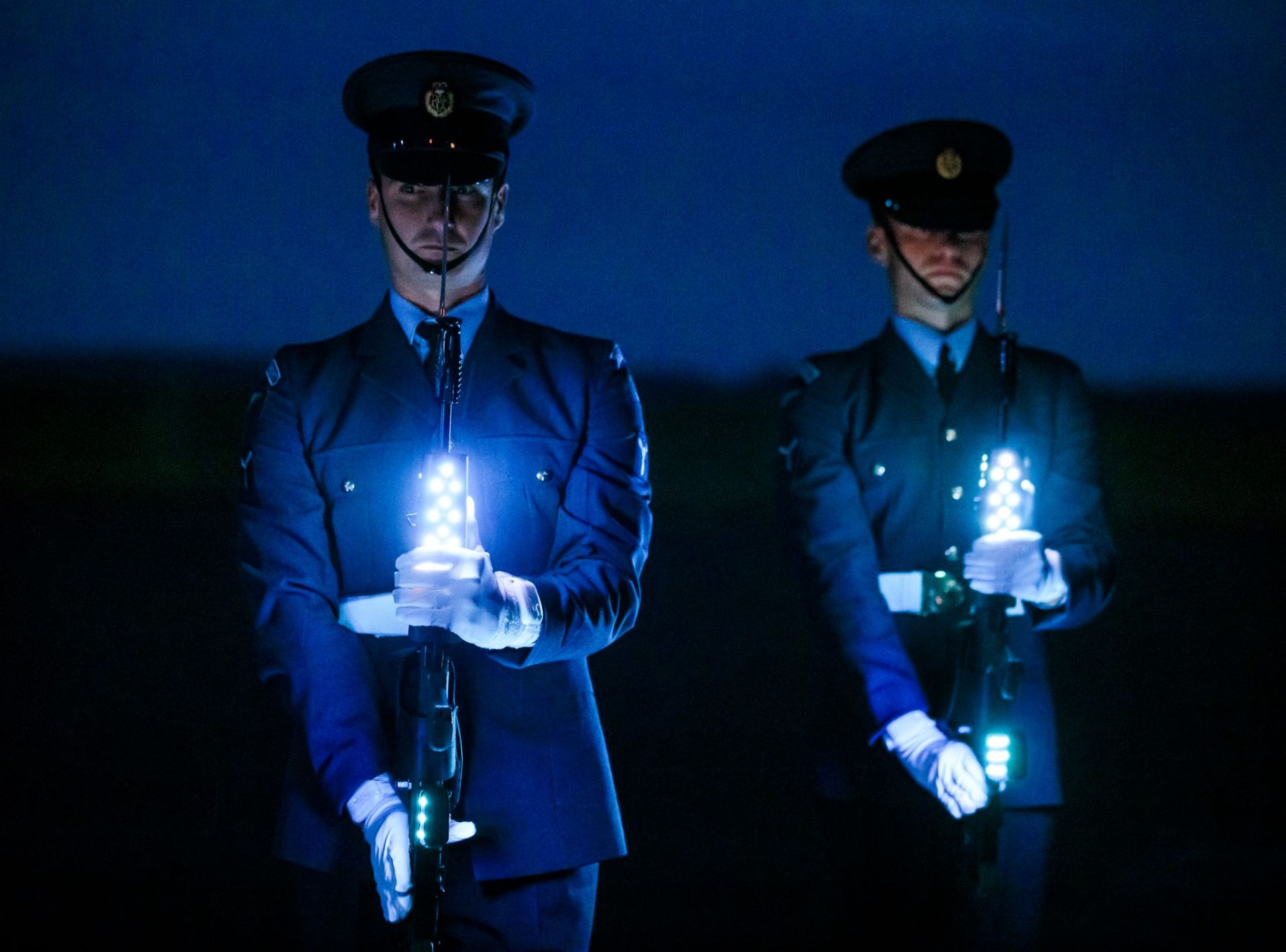
Effective leaders in this space don't hoard control; they distribute it with precision. They empower their department heads—the lighting director, the audio engineer, the logistics chief, the team deploying the wearable LED technology—to own their domains entirely. This isn't just delegation; it's a deliberate act of trust. It’s the understanding that the person closest to the problem is best equipped to solve it. When a creative team wants to use custom LED wristbands to paint specific patterns across an arena, as with the Formula One 75th anniversary show, the leader’s role is to articulate the desired outcome, not to micromanage the pixel-mapping.
"The true measure of a production leader is not how many decisions they make, but how many decisions they don't have to."
Key Pillars of Modern Production Leadership:
- Radical Trust: Empowering specialists to execute their function without interference, fostering an environment where expertise is respected and autonomy is the default.
- Clarity of Vision: Communicating the creative and strategic goals with such precision that every team member, from the front-of-house engineer to the wristband distribution crew, understands their role in the larger picture.
- A Culture of Calm: In an environment where timelines are tight and pressure is immense, the leader sets the tone. A calm, methodical approach to problem-solving cascades through the entire team, preventing panic and promoting clear thinking.
From Command to Collaboration
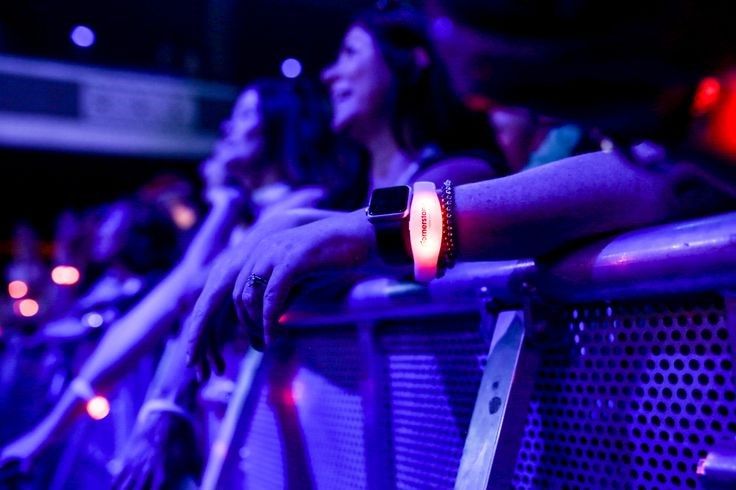
The relationship between an artist, their management, and their technical partners is one of the most delicate and crucial in the industry. The introduction of technologies that bridge the gap between the stage and the audience, like the Coldplay Xylobands that started it all, requires a new level of collaboration. It’s no longer a simple client-vendor transaction. It becomes a creative partnership.
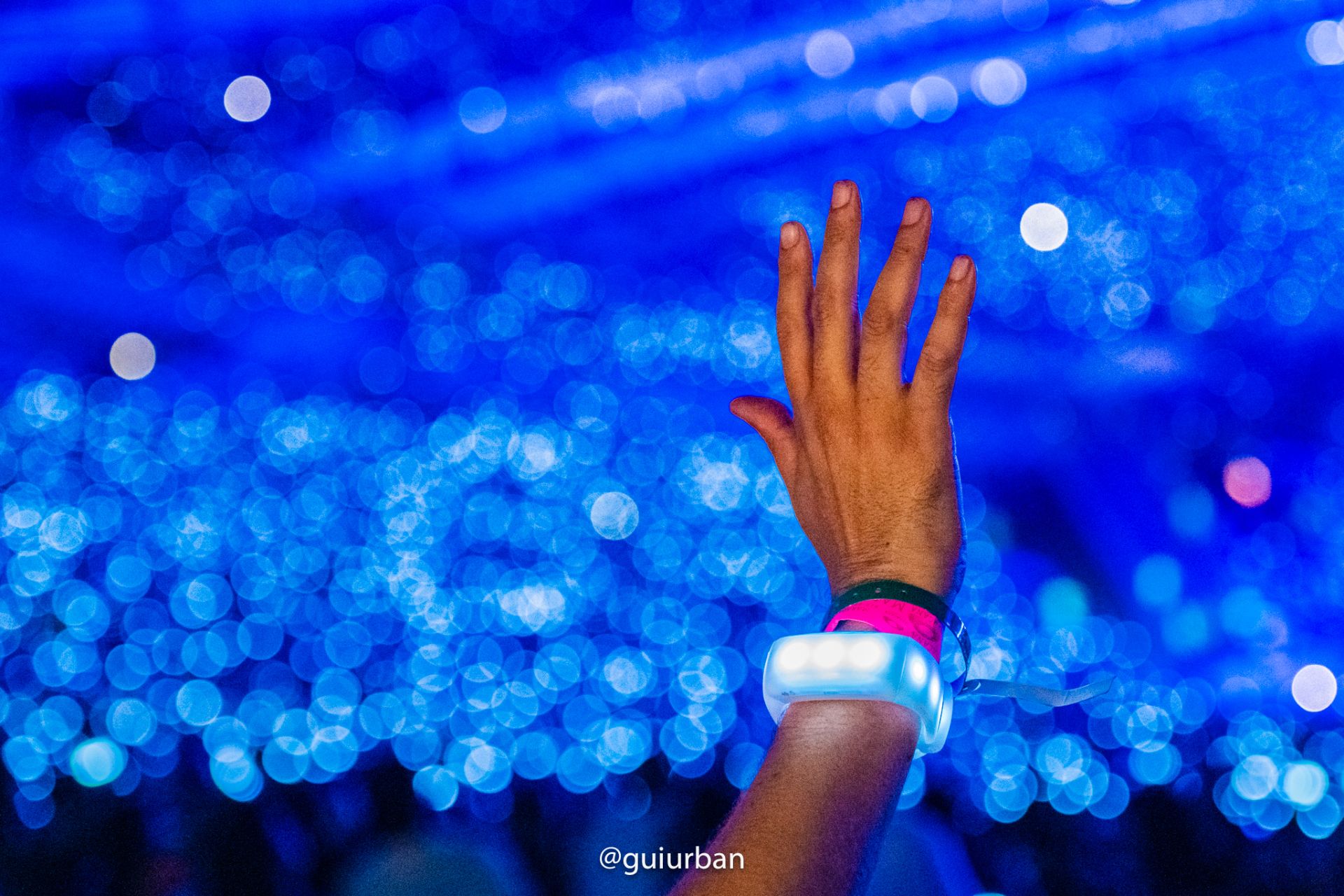
When Xylobands works with an artist like Wizkid for his historic sell-out run at The O2, the conversation is not just about supplying hardware. It’s about how the LED bracelets can amplify the energy of the Made in Lagos tour. It’s about how to use light to connect 20,000 individuals into a single, pulsating entity. This requires leaders on all sides—the tour director, the creative agency, and the technology supplier—to speak the same language. The language of shared experience.
This collaborative ethos extends to every corner of the production. It’s evident in the seamless integration of lighting, sound, and video. It’s present in the logistical ballet required to move tons of equipment across continents. It’s in the design of immersive corporate event activations where the goal is not just to entertain but to create a profound connection with a brand. This shift from a chain of command to a circle of collaboration is what separates good productions from unforgettable ones.
The Architecture of the Unforgettable
Ultimately, leadership in live production is the art of building an unseen architecture—a framework of people, processes, and trust that can support the weight of a massive creative vision. It’s about knowing when to zoom in on the technical specifications of a new piece of immersive event technology and when to zoom out to see the entire emotional arc of the fan experience.
The goal is to create a system so robust and a team so empowered that the leader becomes the conductor, not the entire orchestra. They guide the tempo, shape the dynamics, and cue the solos, trusting that every musician knows their part. Whether it’s lighting up a stadium for the Davis Cup or turning a festival crowd into a canvas of light, the principle is the same. True leadership in this industry is the quiet, confident choreography that allows the spectacle to take center stage, creating the immersive events that define a generation.