The Circular Spectacle: Redefining Event Production for a Greener Stage
The Enduring Moment vs. The Disposable Prop
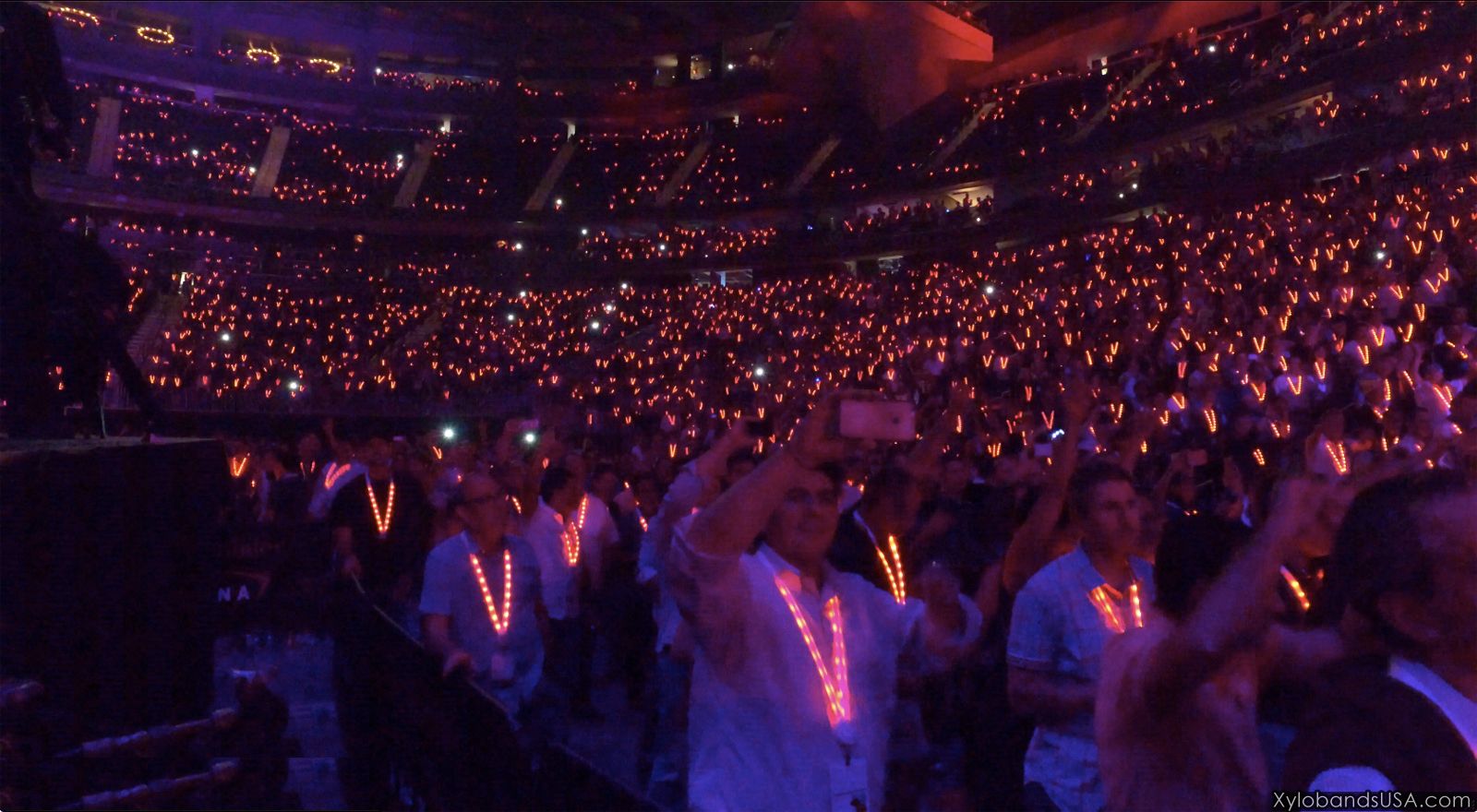
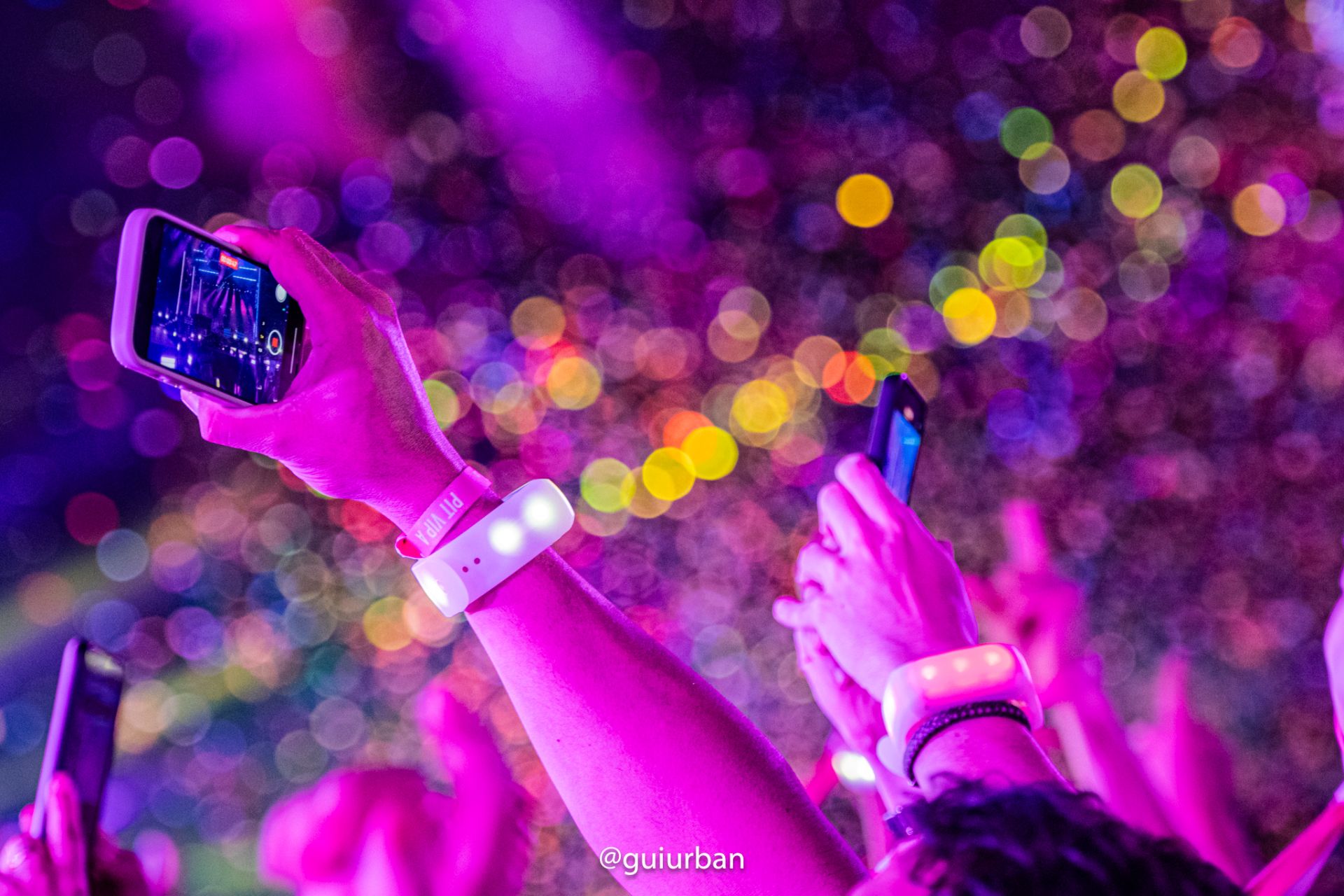
In the world of live events, our primary currency is the unforgettable moment. It’s the collective gasp of 50,000 people as a stadium is plunged into darkness, only to erupt in synchronized light. It’s the shared pulse of a festival crowd, moving as one to a beat visualized on their wrists. These are the moments that last a lifetime. But what about the tools we use to create them? For too long, the spectacular has been shadowed by the disposable. The pressure to create bigger and better has often led to a linear “take, make, waste” model of production. This is a model that the modern event industry is, and must, leave behind.
As audiences and stakeholders become more environmentally conscious, the demand for sustainable practices has moved from a fringe concern to a central pillar of responsible event production. The challenge is clear: how do we deliver breathtaking Immersive Event Technology and powerful LED Crowd Experiences without incurring a heavy environmental cost? The answer lies not in diminishing the spectacle, but in redesigning its components for a circular lifecycle.
Designing for a New Lifecycle: From Single-Use to Multi-Show
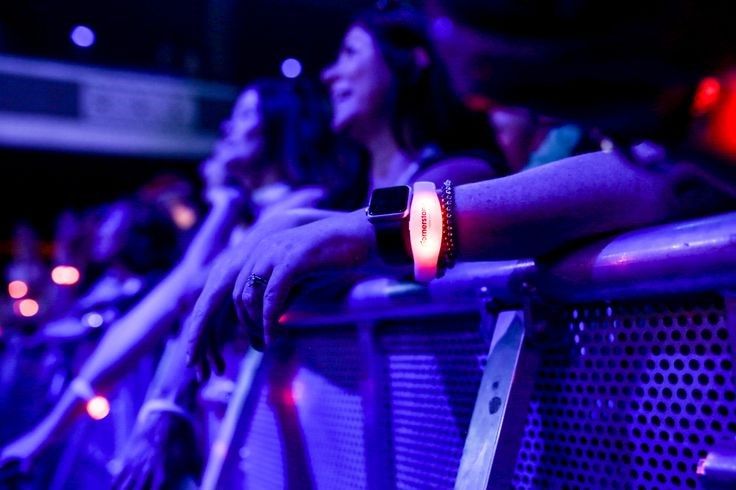
The core principle of a circular economy is to eliminate waste and keep products and materials in use. For a company like Xylobands, which invented the concept of the mass Radio Controlled LED Wristband, this principle is woven into our product evolution and operational strategy. It begins at the design phase. Creating Wearable LED Technology that is robust enough to endure the energy of a live show is only the first step. The real innovation is engineering it for reuse.
This means designing products like our Mk5 wristbands and XyloLux bands not just for a single, brilliant performance, but for a series of them. It requires durable casings, long-life batteries, and secure but separable components. When an LED wristband is designed from the outset to be collected, sanitized, refurbished, and redeployed, it ceases to be a disposable item. It becomes a rental asset, a piece of sophisticated touring hardware that can create magic night after night, city after city.
This isn’t just a theoretical concept; it’s a proven, effective model for reducing the environmental footprint of large-scale tours and events.
Case in Point: Wizkid's Historic London Sellout
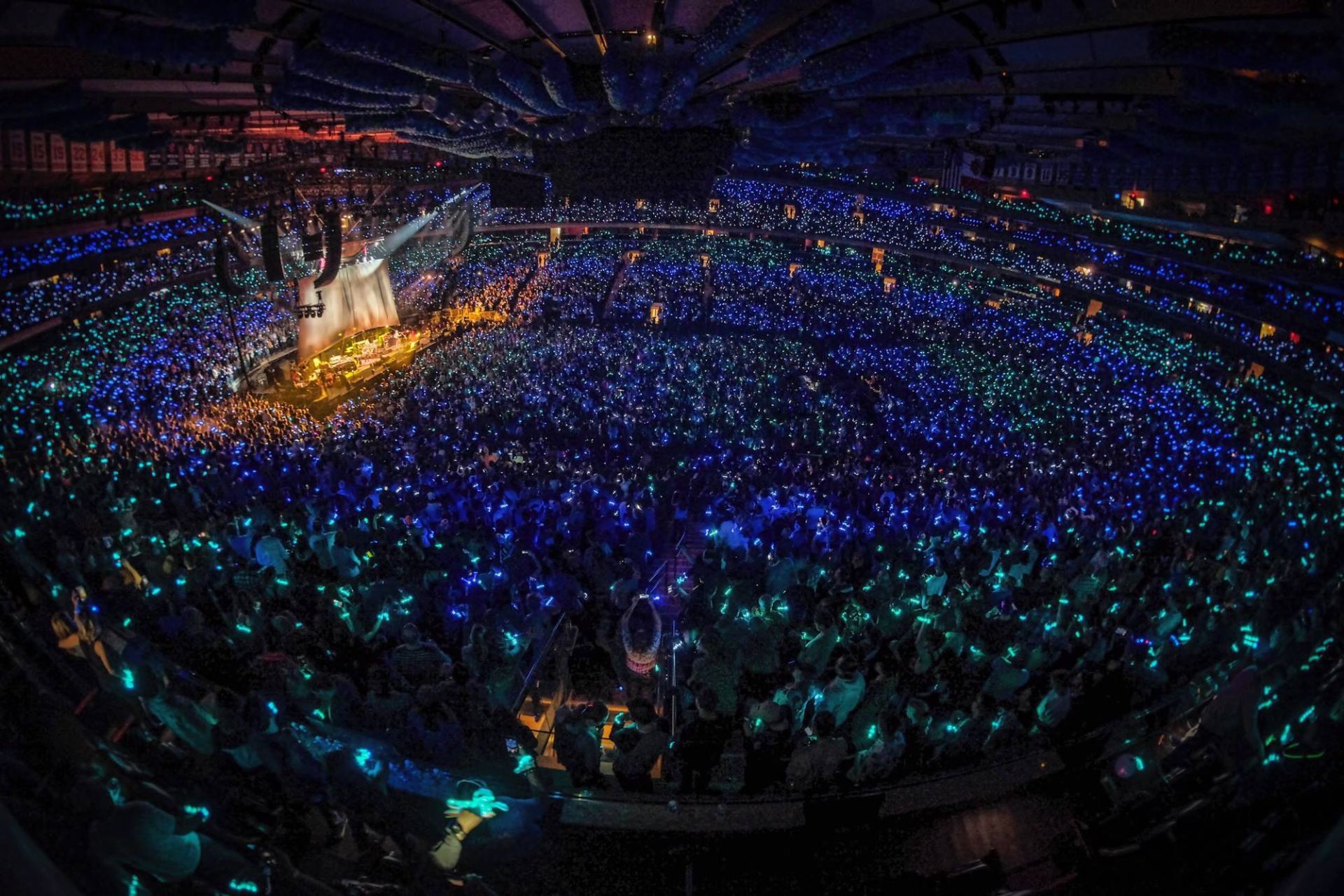
A powerful demonstration of this model in action was during Wizkid’s monumental ‘Made in Lagos’ tour. The artist made history by selling out London’s 20,000-capacity O2 Arena for three consecutive nights. To enhance this already electric series of shows, 32,000 of our XyloLux bands were deployed. Crucially, they were not single-use items.
After each explosive performance, our teams implemented a collection and refurbishment process. The wristbands were gathered, topped up as needed, and prepared for the next night’s audience. This simple but powerful logistical loop meant that the same hardware that created the stunning visuals on the first night was ready to do so again on the second and third. At the end of the run, the wristbands were collected for responsible recycling—a process where the plastic, battery, and circuit board are properly separated and processed. This approach drastically reduced the material and electronic waste for the event, proving that world-class production and environmental responsibility can go hand-in-hand.
The Logistics of a Greener Show
Making Concert Wristbands and other LED Wearables reusable is as much a logistical challenge as it is a design one. It requires a dedicated “reverse logistics” system that is as meticulously planned as the initial technical rollout. This system encompasses several key stages:
- Efficient Collection: Implementing clear and effective strategies for collecting wristbands from thousands of audience members post-event.
- Sanitization and Refurbishment: Processing the collected units to ensure they are pristine and fully functional for their next deployment.
- Intelligent Redeployment: Managing inventory to ensure that the refurbished stock can be used for subsequent events, from multi-night tour stops to back-to-back Corporate Event Activations.
- End-of-Life Recycling: When a unit finally reaches the end of its long, productive life, having a clear and responsible process for disassembling it and recycling its core components.
This circular strategy is fundamental to how we approach major projects, from multi-date festivals like PRIMER in Greece to complex, custom activations for global brands like Formula One. It transforms Festival Wristbands and Custom LED Wristbands from souvenirs into key components of a sustainable touring and event infrastructure.
A Shared Responsibility, A Brighter Future
The shift towards a circular economy in live events is a collective effort. It requires artists, tour managers, and event producers to prioritize sustainability in their planning. It requires technology providers like Xylobands to innovate, offering products and services that make the sustainable choice the easy choice. And it requires audiences to participate, embracing the idea that the LED band on their wrist is part of a larger, ongoing spectacle.
The journey that began with a moment of inspiration at a Coldplay concert has evolved into a global mission. We didn’t just create the original Coldplay Xylo Band; we created a new medium for connection. Today, that mission includes a deep commitment to ensuring that the technology that unites us also respects the planet we all share. The future of Immersive Events is not just about intelligent light and collective effervescence; it's about building a legacy of spectacular moments and responsible production.