The Collaborative Core: A New Leadership Model for Live Production
The Unseen Axis: Redefining Leadership in High-Stakes Production
There's a moment before the house lights fall, a pocket of silence where a thousand moving parts hold their breath in unison. For the audience, it's the start of the show. For the tour manager, the production lead, the creative director—it's the temporary summit of a mountain of relentless preparation. In this world, leadership isn't a title; it's the invisible force that binds logistics, technology, and human talent together against a backdrop of immense pressure and zero tolerance for failure.
Traditional, top-down leadership models are becoming relics in an industry defined by complex interdependencies. The modern live production environment—whether for a global stadium tour, a high-profile corporate event, or a live broadcast—demands a more fluid, collaborative, and adaptable approach. It requires a pivot from being a commander to being a conductor, guiding a symphony of specialists towards a single, unified creative vision.
From Command to Collaboration: The Modern Production Playbook
The days of a single figure dictating every decision are over. Today's most successful leaders in live production function as the central node in a complex network of expertise. They don't just manage; they translate, mediate, and empower.
Consider the intricate logistics behind a global stadium tour. It’s a multi-million-dollar mobile city, re-established in a new location every few days. The tour manager isn't just overseeing schedules and freight; they are the interface between the artist's vision, the technical team's capabilities, and the venue's limitations. Their leadership is defined by their ability to foster a culture of shared ownership. When challenges arise—and they always do—it isn't one person's problem to solve. It's the collective responsibility of a team that feels trusted and empowered.
"True leadership in this space is about creating an ecosystem of trust. It's knowing that your lighting designer, your RF engineer, and your logistics head are all masters of their craft. Your job is to clear the path and ensure their individual brilliance serves the collective goal."
This model thrives on communication. It's less about issuing orders and more about asking the right questions: "What do you need to make this happen?" "What are the potential failure points you see?" "How can we better integrate your work with the rest of the team?" This approach transforms a crew into a cohesive unit, capable of improvising and problem-solving in real-time.
Integrating Visionaries: The Artist-Tech Symbiosis
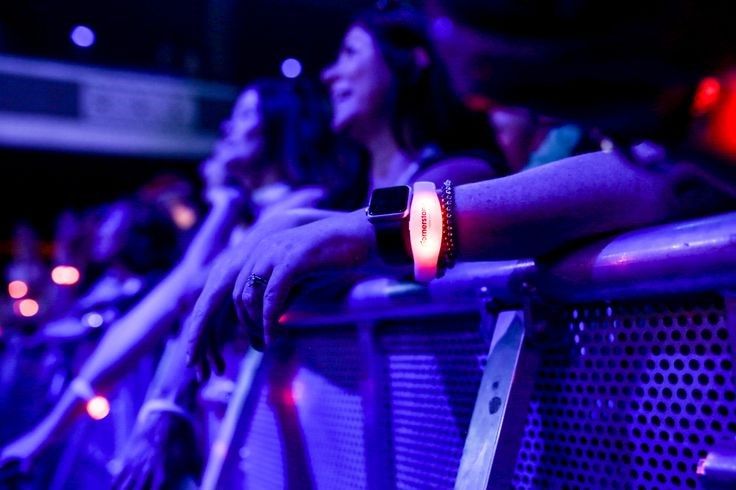
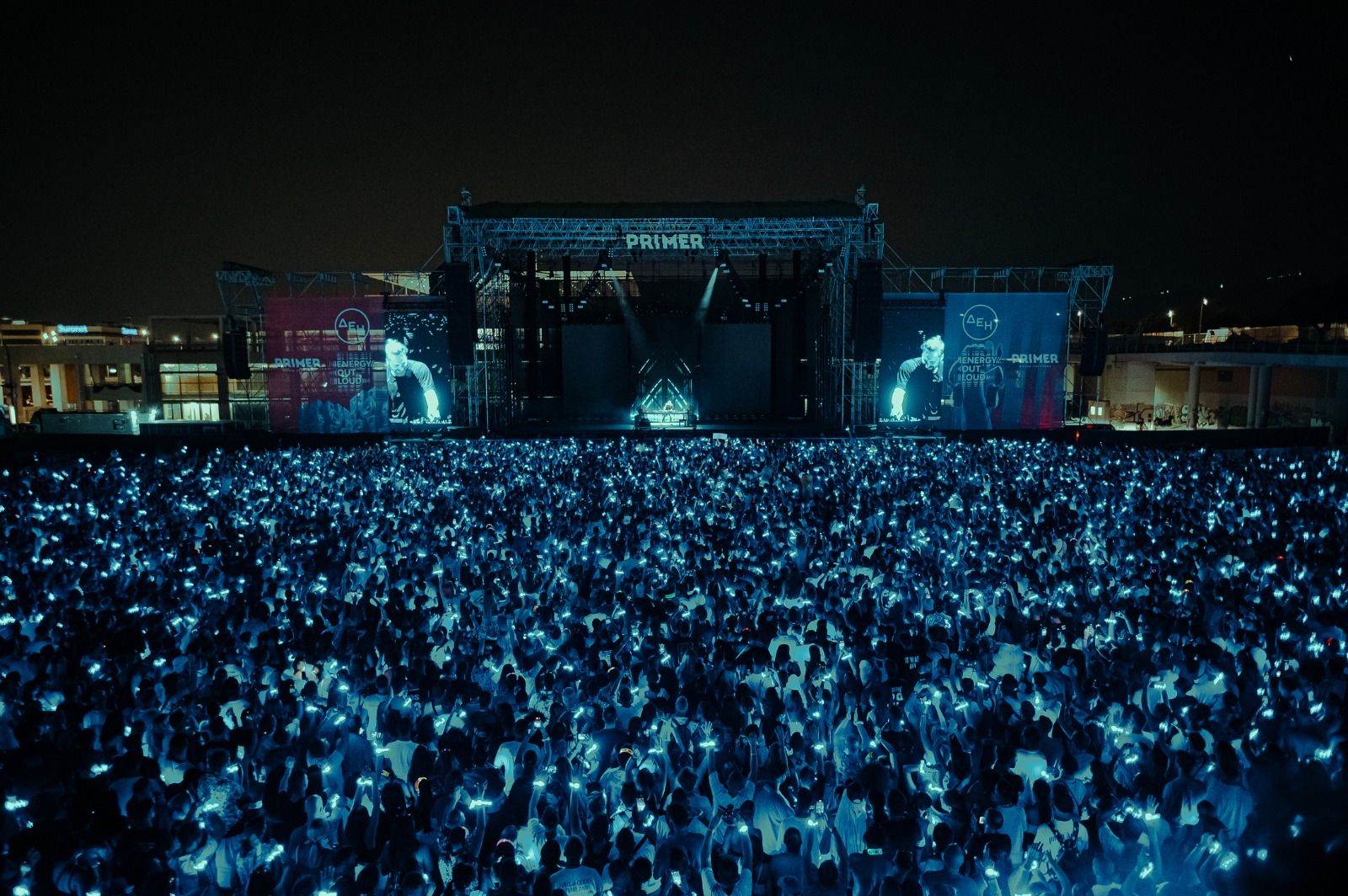
Nowhere is this collaborative ethos more critical than at the intersection of artistic vision and technical execution. Artists today are more ambitious than ever, seeking to create truly immersive events that blur the lines between performer and audience. They envision turning a stadium of 50,000 people into a single, pulsating canvas of light and energy—a vision we at Xylobands have been helping to realize since our inception with Coldplay.
Bringing such ideas to life is a delicate dance. A creative director might propose a moment where the entire venue is bathed in a specific color, but it's the lighting designer who understands the technical nuances of achieving that with LED crowd experiences. An artist might want to trigger light patterns from their own movements, requiring close collaboration with specialists in wearable LED technology and RF systems.
Effective leadership here means serving as the bridge. It involves:
- Translating the Abstract: Taking an artist’s conceptual language ("I want it to feel like the stars are falling") and translating it into a technical brief for engineers and programmers.
- Managing Expectations: Grounding ambitious creative ideas in the realities of physics, budget, and time, without stifling innovation.
- Facilitating Co-Creation: Creating workshops and planning sessions where artists, designers, and technicians can experiment together, fostering a sense of shared authorship over the final product.
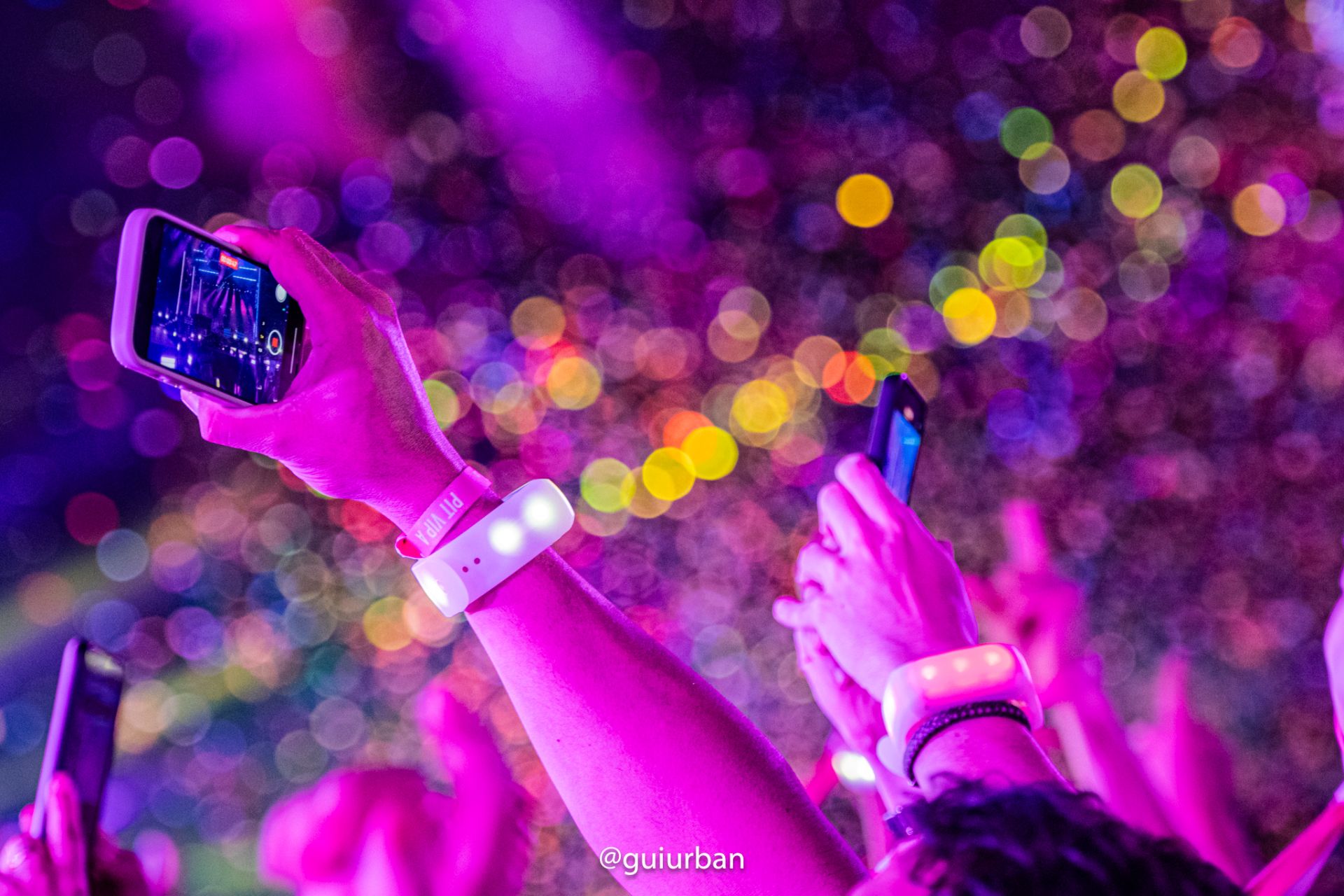
Projects like Maluma’s historic Medellín concert, streamed live to over 240 countries, or the globally broadcasted Formula One 75th anniversary show, are masterclasses in this kind of integrated leadership. They involve synchronizing the live spectacle with the precise demands of a multi-camera broadcast, ensuring both the 54,000 fans in the stadium and the millions watching at home experience the same awe-inspiring moment. This isn't just about lighting up concert wristbands; it's about weaving technology into the narrative of the event itself.
The Architecture of Trust in Corporate and Brand Activations
This leadership philosophy extends directly into the world of corporate event activations. Here, the "artist" is the brand, and the "audience" is a mix of employees, stakeholders, and clients. The goal is no longer just applause, but engagement, connection, and brand resonance.
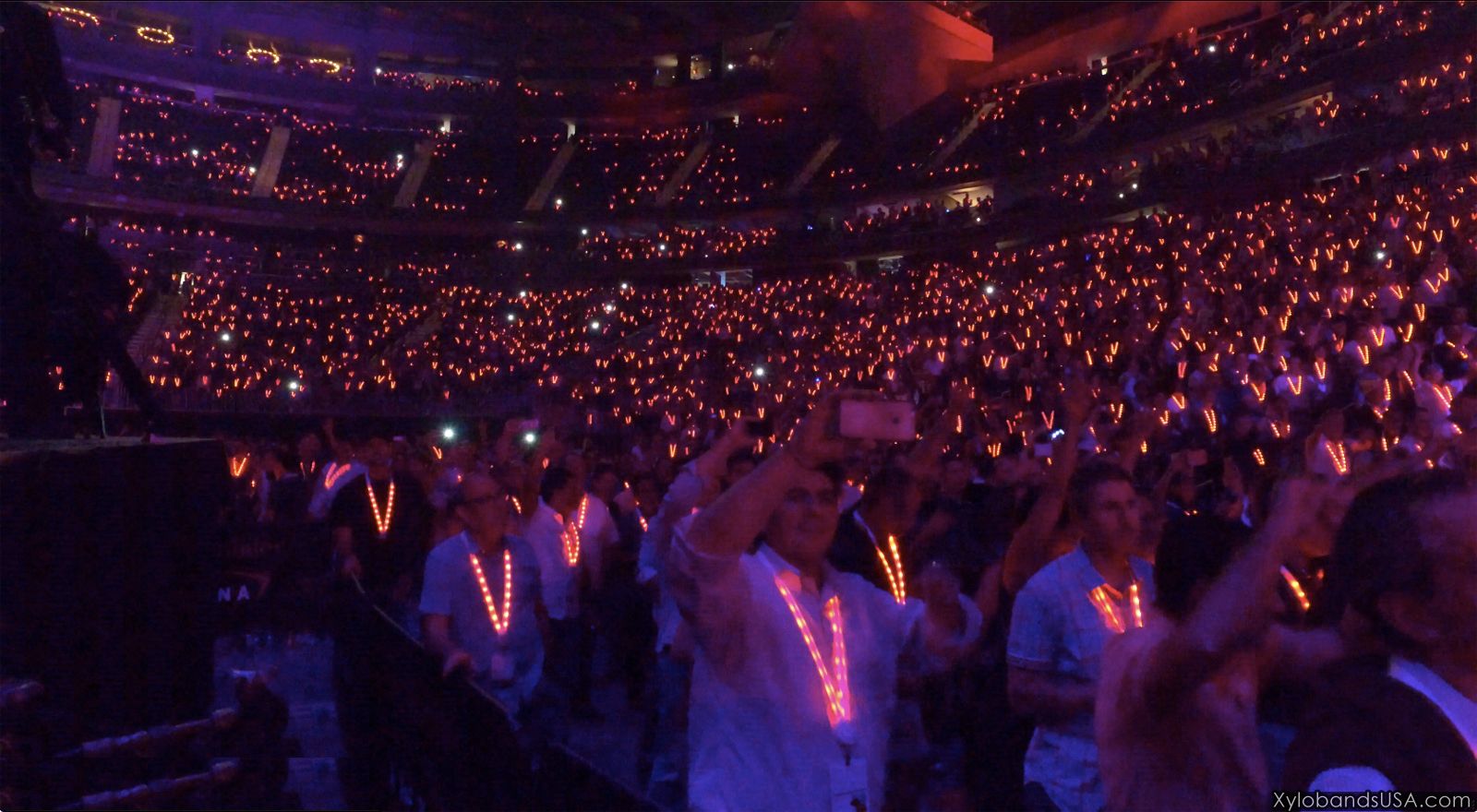
A leader in this space must be a strategist, understanding the brand’s core message and finding authentic ways to embed it into the live experience. When working with clients like Samsung, Audi, or Google, the objective is to create moments of genuine participation, not just passive observation. Using technologies like custom LED wristbands or LED lanyards becomes a strategic tool to unify a room, signal key moments, or gamify a presentation.
The leader’s role is to build a coalition between the brand’s marketing team, the event agency, and the technical providers. They must ensure that every element, from the lighting cues to the interactive technology, reinforces the event's core objectives. The result is a more profound and memorable brand experience, one that transforms spectators into active participants in the brand’s story.
Conclusion: The Conductor of the Unseen Symphony
In the final analysis, leadership in modern production is the art of conducting an unseen symphony. It’s about understanding that the true power of a live event comes not from one person’s singular vision, but from the harmonious integration of dozens of specialized talents. It’s about building a framework of trust, communication, and shared purpose that empowers every individual to do their best work.
Whether you are wrangling the logistics of a global tour, translating an artist's dream into technical reality, or designing a brand moment that resonates on a human level, the principle remains the same. The most effective leaders are not those who stand at the top of the pyramid, but those who form the strong, collaborative core at the center of it all.