Decoding the Signal: The Technical Magic Behind Immersive LED Experiences
The Invisible Architecture of Light
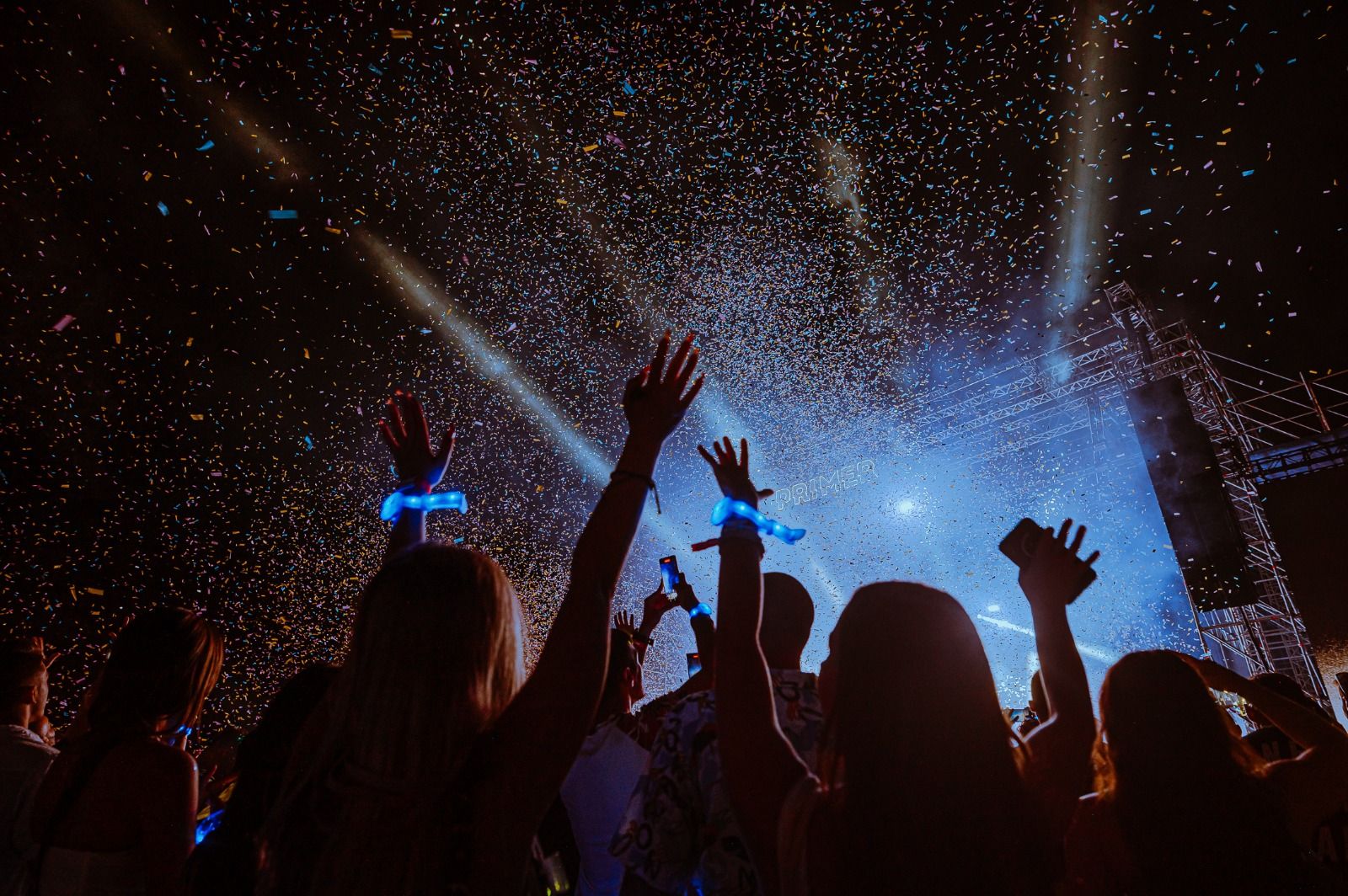
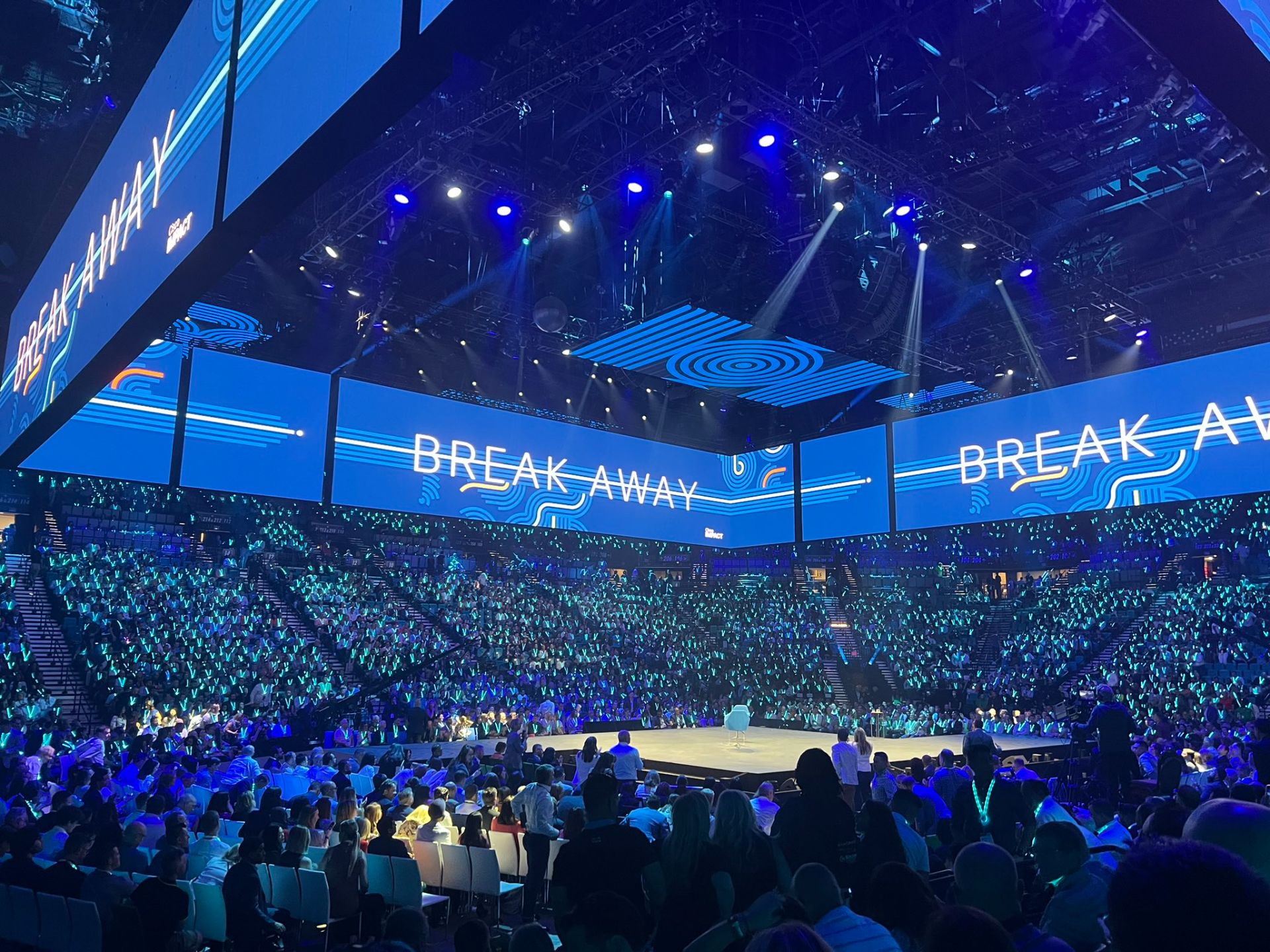
It’s a moment of pure alchemy. A stadium of 50,000 strangers, each a single point of light, suddenly unified in a single, pulsing wave of color. An arena floor, once a sea of darkness, is now a living canvas, painted with intricate patterns and dynamic visuals that ebb and flow with the music. This is the magic of modern LED crowd experiences, a spectacle that feels like pure intuition but is, in reality, a marvel of engineering. The transformation of an audience from passive observers into an integral part of the show’s design is powered by an invisible architecture of signals, meticulously planned and flawlessly executed.
At Xylobands, we’ve spent over a decade pioneering and perfecting this technology, turning a simple idea inspired by a Coldplay concert into a global phenomenon. The core of this innovation lies in our ability to command thousands of individual LED bands, LED lanyards, and other wearable LED technology, synchronizing them to create a unified, immersive experience. But how, exactly, do we speak to each light in a crowd of thousands? The answer lies in a sophisticated toolkit of communication protocols, primarily Radio Frequency (RF), DMX, and Infrared (IR).
RF: The Workhorse of the Arena
Radio Frequency is the undisputed champion of large-scale audience lighting. When you see a stadium alight with Coldplay Xylobands or a festival field transformed into a dynamic light show, you are witnessing the power of RF. This technology is the backbone of our most iconic immersive events, from sold-out arena tours with artists like Maluma and Wizkid to massive sporting events for brands like Formula One and the Davis Cup.
But what makes RF so effective? Its strength lies in its range and reliability. Our proprietary RF system operates using a network of transmitters that broadcast signals over a designated frequency. Each wristband contains a tiny, low-power receiver programmed to listen for these specific signals. Think of it like a radio station, but instead of broadcasting music, we are broadcasting commands for light: "turn on," "turn off," "pulse," "change to blue."
Key Advantages of RF:
- Scalability: RF technology allows us to control a virtually unlimited number of LED wristbands simultaneously, from a few hundred at an intimate corporate event to tens of thousands in a stadium.
- Zoning and Segmentation: Our system isn’t just an on/off switch. We can divide a venue into dozens of unique zones. This allows our designers to create complex, layered visual effects—pitting one side of the stadium against the other, creating ripples of light that travel across the crowd, or highlighting specific sections for broadcast-critical moments. This was crucial for events like the F1 75th anniversary, where different groups of fans needed to be lit in team colors.
- Robustness: RF signals are resilient. They can pass through people, staging, and other common obstacles found in a live event environment, ensuring that every single radio controlled LED wristband receives its cue, regardless of its location.
DMX: The Language of Theatrical Lighting
While RF is the master of the macro, DMX (Digital Multiplex) is the language of precision. Originating in the world of theatrical and stage lighting, DMX is a protocol that allows for granular, high-fidelity control over lighting fixtures. At Xylobands, we’ve integrated DMX control into our ecosystem, allowing our technology to "speak the same language" as the rest of the show’s lighting and video production.
This integration is critical for creating a truly cohesive visual experience. A tour’s lighting director isn’t just programming the moving lights on stage; they can now program the audience itself as if it were a single, massive lighting fixture. Using a standard lighting console, a designer can map the entire audience and create incredibly detailed effects—chases, gradients, and strobes—that are perfectly synchronized with the on-stage action. This capability transforms corporate event activations and broadcast specials, like our work with ITV on ‘Beat The Chasers UK’, into fully integrated visual masterpieces. The audience becomes more than just a backdrop; they are an extension of the set, a living, breathing part of the broadcast frame.
Infrared (IR): Precision in Proximity
Where RF offers range and DMX offers integration, Infrared (IR) provides pinpoint accuracy over shorter distances. You use IR technology every day to change the channel on your television. In the context of LED experiences, it operates on a similar principle but on a more sophisticated scale.
We deploy IR transmitters in specific locations—gateways, seating sections, or even moving set pieces—to trigger wristbands as they pass by. This creates location-specific lighting effects that add a layer of interactivity and narrative to an event. Imagine an attendee’s wristband changing color as they enter a specific brand activation zone, or a section of the crowd lighting up as a performer moves past them. It’s a powerful tool for creating personalized moments within a large-scale spectacle.
Applications of Infrared Triggers:
- Experiential Marketing: For corporate event activations, IR can trigger branded colors or patterns as guests enter a sponsored area, creating a memorable and measurable interaction.
- Gamification: We can use IR to "collect" colors or effects as part of an event-wide game, encouraging movement and exploration.
- Broadcast Segmentation: In a studio environment like ‘The Masked Singer’, IR can be used to control the lighting of a small, specific group of audience members with absolute precision, without interfering with the wider RF-controlled audience.
The Symphony of Signals
The true artistry of immersive event technology lies not in using one of these technologies, but in orchestrating all of them in perfect harmony. On a complex tour or a global broadcast event, our on-site technicians are conducting a symphony of invisible signals. RF provides the broad strokes, painting the entire stadium in swathes of color. DMX integration ensures every pulse and fade is locked in time with the music and stage lighting. And strategically placed IR triggers add moments of surprise and delight, creating a multi-layered, unforgettable experience.
From the fields of Glastonbury to the global stage of the Eurovision Song Contest, the goal has always been the same: to deepen the connection between the artist and the audience, to dissolve the space between them, and to create a fleeting, beautiful moment of unity. The technology—the RF, the DMX, the IR—is simply the language we use to write that story. It’s the unseen engine that powers the spectacle, turning a crowd of individuals into a single, brilliant constellation of light.