Beyond the Bare Minimum: Designing Live Events for Every Body and Mind
The Unspoken Contract
Every live event begins with an unspoken contract. The house lights dim, a roar of anticipation fills the space, and for a few hours, thousands of individuals agree to become a single entity. They agree to listen, to watch, to feel, and to share a singular experience. But what if the very language of that experience—the thunderous audio, the chaotic strobes, the sensory overload—unintentionally excludes entire portions of the audience?
For too long, accessibility in live entertainment has been a conversation limited to physical infrastructure: ramps, accessible seating, and compliant restrooms. These are critically important, the non-negotiable foundation of any public gathering. But they are just that: the foundation. To build a truly inclusive event, we must look beyond the concrete and consider the sensory and cognitive experience of every single attendee. It’s a call to design not for the hypothetical average, but for the complex, diverse reality of the human spectrum.
Expanding the Definition of Access
A truly inclusive event doesn’t just let people in; it invites them to participate fully. This requires a deeper understanding of the audience, recognizing that it includes individuals who are d/Deaf or hard of hearing, neurodivergent an audience that includes guests with autism, ADHD, or sensory processing disorders), or those who simply find the traditional high-stimulus environment of a live show to be a barrier to enjoyment.
The challenge, for producers and designers, is to create a multi-layered experience that can be perceived through different modalities. How do you translate the emotional crescendo of a musical bridge for someone who cannot hear it? How do you create a sense of collective energy without contributing to the sensory overwhelm that can be debilitating for others? The answer, increasingly, is found in a medium that is both powerful and universal: light.
Light as a Universal Language
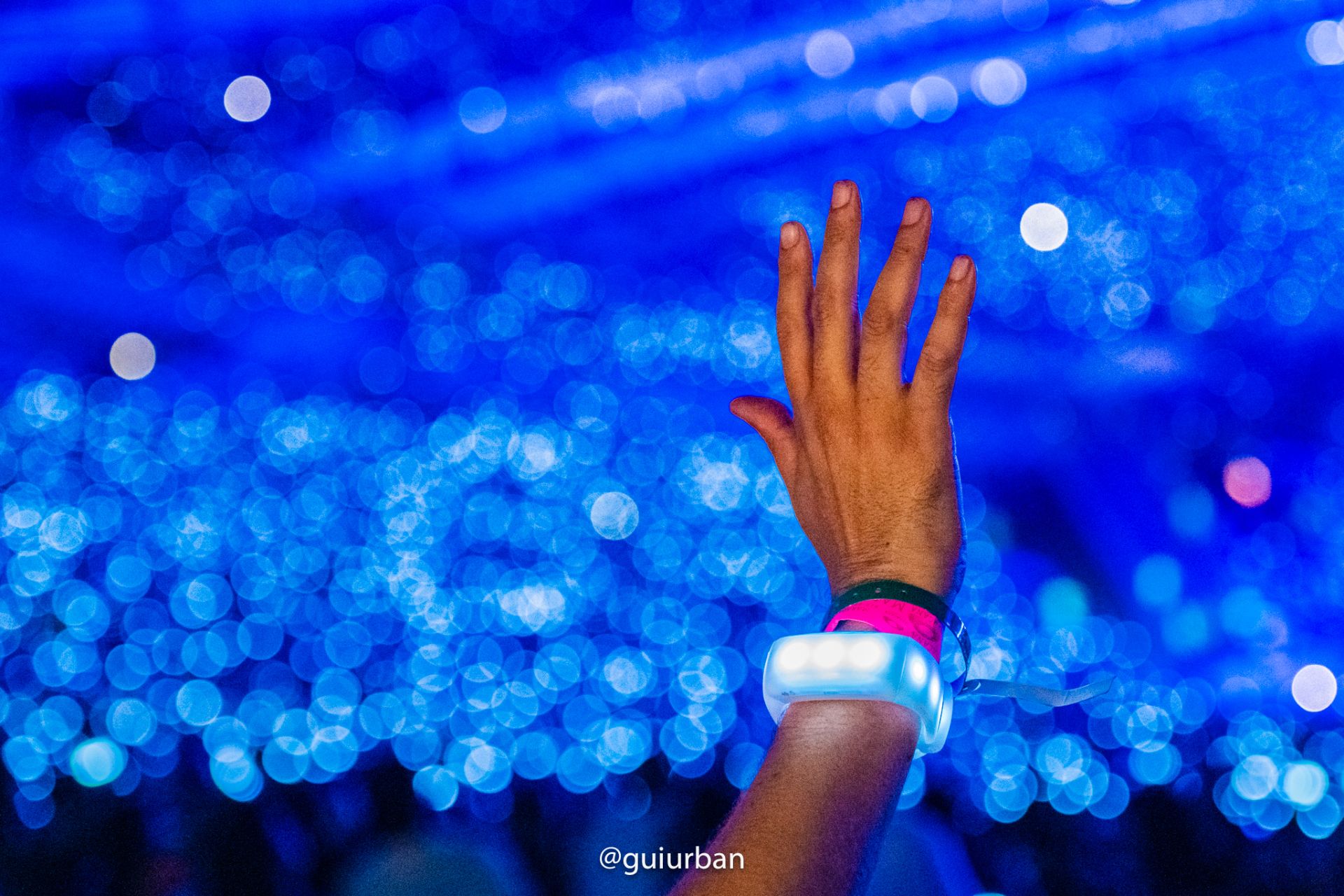
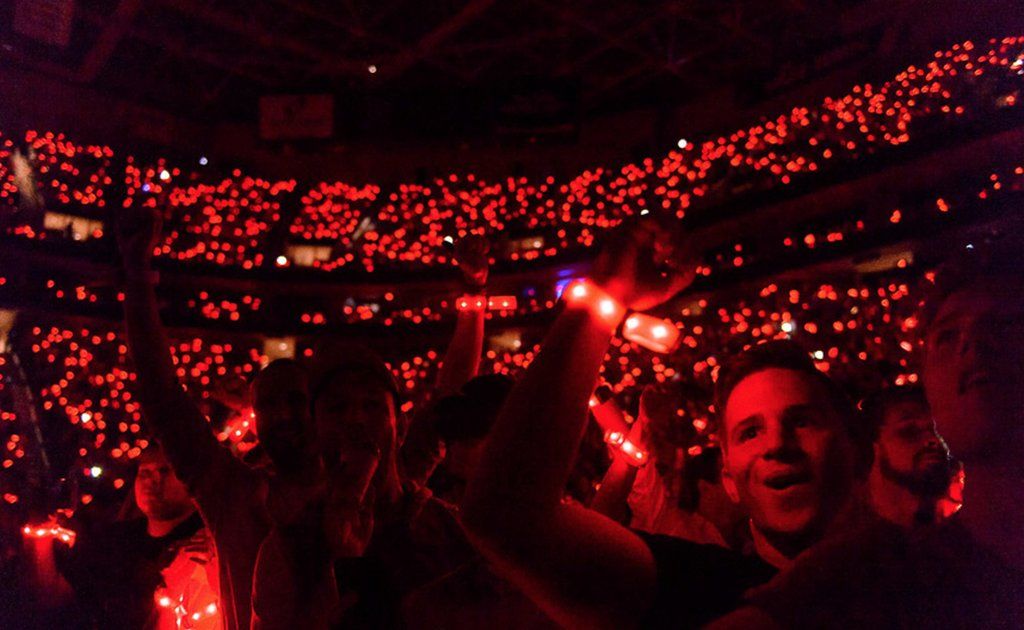
Imagine a stadium, plunged into darkness. The opening chords of a song are struck, but instead of just hearing it, you see it. A soft, blue light pulses from the wrist of every audience member, a slow, steady heartbeat that matches the tempo of the music. This is the promise of wearable LED technology. It’s not merely a visual effect; it’s a new language, a sensory bridge that communicates the rhythm, intensity, and emotion of a performance in a way that transcends audio.
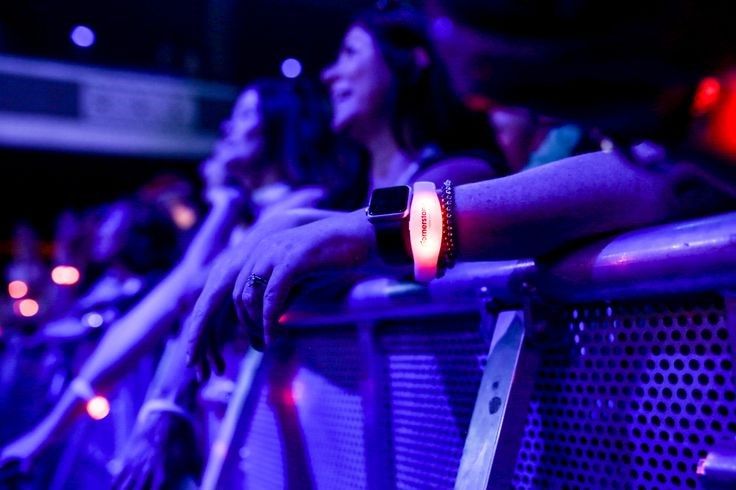
For the d/Deaf and hard-of-hearing community, this is a revolutionary shift. Radio controlled LED wristbands can transform an audio-centric event into a profoundly visual and vibrational one. The beat of a drum isn’t just heard; it’s seen and felt, pulsing in unison across thousands of arms. The shift from a verse to a chorus is marked by a sudden change in color, painting the entire crowd in the emotional tone of the music. It’s a form of visual orchestration that adds a rich, haptic layer to the experience, ensuring that the narrative of the show is accessible to all.
The Technology of Inclusive Design
This level of nuanced control is at the heart of Xylobands’ philosophy. The same technology that allows our teams to execute complex, high-precision lighting designs for clients like the Royal Air Force—where split-second timing and absolute control are paramount—is the key to creating adaptable, inclusive environments. The ability to segment a crowd, to create zones of varying light intensity, or to design gentle, flowing patterns instead of aggressive strobing, allows producers to sculpt the sensory experience with intention.
For neurodivergent audience members, this control can be the difference between engagement and overwhelm. A chaotic, unpredictable light show can be a significant barrier. In contrast, a unified stadium, breathing with a single, slowly shifting color, can be a grounding, calming experience. It transforms the audience from a collection of individuals into a single, cohesive entity, reducing social anxiety and creating a predictable, shared atmosphere. This is immersive event technology used not for shock value, but for connection.
From Corporate Events to Festival Fields
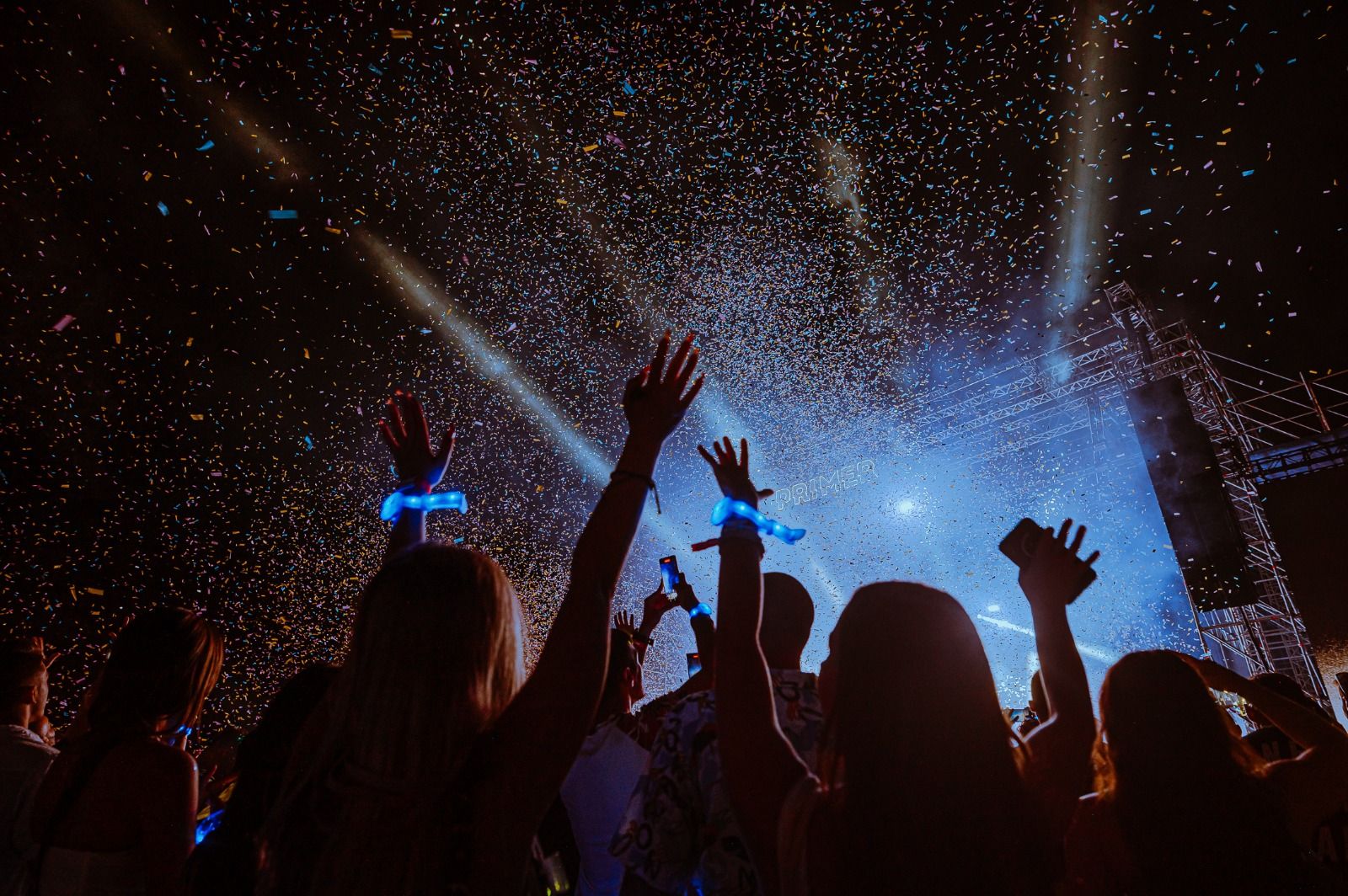
This principle of intentional design applies across the event spectrum. At a corporate event, custom LED Lanyards can guide attendees, signal breakout sessions, or unify a team with a single pulse of branded color, creating an intuitive and low-stress environment. At a massive music festival like Greece’s PRIMER, synchronized festival wristbands can translate the high-energy beats of electronic music into a visual spectacle, enhancing the sense of collective energy for everyone, regardless of their sensory profile.
The technology behind these LED experiences—whether RF, DMX, or infrared—is simply a set of tools. The magic happens when they are applied with a creative vision that prioritizes human connection. It’s about understanding that the person in the back row, the guest in the accessibility section, and the fan in the front-row broadcast shot are all vital parts of the same canvas. Our work lighting up global broadcast events for giants like ITV and creating custom pendants for Formula One has been built on this principle: unifying a disparate audience into a single, televisual moment.
The Future is Universally Designed
Moving beyond the bare minimum of accessibility isn't a constraint on creativity; it is its greatest catalyst. By designing for the outliers, we often create a more profound and powerful experience for everyone. A calmer, more intentionally designed light show can be more beautiful and emotionally resonant. A visual language that supports the audio can deepen the narrative for the entire audience.
The next frontier of live events will be defined by this commitment to inclusive design. It’s a future where every concert ticket sold comes with the promise that the show will be designed for every body and every mind. It’s a future where technology and creativity converge to build sensory bridges, ensuring that the universal human need for connection, celebration, and collective joy is accessible to all. And with every pulse of light, we get one step closer to making that future a reality.