The Unseen Advantage: How Dyslexia Shapes the Creative Business Mind
The Pattern Seekers
In the world of live events, success is measured in moments. It’s the collective gasp of a stadium as the lights drop, the shared energy of a festival crowd moving as one, the focused silence of an arena before a global broadcast goes live. These are moments born not just from technology, but from a unique way of seeing the world—a perspective that often thrives in minds that are wired differently.
Dyslexia is frequently misunderstood as a simple reading difficulty. In reality, it’s a different mode of processing information. While linear, text-based tasks can be challenging, many dyslexic individuals exhibit exceptional strengths in other areas: spatial reasoning, big-picture thinking, and an almost preternatural ability to spot connections and patterns that others miss. These are not just compensatory skills; they are cognitive advantages, particularly in industries built on innovation and spectacle.
Consider the architecture of a large-scale touring production or one of today’s leading corporate event activations. It’s a complex ecosystem of lighting, sound, logistics, and human psychology. A producer must see the entire system at once, understanding how a change in one area will ripple through all the others. This is precisely where the dyslexic mind often excels—seeing the whole, not just the parts. It’s a visionary capacity, one that allows leaders to navigate immense complexity and find elegant, simple solutions.
From Spark to Spectacle: A Founder's Journey
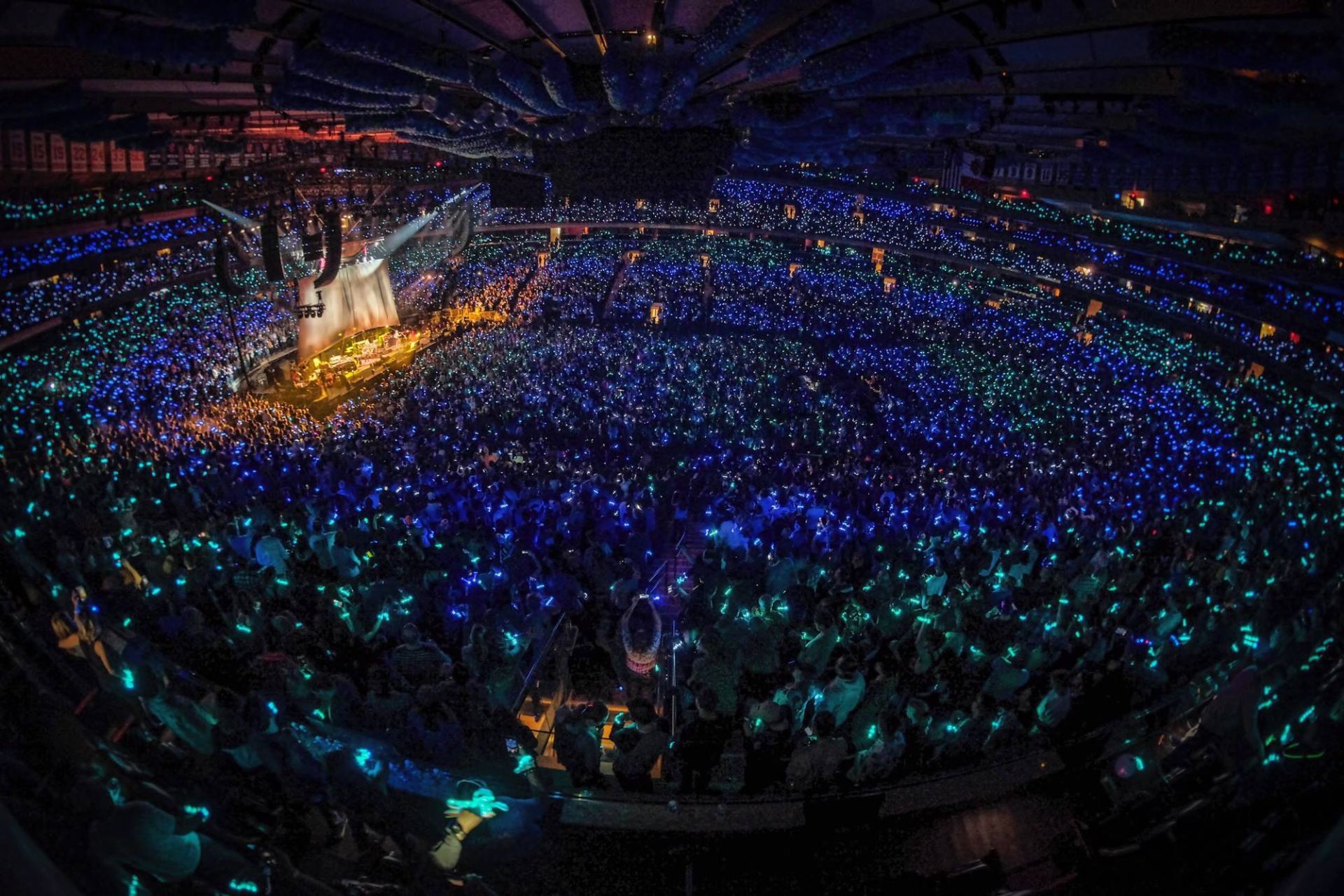
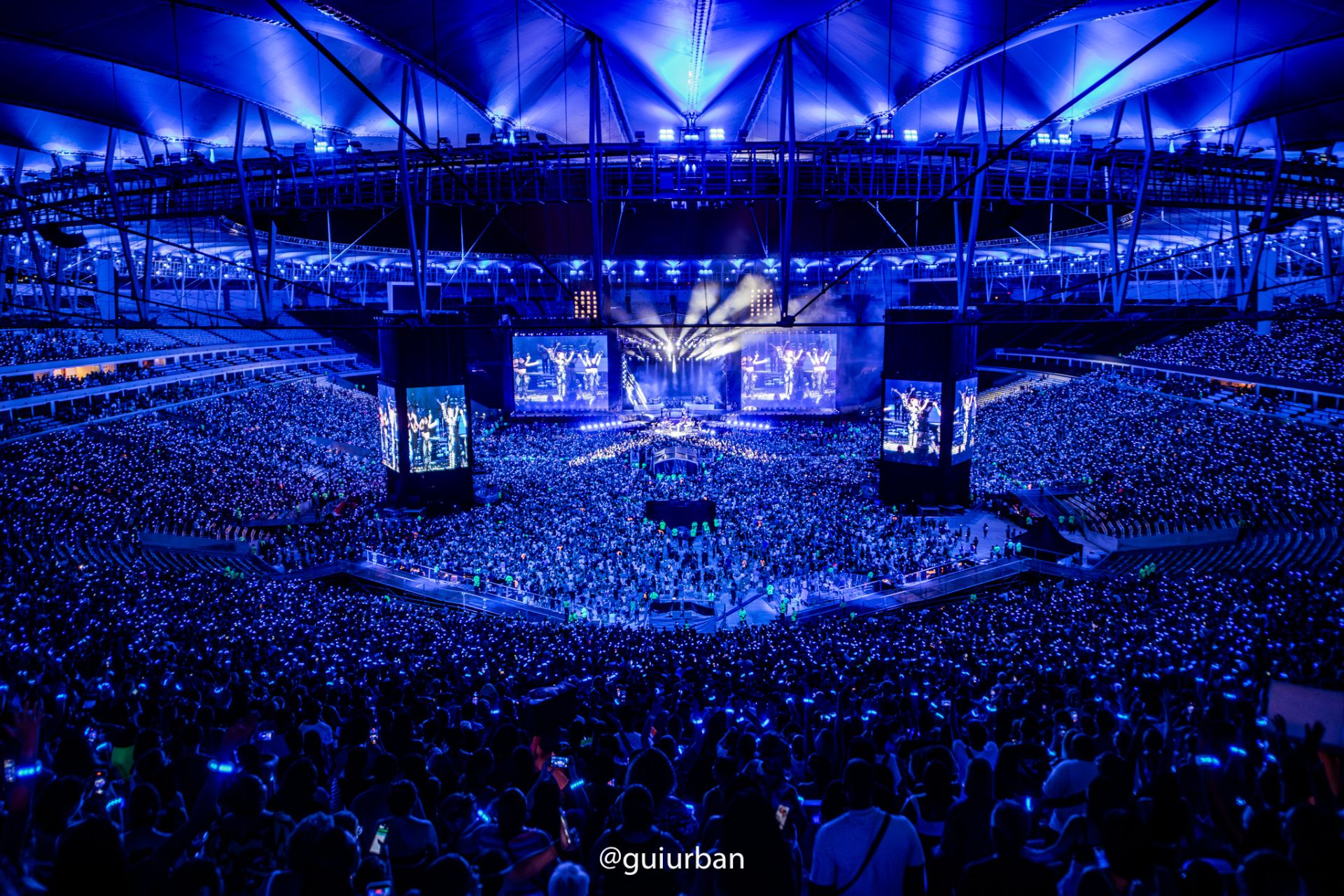
The story of Xylobands is itself a story of this cognitive advantage. Our founder, Jason Regler, is dyslexic. His vision for what would become a global phenomenon in immersive event technology didn’t come from a spreadsheet or a business plan. It came from a moment of pure, associative thinking during a Coldplay performance at Glastonbury.
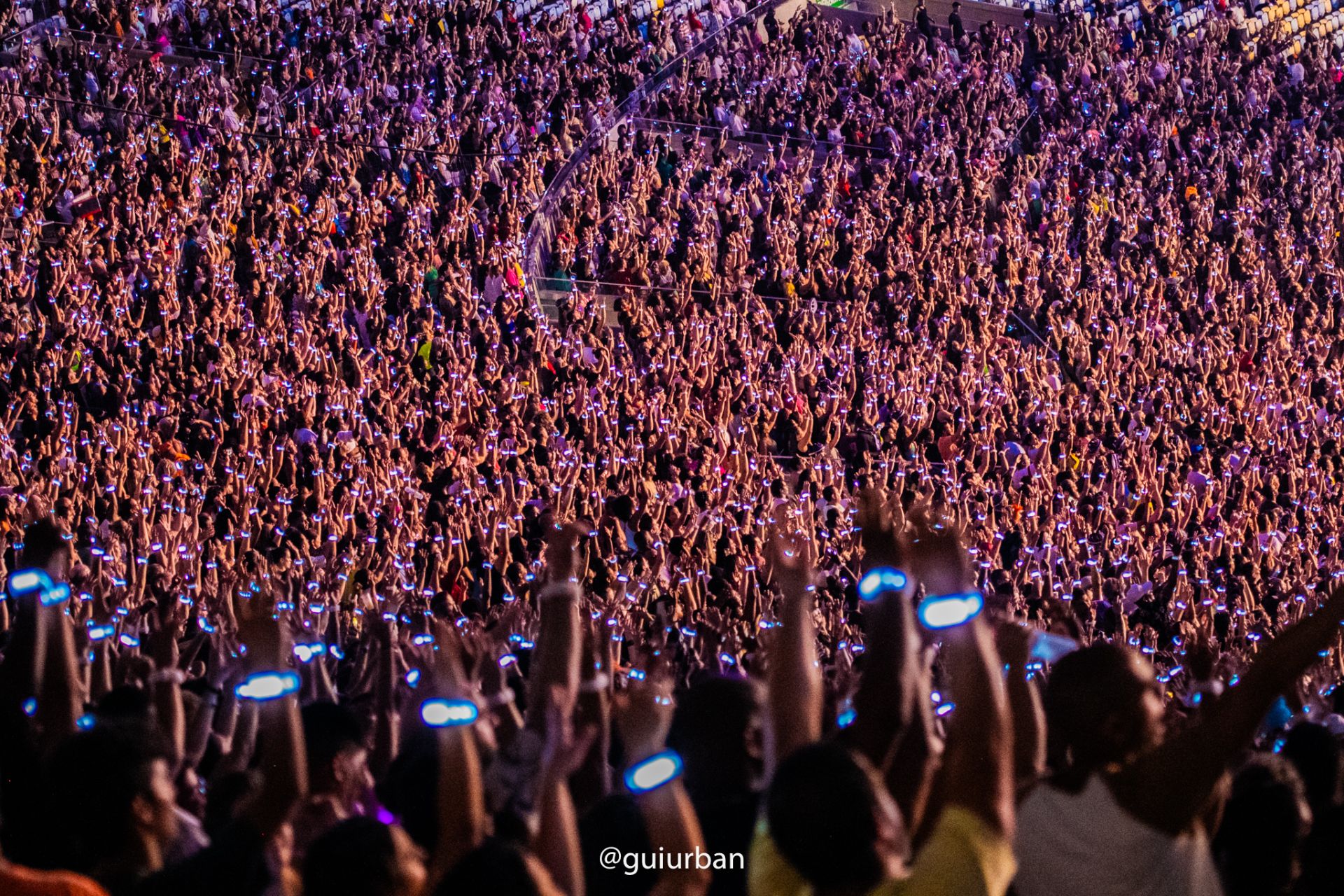
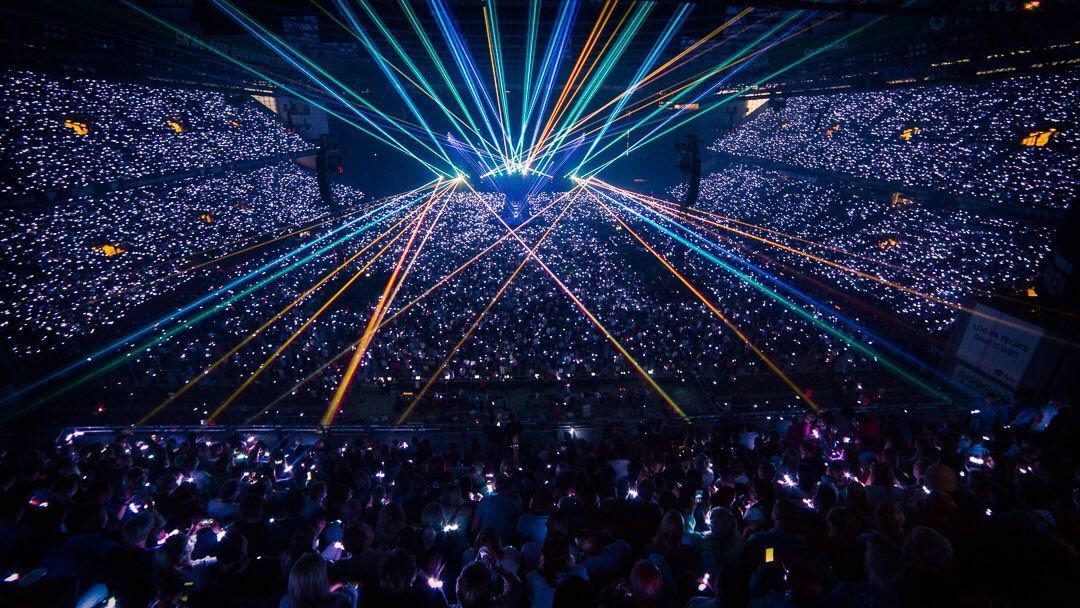
"As the lyrics ‘Lights will guide you home’ echoed across the crowd, he imagined something extraordinary: every person in the audience becoming part of the performance through synchronised wireless LED wristbands."
This wasn’t a linear thought; it was a connection—a leap from auditory cue to a visual, kinetic, and emotional experience. It was about seeing a gap and filling it with light. He envisioned an entire audience transformed into a single canvas, a living light show. That ability to connect disparate concepts—music, emotion, technology, and human connection—is a hallmark of dyslexic thinking.
Bringing that vision to life required a different kind of intelligence. It demanded relentless problem-solving and a three-dimensional, systems-based approach to inventing the technology of radio controlled LED wristbands. It’s one thing to have an idea; it’s another to build the invisible network that can synchronize tens of thousands of individual lights in a stadium, from a Maluma concert in Medellín to a Formula One celebration in London.
The Neurodiverse Edge in Event Technology
The live events industry is in a constant state of evolution. What captivated audiences yesterday is the baseline for tomorrow. This relentless demand for novelty is a perfect match for the dyslexic mind’s non-linear, exploratory nature. The ability to hyper-focus, a common trait associated with neurodiversity, becomes a superpower in the deep, complex work of research and development.
This is where new forms of wearable LED technology are born. It’s not just about creating a brighter wristband; it’s about reimagining the very role of the audience. How can an LED lanyard do more than hold a credential? How can concert wristbands enhance crowd flow and safety? How can we use light to create deeper emotional resonance for both the live audience and the millions watching a broadcast at home?
These are not questions you can answer by following an established formula. The answers come from turning the problem over and over, looking at it from every angle, and finding the one connection nobody else has seen. This is the creative advantage of neurodiversity in action. It’s the engine that drives the development of custom LED wristbands for global brands and iconic artists, ensuring each experience is unique and unforgettable.
Building a Culture that Sees the Whole Picture
For entrepreneurs and business leaders, the lesson is clear: cultivating a neurodiverse team isn’t just a matter of social responsibility; it’s a profound strategic advantage. It’s about building a team that doesn’t just think outside the box, but doesn’t see the box at all.
In an industry that produces immersive events, from music festivals like Primer to major sporting events like the Davis Cup, success depends on a symphony of different talents. It requires the detail-oriented planner and the big-picture visionary, the linear thinker and the pattern-seeker. The most successful organizations are those that understand how to harmonize these different cognitive styles, creating a culture where every type of mind can do its best work.
The next generation of LED crowd experiences will be born from this synthesis. By embracing cognitive diversity, we are not just making our industry more inclusive; we are making it more innovative, more resilient, and infinitely more creative. We are building a world where the lights don’t just guide you home—they are powered by the very minds that see the path when no one else can.