The Invisible Network: An Introduction to LED Wristband Technology
The Unseen Architecture of Light
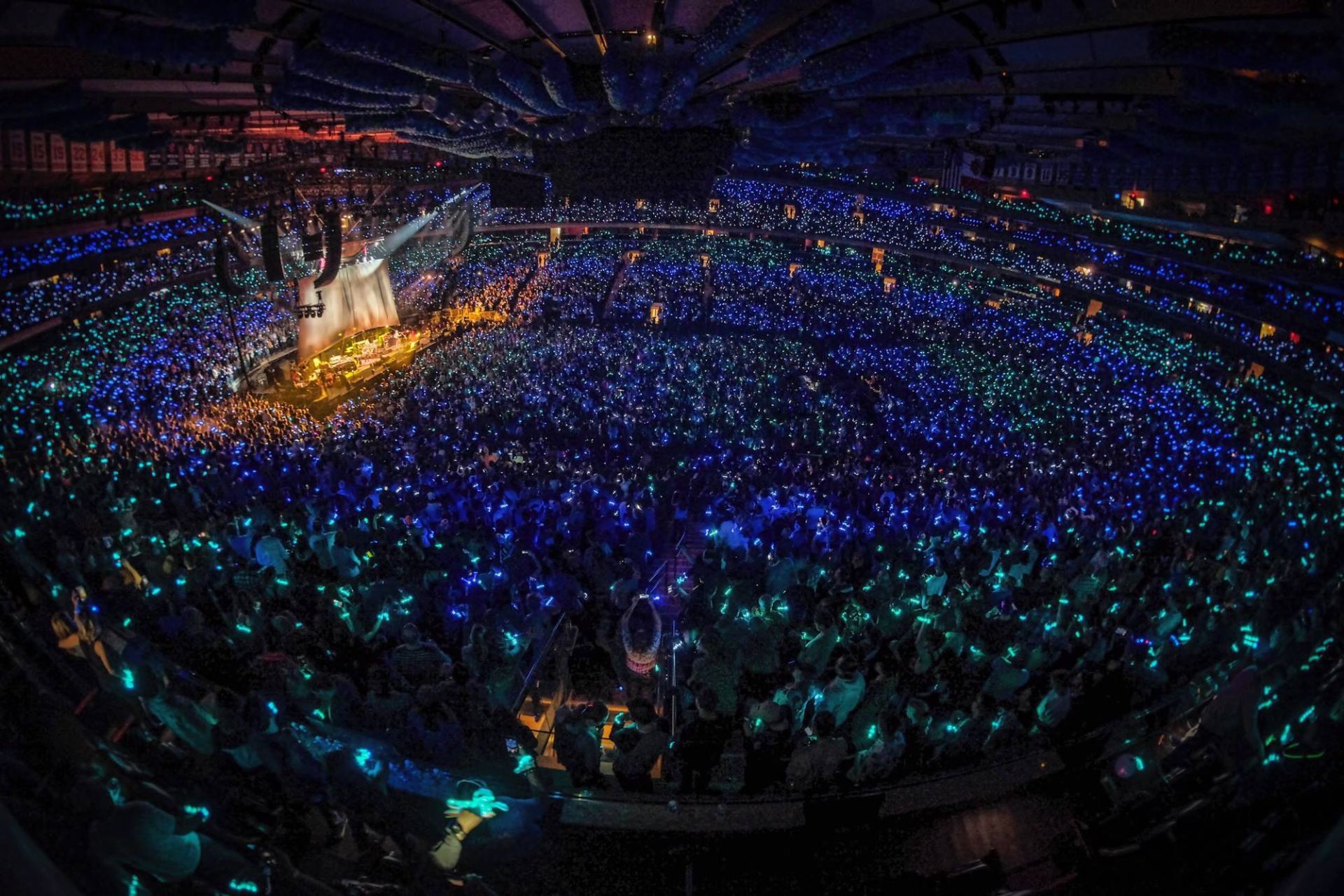
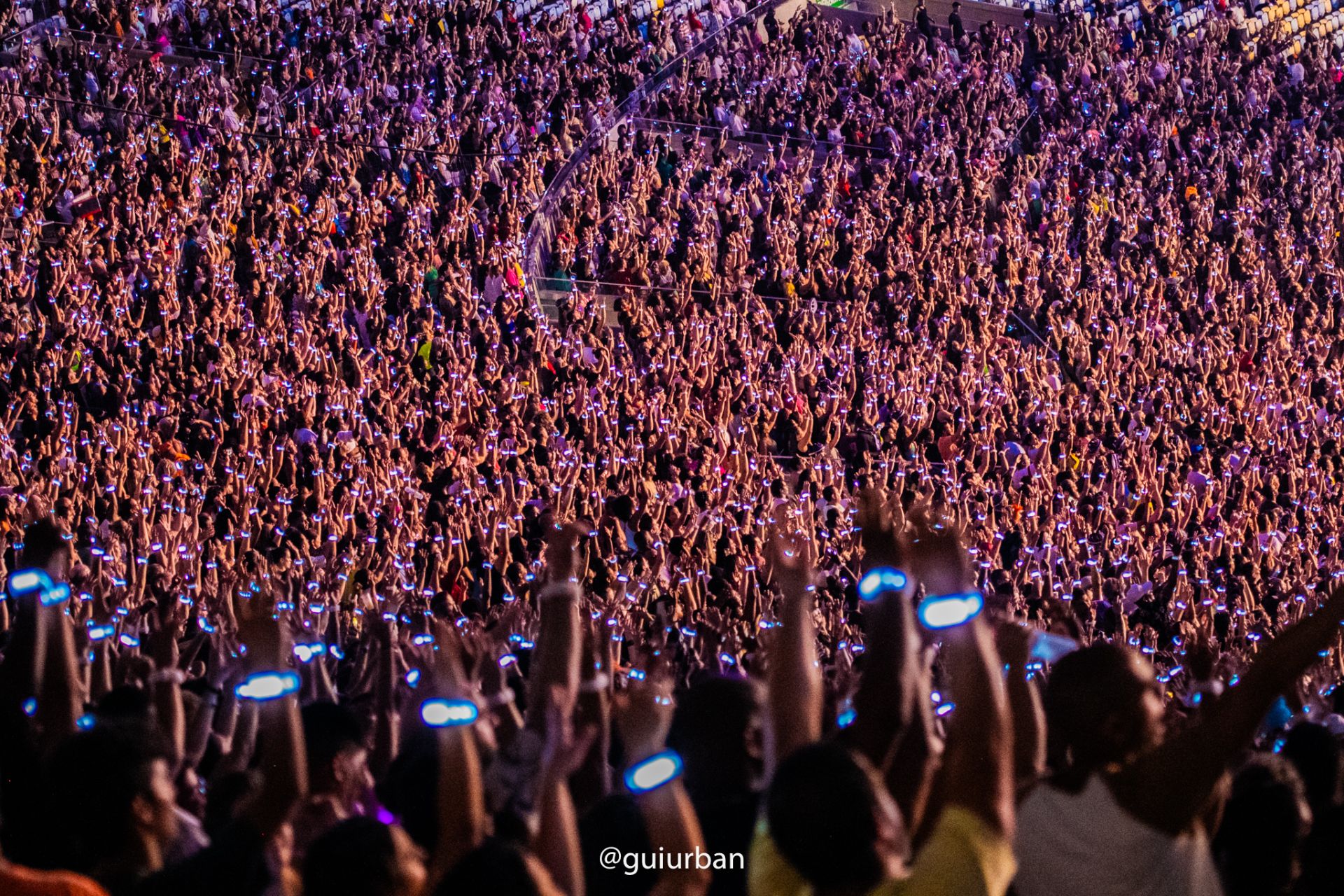
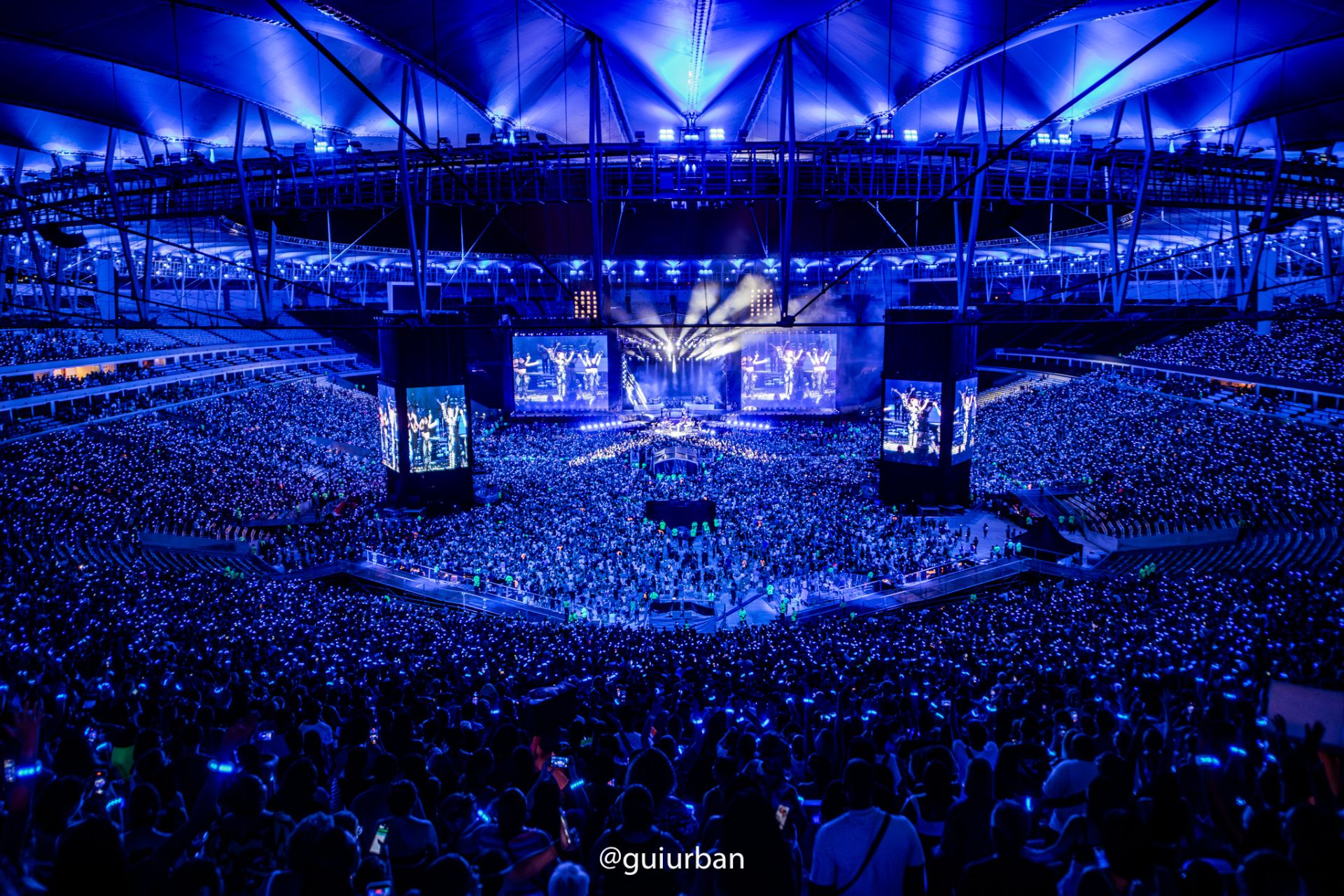
To the observer, it’s magic. A sea of people, spread across a stadium or festival ground, suddenly illuminated in a wave of synchronized color. One moment, they are a crowd of individuals; the next, they are a single, living canvas, painted with light. This is the power of modern LED crowd experiences, a technology that has transformed the relationship between artist and audience. But behind these moments of collective awe lies a sophisticated and robust technical infrastructure. It’s an invisible network of signals and commands, precisely engineered to deliver flawless, immersive events on a massive scale.
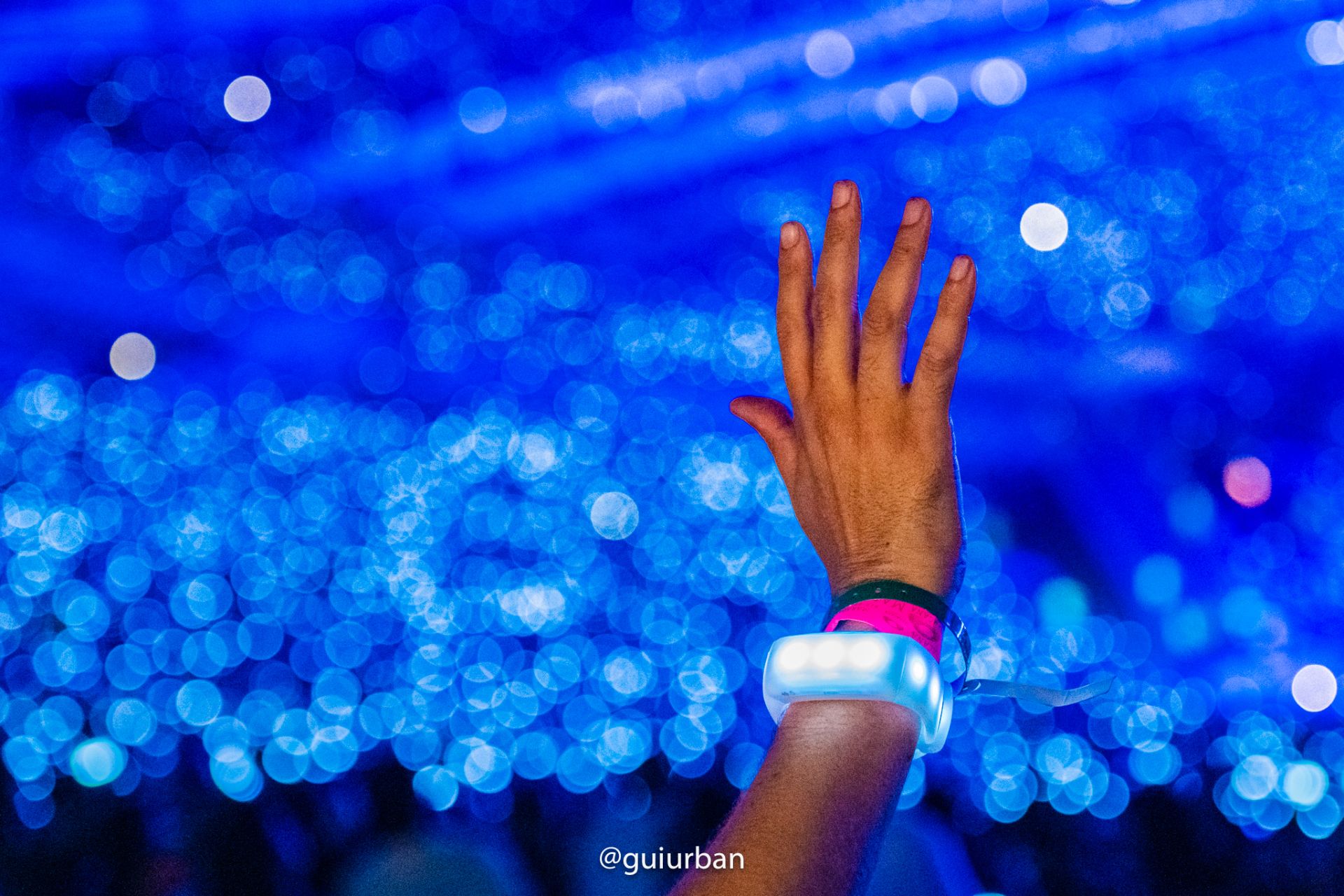
At Xylobands, we pioneered this technology, debuting it on Coldplay’s Mylo Xyloto tour and sparking a revolution in live event production. Since then, we’ve powered over 10,000 events, from sold-out concerts with artists like Wizkid and Maluma to global broadcasts for brands like Formula One and ITV. The core of this innovation lies in the ability to communicate with tens of thousands of individual devices—LED wristbands, lanyards, or orbs—simultaneously and without failure. This communication is primarily achieved through three distinct, yet complementary, technologies: Radio Frequency (RF), DMX, and Infrared (IR).
The Power of the Airwaves: Radio Frequency (RF) Control
The workhorse of large-scale audience lighting is Radio Frequency (RF) technology. It’s the same fundamental principle that powers broadcast radio, Wi-Fi, and countless other wireless systems, but adapted for the unique demands of live events. An RF system allows a single operator to control every wristband in a venue, no matter its size.
How It Works
An RF setup for LED experiences consists of two main components: a transmitter and the receivers embedded within each Xyloband. The operator, often working alongside the lighting designer, uses a dedicated controller to send commands. This controller is connected to a powerful transmitter, which broadcasts signals across a specific radio frequency. These signals are not just simple on/off commands; they are packets of data that can specify color, brightness, and effect (like strobing or fading). Each wristband’s receiver is programmed to listen for these signals and execute the commands instantly.
The result is the ability to create sweeping, venue-wide effects with near-zero latency. Imagine painting an entire stadium bowl in a team’s colors for a player entrance, or creating a pulsing red heartbeat effect that syncs with a track’s bassline across 80,000 concert wristbands. This is the power of RF.
Our proprietary RF system is built for resilience. We operate on frequencies that avoid interference from the dense soup of Wi-Fi, cellular, and broadcast signals common in modern arenas. For global tours and major festivals like Greece’s PRIMER Music Festival, our transmitters are engineered to cover vast distances, ensuring that every single attendee, from the front row to the highest seats, is part of the same unified experience.
Theatrical Precision: DMX Integration
While RF is perfect for broad, macro-level control, DMX (Digital Multiplex) brings a layer of theatrical precision. DMX is the industry-standard protocol for controlling stage lighting, fog machines, and other stage effects. By integrating our system with DMX, we allow event lighting designers to treat the audience as another fixture in their lighting rig.
Bridging the Systems
Through a DMX-to-RF interface, the lighting designer can program the LED wristbands directly from their console. This means the crowd’s light show can be perfectly synchronized with the on-stage lighting cues. A complex, fast-paced sequence of color changes on stage can be mirrored identically across the audience, effectively extending the stage design into the entire venue. This level of granular control is crucial for television broadcasts and corporate events where visual cohesion is paramount. It transforms passive viewers into active participants in the production design, creating powerful visuals for both the in-person and broadcast audience.
Up Close and Personal: Infrared (IR) Triggers and Zones
If RF is the wide-angle lens and DMX is the zoom, Infrared (IR) is the macro. IR technology allows for highly localized and targeted control, triggering wristbands only when they enter a specific, predefined area. It uses the same basic technology as a television remote, but on a more advanced scale.
Creating Interactive Zones
Small, discreet IR transmitters are placed at strategic points throughout a venue—entrances, along a catwalk, near a specific brand activation, or in different hospitality tiers. These transmitters continuously emit a unique command signal. When a wristband passes into the transmitter’s range (typically a few meters), it receives the signal and activates a specific lighting effect. For example:
- Corporate Event Activations: A custom LED wristband could light up with a brand’s color the moment an attendee enters their sponsorship zone.
- Interactive Games: During a pre-show, different sections of the arena could be assigned different colors, turning the audience into a live scoreboard.
- Artist Interaction: An artist walking through the crowd could trigger a ripple of light that follows them, creating a magical and personal moment for nearby fans.
At the Formula 1 75th Anniversary event, we used this principle to great effect, creating custom LED Lanyards for different teams and hospitality levels. This zoning capability allows for a level of personalized interaction and crowd segmentation that is impossible with RF alone. It’s a key component of what makes immersive event technology so powerful; it can operate on both a mass scale and a personal one simultaneously.
The Synthesis of Storytelling
The true art of deploying wearable LED technology lies in using these three tools—RF, DMX, and IR—in concert. It’s about choosing the right technology for the right moment to serve the overarching story of the event. A show might begin with a massive RF-controlled color wash to establish a mood, transition into a tightly synchronized DMX sequence that matches the stage lighting beat-for-beat, and then create a surprising, intimate moment using a hidden IR trigger.
From the thunderous energy of a stadium tour to the polished precision of a live broadcast, this invisible network is the foundation. It’s a technology purpose-built to connect people, amplify emotion, and turn passive crowds into unforgettable spectacles of light. It’s the unseen engine powering the next generation of shared experiences.