The Electric Self: Identity and Belonging in Large-Scale Light Shows
From Spectator to Spectacle
There is a moment at every large-scale event—be it a stadium concert, a festival, or a global broadcast—when the passive observer becomes an active participant. It’s a cognitive switch, a sudden and powerful feeling of belonging. The sea of faces dissolves, and a singular, unified entity emerges. For decades, producers and artists have chased this moment, this holy grail of audience engagement. Today, thanks to advances in immersive event technology, we are closer to understanding and shaping it than ever before.
At its core, the psychology of audience engagement is a dance between two fundamental human needs: the need for individual identity and the need for collective belonging. We want to feel seen, to have our presence acknowledged. Yet, we also crave connection, the feeling of being part of something larger than ourselves. Historically, this was achieved through anthemic singalongs or coordinated chants. But modern events demand more. They demand a multi-sensory experience that engages on a deeper, more visceral level.
The Architecture of Belonging
Creating a sense of belonging in a crowd of 50,000 people is no small feat. It requires a delicate balance of macro and micro elements. On the macro level, there is the shared experience—the music, the performance, the spectacle. On the micro level, there is the individual experience—the personal, tangible connection to the event. This is where wearable LED technology comes into play.
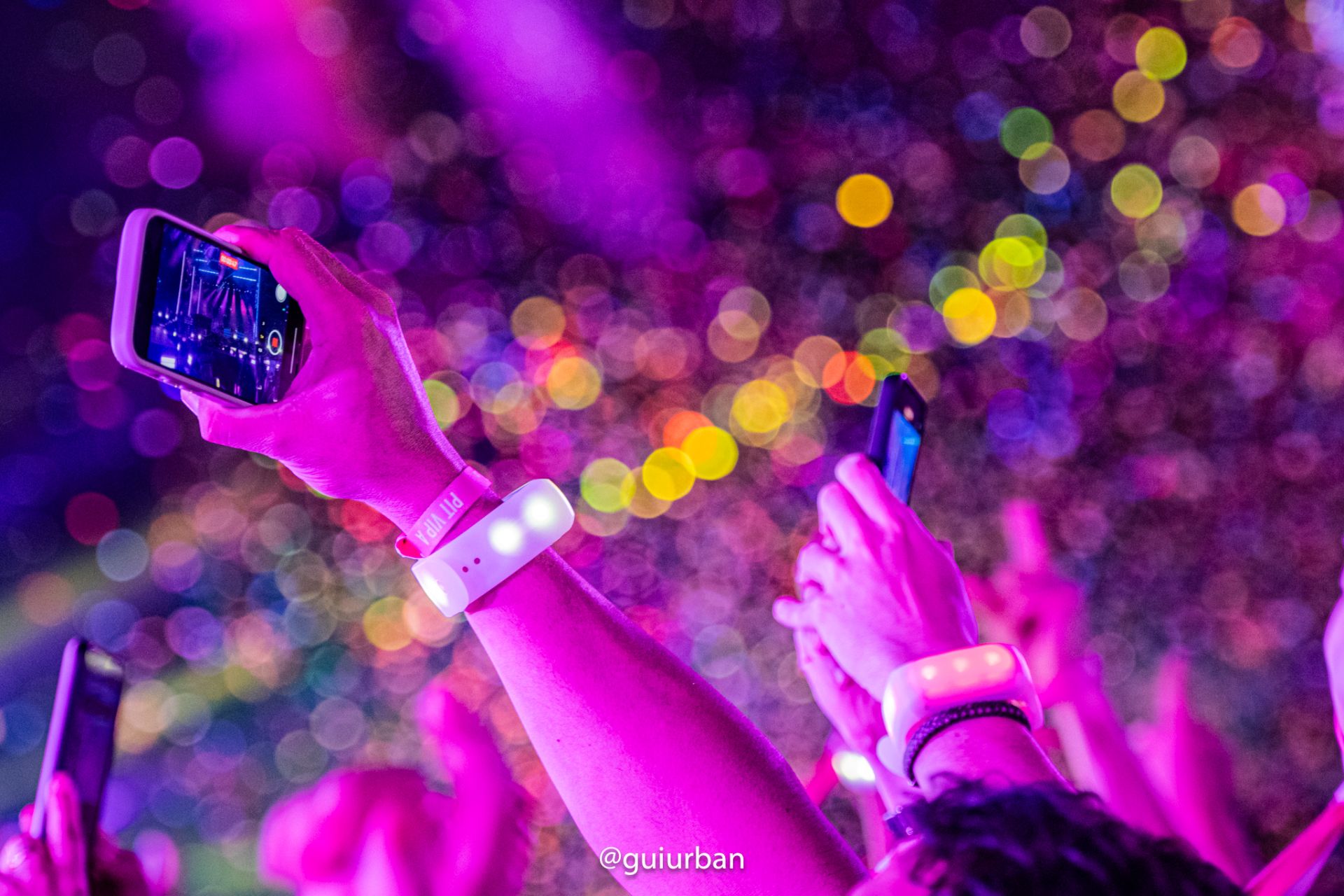
When each audience member is given a device—a Xyloband, for instance—they are handed a tangible piece of the show. It is theirs to wear, a personal conduit for the collective energy. When these wristbands light up in unison, synchronized to a beat drop or a chorus, they transform the individual into a pixel in a grand, living canvas. The boundary between self and other blurs, and for a moment, 50,000 individuals become one. This is the power of LED crowd experiences; they provide a personal anchor to a mass event.
Consider the historic three-night, sold-out run of Wizkid at London’s O2 Arena. Each of the 60,000 attendees became part of the spectacle, their custom-branded LED bracelets pulsing in time with the music. Or Maluma’s landmark hometown concert in Medellín, where 54,000 fans, plus millions streaming on Amazon, were united in a single, broadcast-ready light show. This is not just about flashing lights; it’s about creating a shared visual identity.
The Group Mind, Illuminated
This phenomenon, often referred to as "collective effervescence," is a concept sociologists have discussed for over a century. It’s the sense of energy and harmony that arises when a group of people comes together and participates in the same action. It’s the feeling of a tribe, a community, a unified force. Immersive event technology acts as a catalyst for this, accelerating and intensifying the process.
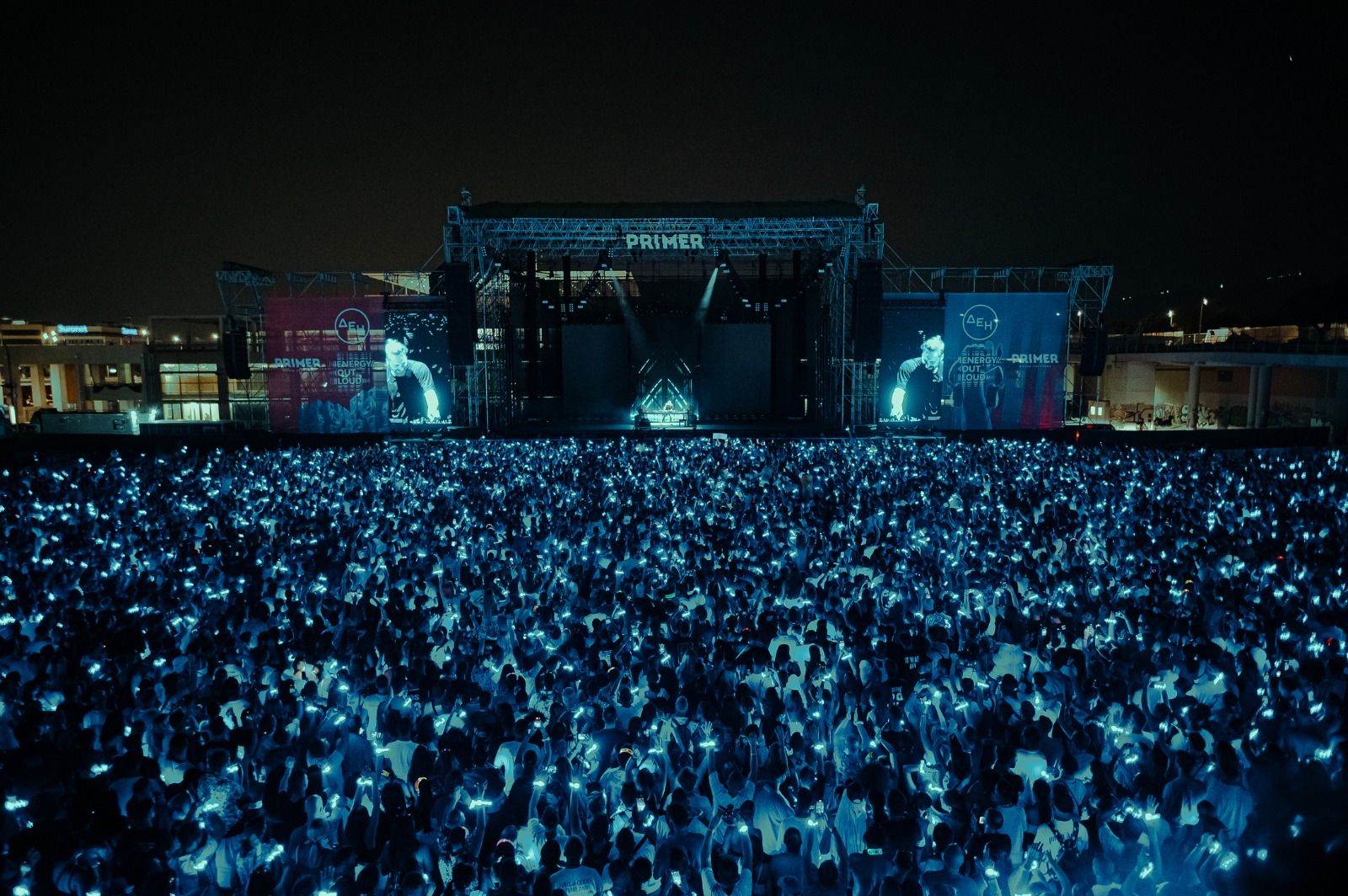
The pulsing light of thousands of radio controlled LED wristbands creates a shared rhythm, a visual heartbeat for the crowd. It bypasses the conscious mind and speaks directly to our primal need for connection. It’s a powerful tool for any event producer looking to create not just a show, but a memory. A moment of true unity. We’ve seen this translate across genres and formats, from the high-energy beats of Primer Music Festival in Greece to the high-stakes drama of the Davis Cup.
The Individual Within the Collective
Crucially, this sense of collective identity does not erase the individual. Instead, it amplifies their role. Your wristband, your light, is your contribution to the whole. You are not just watching the show; you are in the show. This is a profound psychological shift. It transforms the experience from a passive act of consumption to an active act of co-creation.
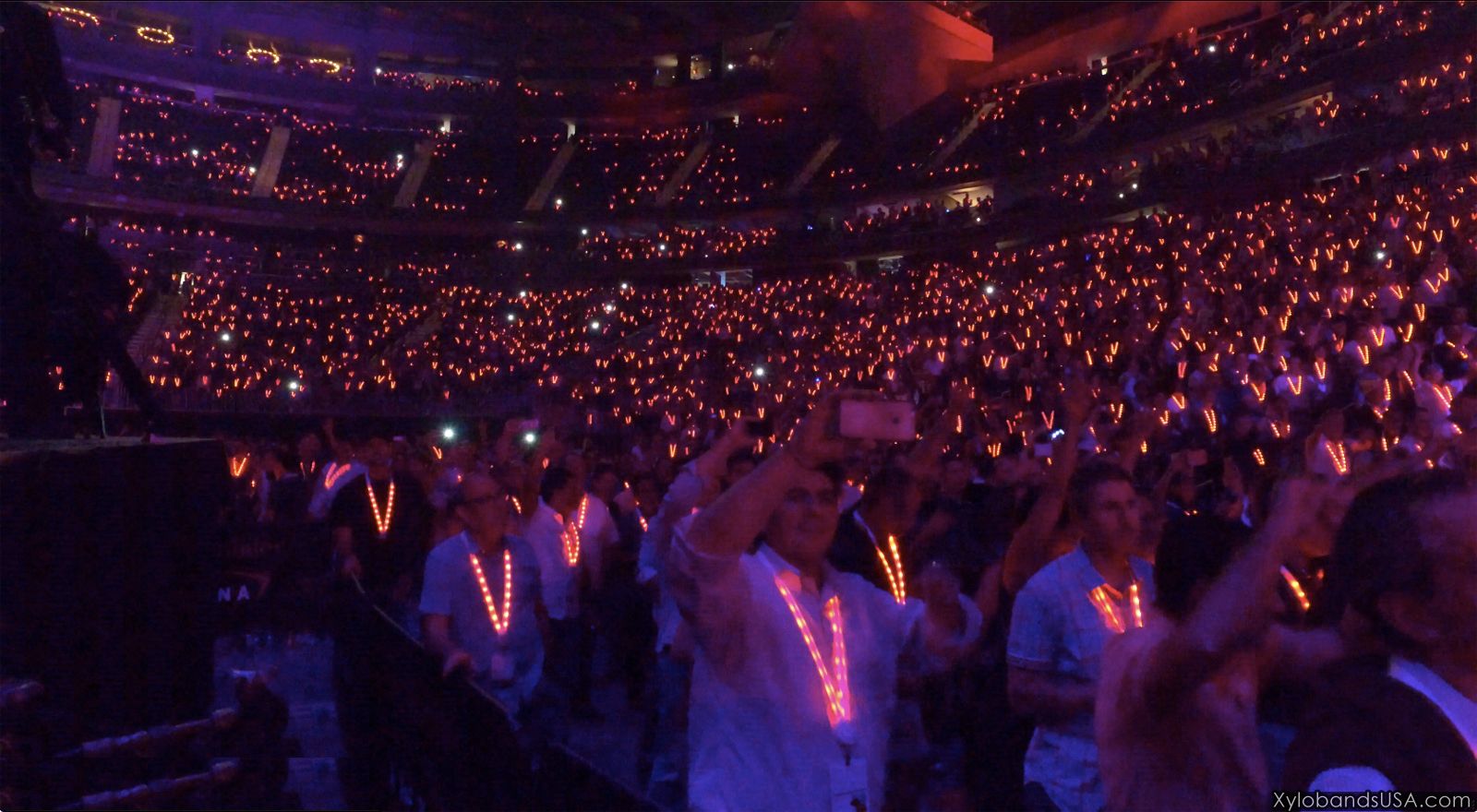
For corporate event activations, this has revolutionary implications. An employee or a client is no longer just an attendee; they are a brand ambassador, a vital part of the message. At the F1 75 celebration, for example, custom LED Lanyards were created for different teams and hospitality levels. This simple act of segmentation allowed for complex, dynamic lighting effects that reinforced brand identity while still uniting the entire arena in a shared love for the sport.
- Personalization: Even within a unified crowd, technology allows for moments of individual recognition. Imagine a section of the crowd lighting up in a specific color, or patterns rippling through the audience to highlight a specific moment.
- Interaction: The technology is not just one-way. With advancements in RFID and NFC, LED wearables can become tools for interaction, for data exchange, for a more personalized event journey.
- Inclusion: Light is a universal language. It transcends cultural and linguistic barriers, creating a truly inclusive experience for a global audience.
Conclusion: The Future is a Shared Experience
The future of live events lies in the ability to create deeply personal experiences within a mass collective. It’s about understanding the delicate interplay between the individual and the group, the personal and the public. As event producers, our role is to be the architects of these experiences, to build the framework upon which these moments of connection can occur.
As technology continues to evolve, so too will our ability to craft these moments. From concert wristbands to LED orbs, the tools may change, but the fundamental human need for connection will remain. The goal is, and always will be, to turn a crowd of strangers into a community, an audience into an electric, illuminated tribe. It’s about creating a light that doesn’t just guide them home, but makes them feel like they are already there.