The Other Side of Chaos: How Dyslexic Entrepreneurs Are Rewiring the World
The Diagnosis and the Doubt
In the world of business, we’re conditioned to see the world in straight lines. Spreadsheets, business plans, P&L statements—they all demand linear, logical, and sequential thinking. But for a dyslexic mind, this linear world can feel like a foreign country. The traditional path to success, paved with rote memorisation and standardised tests, is often a minefield of frustration.
Dyslexia is typically defined by its challenges: difficulty processing written language, jumbled spelling, and a constant battle to translate thoughts into text. It’s a neurological condition that affects up to 20% of the population. For decades, the narrative has been one of deficiency. But this perspective overlooks a powerful truth: the dyslexic brain isn’t broken. It’s wired differently. And that difference can be a formidable competitive advantage.
Seeing the Big Picture: The Dyslexic Advantage
While neurotypical minds are often trained to focus on the details, the dyslexic brain excels at synthesising information and seeing the bigger picture. It’s a mind built for strategy, not just tactics. This is often referred to as “gist detection” or holistic processing—the ability to cut through the noise and identify the core concept or underlying pattern.
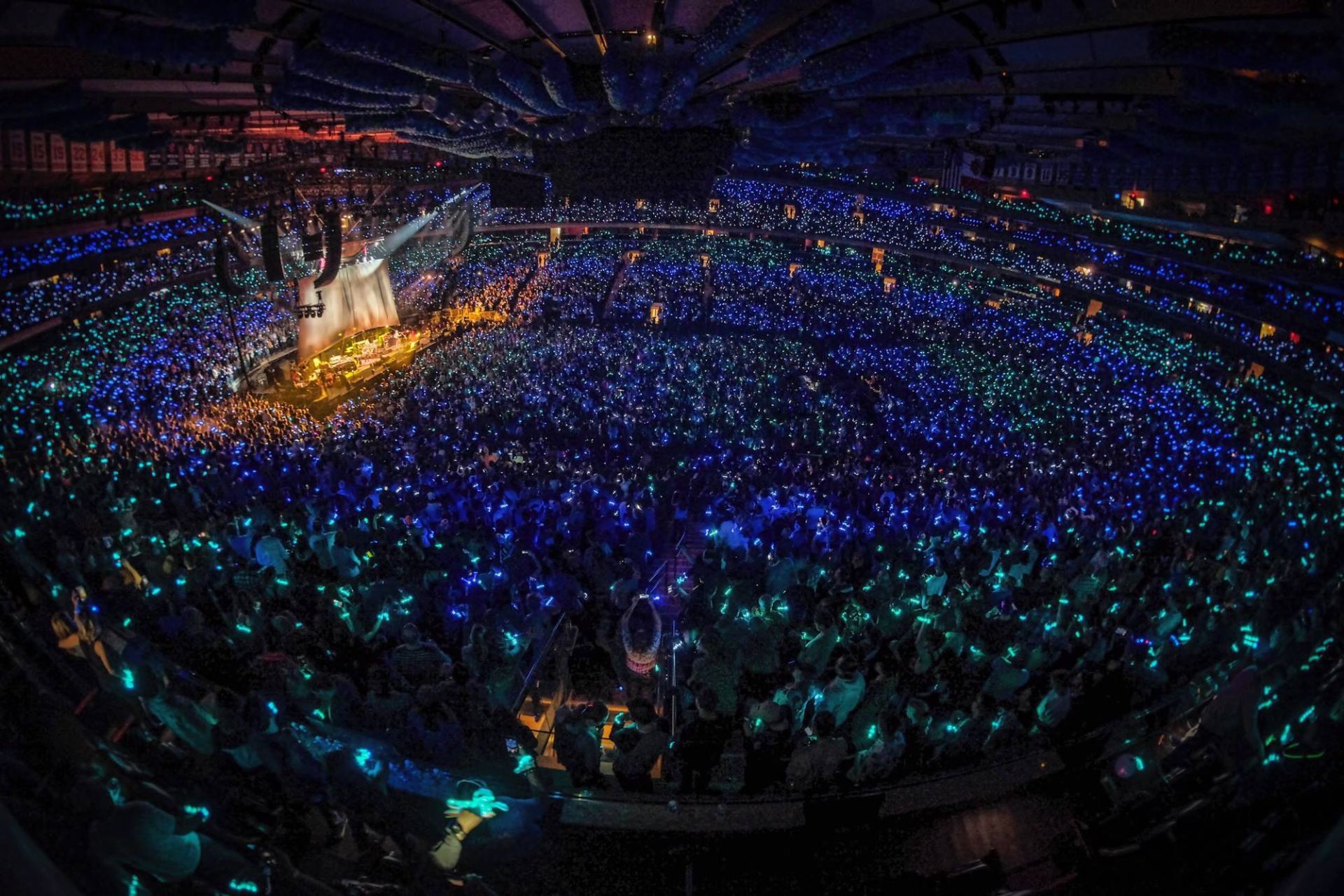
This is precisely the kind of thinking that fuels innovation. It’s the ability to connect seemingly disparate ideas, to spot opportunities others miss, and to envision a future that doesn’t yet exist. Xylobands founder Jason Regler’s story is a testament to this. Watching a Coldplay performance at Glastonbury, he wasn’t just seeing a concert; he was seeing a system. While thousands were lost in the music, his mind was connecting the emotional power of the lyrics—“Lights will guide you home”—with a technological possibility: an audience transformed into a canvas of light. That big-picture vision gave birth to Xylobands and a new category of immersive event technology.
Embracing the ‘Disorder’ as a Superpower
Many of the world’s most disruptive entrepreneurs, from Richard Branson to Steve Jobs, have shared their stories of struggling with dyslexia. They describe a common experience: a school system that labelled them as slow or difficult, followed by a professional journey where their unique way of thinking became their greatest asset. What are the core components of this advantage?
- Problem-Solving in 3D: Dyslexic thinkers often report that they visualise problems in three-dimensional space. They can manipulate concepts, rotate them, and view them from multiple angles to find novel solutions. While a linear thinker might try to force a key into a lock, a dyslexic thinker is more likely to dismantle the entire lock in their mind to understand how it works.
- Resilience and Adaptability: The constant need to develop workarounds for everyday tasks builds incredible resilience. Dyslexics become masters of delegation, verbal communication, and finding alternative paths to a goal. They don’t just follow the playbook; they rewrite it because they have to.
- A Bias for Action: When the process of documenting a plan is arduous, there’s a natural inclination to just start doing. This creates a powerful bias for action, experimentation, and learning by experience rather than by manual. It’s the engine of agile development and rapid innovation.
Building a Neurodiverse Organisation
So, how can leaders in the live events industry and beyond harness this creative advantage? It starts with reframing the conversation around neurodiversity. It’s not about accommodation in the traditional sense; it’s about creating an environment where different kinds of minds can thrive.
“We don’t see things as they are, we see them as we are.”
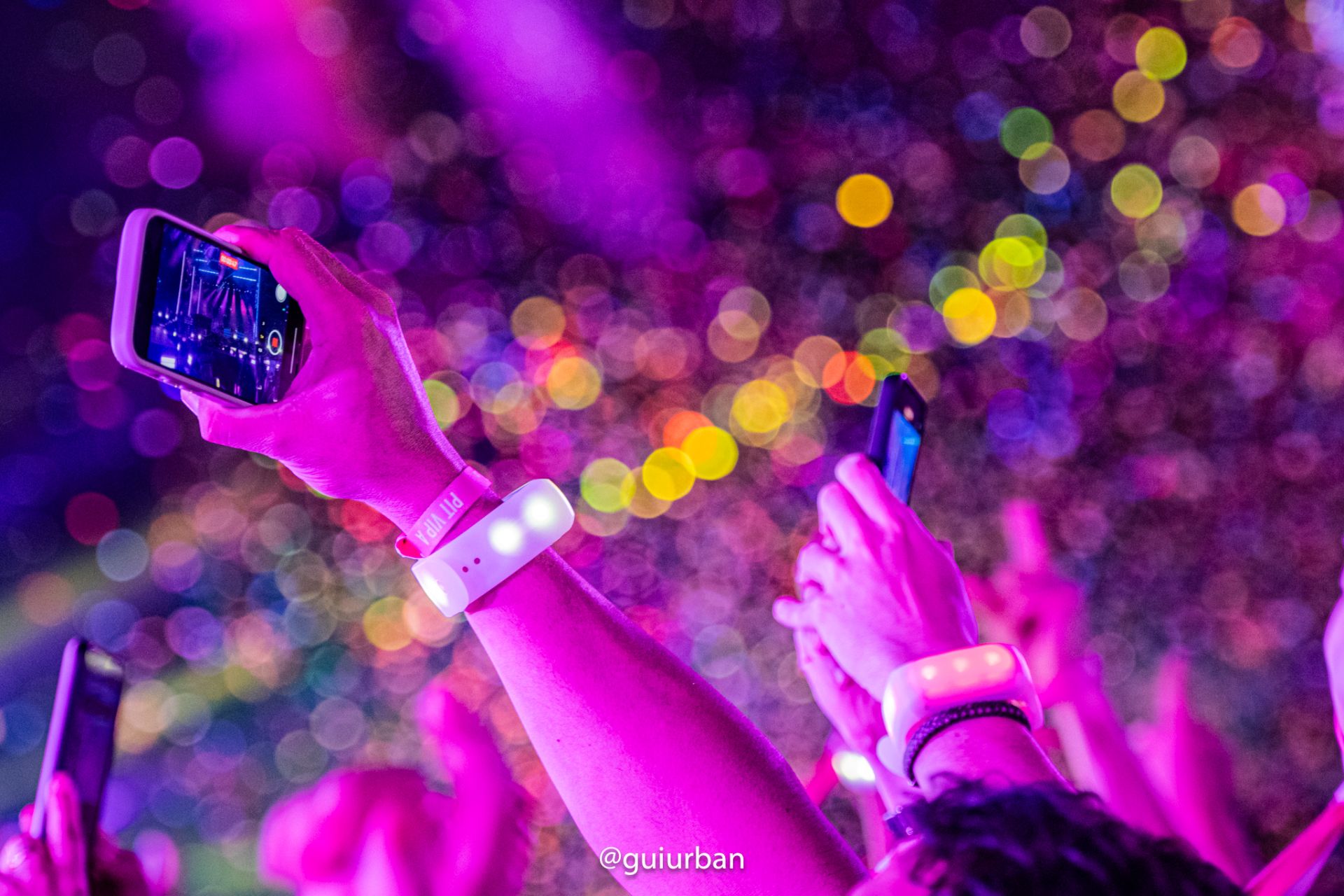
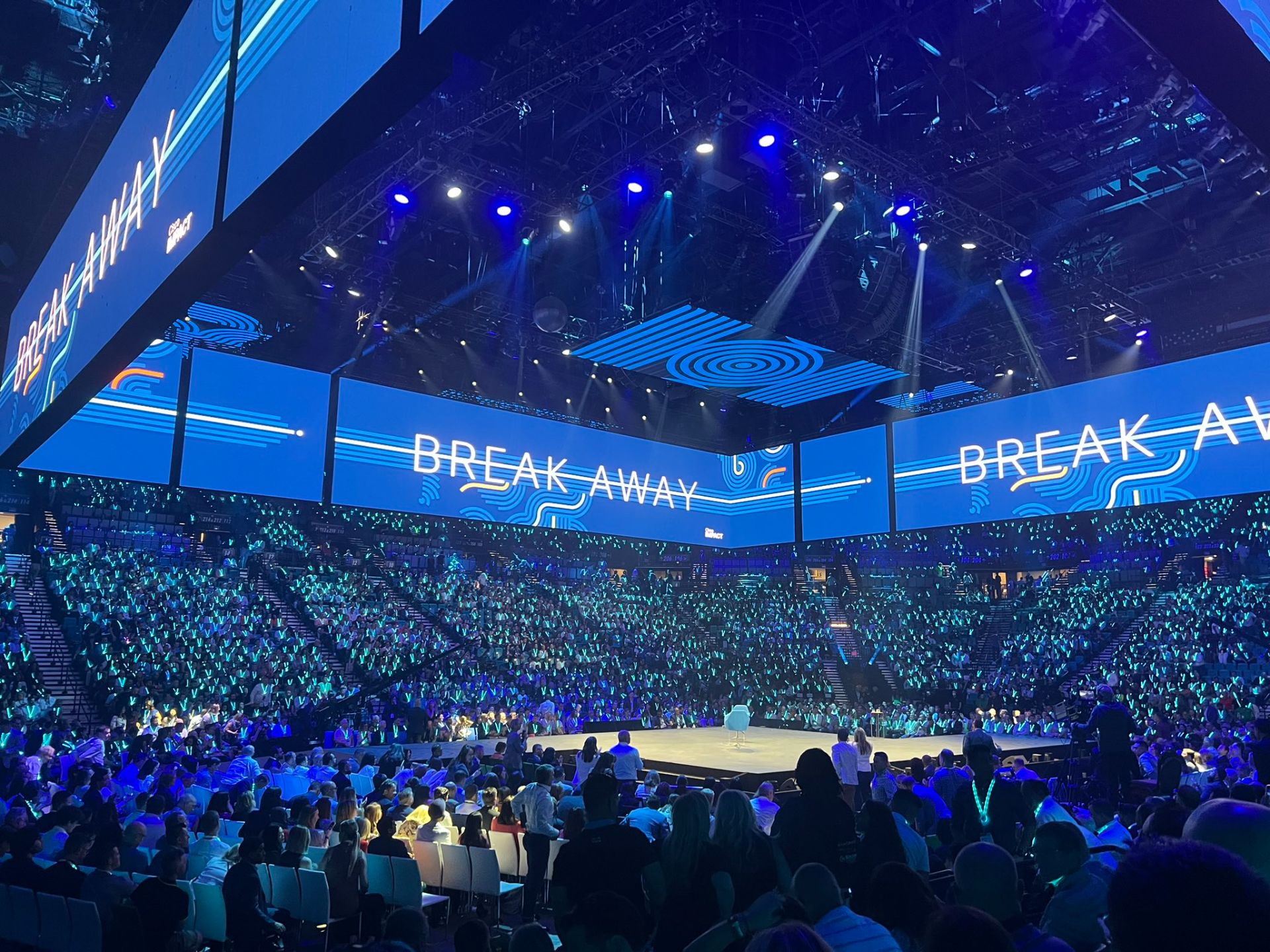
This means moving beyond a singular focus on written communication and standardised evaluations. It means valuing verbal briefings, visual brainstorming sessions, and practical demonstrations of skill. In an industry built on creating unforgettable LED crowd experiences, the ability to visualise, to feel, and to connect emotionally is paramount. Whether designing corporate event activations or choreographing light shows with radio controlled LED wristbands, the goal is to evoke a feeling, not just to execute a plan.
Companies that build neurodiverse teams—hiring not just for cultural fit but for cognitive diversity—are building a more robust, creative, and resilient organisation. They are equipping themselves with a wider range of problem-solving tools. The teams behind large-scale productions, from the Davis Cup to Formula One events, understand that success depends on a symphony of diverse talents, where technical precision meets creative chaos.
The Future is Non-Linear
The story of dyslexia in business is a powerful reminder that the path to innovation is rarely a straight line. The challenges faced by dyslexic individuals often forge the very skills needed to lead in a complex, rapidly changing world: creativity, resilience, and a profound ability to see the world not as it is, but as it could be.
The next generation of immersive events will not be born from spreadsheets alone. They will be born from flashes of insight, from connecting the unconnected, from the minds that have always seen things differently. By embracing neurodiversity, we are not just opening doors for a segment of the population; we are unlocking a new source code for innovation and rewiring the future of creative industries, one big idea at a time.