The Empathetic Lens: A New Standard for Inclusive Event Design
The Widest Possible Welcome
In the world of live events, we traffic in moments. A roar that ripples through a stadium, a shared gasp during a reveal, the collective pulse of 50,000 people synced to a beat. These are the textures of communal experience, the very thing we design for. But for too long, our definition of "communal" has been too narrow. We’ve designed for the center of the bell curve, assuming a single, monolithic audience experience. The future, and the imperative, is to design for the edges—to create truly immersive events that are accessible and welcoming to every body and every mind.
Inclusive design isn't about compromise; it's about innovation. It’s not a limitation on creativity, but an expansion of it. When we are forced to consider how our lighting, sound, and spatial designs are perceived by individuals with sensory sensitivities, mobility challenges, or neurodivergence, we become better designers. We start to build experiences that are more robust, more considered, and ultimately, more human. This is about moving beyond compliance and toward genuine empathy—engineering a wider, more profound welcome for everyone.
Light, Sound, and the Sensory Spectrum
Light and sound are our primary tools. For most, a crescendo of strobing lights and rising volume signals a peak moment. But for others—including individuals on the autism spectrum, those with PTSD, or people prone to sensory overload—that same crescendo can be overwhelming, disorienting, or even painful. Designing for inclusivity means offering control and predictability without sacrificing spectacle.
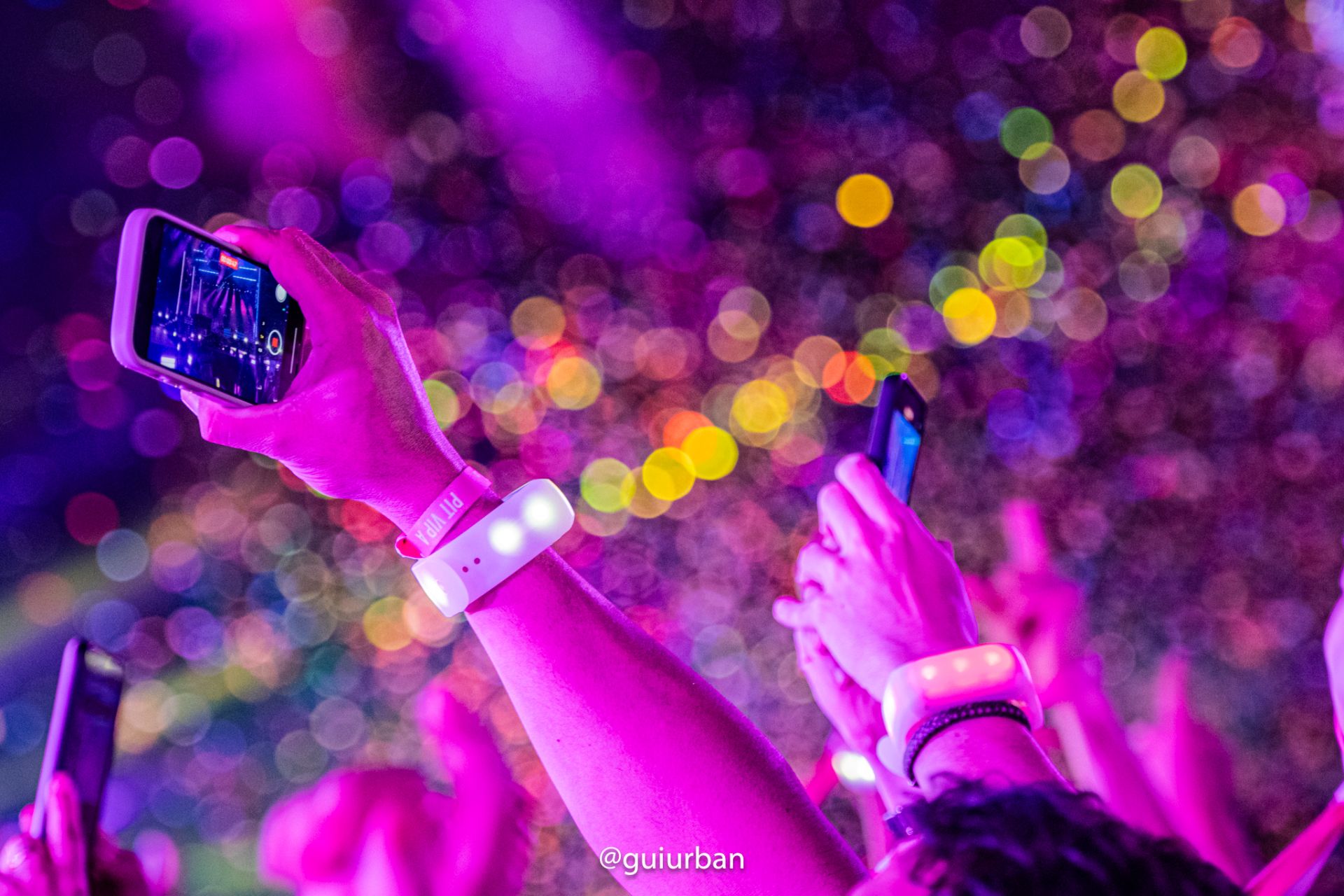
This is where wearable LED technology offers a powerful new vocabulary. A Xyloband, for example, is more than just a light-up wristband; it’s a personal, localized source of light. We can create gentle pulses instead of aggressive strobes. We can use color theory to evoke mood without overwhelming the visual field. We can design "light-scapes" that guide, soothe, and include, turning a potential sensory trigger into a point of connection.
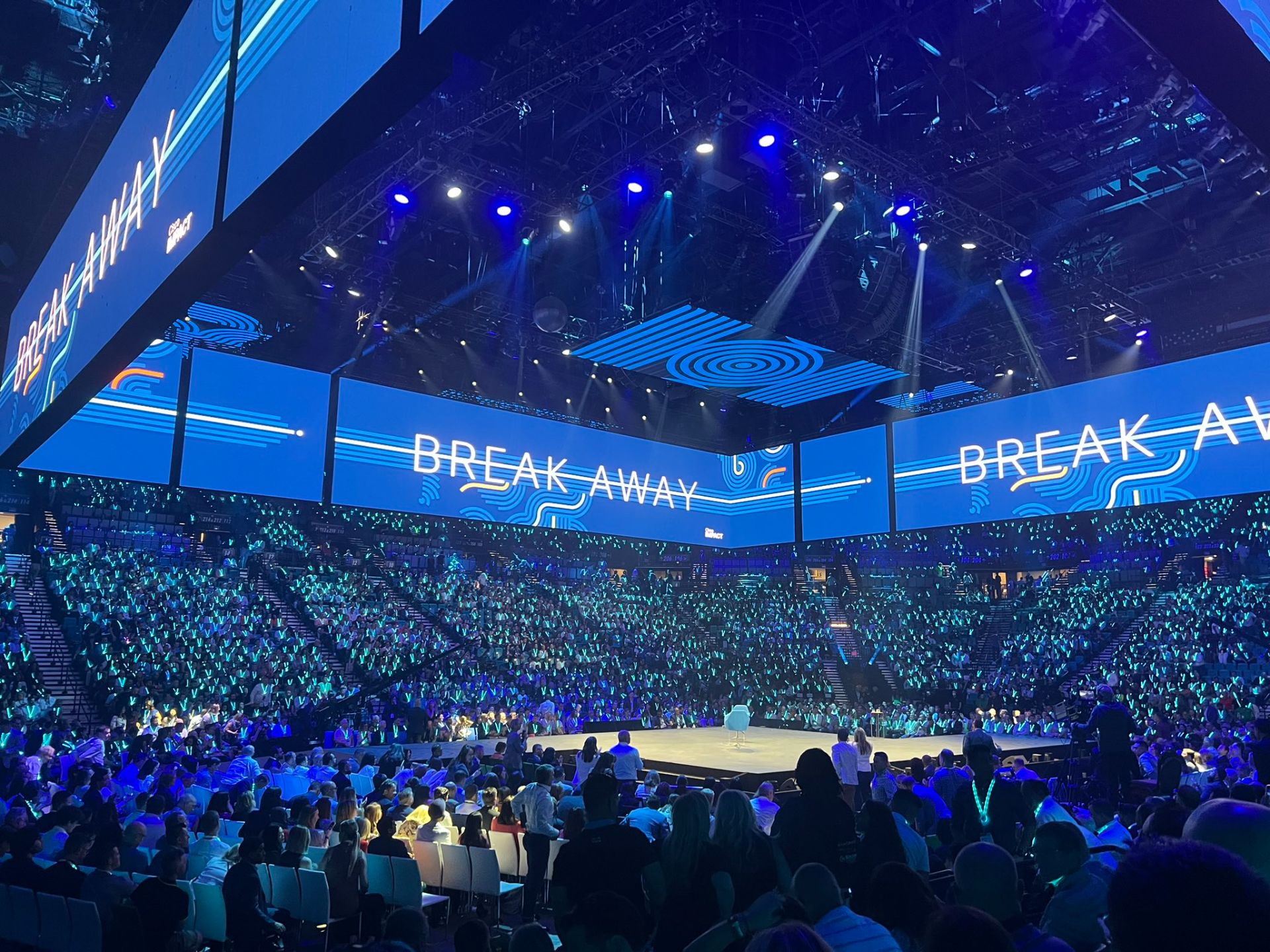
Consider the application in a corporate setting. For a major brand like Samsung or Google, creating an inclusive atmosphere at a product launch or conference isn't just good ethics—it's good business. By using LED lanyards or wristbands to create a calmer, more focused environment, they ensure their message is received by the widest possible audience, fostering a genuine sense of belonging that reflects powerfully on the brand itself.
Beyond Ramps: Weaving Accessibility into the Experience
True accessibility is woven into the fabric of an event, not bolted on as an afterthought. It extends far beyond physical access. It’s about creating multiple ways to engage with the core experience.
For every person who wants to be in the heart of the mosh pit, there’s another who needs a designated quiet space to decompress. For every fan who thrives on visual chaos, there's another who connects more deeply through clear, resonant sound or a haptic, tactile sensation.
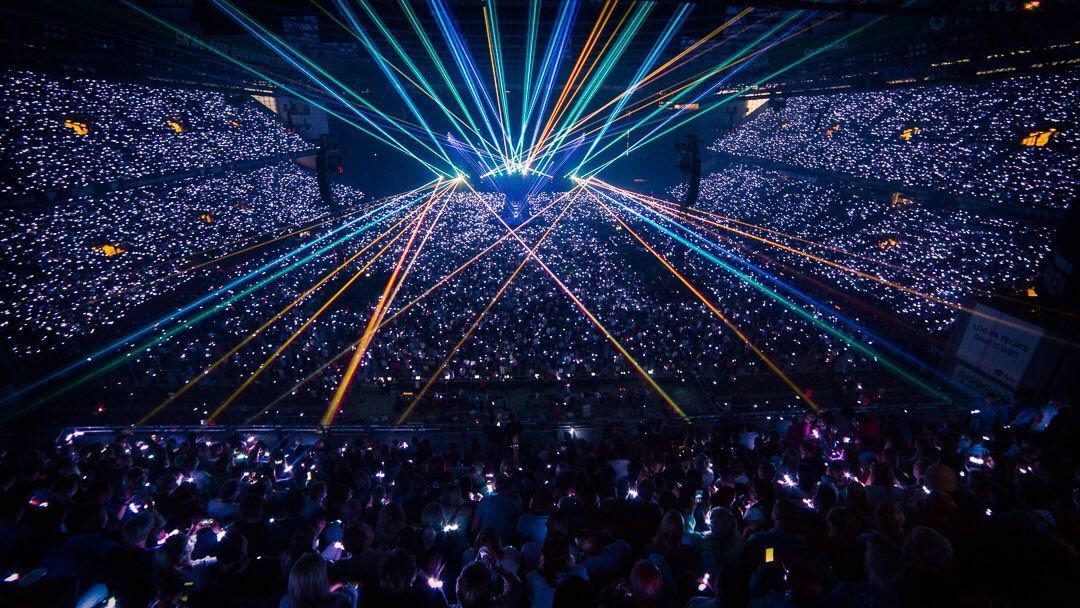
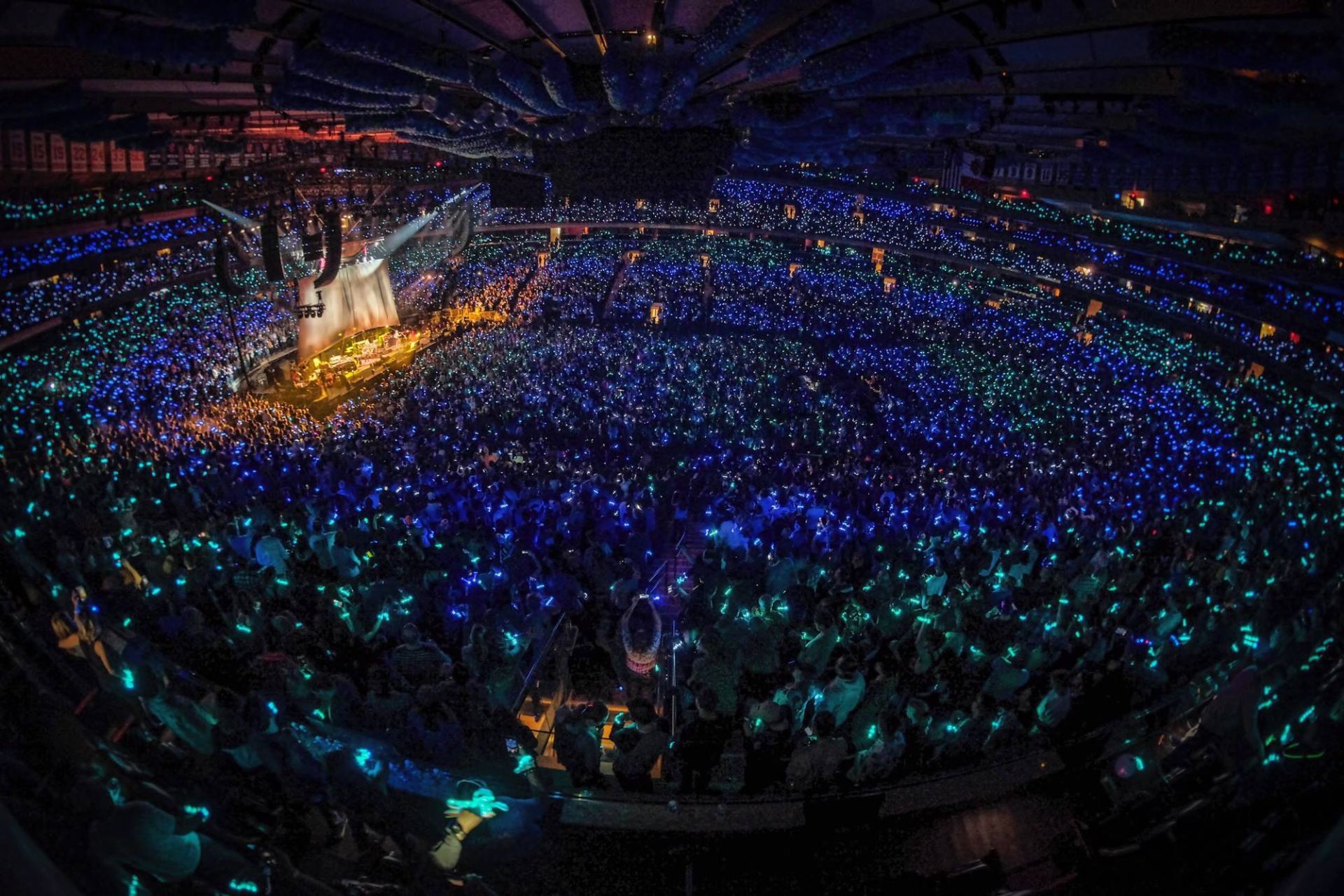
This is where immersive event technology becomes a bridge. Imagine a festival environment where attendees can use an app to control the intensity of their personal LED bracelets. Or a live music tour, like those we've helped power for artists from Coldplay to Maluma, where specific seating sections are programmed with softer, slower light transitions. It’s about offering gradients of experience, allowing each individual to find their own comfortable and joyful level of participation.
This philosophy also applies to broadcast events. When working with partners like ITV or on global broadcasts such as the Eurovision Song Contest, the goal is to create a spectacle that translates powerfully through the screen. But inclusive design pushes us further: how does the in-studio audience experience translate? Are there moments of sensory reprieve? Is the lighting designed to be as impactful for the person in the back row as it is for the camera lens? This dual focus ensures that the live energy, the core of the broadcast, is authentic and comes from a place of shared enjoyment.
Designing for Every Fan: A Practical Checklist
Creating more inclusive events is an ongoing process of learning and adaptation. It’s about asking the right questions at every stage of production:
- Sensory Variability: Can we create zones with different levels of audio-visual intensity? Can our radio controlled LED wristbands be programmed to offer varied experiences across different sections of a venue?
- Information & Predictability: Can we provide clear schedules and warnings for high-intensity moments like pyrotechnics or intense strobing? Can technology be used to signal these transitions in a less jarring way?
- Multiple Engagement Points: Beyond the main stage, are there other ways to be part of the event? This could be through interactive art installations using LED orbs or quiet zones that still feel connected to the main event.
- Empathetic Technology: Is our use of LED event technology adding to the sensory load, or is it offering a more controlled, personalized, and inclusive way to participate?
The Future is Accessible
The most powerful live experiences are those that create a sense of profound unity. But true unity doesn't mean uniformity. It means creating a space so thoughtfully and flexibly designed that it can hold a universe of individual experiences at once. It’s about building a bigger tent and ensuring everyone inside feels seen, respected, and free to engage in their own way.
At Xylobands, we believe that technology should be a tool for empathy. Whether it's designing custom LED wearables for a global sporting event like Formula One or crafting intimate LED crowd experiences for a corporate gathering, our focus is on the human at the center of the spectacle. The goal is not just to light up a room, but to light up every single person in it, creating a shared moment that is as diverse as the audience itself. That is the new frontier of immersive design.