The Spectrum of Experience: A New Standard for Inclusive Live Events
The Unspoken Contract of Live Events
At its core, a live event is a contract. It’s an agreement between the creators and the audience that for a few hours, we will share a space, a story, and an experience. But for too long, the terms of that contract have been written in fine print, legible only to a portion of the population. The promise of an unforgettable night has often excluded those with sensory sensitivities, mobility challenges, or neurodivergence. Today, that is changing. The industry is waking up to a deeper responsibility—not just to be compliant, but to be genuinely inclusive.
Designing for accessibility isn’t about ticking boxes or retrofitting solutions. It’s a creative philosophy. It’s about asking from the very first design meeting: “How can we make this experience powerful for every single person in the room?” This question pushes us beyond traditional lighting and sound, into a realm where technology fosters connection and belonging. It challenges us to build events that are not just seen and heard, but felt.
Beyond the Ramp: Designing for Sensory and Cognitive Diversity
True inclusivity requires a multi-sensory approach. While physical accessibility remains fundamental, the next frontier is designing for sensory and cognitive diversity. The roar of a stadium, the intense strobing of a light show, the sheer density of a crowd—these hallmarks of live entertainment can be overwhelming and exclusionary for many. The challenge for producers isn’t to dilute the energy, but to offer more control and create zones of comfort within the spectacle.
This is where wearable LED technology offers a powerful toolkit. Imagine a guest with auditory sensitivity who can still feel the beat through haptic vibrations in their wristband. Think of designated quiet zones where the visual energy of the show is still present through gently pulsing LED Lanyards or LED Orbs, but the sonic intensity is reduced. It’s about creating a more personalized and manageable sensory environment.
Immersive event technology allows us to craft layered experiences. For instance, at a large-scale festival, radio controlled LED wristbands can be programmed to create specific patterns for different sections. This same logic can be applied to create "sensory-friendly" zones. In these areas, the light might be less intense, the transitions softer, and the color palettes calmer, offering a haven without sacrificing the feeling of being part of the collective.
Light as a Language: Guiding, Communicating, and Including
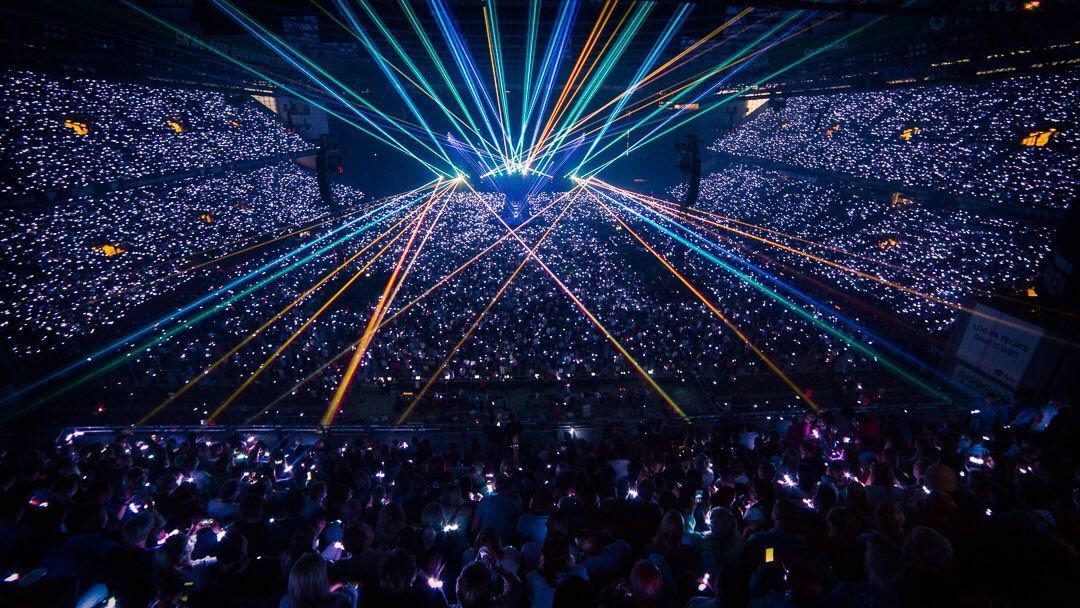
In the dynamic, often chaotic, environment of a live event, light is our most universal language. It transcends barriers of language and hearing, offering a powerful tool for communication and guidance. For guests who are Deaf or hard of hearing, a synchronized light show isn't just a visual treat; it's a primary channel for experiencing the music’s rhythm and emotional arc.
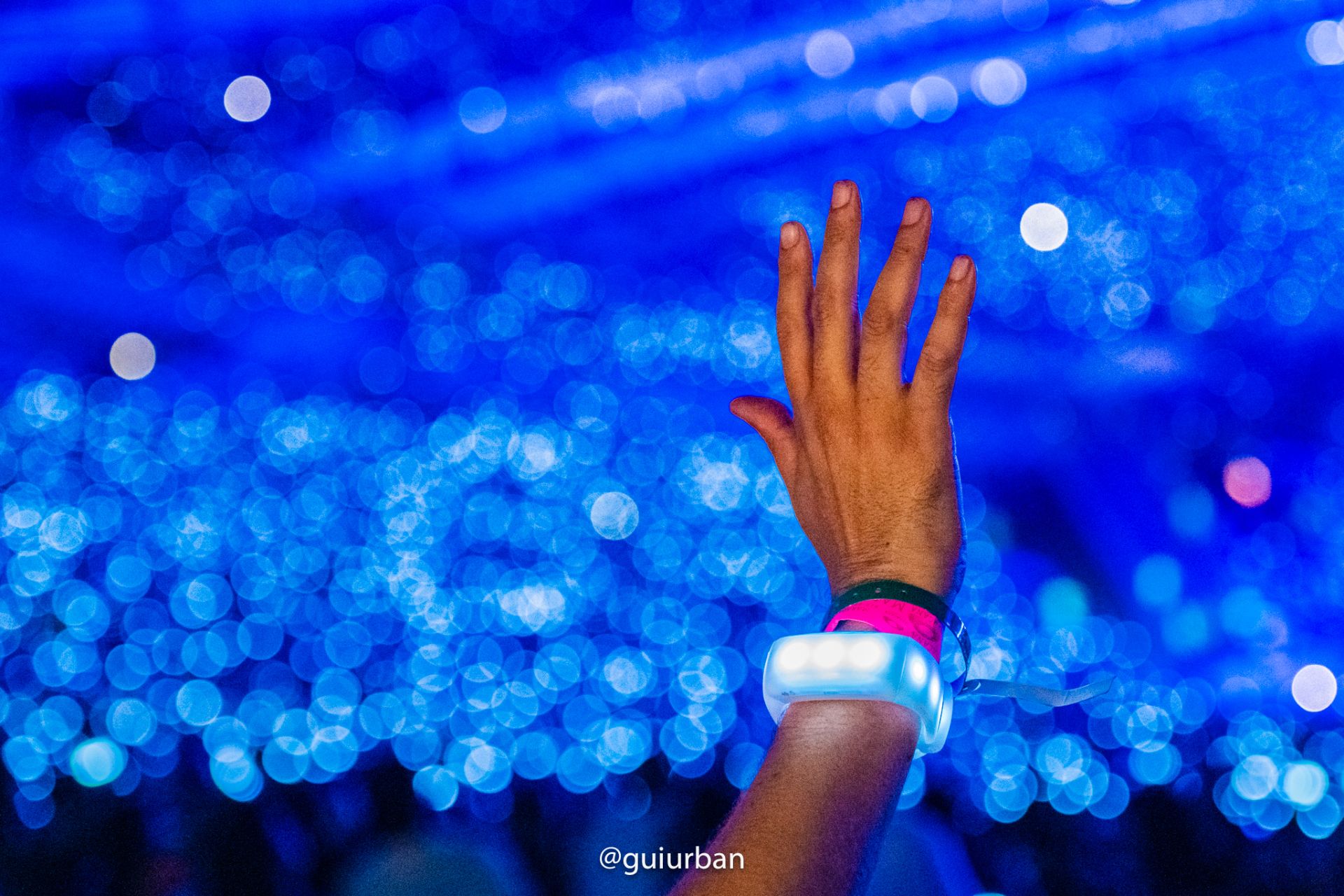
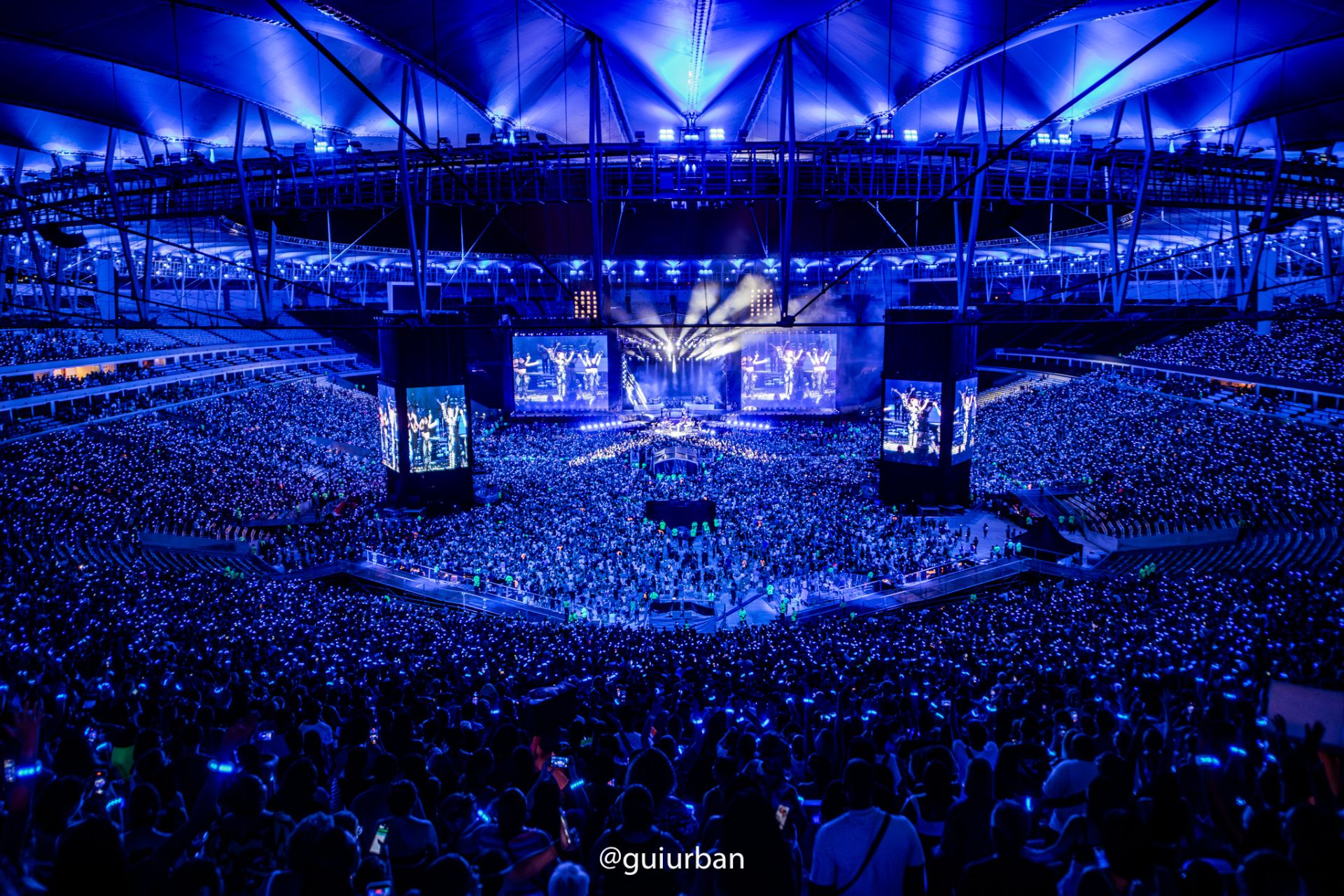
When an entire stadium lights up in unison to a chorus, as seen with our Coldplay Xylo Band experiences, it’s a moment of pure, non-verbal communication. Every person, regardless of how they perceive sound, is unified in that single pulse of light.
This principle extends to practical applications that enhance safety and reduce anxiety. Xylobands can be programmed to guide attendees, with wristbands glowing a specific color to direct them toward exits, amenities, or designated accessibility points. In an emergency, a venue-wide red alert can provide an immediate, unambiguous signal that cuts through noise and confusion. It transforms a passive piece of merchandise into an active tool for inclusion and well-being.
The Business of Belonging
Embracing inclusive design is not just an ethical imperative; it’s a strategic one. By expanding the definition of who your event is "for," you expand your audience. You build a reputation as a brand that cares and engender a level of loyalty that marketing spend alone cannot buy. Families with neurodivergent members, individuals with disabilities, and their entire social circles are more likely to attend, recommend, and return to events where they feel seen, safe, and genuinely welcomed.
From corporate event activations to global music festivals like Primer, the goal is the same: to make a large crowd feel like a connected community. Technologies like custom LED wristbands are not just about the spectacle; they are tools for building that community. They allow every individual to become a visible, integral part of the show, a pixel in a grand, moving canvas.
The future of live entertainment will be defined not by the height of the stage or the volume of the speakers, but by the depth of its welcome. It’s about moving from passive viewing to active participation, from one-size-fits-all to personalized journeys. By weaving accessibility into the creative DNA of our events, we don’t just open the doors wider; we create richer, more profound, and more human experiences for everyone.