The Open Invitation: A New Blueprint for Inclusive Live Events
The Open Invitation: A New Blueprint for Inclusive Live Events
The roar of a crowd. The chest-thumping bass of a festival sound system. The collective gasp as a stadium erupts in light. These are the sensory hallmarks of live entertainment, moments of shared experience that define our industry. But what if the very elements we use to create excitement also create barriers? For too long, the conversation around accessibility in live events has been narrowly focused on physical access — ramps, accessible seating, and basic compliance. While vital, these are merely the cost of entry. True inclusivity demands a more profound and creative approach: designing experiences that speak to every person, regardless of their sensory or cognitive abilities.
This isn’t about ticking boxes; it’s about unlocking a deeper, more universal level of human connection. It’s about recognizing that the audience is not a monolith but a rich tapestry of individuals, each experiencing the world in a unique way. By embracing inclusive design, we don’t just welcome more people into the fold — we create richer, more dynamic, and more memorable experiences for everyone.
Beyond the Ramps: A Multi-Sensory Approach
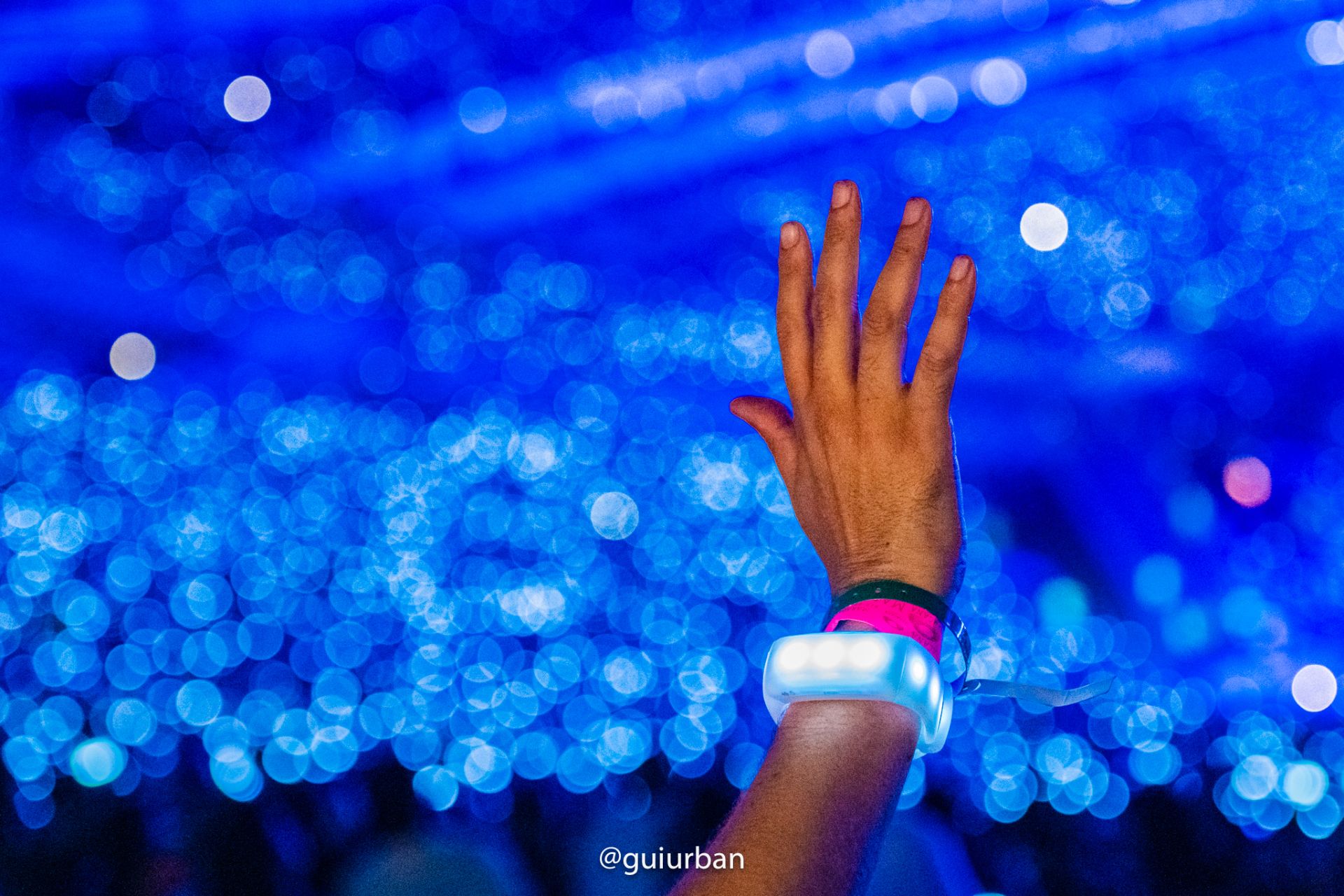
An inclusive event strategy moves beyond the physical to engage the full spectrum of human senses. It asks a critical question: how can we use light, sound, and touch not just as tools of spectacle, but as instruments of connection and communication? This is where wearable LED technology comes into its own. Tools like Xylobands are not just about creating stunning visual effects; they are a powerful medium for non-verbal communication, capable of transcending language and auditory limitations.
Imagine a deaf or hard-of-hearing fan at a music festival. While they may feel the vibrations of the bass, they can be excluded from the full emotional arc of the show. Now, imagine that same fan wearing an LED wristband that pulses in time with the music, changes color with the harmonic shifts, and flashes in sync with the beat drops. Suddenly, they have a direct, visceral connection to the music’s rhythm and energy. The light becomes a proxy for sound, a sensory bridge that allows for a different, yet equally valid, form of participation. This is a core principle of modern immersive event technology.
Choreographing Connection for Every Mind
Inclusivity also extends to neurodiversity. For individuals with autism, sensory processing disorders, or anxiety, the intense, often chaotic environment of a large-scale event can be overwhelming. The roar of the crowd, the unpredictable flashing of strobes, and the sheer density of people can trigger sensory overload, effectively shutting them out of the experience.
"Inclusive design doesn't mean diluting the experience. It means providing more ways to access it."
However, technology can be deployed to create zones of safety and predictability within the spectacle. For instance, a wearable device can be programmed to provide a gentle, haptic pulse as a five-minute warning before a large pyrotechnic effect, giving someone time to prepare. On-site quiet rooms, equipped with noise-canceling headphones and calming, slowly-phasing light from LED orbs, can provide a necessary sanctuary for sensory regulation without forcing a guest to leave the venue entirely.
For broadcasted events, like those we've supported for clients such as ITV and the BBC, this principle is equally important. The lighting design for the at-home audience must be as compelling as it is for the studio crowd. We have seen how using radio controlled LED wristbands on the in-studio audience creates a visual language that translates powerfully through the camera, making the broadcast viewers feel more connected to the live energy, a technique perfected in shows from Beat The Chasers to the Eurovision Song Contest.
The Business Case for Empathy
Embracing inclusive design is not just a moral imperative; it is a strategic advantage. By making events more accessible, we broaden our potential audience. Every ticket sold to someone who previously felt excluded is a victory for both the bottom line and the culture of the event. Furthermore, a commitment to inclusivity is a powerful brand differentiator. In a crowded marketplace, brands and artists who demonstrate a genuine commitment to welcoming everyone build deeper, more loyal relationships with their fans.
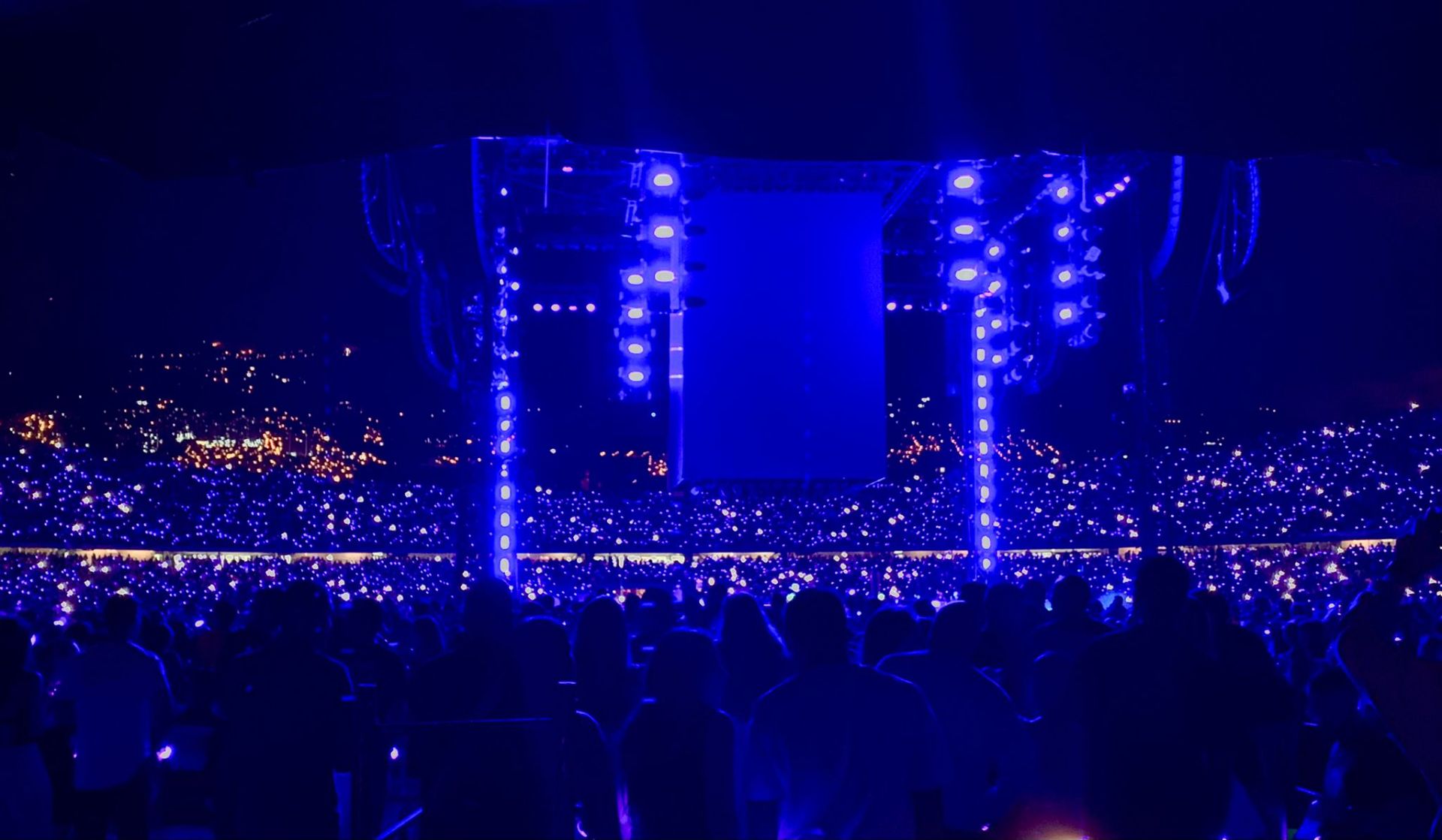
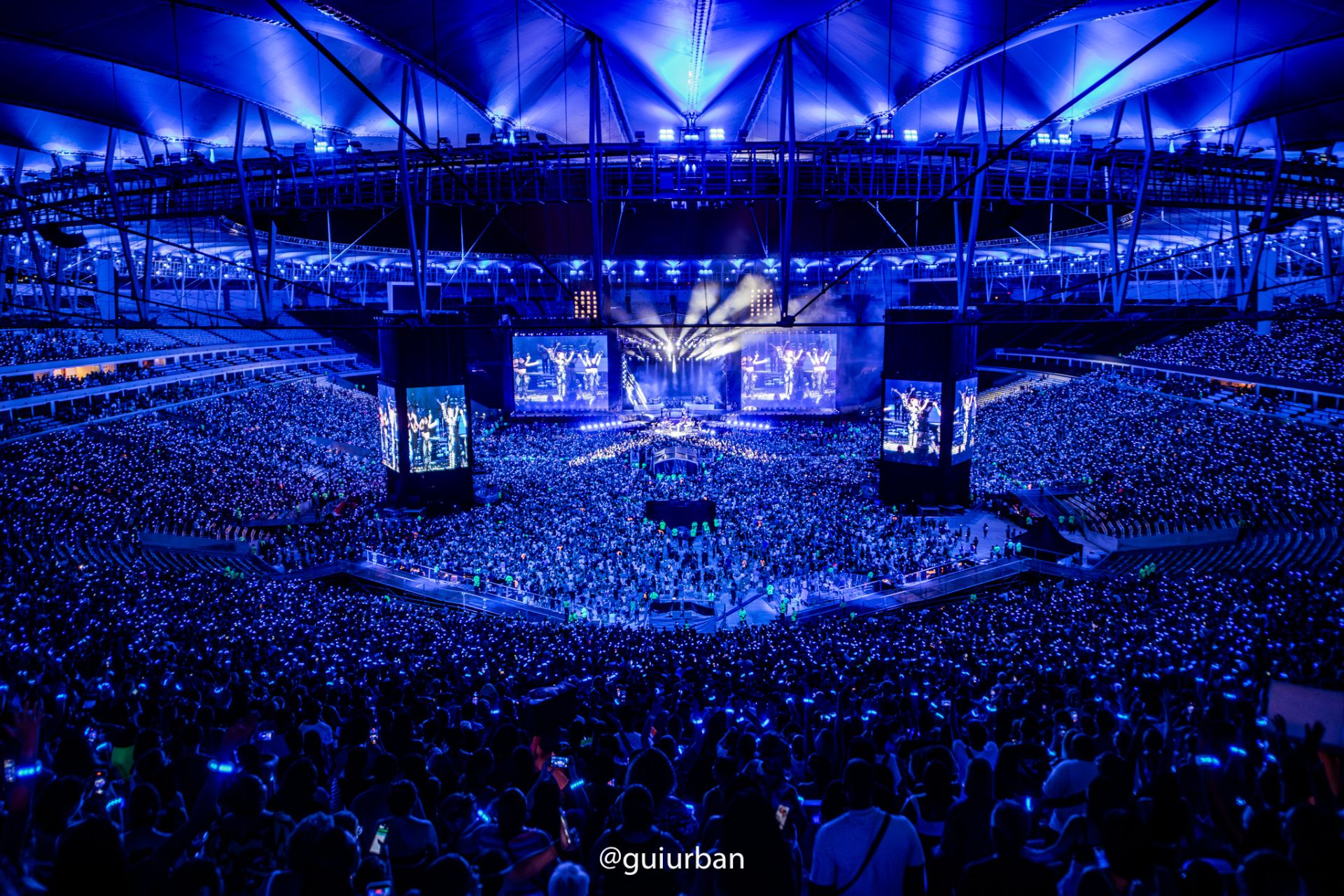
Think of the powerful sense of unity at global events. From the Davis Cup to the Formula One 75th Anniversary, the goal is always to unite a diverse crowd in a single moment of shared passion. When we provide custom LED lanyards or bracelets that sync everyone to the same pulse of light, we are creating a powerful, visible symbol of that unity. We are turning a collection of individuals into a single, cohesive entity — a living, breathing part of the show. This is the essence of creating truly immersive events.
Building the Future, One Event at a Time
The journey toward fully inclusive live events is ongoing. It requires empathy, creativity, and a willingness to challenge our own assumptions about what an audience experience should be. It demands that we listen to and learn from communities that have historically been underserved.
As technology providers, our role is to create tools that are flexible, adaptable, and powerful enough to meet this challenge. Whether it's developing concert wristbands that can communicate vital safety information through haptic feedback or designing software that allows for granular control over a stadium of lights to avoid triggering sensory sensitivities, our R&D is driven by this principle.
The future of live entertainment is not about bigger explosions or brighter lights. It’s about deeper connections. It’s about creating spaces where everyone feels not just accommodated, but truly welcome and essential to the experience. By embracing inclusive design, we are not just opening doors; we are building a bigger, more vibrant, and more profoundly human house for everyone to share. The invitation is open.