The Unblinking Eye: A New Era of Broadcast-Ready Live Events
The Two-Audience Problem
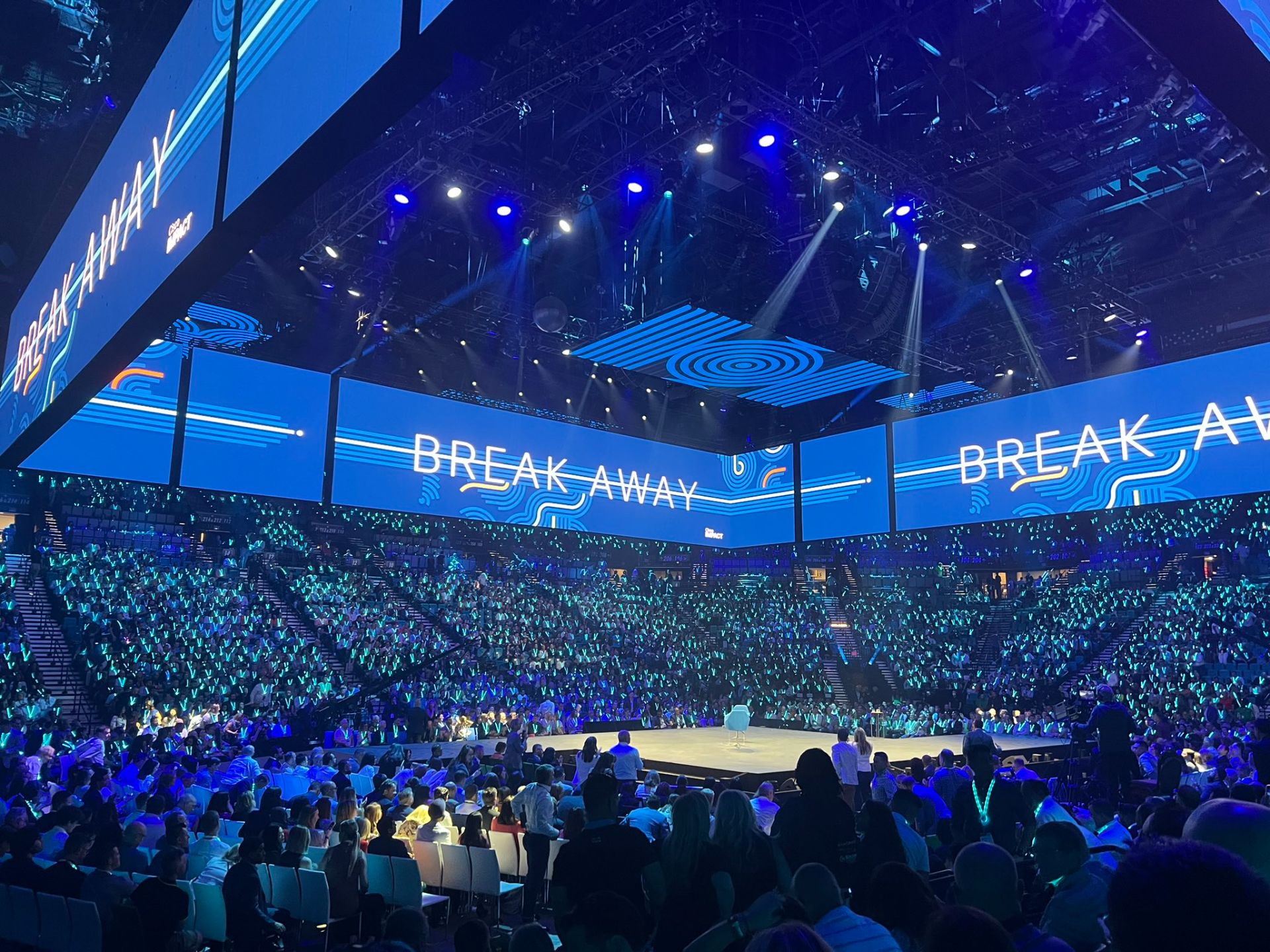
In the world of live event production, a quiet revolution is underway. The rise of global broadcasting and live-streaming has created a fundamental challenge for producers and lighting designers: how to create a spectacular, immersive experience for the in-person audience without compromising the quality of the broadcast for the millions watching at home. This is the “two-audience problem,” and solving it requires a new way of thinking about light, colour, and technology.
For decades, event lighting was about one thing: the experience inside the venue. But today, the camera is the ultimate arbiter. A light that looks dazzling to the naked eye can appear blown-out, flickering, or poorly colour-rendered on screen. Smoke and haze, the traditional tools for creating atmosphere, can quickly overwhelm a camera’s sensor. The challenge, then, is to serve two masters: the human eye and the unblinking lens of the broadcast camera.
Flicker: The Unseen Enemy of Broadcast
At the heart of broadcast-friendly lighting is the battle against flicker. Most LED fixtures use a technique called Pulse-Width Modulation (PWM) to control brightness, essentially turning the light on and off thousands of times per second. To the human eye, this is imperceptible. But a high-speed camera, shooting at a different frame rate, can capture these on/off cycles, resulting in the distracting flicker or banding that plagues so many live broadcasts.
This is where professional-grade LED event technology becomes non-negotiable. At Xylobands, our systems are engineered for broadcast from the ground up. We utilize high-frequency PWM drivers that operate far beyond the capture rates of even the most advanced broadcast cameras. The result is a smooth, consistent, and flicker-free light source that looks as good on a 4K global feed as it does in the front row. It’s a level of technical assurance demanded by broadcast giants like ITV, who have trusted our technology for their live productions, including game shows like Beat The Chasers UK. When the camera is rolling, there is no room for error.
Colour, Contrast, and the Camera’s Eye
Beyond flicker, colour fidelity and contrast are paramount. The human brain is incredibly adept at interpreting colour under different lighting conditions, but a camera sensor is not so forgiving. It captures what it sees, and if the light source has a poor Colour Rendering Index (CRI), the result on screen will be washed-out skin tones and inaccurate brand colours.
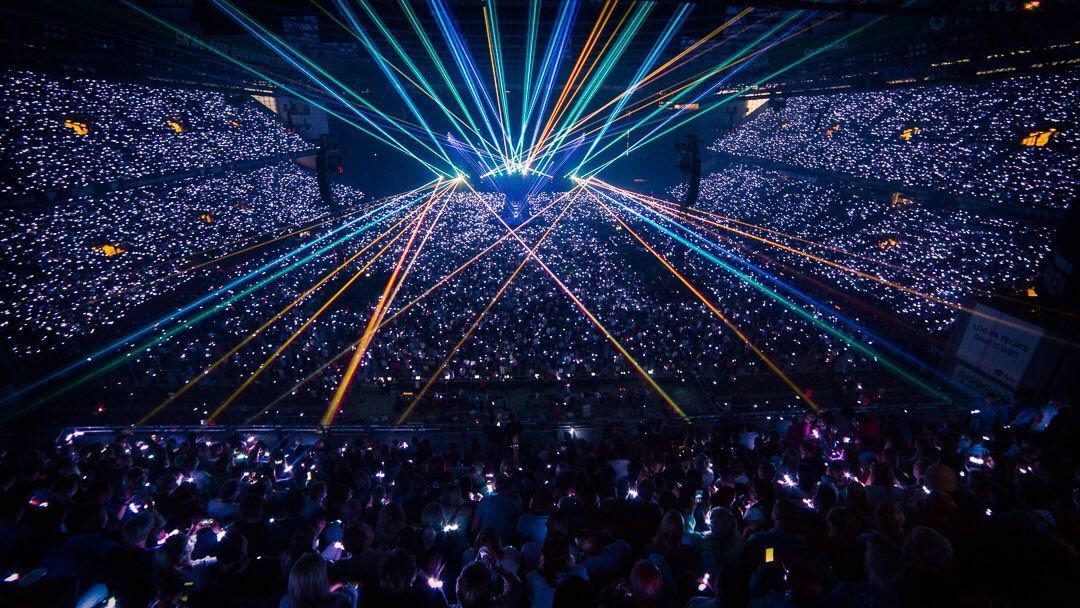
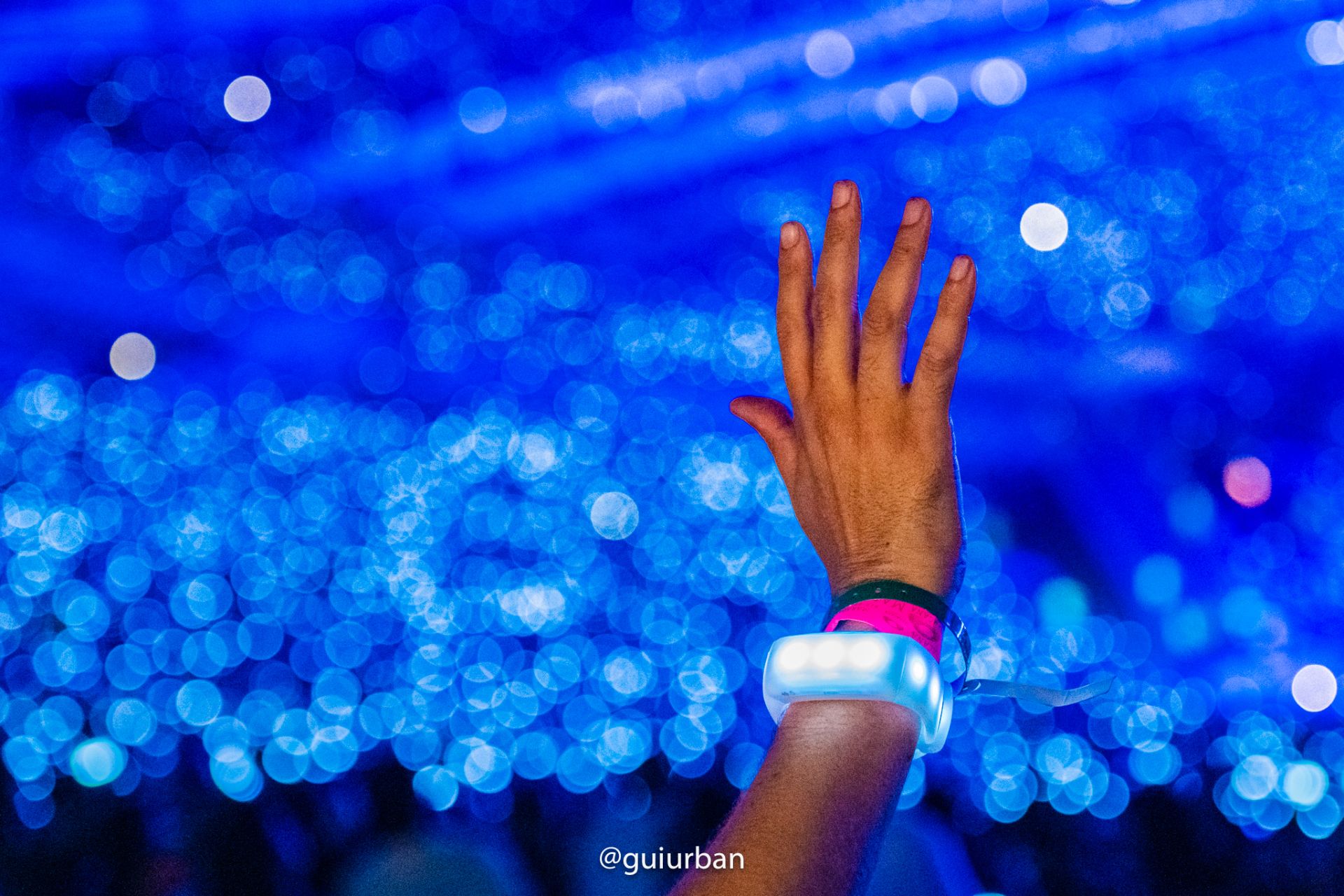
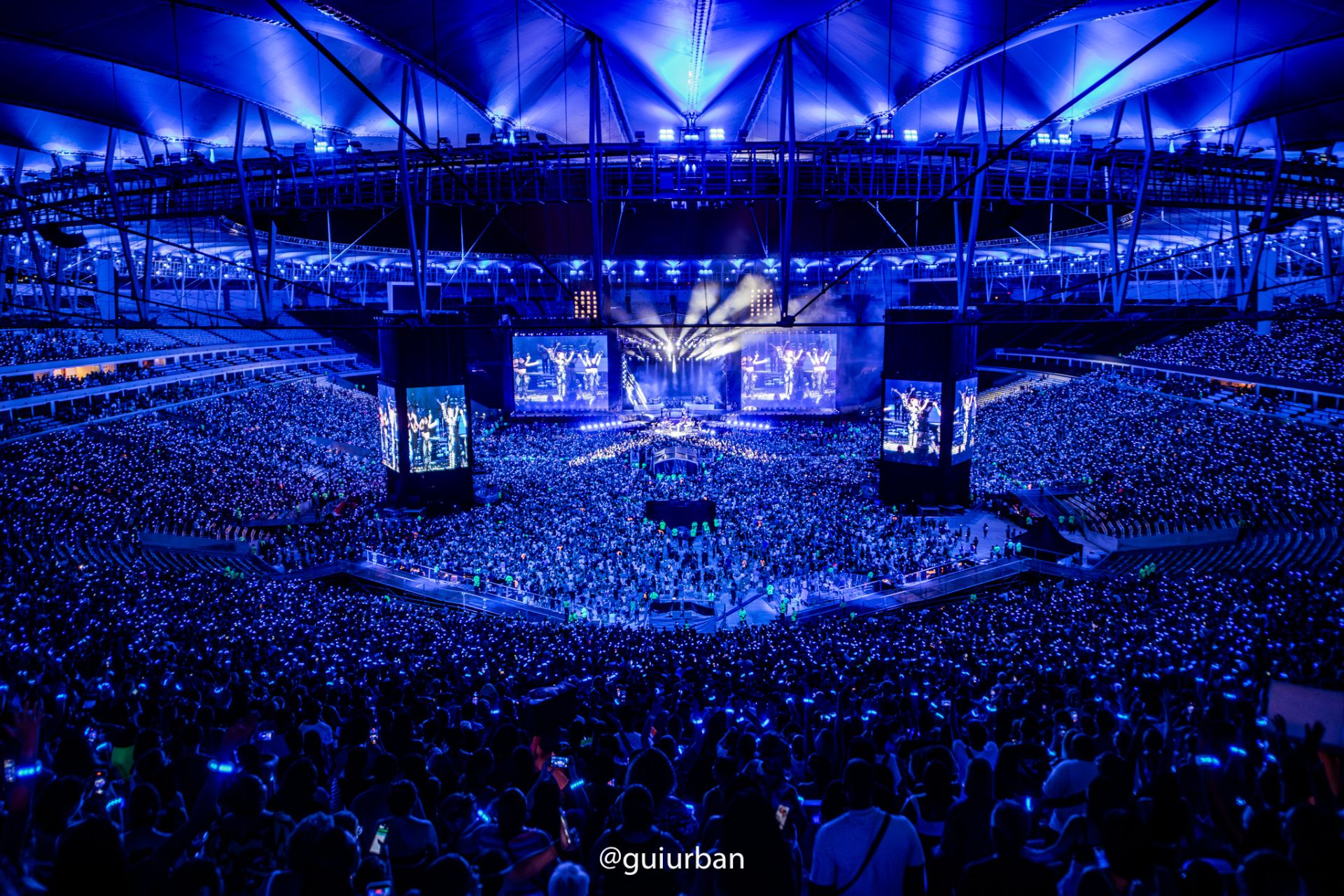
This is why designing for broadcast means thinking in terms of dynamic range. We design immersive events where the audience itself becomes a canvas of light, providing a rich, textured backdrop for the camera. By turning thousands of attendees into individual, controllable pixels, we can create stunning visual compositions that add depth and scale to the broadcast. This approach moves beyond simply illuminating the stage; it transforms the entire venue into a living, breathing part of the show.
"The goal is to create a visual experience that is just as compelling for someone watching on a smartphone in another time zone as it is for someone in the arena. The audience becomes a dynamic, interactive set piece."
Case Study: The Global Stage
The demands of broadcast-ready lighting are amplified in large-scale, globally televised events. Consider Maluma’s historic 2022 concert in his hometown of Medellín. The show was streamed live on Amazon to over 240 countries, meaning the lighting had to be flawless for a massive global audience. By integrating radio controlled LED wristbands into the production, the stadium of 54,000 people became a vibrant, pulsating extension of the stage, creating breathtaking wide shots and a palpable sense of energy that translated directly through the screen.
Similarly, at the 75th-anniversary celebration for Formula 1, broadcast live from The O2 Arena, we faced the challenge of representing ten different team liveries across a vast audience. Our custom LED Lanyards were pre-programmed and distributed to create specific visual zones, allowing the creative team to paint the crowd with team colours, national flags, and dynamic effects that formed a critical part of the broadcast narrative. This is what we call crafting LED crowd experiences—turning passive viewers into an active, visual component of the story.
The Future is Audience-Centric
As the line between live and broadcast continues to blur, the audience will play an increasingly central role in the visual language of events. The ability to control and choreograph light across thousands of people offers producers a powerful tool to build atmosphere, segment visuals for the camera, and create moments of genuine collective participation.
This is about more than just wristbands; it’s a philosophy. It’s about understanding that in the modern media landscape, the event doesn’t end at the venue doors. It extends to every screen, in every corner of the world. By engineering light that is not only beautiful to the eye but also technically perfect for the lens, we can finally solve the two-audience problem and create truly global spectacles where everyone, no matter where they are, has the best seat in the house.