The Pattern-Seekers: How Dyslexic Thinking Builds Creative Advantage in Business
The Power of a Different Perspective
In the standardised world of business, we’re often taught to value a specific kind of intelligence: linear, structured, and detail-oriented. It’s a cognitive model that built the industrial age. But in the modern creative economy—an economy that thrives on disruption, innovation, and human-centric design—a new competitive advantage is emerging. It comes from the minds that don’t fit the standard model. It comes from the world of neurodiversity.
Dyslexia, often misunderstood as a simple reading difficulty, is actually a different way of processing information. While it can present challenges in traditional academic and corporate environments, it is also associated with a unique set of cognitive strengths: exceptional spatial reasoning, the ability to see interconnected patterns in complex systems, and a natural aptitude for narrative and big-picture thinking.
These are not just "soft skills." They are powerful creative and strategic tools. In a world saturated with data, the dyslexic mind’s ability to cut through the noise and see the underlying story is invaluable. It’s the difference between managing a spreadsheet and building a global brand. It’s a mindset that has quietly powered some of the most disruptive companies and creative ventures of our time.
A Founder’s Story: Seeing the Light
The story of Xylobands is, at its core, a story of dyslexic innovation. Our founder, Jason Regler, wasn’t an engineer or a programmer. He was a creative thinker who saw a possibility that others missed. The idea for LED wristbands wasn’t born in a lab or a boardroom. It was born from a moment of pure human connection at a festival, watching Coldplay perform.
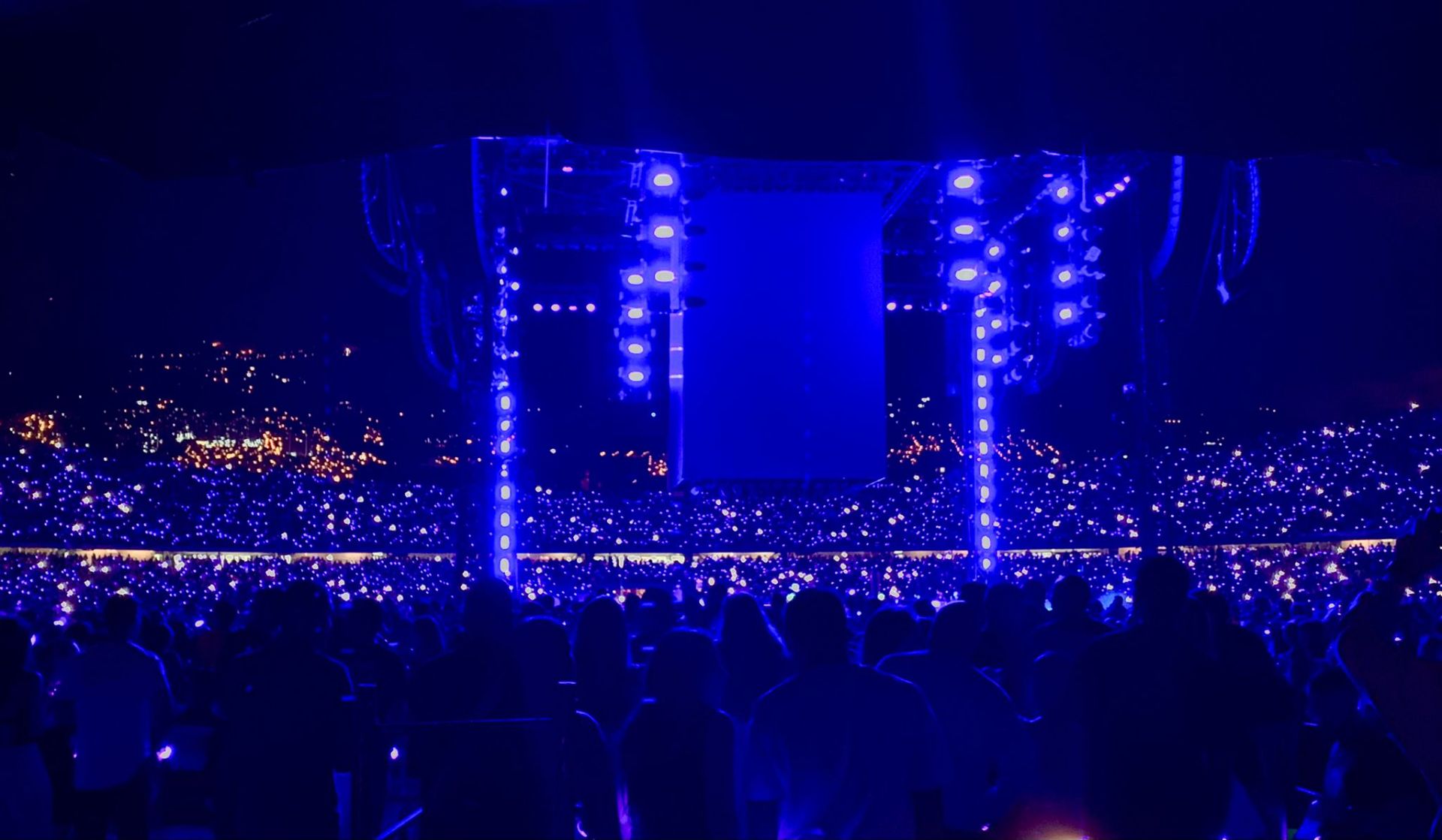
As the lyrics “Lights will guide you home” filled the air, Jason envisioned the crowd not just as spectators, but as a living, breathing part of the show—a canvas of light. He saw the pattern, the emotional connection, and the grand spectacle all at once. This ability to connect disparate ideas—music, emotion, technology, and human experience—is a hallmark of dyslexic thinking.
"The linear, step-by-step process just isn’t how my brain works," Jason often says. "I see the final picture, the completed puzzle, and then I work backwards to figure out how the pieces fit. For me, the business plan was a picture, not a document."
This "picture-thinking" allowed him to navigate the immense complexities of inventing a new category of immersive event technology. It involved hardware, software, radio frequencies, and global supply chains. A linear approach might have been paralyzed by the obstacles. But a holistic, pattern-seeking mind saw the path through.
The Neurodivergent Advantage in Practice
The unique cognitive framework of dyslexic and neurodivergent individuals translates into tangible business advantages, especially within the creative and technology sectors.
1. Big-Picture Thinking
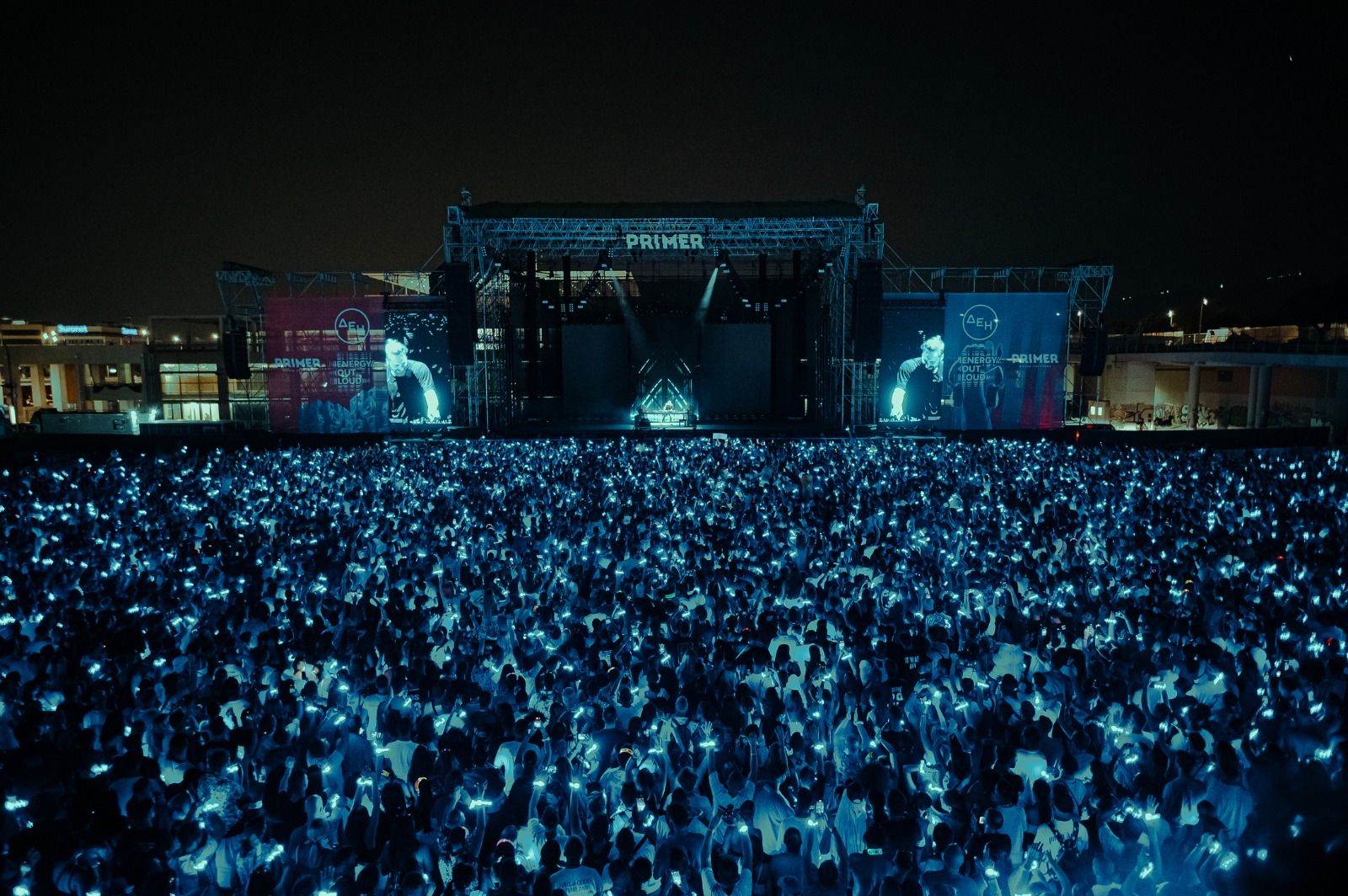
Dyslexic minds excel at synthesizing vast amounts of information to spot trends and opportunities that others miss. They are natural systems thinkers. In the live events industry, this is crucial. An event is not just a collection of assets—lights, sound, video, talent. It’s a complex, dynamic system of technology, logistics, and human emotion. Designing truly immersive events requires seeing how every element interacts to create a single, cohesive experience. From conceptualizing corporate event activations for brands like Samsung and Google to lighting up massive crowds for artists like Wizkid and Maluma, the goal is always to create a unified emotional journey.
2. Problem-Solving and Resilience
Navigating a world not built for your brain cultivates incredible resilience and creative problem-solving skills. Dyslexic individuals are accustomed to finding alternative routes to a solution. This adaptability is a superpower in the fast-paced, unpredictable world of live production and global business. When you’re responsible for deploying millions of pieces of wearable LED technology across 70+ countries, often with zero room for failure, the ability to think on your feet and invent solutions is not optional. It’s the entire job.
3. Strong Narrative and Spatial Reasoning
Many dyslexic thinkers have a heightened ability to think in 3D and construct compelling narratives. This is fundamental to designing experiences. A great live show is a story. The lights, the sound, the visuals—they are all part of the narrative arc. At Xylobands, we don’t just sell LED bands; we provide a tool for storytelling. When we work with partners like Formula One to create custom LED Lanyards for a global broadcast, or with the producers of The Masked Singer, our technology becomes a character in their story, painting the audience with light to amplify drama and emotion. This is spatial and narrative intelligence in action.
Building a Business That Embraces Different Minds
The key for any organization is not just to accommodate neurodiversity, but to actively harness it as a strategic asset. It requires building a culture where different ways of thinking are seen as a strength, not a weakness.
- Focus on Outcomes, Not Process: Value the quality of the result, not the tidiness of the method used to get there.
- Leverage Visual and Verbal Communication: Recognize that for many, ideas are best expressed through conversation, diagrams, and prototypes, not lengthy documents.
- Build Balanced Teams: Pair the big-picture, creative vision of a dyslexic thinker with the detailed, operational focus of a linear thinker. This combination is explosive. One provides the "what if," the other provides the "how."
The live experience industry is built on creativity, spectacle, and human connection. It’s an industry that demands we push boundaries and imagine new realities. The minds best equipped to lead that charge are often the ones that see the world through a different lens. As technology continues to evolve, from radio controlled LED wristbands to next-generation LED crowd experiences, the competitive edge will belong to those who can connect the dots in new and unexpected ways. It will belong to the pattern-seekers, the storytellers, and the innovators who have always seen a bigger, brighter picture.