The Human Spectrum: A New Blueprint for Inclusive Live Experiences
The Empathy Engine: Re-engineering Live Events for Every Body and Mind
In the world of live entertainment, we chase a singular, powerful phenomenon: collective effervescence. That palpable, electric hum of a crowd united in a single moment—a shared song, a game-winning goal, a breathtaking reveal. For decades, the industry has perfected the art of creating these moments on a mass scale. But as we design ever-more sophisticated spectacles, we must ask a critical question: who are we leaving behind?
The conversation around accessibility in live events is shifting. Once a matter of legal compliance—ramps, accessible seating, basic services—it is now evolving into a much deeper, more meaningful dialogue about inclusive design. True inclusivity isn’t about ticking boxes; it’s about fundamentally rethinking our approach to event creation. It’s about building experiences that are welcoming, comfortable, and enriching for the full spectrum of human ability and neurodiversity.
Beyond the Physical: Designing for the Cognitive and Sensory
For many, the barriers to enjoying a live event aren’t physical. The intense sensory input of a concert, festival, or corporate activation can be overwhelming for individuals with sensory processing disorders, autism, PTSD, or anxiety. The very elements we use to generate excitement—pyrotechnics, strobing lights, and overwhelming sound—can create exclusionary and distressing environments for others.
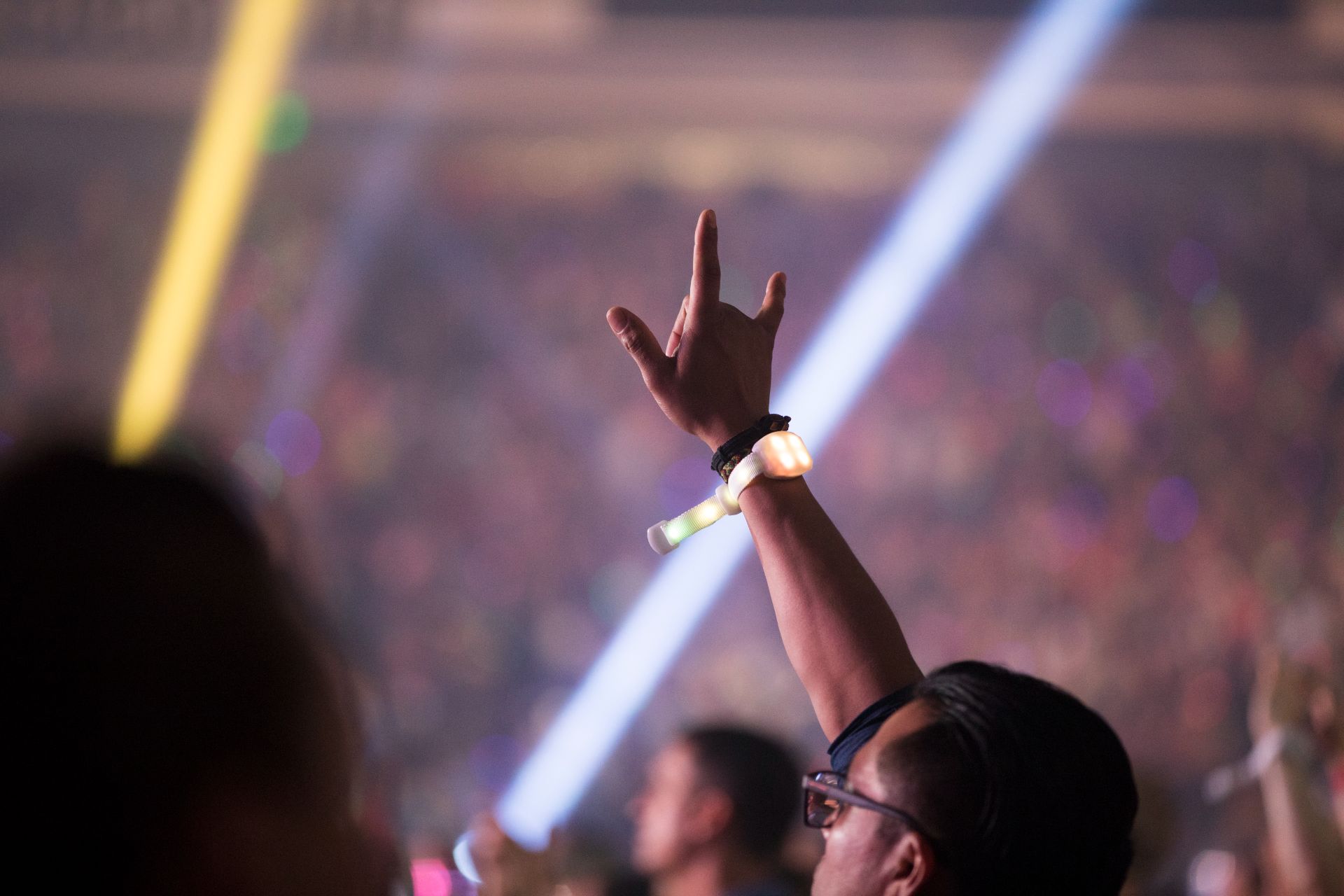
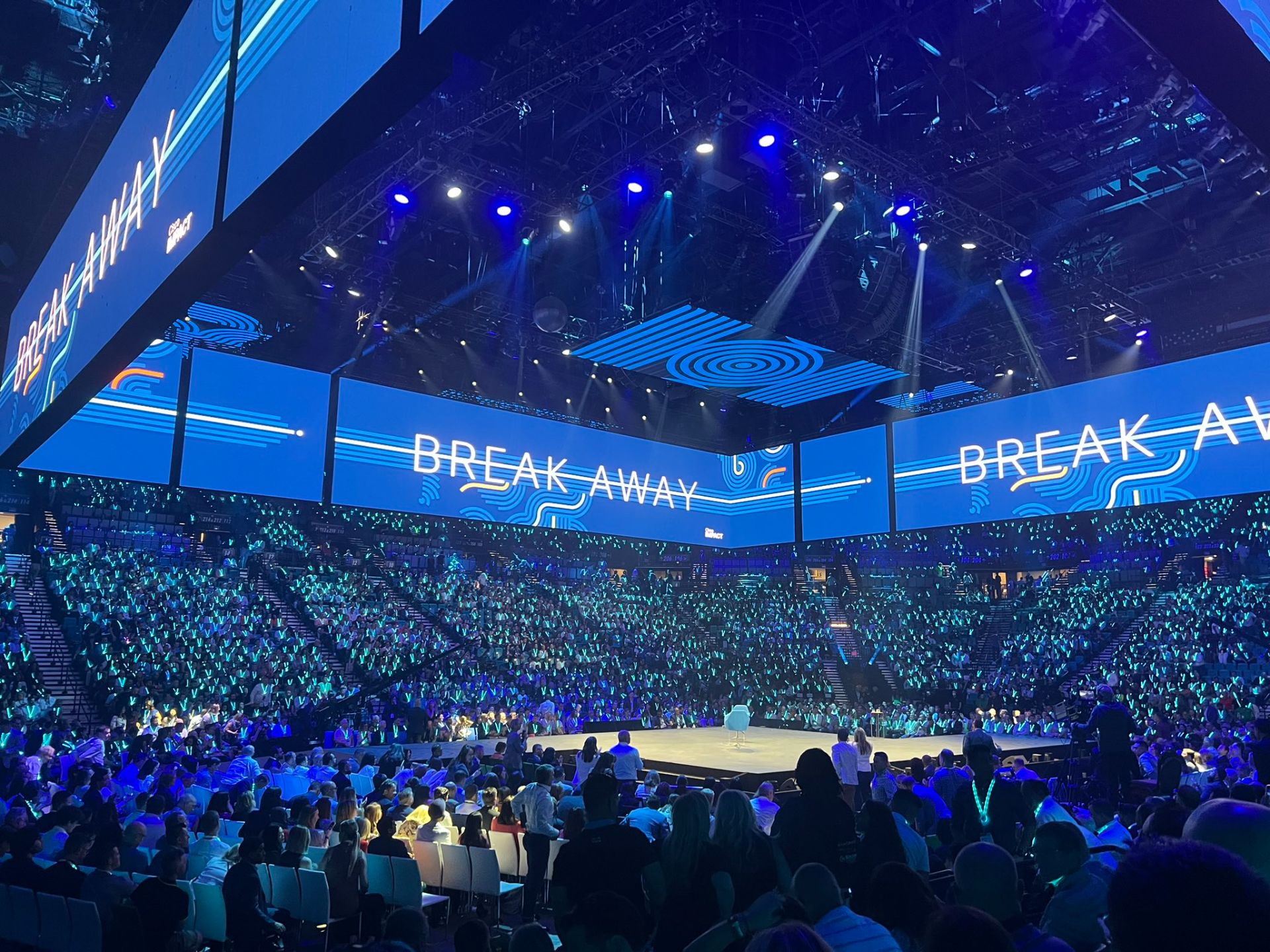
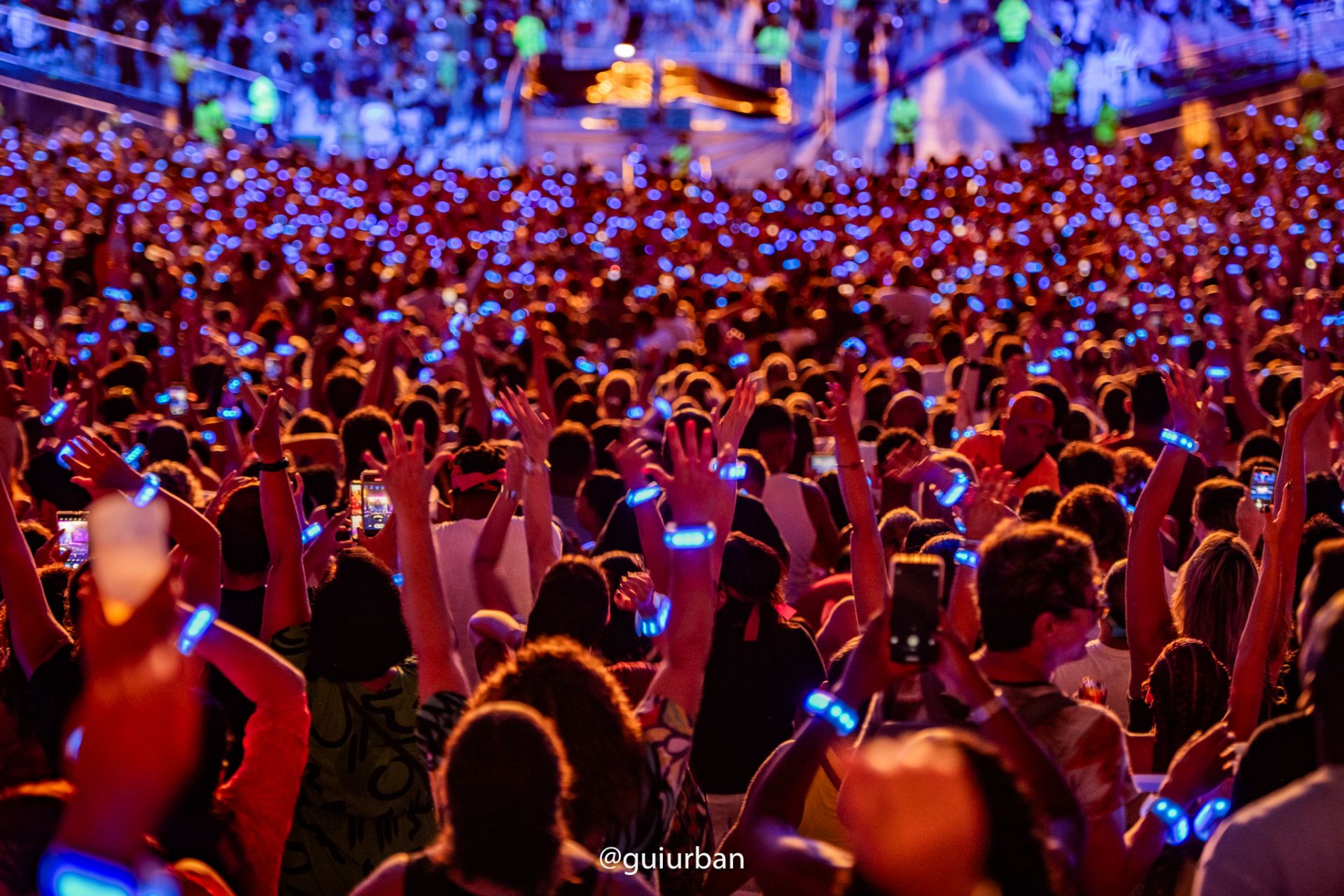
This is where immersive event technology can be reimagined as a tool for inclusion, not just spectacle. Take, for instance, the use of LED wristbands. While often used to create stunning, high-energy light shows, the same technology can be adapted to create a more controlled and inclusive sensory experience. Imagine a designated "sensory-friendly" section where the light from LED bands is softer, the transitions slower, and the intensity reduced, all controlled via the same central system. This isn't about diminishing the experience, but about offering choice and control.
"Inclusive design doesn’t mean creating a single, diluted experience for everyone. It means providing a spectrum of experiences, allowing each person to engage on their own terms."
Similarly, wearable LED technology like LED lanyards can serve practical functions beyond branding. They can be programmed to vibrate, providing tactile cues for key moments for the hearing impaired, or to signal when a high-intensity sensory moment is approaching, allowing individuals to prepare or move to a quieter space. This transforms a passive piece of tech into an active tool for accessibility.
A Multi-Sensory Approach to Universal Design
Building truly inclusive events requires a multi-sensory and human-centered design philosophy. It’s a collaborative effort between producers, artists, venue managers, and technology providers like Xylobands to build a more empathetic event framework.
Key Principles for Inclusive Event Design:
- Choice and Control: Empower attendees to manage their own sensory environment. This can include providing clear information about sensory triggers (e.g., "strobe effects will be used during the next song"), creating designated quiet zones, and offering tools like noise-canceling headphones or sunglasses.
- Redundant Cueing: Communicate important information through multiple sensory channels. A visual cue on a screen should be accompanied by a tactile one (like a wristband vibration) and an auditory one, ensuring that no one misses critical moments, whether they are hard of hearing, visually impaired, or simply distracted.
- Neuro-Informed Programming: Work with accessibility consultants and neurodiversity advocates to understand how the flow and structure of an event can be made more comfortable. This could involve scheduling "sensory-down" periods between high-energy acts at a festival or designing corporate event activations that don’t rely solely on loud, chaotic engagement.
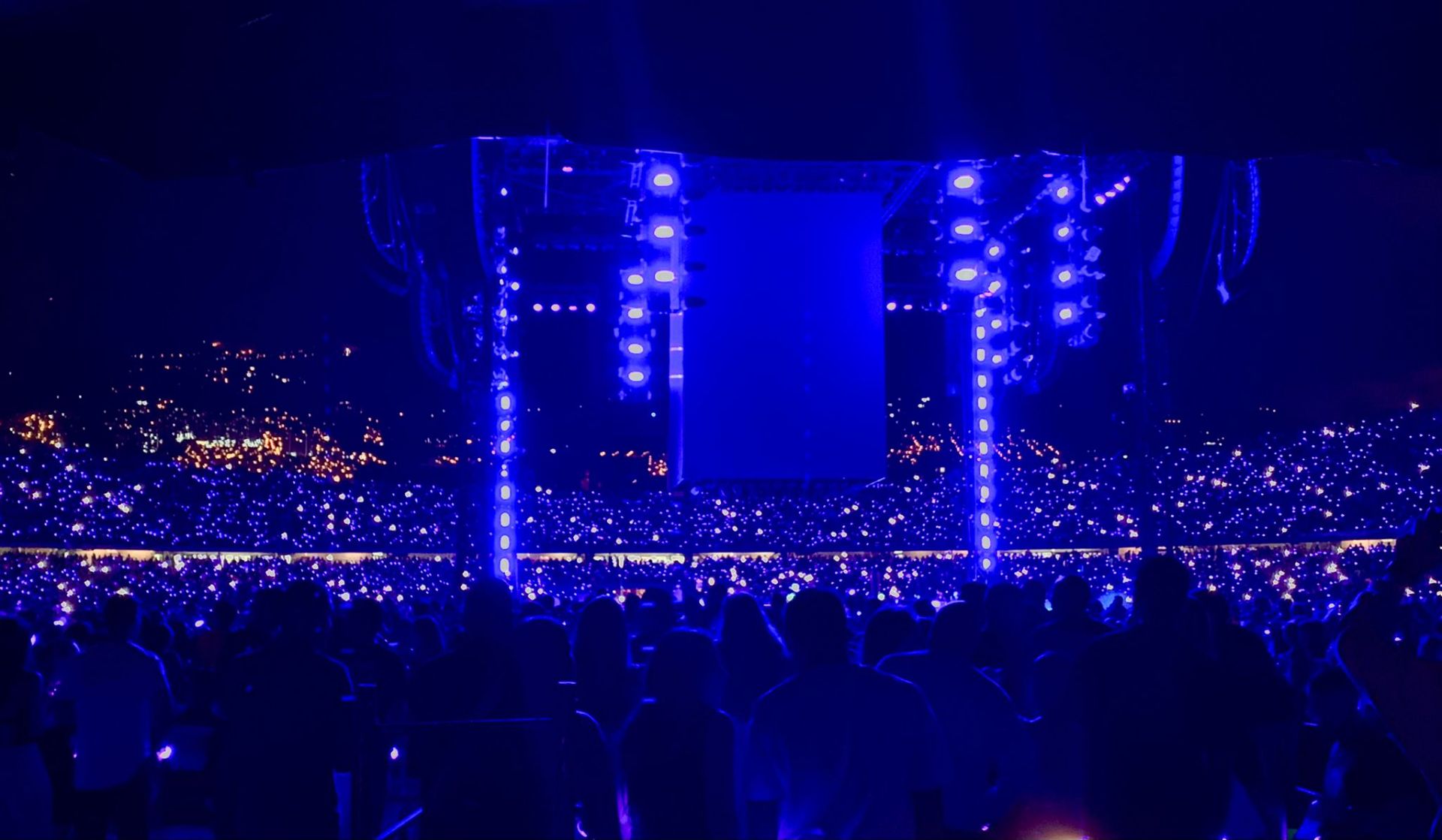
- Technology as an Enabler: Leverage tools like radio-controlled LED wristbands to create personalized or zoned experiences. The same technology that allows us to turn a stadium into a canvas for light can be used to carve out calmer, more accessible spaces within it. It’s about using the power of the network to cater to the individual.
The Future is Accessible
From large-scale broadcast events with partners like ITV to global music festivals like Primer, the challenge is the same: how do we harness technology to bring people together? The next evolution of immersive events will be defined not just by their scale or spectacle, but by their empathy. It will be about creating shared experiences that feel personal, safe, and welcoming to every single attendee.
The goal is not to tame the roar of the crowd, but to ensure everyone has a place within it. By embracing inclusive design, we move beyond simply hosting events and begin to create true communities. We build spaces where the light doesn’t just guide the way, but ensures that the path is open to all. The most memorable LED crowd experiences are the ones where every single person, regardless of ability, feels like they are part of the show.