The Stadium as a Stage: Choreographing the Modern Sports Spectacle
The Evolution of the Half-Time Show
The roar of the crowd, the athleticism on the field—these have always been the heart of sports. But in the modern era, the spectacle extends far beyond the final whistle. Half-time shows have transformed from simple diversions into full-blown productions, merging the worlds of sport, music, and immersive event technology. This is no longer just about filling a fifteen-minute gap; it's about creating a secondary peak experience that captivates a global broadcast audience and everyone inside the stadium.
Historically, half-time was the domain of marching bands and local performance troupes. Today, it’s a global stage for the world’s biggest artists, supported by production values that rival major concert tours. This shift demands a new kind of choreography—one that treats the entire stadium, including the audience, as a single, dynamic stage.
Painting the Crowd: The Advent of Audience Lighting
Modern sports entertainment is a tale of two audiences: the thousands of fans in their seats and the millions watching at home. Creating a spectacular visual experience for both requires a unique approach to lighting and production design. While stage lighting and pyrotechnics paint the field, a new layer of technology is needed to engage the crowd directly and turn them into a living, breathing part of the show.
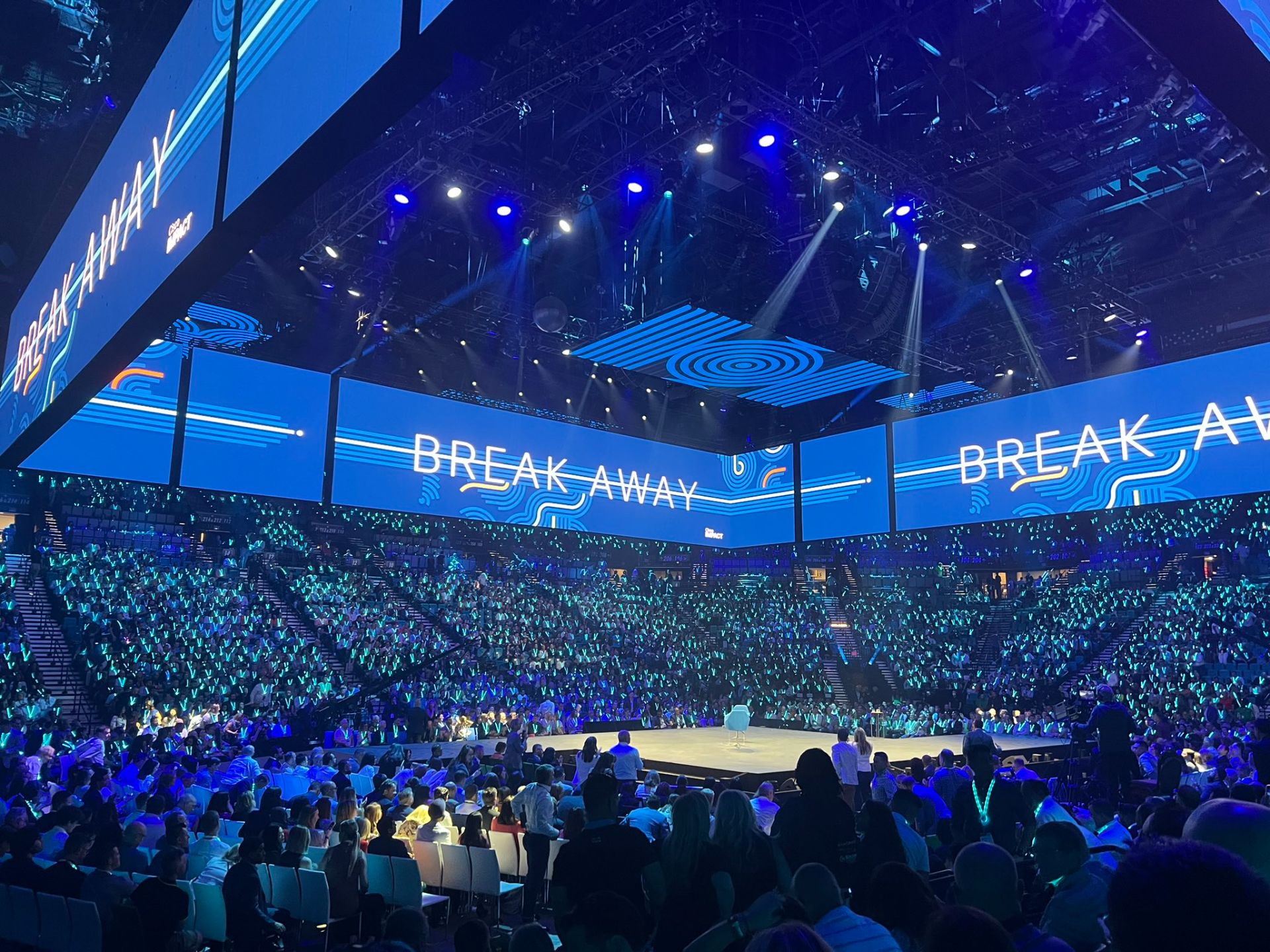
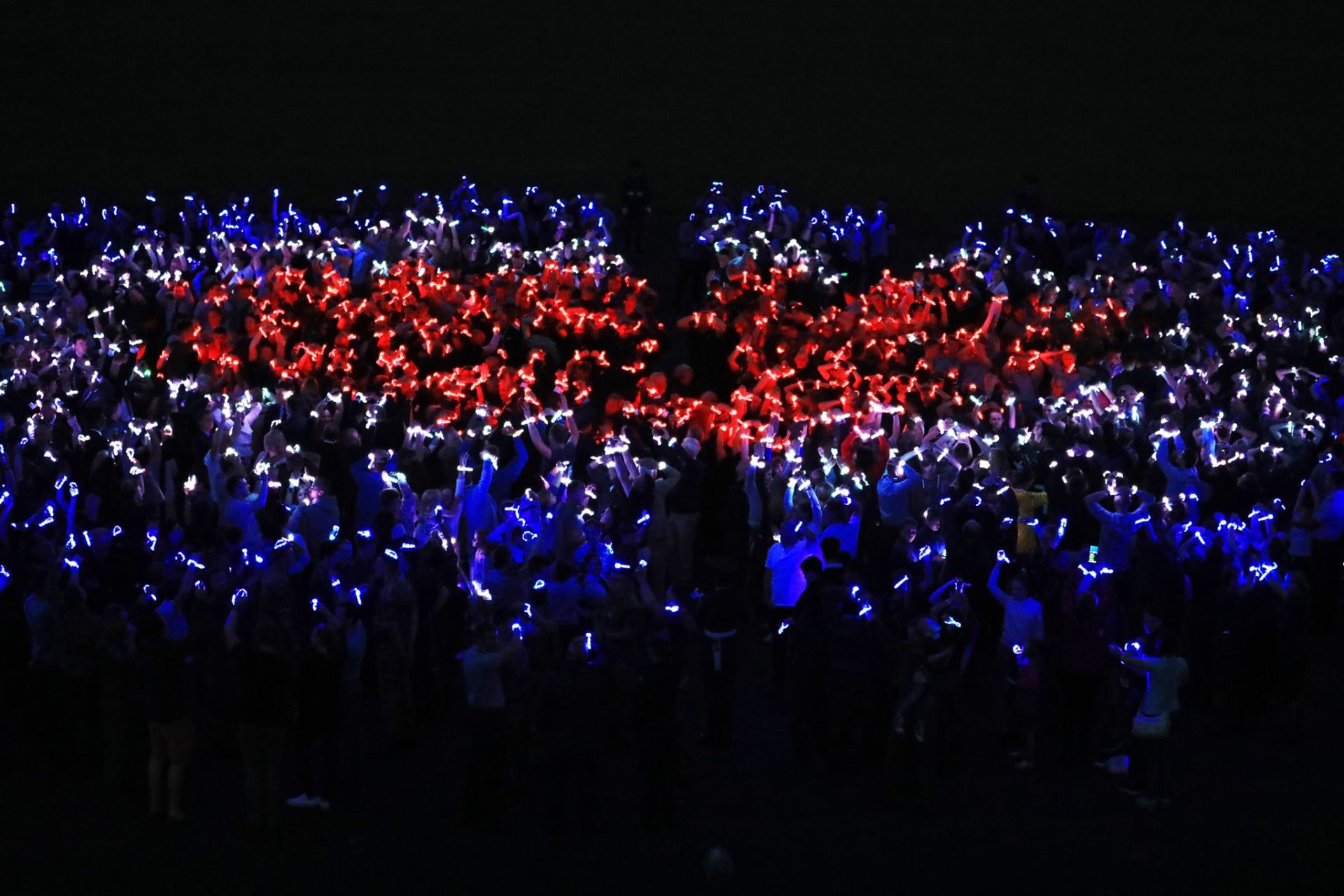
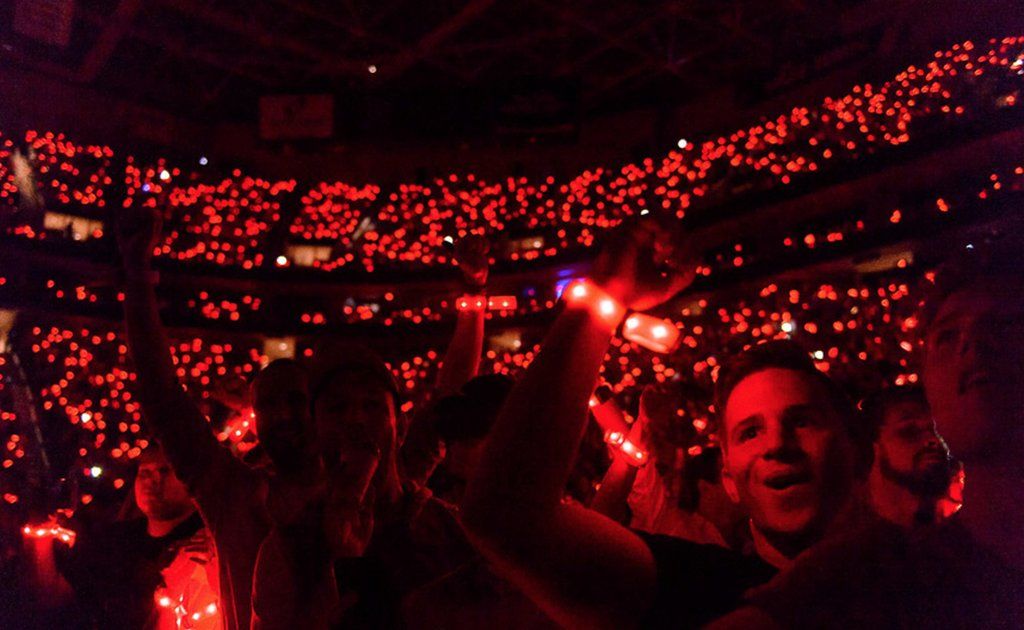
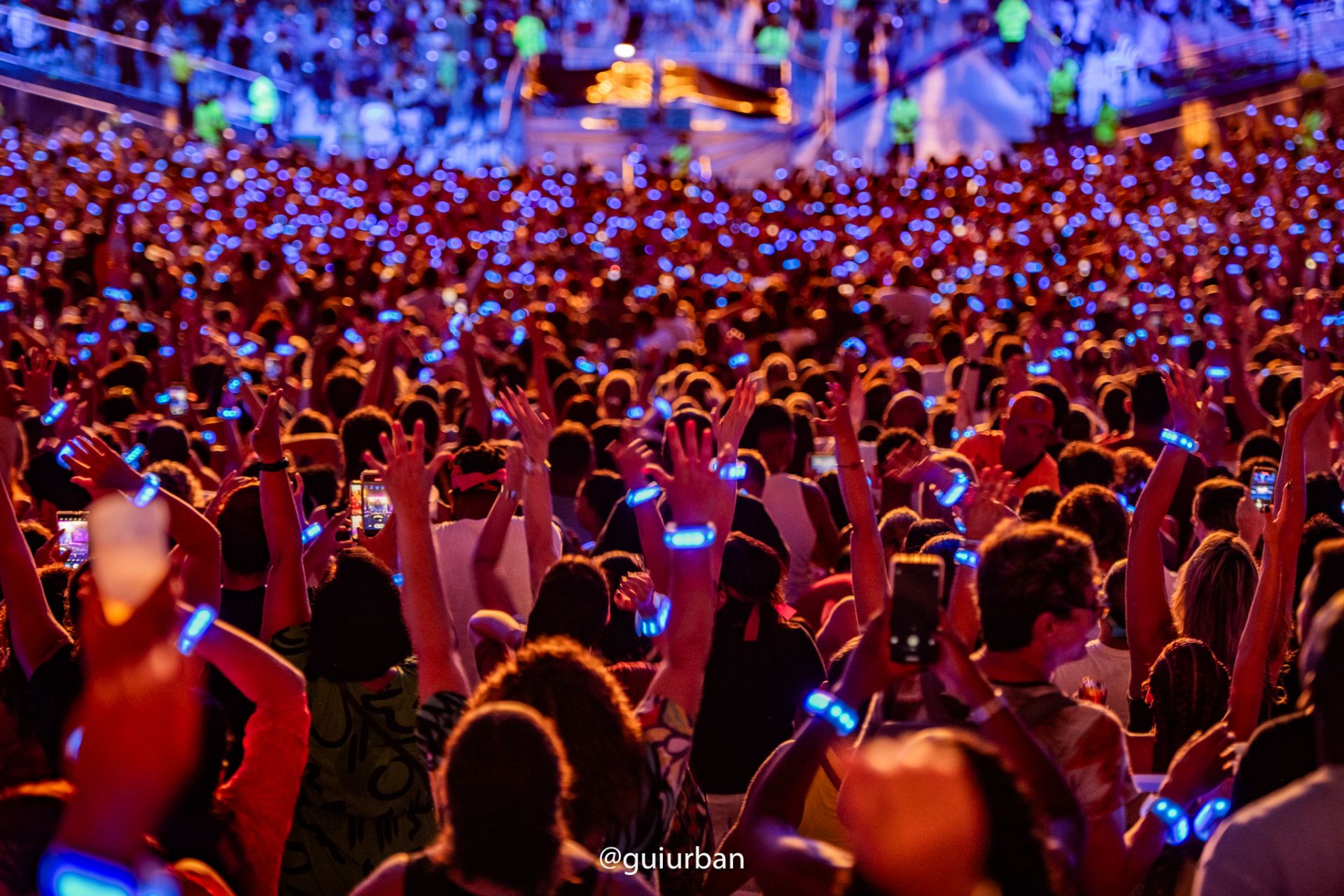
This is where wearable LED technology comes in. Systems like Xylobands allow choreographers and show designers to extend their creative vision beyond the stage and into every corner of the arena. By equipping fans with radio-controlled LED wristbands, producers can instantly unify the crowd, painting them in team colors, flashing patterns in sync with the music, or creating massive, stadium-wide visual effects. Suddenly, the audience is not just watching the show; they are the show.
"The ability to sync every single person in a venue creates a profound sense of unity. It's a powerful tool for storytelling, turning 50,000 individuals into one cohesive canvas."
The Choreography of Light and Sport
Integrating this technology requires a new layer of creative planning. For major sporting events like the Davis Cup, Formula One celebrations, or the opening ceremonies of the RWC, the fan experience is paramount. The choreography is no longer just about the performers on stage; it's about the interplay between the action, the music, and the light pulsing through the crowd.
Consider the typical flow of a major event:
- Player Entrances: Imagine a team running onto the field as the stadium erupts in a cascade of their signature colors, a visual roar created by thousands of synchronized LED bracelets.
- Half-Time Show: During a headlining performance, the crowd becomes an extension of the artist’s lighting design. This creates stunning visuals for broadcast cameras and an unforgettable sense of immersion for those present. This is a key element in creating memorable LED crowd experiences.
- Victory Moments: When the final whistle blows, the entire stadium can be instantly illuminated in the winning team’s colors, amplifying the collective celebration and creating a powerful, camera-ready finale.
These moments aren’t accidental. They are meticulously planned and executed, requiring seamless integration between the event’s technical team, the artist’s creative director, and the broadcast producer. The result is a richer, more engaging narrative that resonates long after the event is over.
Case Study: Lighting for the Lens
The challenge of modern sports entertainment is creating moments that feel massive in person and translate beautifully to the screen. Broadcasters like ITV have recognized the power of audience lighting to enhance the viewing experience for shows like Beat The Chasers. By placing light sources directly on the audience, they create a dynamic, visually rich backdrop that makes the broadcast feel more alive and engaging.
This principle is magnified exponentially in a stadium environment. When choreographing a half-time show, designers must think like a broadcast director. Wide-angle shots of the crowd become breathtaking mosaics of light. The radio controlled LED wristbands act as individual pixels, allowing for the creation of large-scale images, text, and effects that are simply not possible with traditional lighting alone. This turns the entire venue into a canvas for immersive events, ensuring the at-home audience feels the scale and energy of the moment.
The Future of Fan Engagement
As sports and entertainment continue to converge, the fan experience will become even more central. The passive spectator is becoming an active participant, a key component in the spectacle itself. Technologies that foster this connection—from custom LED wristbands to interactive mobile apps—are no longer novelties but essential tools for forward-thinking producers and franchises.
From the high-octane world of Formula One, which used custom LED lanyards to celebrate its 75th anniversary, to the electric atmosphere of a Wizkid concert at the O2 Arena, the goal is the same: to break down the barrier between the performer and the audience. It’s about creating a shared heartbeat, a collective moment of wonder that unifies tens of thousands of people.
The modern sports stadium is a theatre of dreams, and with the right tools and vision, the choreography of light, sound, and human energy can create a spectacle that transcends the game itself.