The Art of Alignment: A Framework for Artists, Managers, and Creative Directors
The Art of Alignment: A Framework for Artists, Managers, and Creative Directors
An artist imagines an impossible moment. A tour manager calculates the cost of that moment in time, freight, and manpower. A creative directorreverse-engineers the technical and logistical steps to make it real. This is the essential triad at the heart of every major live production—a dynamic, high-stakes collaboration where vision, logistics, and technology must perfectly align.
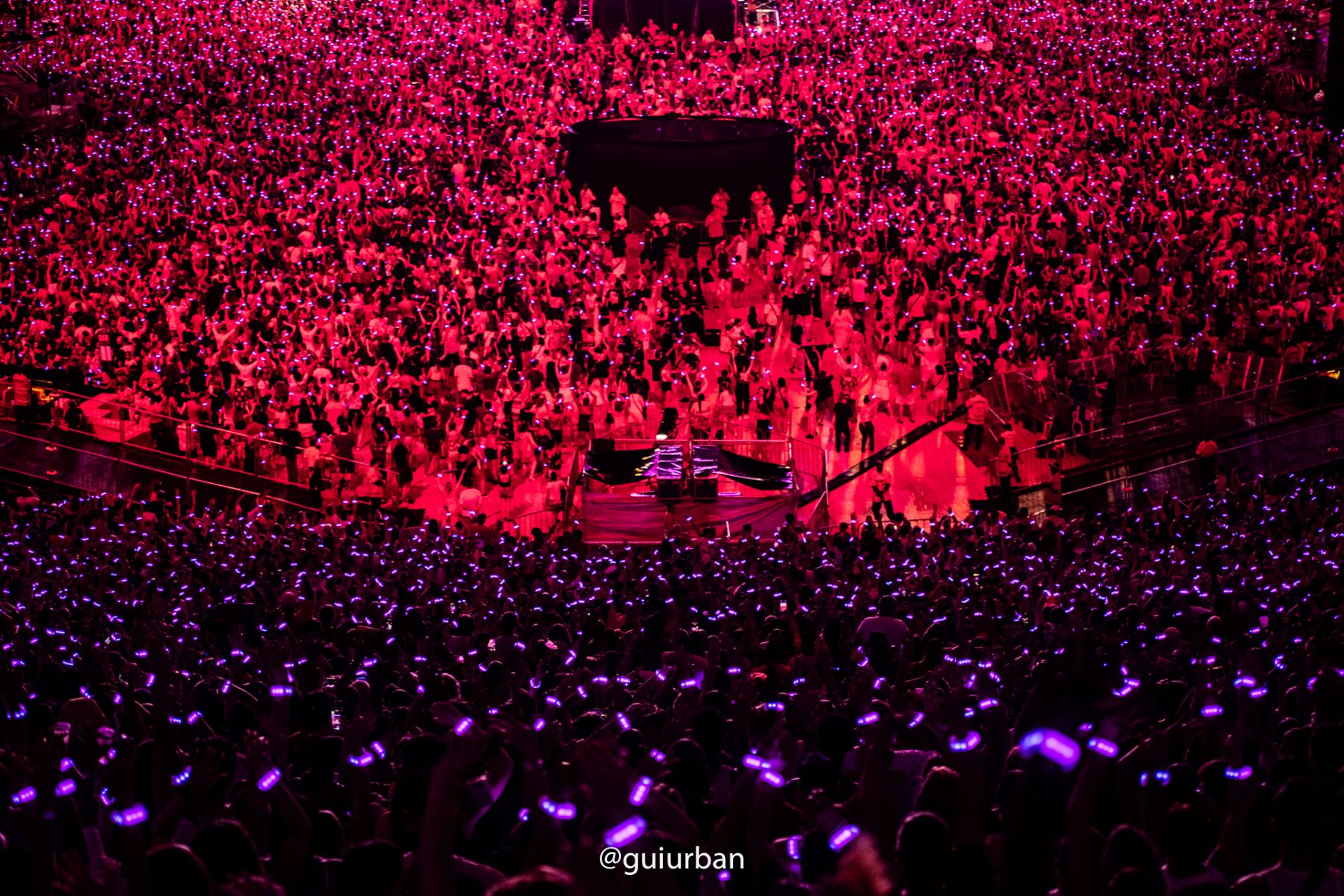
The world’s most iconic LED crowd experiences are born from this delicate dance. From a global stadium tour for an artist like Maluma to a high-stakes broadcast event for Formula One, the success of the show hinges not just on the brilliance of an idea, but on the trust and communication between these three core roles. At Xylobands, we have a privileged seat at this table, working with production teams to translate artistic vision into tangible, electrifying moments of audience connection.
The Artist: The Source of the Vision
Everything begins with the artist. Their vision, story, and music are the emotional engine of the entire production. They are the ones who must ultimately stand on stage and deliver a performance that feels authentic and powerful. Their core desire is to forge a deeper connection with their audience, to create a shared experience that transcends the ordinary.
Consider an artist like Wizkid, who made history by selling out London's O2 Arena for three consecutive nights. The vision was not just to perform, but to create an electrifying spectacle that celebrated a cultural milestone. When artists imagine turning the entire audience into a canvas of light, they aren’t just thinking about visuals; they are thinking about feeling. They want to see the music, to feel the collective heartbeat of the room. This is where tools like LED wristbands cease to be mere accessories and become instruments of connection—an extension of the artist's own performance.
The Tour Manager: The Architect of Reality
If the artist is the visionary, the tour manager is the architect of reality. Their world is one of budgets, schedules, logistics, and contracts. They are tasked with the monumental challenge of making the dream possible—and profitable. They must balance the artist's creative ambitions with the cold, hard realities of time, physics, and finance.
When a creative director proposes a stadium-wide light show using 50,000 custom LED wristbands, the tour manager asks the critical questions:
- What is the deployment and collection strategy?
- What are the power and frequency requirements for the transmitters?
- How much space and time are needed for setup and testing?
- What are the staffing implications for distribution and end-of-night recycling?
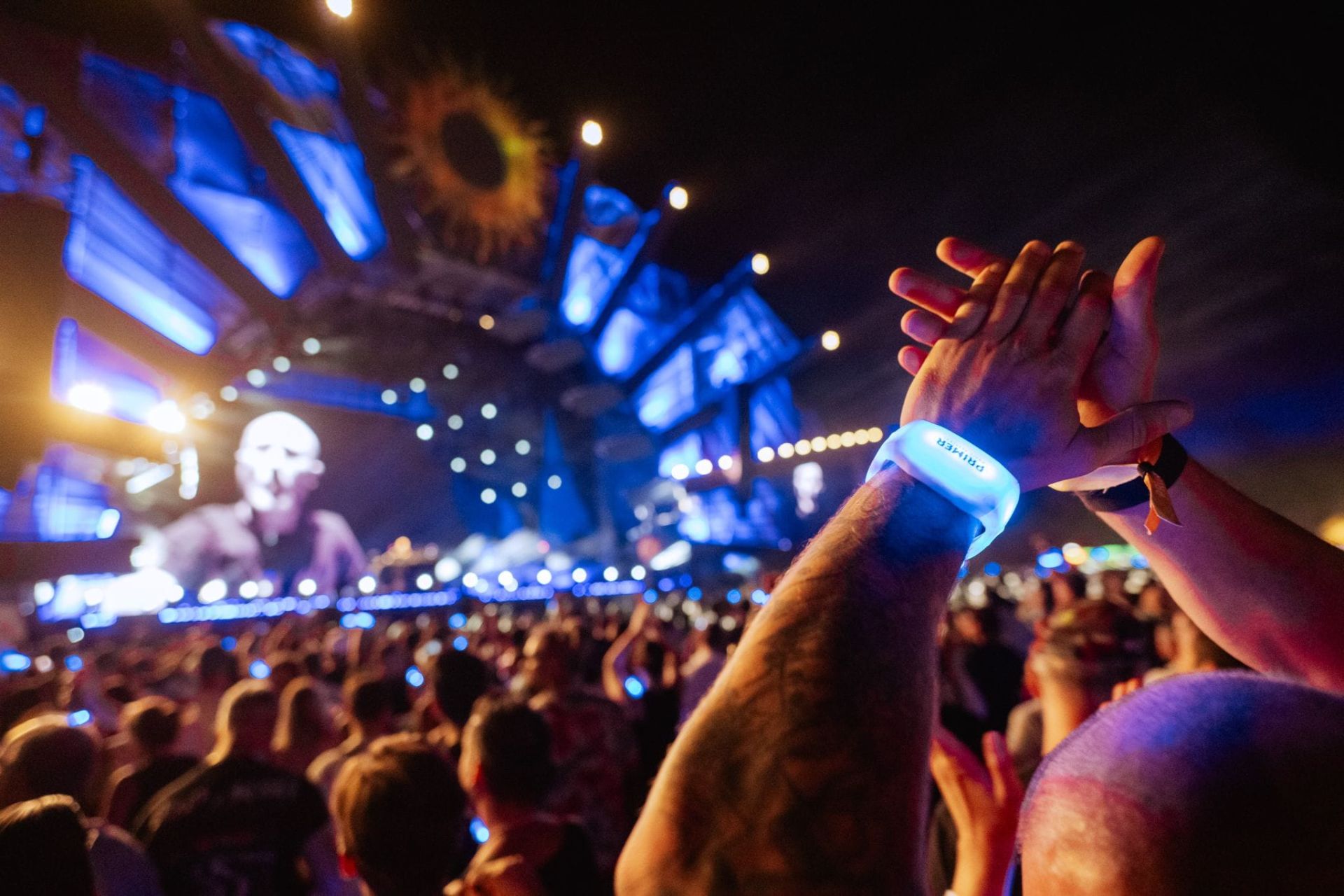
Their job is to mitigate risk and ensure flawless execution, night after night, in city after city. They need partners who can provide not just innovative technology, but also logistical certainty. This is why proven, reliable systems and experienced on-site support are non-negotiable. It’s about ensuring the "wow" moment happens without a single technical hitch, whether in Medellín for a Maluma concert or at a multi-day event like Greece's PRIMER Music Festival.
The Creative Director: The Translator of Vision
The creative director or show designer acts as the bridge between the artist’s vision and the tour manager’s reality. They are the ultimate translators, fluent in the languages of both art and technology. They take the artist's abstract desire—"I want the whole stadium to feel like it’s breathing with the music"—and map it to specific technical solutions.
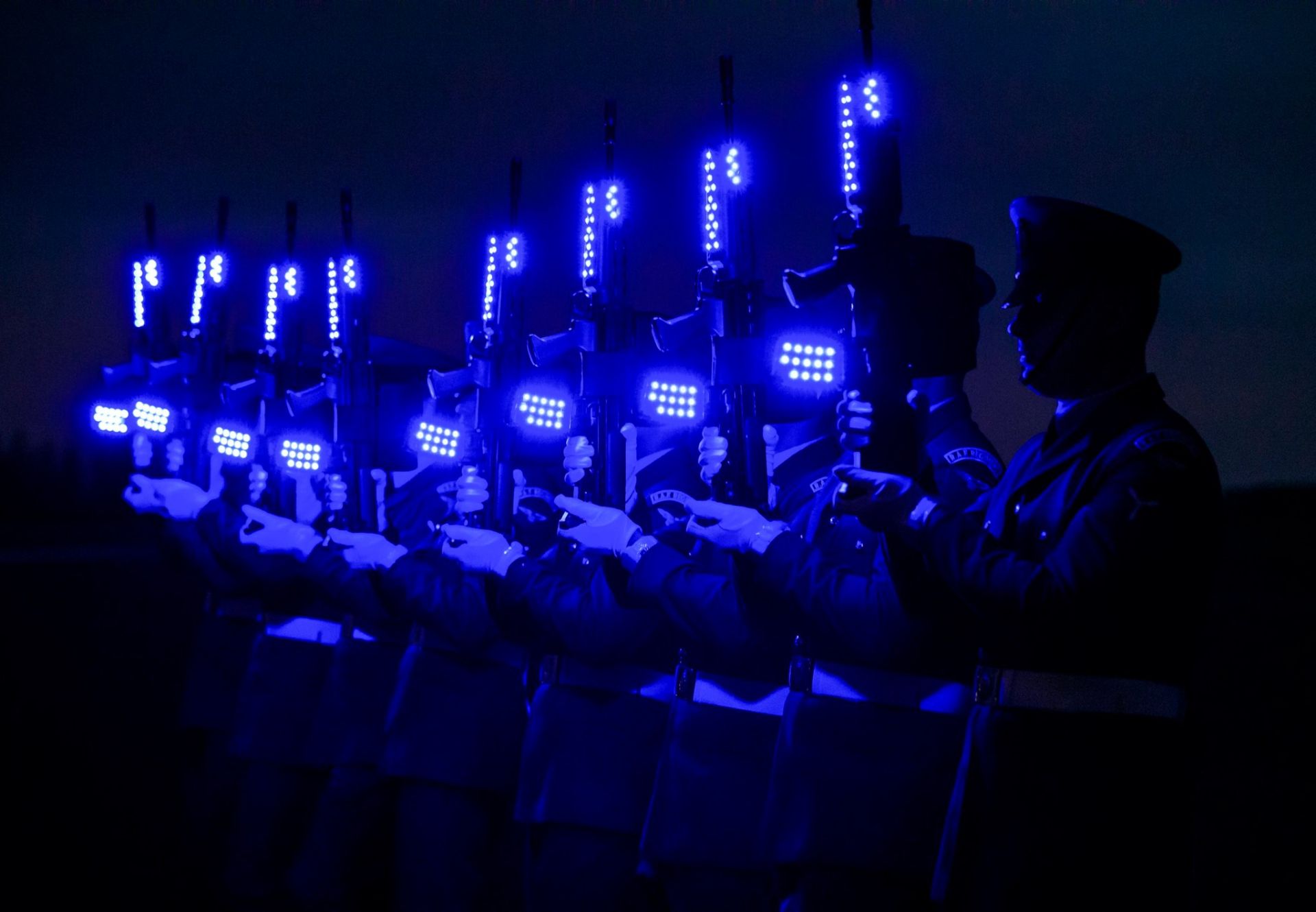
They are the ones who choreograph the light, designing the precise cues, colors, and patterns that will unfold across tens of thousands of individual pixels on people’s wrists. They work with technology providers like Xylobands to understand the full capabilities of the system—from simple one-color flashes to complex, multi-zone gradients and chases. For Formula One's 75th-anniversary celebration, this meant designing specific effects based on where fans of each team were seated, creating a dynamic, branded experience across the entire arena using custom LED Lanyards.
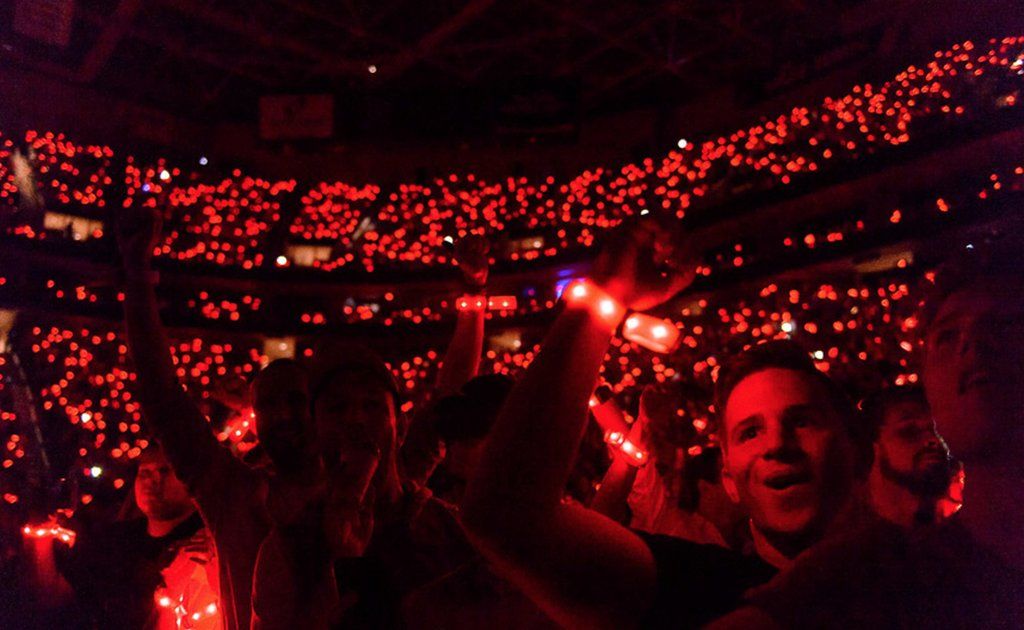
This role demands a deep understanding of the available tools. Is the goal a single, unified pulse of light, like the one that inspired the invention of Xylobands at a Coldplay show? Or is it a sophisticated piece of pixel-mapping that turns the audience into a giant video screen? The creative director must design a show that is not only visually stunning but also technically feasible and emotionally resonant.
The Framework for High-Trust Collaboration
Success in this triad is built on a foundation of early collaboration, clear communication, and mutual respect. The most seamless productions occur when these three roles are not siloed but are in constant dialogue from the earliest stages of planning.
- Involve Technical Partners Early: Don’t let a technical conversation be the last one. Bringing in partners who specialize in immersive event technology early allows the creative director to design with the full scope of possibilities in mind, and it gives the tour manager a clear, early picture of the logistical requirements.
- Prototype and Visualize: Abstract ideas can lead to costly misunderstandings. Use pre-visualization software and product samples to ensure the artist, manager, and director all share the same understanding of what the final effect will look and feel like.
- Define a Shared Language: The artist talks about emotion. The manager talks about numbers. The director talks about cues and programming. A successful team learns to translate. "An intimate, emotional moment" for the artist becomes "a slow, warm tungsten fade across all wristbands" for the creative director, and "a single cue from the lighting desk" for the production team.
“The goal is to create a system where creativity is enabled, not constrained, by logistics. When the artist, manager, and creative director are perfectly aligned, the technology disappears, and all that’s left is the experience.”
Ultimately, the magic of a great live show lies in this unseen alignment. It’s a partnership that turns an artist’s dream into a director’s design, and a manager’s plan into a flawless, unforgettable reality. It’s the collaborative engine that powers the world’s most memorable immersive events, transforming a crowd of individuals into a single, unified body of light and energy.