The Hidden Logic: How Dyslexic Thinking is Rewiring the Business World
The Power of a Different Perspective
In a world built on linear thinking and standardised processes, neurodiversity is often misunderstood. Conditions like dyslexia, traditionally viewed through a deficit lens, are increasingly being recognised not as obstacles, but as powerful cognitive assets. In the fast-paced, often chaotic worlds of entrepreneurship and creative industries, the unique wiring of the dyslexic brain isn't a bug; it's a feature.
Dyslexic individuals often excel at seeing the bigger picture, connecting disparate ideas, and solving complex problems in unconventional ways. While others may get lost in the weeds, the dyslexic mind soars, spotting patterns and possibilities that remain invisible to others. This isn't just anecdotal; it’s a strategic advantage. It’s the kind of thinking that doesn’t just iterate on the old but invents the new.
Inventing a New Medium
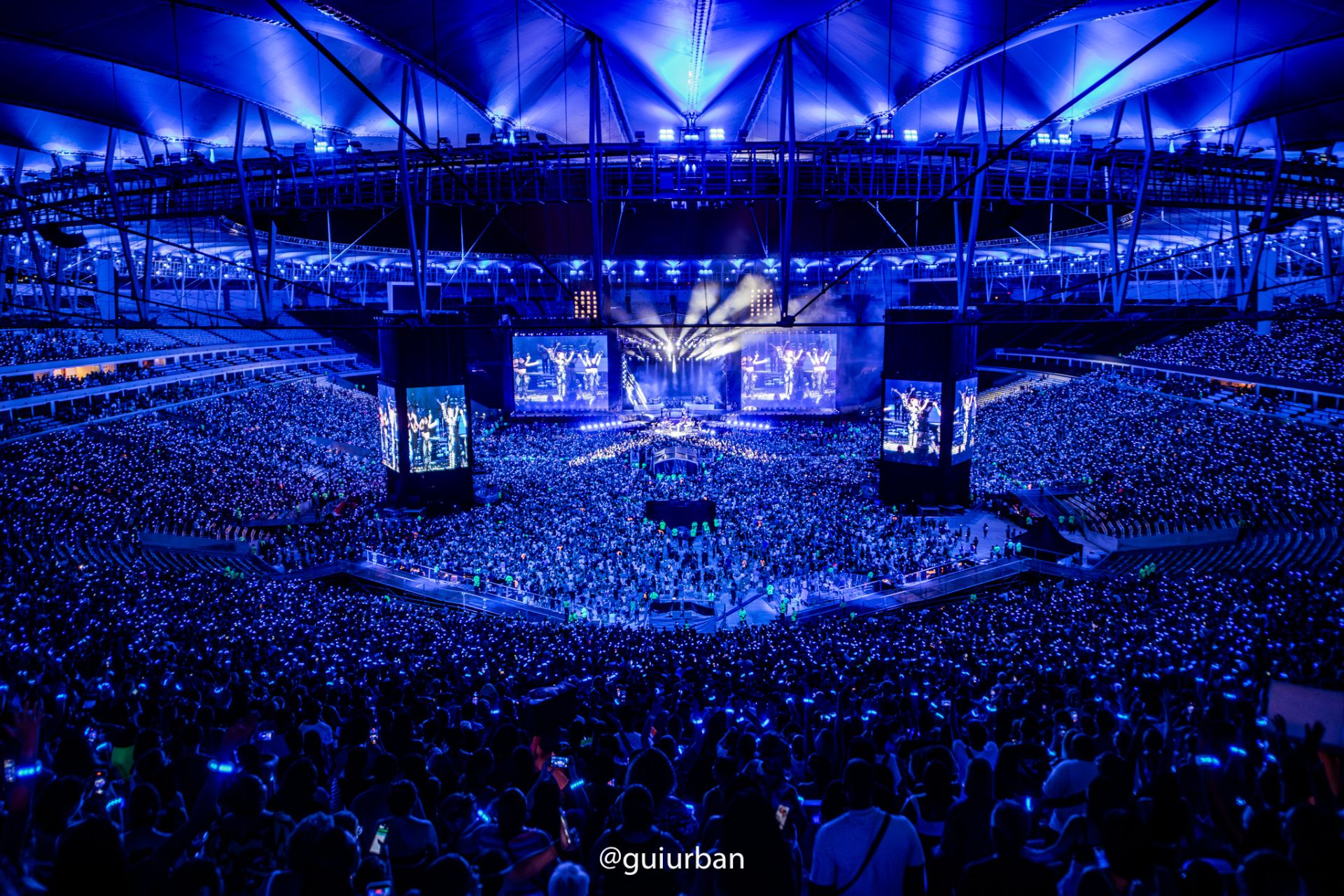
The story of Xylobands is a powerful case in point. Our founder, Jason Regler, is dyslexic. His invention wasn't born from a business plan or a market analysis. It came from a moment of pure, unadulterated inspiration while watching Coldplay at Glastonbury. As the band played "Fix You," he didn’t just hear the lyric, “Lights will guide you home.” He saw it. He envisioned an entire stadium of people, each a single point of light, united in a synchronised, visual symphony.
"I couldn’t get the idea out of my head," Jason often recalls. "The image of the crowd itself becoming the light show was so clear. The technology didn't exist yet, but I could see exactly how it should feel."
This is a classic example of dyslexic thinking in action: a non-linear, highly visual, and problem-oriented approach. Where a linear thinker might see an operational challenge — developing the radio-controlled LED wristbands, managing the logistics, creating the software — Jason saw the end state, the feeling, the shared human experience. The "how" was a problem to be solved, but the "what" and "why" were already crystal clear. This ability to grasp a holistic vision and maintain unwavering focus on the emotional core of an idea is a hallmark of many successful dyslexic entrepreneurs.
From Vision to Global Phenomenon
Bringing that vision to life required a different kind of intelligence. It meant building a team, navigating global supply chains, and pioneering an entirely new category of immersive event technology. It required turning a flash of creative insight into a robust, reliable, and scalable global operation.
Today, Xylobands have powered over 10,000 events, from massive tours with artists like Coldplay and Maluma to major broadcast events with ITV and Formula One. Every time a stadium full of LED bands ignites in perfect sync, it’s a testament to that initial, non-linear vision. This journey from a field in Somerset to arenas worldwide demonstrates how dyslexic thinking can be the catalyst for true innovation, creating not just a product, but a platform for LED crowd experiences.
The Dyslexic Advantage in Practice
So what are the specific traits of dyslexic thinking that translate into a business superpower?
- Big-Picture Thinking: Dyslexics often struggle with granular details but excel at synthesising information to see the entire system. This allows them to spot market gaps and opportunities that others miss. They are natural visionaries.
- Creative Problem-Solving: When linear solutions fail, dyslexic thinkers thrive. Their ability to make surprising connections between seemingly unrelated concepts leads to breakthrough innovations. They don’t just think outside the box; they don’t see the box at all.
- Resilience and Determination: Navigating a world not designed for your way of thinking builds incredible resilience. This grit is an essential trait for any entrepreneur facing the inevitable setbacks of building a business.
- Strong Visual-Spatial Reasoning: Many dyslexics are highly visual thinkers. They can manipulate 3D objects in their minds, design complex systems, and see how all the pieces of a puzzle fit together long before it’s built. This is crucial in fields from engineering and architecture to designing corporate event activations.
Cultivating Neurodiversity in Your Organisation
The conclusion is clear: neurodiversity is a competitive advantage. The creative, live events, and tech industries are built on disruption and fresh ideas. Homogeneous thinking is the enemy of innovation. By actively seeking out and empowering neurodiverse talent, businesses can unlock new ways of thinking and problem-solving.
It means creating an environment where different cognitive styles are valued. It’s about focusing on outcomes, not processes. It’s about recognising that the person who struggles to write a concise email might be the same person who can architect your company’s next game-changing product. From custom LED lanyards to breathtaking stadium shows, the world’s most powerful LED experiences are born from this kind of visionary thinking.
The future of business isn’t about forcing everyone to think the same way. It’s about harnessing the unique strengths of different minds. The story of dyslexia in business is not one of overcoming a deficit; it’s the story of unleashing a hidden logic, a creative force that has the power to connect us, to inspire us, and to light up the world.