The Art of Scale: Lighting Design Principles for Modern Arenas and Stadiums
The Challenge of Scale
There’s a moment before the show begins, an intake of breath in the seconds before the house lights drop. In a club, that moment is intimate, close. On a stadium tour, it’s monumental. The sheer scale of an arena or stadium—the thousands of seats, the cavernous space, the distance between the stage and the last row—presents a unique set of challenges for any lighting designer. How do you create a sense of connection when your canvas is a 50,000-seat venue? How do you ensure the fan in the back row feels as much a part of the show as the one against the barrier?
The traditional answer has been brute force: bigger video screens, brighter lights, louder pyrotechnics. But modern tour lighting design is evolving beyond a simple escalation of scale. It’s becoming an art of intimacy, a discipline focused on extending the energy of the performance to every corner of the venue. It’s about transforming a massive space into a shared, collective experience, where every single audience member becomes a part of the spectacle itself. This is the new frontier of Immersive Event Technology.
Painting the Human Canvas
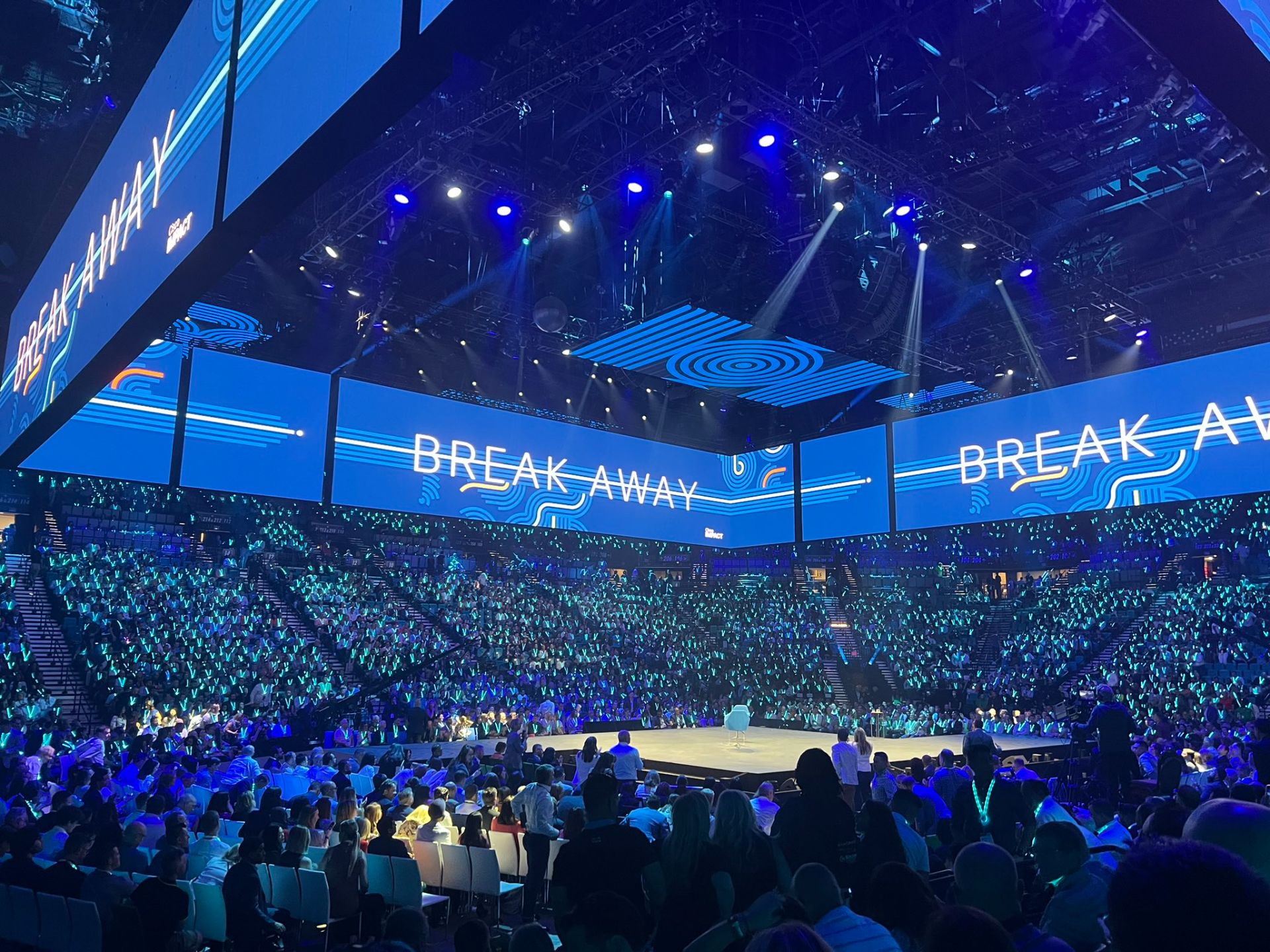
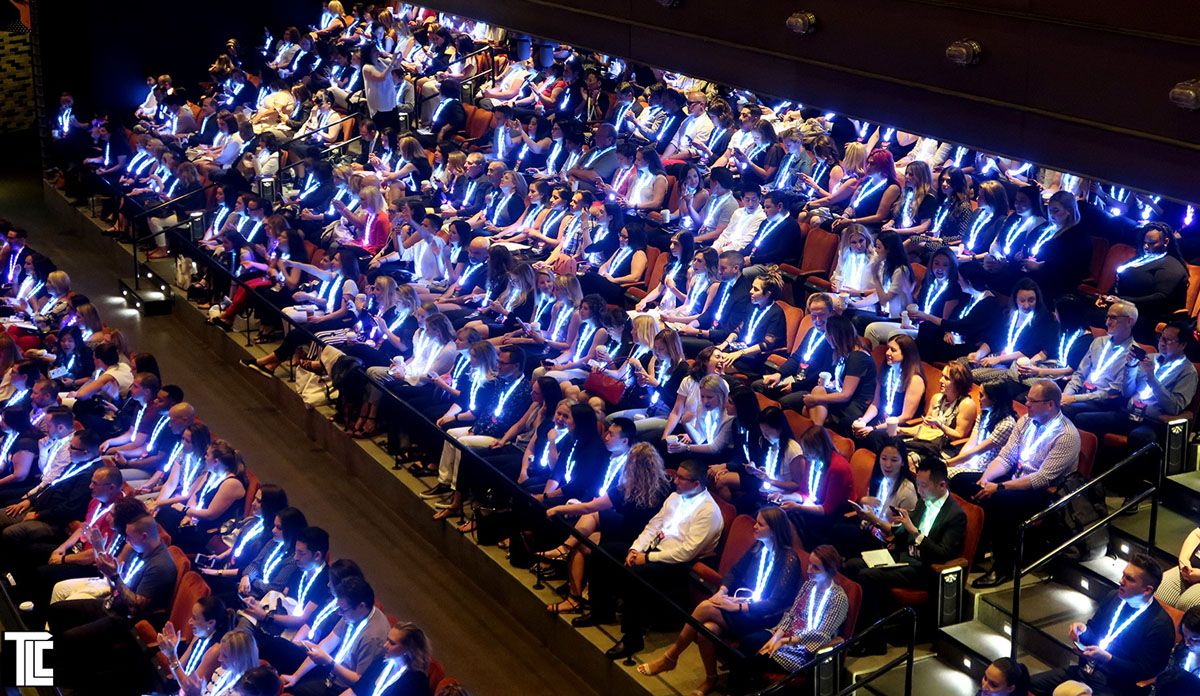
The core principle of modern stadium lighting is the shift in perspective from lighting the stage to lighting the audience. The crowd is no longer a passive observer but an active, dynamic element of the show’s visual architecture. This is where Wearable LED Technology becomes not just an accessory, but an essential design tool.
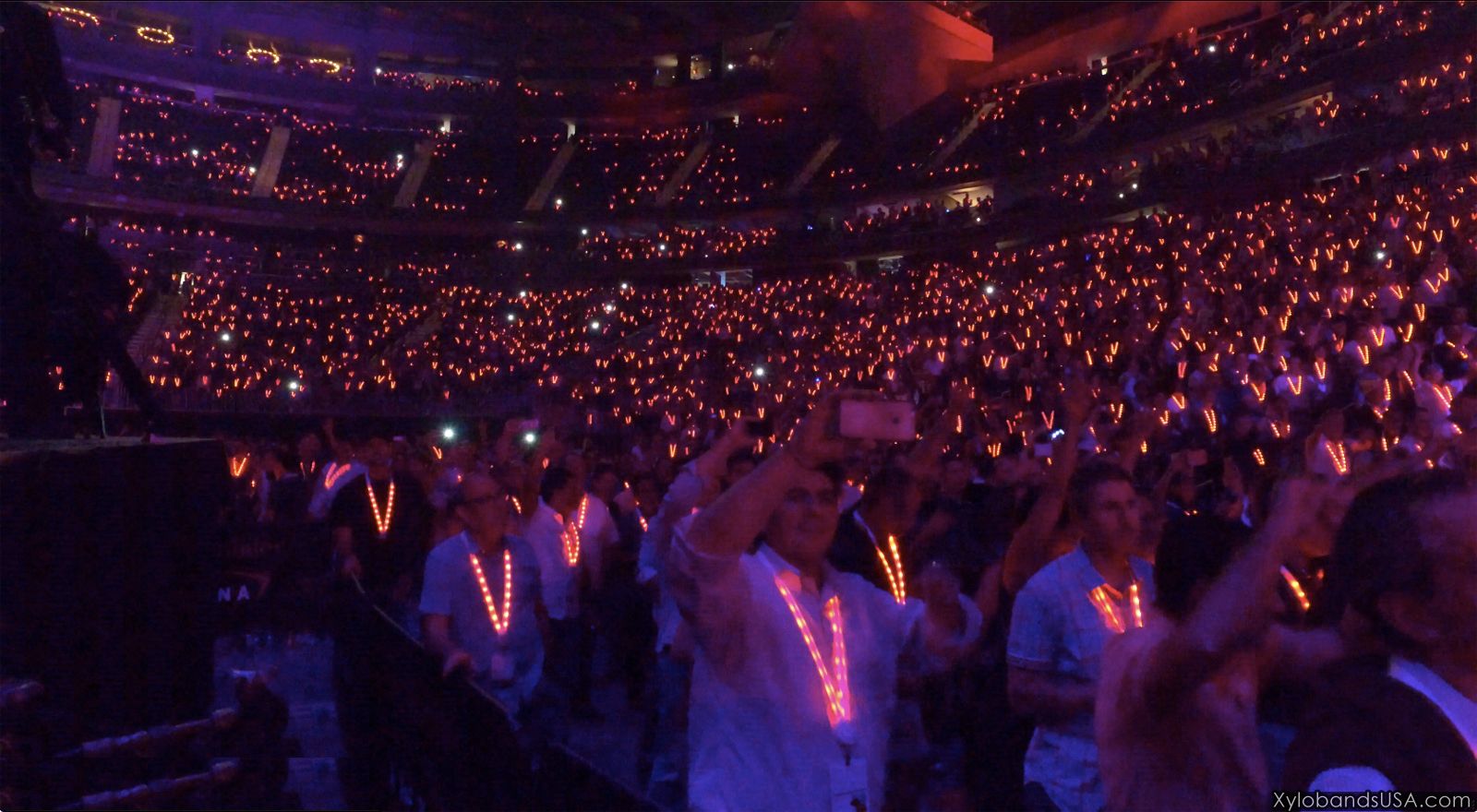
When Coldplay embarked on their Mylo Xyloto tour, they debuted a technology that would fundamentally change the relationship between the artist and the audience: Xylobands. These radio-controlled LED wristbands turned every individual into a pixel in a massive, living light show. Suddenly, the energy wasn’t just radiating from the stage; it was reflected, amplified, and pulsed back from every seat in the house. The lyrics of 'Fix You' — “Lights will guide you home” — became a literal, shared experience.
This approach redefines the creative possibilities. Lighting designers are no longer limited to trusses and fixtures. They can now paint with people. Imagine a chorus hits, and a wave of blue light washes over the entire stadium. A guitar solo erupts, and pulses of red explode from the center of the arena outwards. This is choreography on a massive scale, turning tens of thousands of individuals into a single, unified entity. It’s a powerful tool, seen at events from Maluma’s historic Medellin concert to the high-energy beats of PRIMER Music Festival in Greece, where LED Experiences bond the crowd to the music.
The Two-Audience Problem: Live and Broadcast
Many large-scale tours and events are no longer just for the people in the room. They are global broadcast events, streamed live to millions. This creates a two-audience problem: a design that looks spectacular in person can feel flat or chaotic on screen. Conversely, a show optimized for the camera can feel sterile or distant to the live audience.
Modern lighting design must serve both masters. The key is to create layers of light. The primary layer—the key lighting on the performers—is for the camera. It’s about clarity, definition, and ensuring the artist looks their best. But the secondary and tertiary layers are what create the atmosphere for the live audience and provide the epic, wide-angle shots for the broadcast. This is where audience lighting excels.
Radio Controlled LED Wristbands provide a solution that works beautifully for both audiences. For the camera, they create breathtaking, wide-angle shots of the entire venue glowing and pulsing in unison—a visual shorthand for energy and scale. For the people in the room, they create a sense of direct participation. You are not just watching the show; you are in the show. This dual-purpose was on full display at Formula One's 75th-anniversary event in London, where custom LED Lanyards helped immerse the live audience while creating stunning visuals for the global broadcast.
Beyond the Stage: Extending the Experience
In a stadium environment, the experience begins long before the artist takes the stage. It starts from the moment a fan enters the concourse. The most forward-thinking productions use lighting to extend the show’s creative language throughout the entire venue. This can involve architectural lighting, video installations, and even extending the use of LED Event Technology to pre-show moments or sponsor activations.
This is a crucial element of Corporate Event Activations in large venues, but the principle applies equally to music tours. It’s about creating a cohesive world. If the tour’s aesthetic is built around a specific color palette or visual motif, that should be evident from the moment of entry. It builds anticipation and makes the main event feel like the culmination of a larger journey. By the time the show starts, the audience is already primed, already a part of the story the artist is about to tell.
Key Design Principles for Scale:
- Embrace the Audience as Canvas: Use technology like Xylobands to make the crowd an integral part of the lighting design. Don't just light the stage; light the room.
- Design for Two Audiences: Create layered lighting that serves both the in-person attendees and the broadcast cameras. Ensure your wide shots are as compelling as your close-ups.
- Create Intimacy Through Immersion: Use synchronized light to make every individual feel connected to the performance and to each other, closing the emotional distance of a large venue.
- Extend the Narrative: Use lighting to theme the entire venue, from the concourse to the bowl, creating a cohesive experience from entry to encore.
- Choreograph with Light: Don't just turn lights on and off. Use movement, color, and timing to create dynamic, story-driven moments that complement the music and the performance.
The Future is Collective
The future of arena and stadium tour lighting design lies in this collective, immersive approach. As technology evolves, we will find new and more seamless ways to integrate the audience into the performance. The goal is no longer just to illuminate an artist on a distant stage, but to create a shared environment of light and sound. It’s about leveraging technology not to create distance, but to forge connection.
From the iconic Coldplay Xylo Band moments to their use in championship sports like the Davis Cup, Immersive Events are proving that the most powerful spectacle is one we all create together. The art of scale is not about making things bigger; it’s about making a big experience feel personal, unified, and unforgettable for everyone.