The End of the Throwaway Event: A New Model for Responsible Production
The End of the Throwaway Event: A New Model for Responsible Production
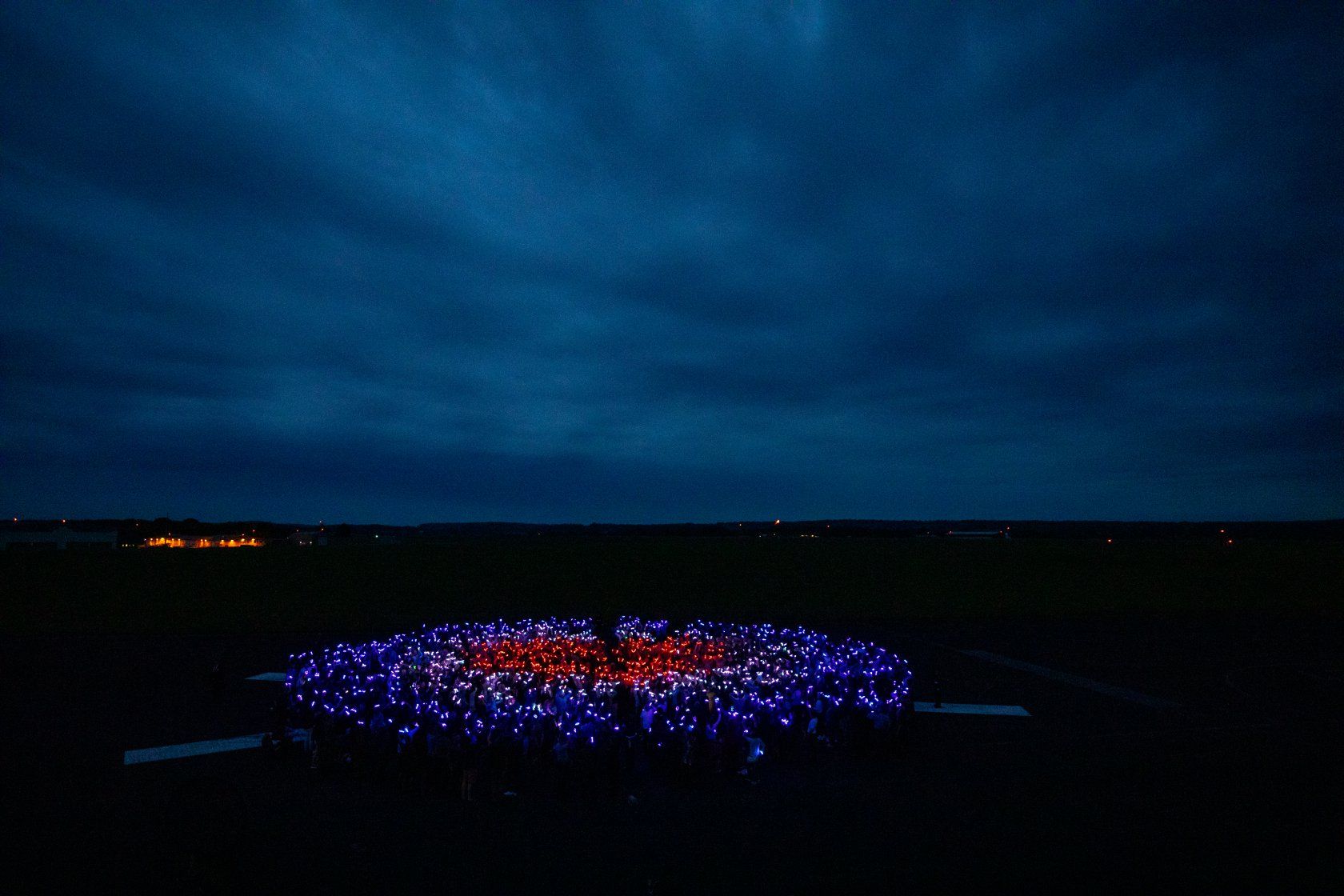
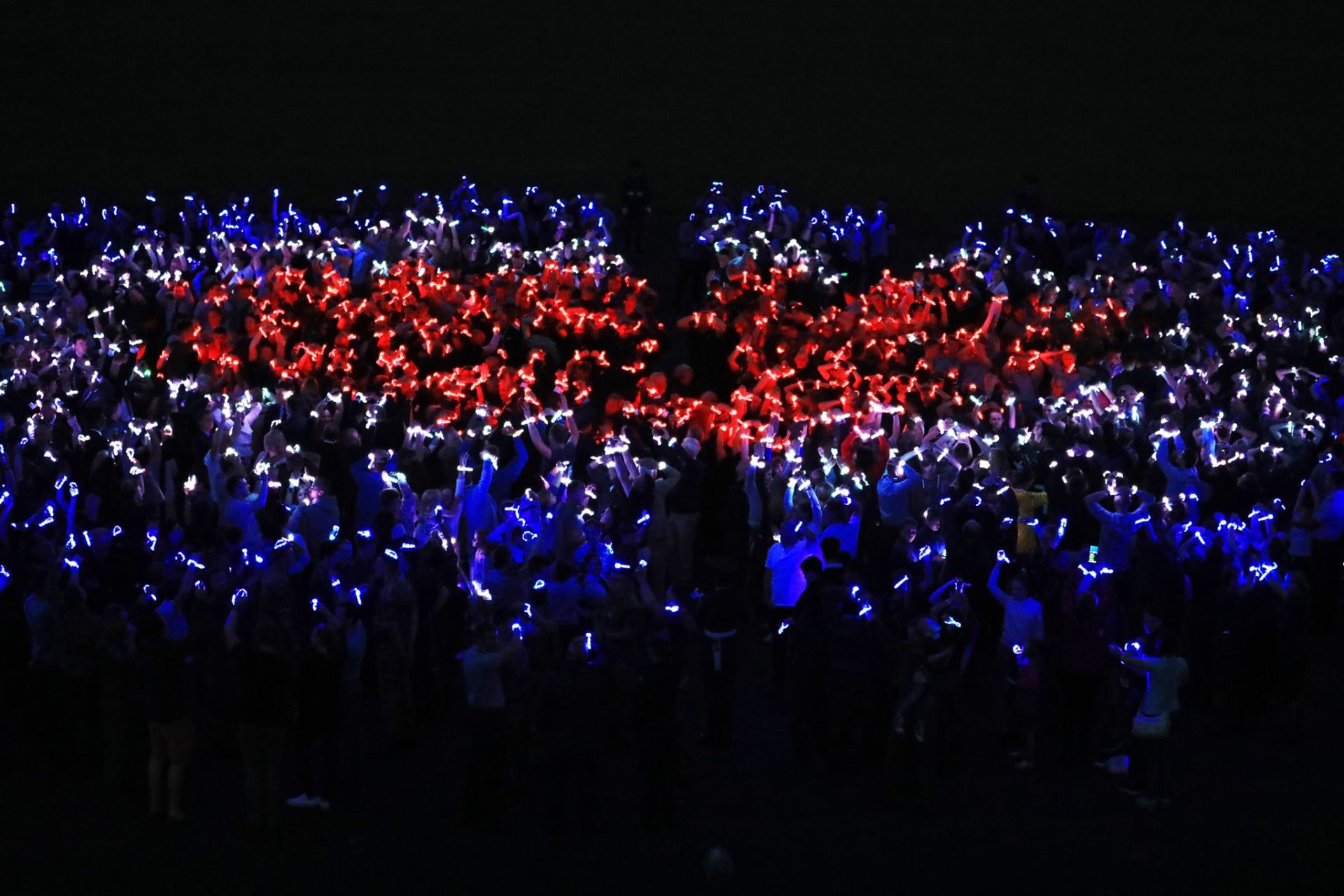
For decades, the live events industry has been fuelled by a paradox: the creation of fleeting moments of wonder often relies on a disposable infrastructure. From single-use decorations to the vast carbon footprint of global tours, the pursuit of the spectacular has frequently come with a hidden environmental invoice. But the curtain is falling on this era of excess. A new generation of producers, artists, and audiences is demanding a shift, proving that unforgettable LED crowd experiences can coexist with a profound commitment to the planet.
This isn’t about diminishing the spectacle. It’s about redefining it. It’s about understanding that the most powerful moments of connection are not just about what happens on stage, but about the values that underpin the entire production. The conversation has moved beyond simply offsetting carbon to a more holistic, circular approach to event design and technology.
Beyond ‘Use Once’: The Power of Reusability in Event Tech
The concept of "single-use" is rapidly becoming obsolete in the minds of forward-thinking event producers. The focus is shifting towards durable, reusable, and intelligently managed assets. This is where the true innovation in immersive event technology lies—not just in the flash, but in the lifecycle of the products that create it.
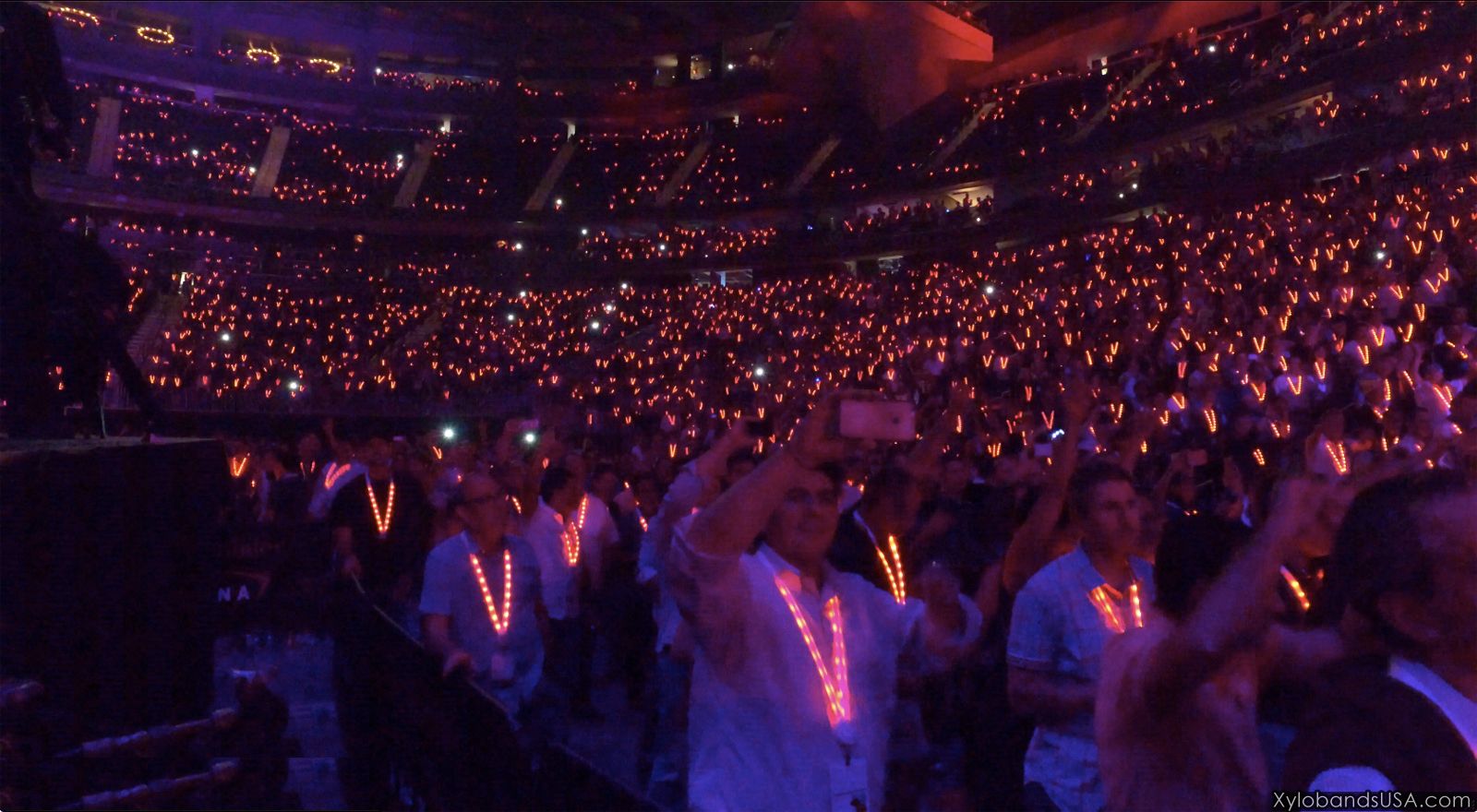
At Xylobands, we have been at the forefront of this shift, engineering our LED wristbands and other wearable LED technology for longevity and reuse. A prime example of this model in action was our collaboration with the artist Wizkid for his historic, three-night, sold-out run at London's O2 Arena. The 32,000 wristbands deployed on the first night were not discarded. Instead, our team collected, refurbished, and redeployed them for all three shows, ensuring every audience across the run received the same high-impact experience without needless waste. This approach of collecting, topping up, and responsibly managing inventory is now standard practice for multi-date events, from festival weekends like Greece's PRIMER Music Festival to extended corporate activations.
This model offers a powerful dual benefit: it drastically reduces the material footprint of an event while delivering significant logistical and financial efficiencies. It’s a blueprint for a system where the magic is renewed, not thrown away.
Designing for Disassembly: A Circular Economy for Spectacle
Responsible production begins long before the doors open. It starts in the design phase, with a principle we call "designing for disassembly." This means creating products not just for their primary function, but with their entire lifecycle in mind, from deployment and collection to refurbishment and, ultimately, recycling.
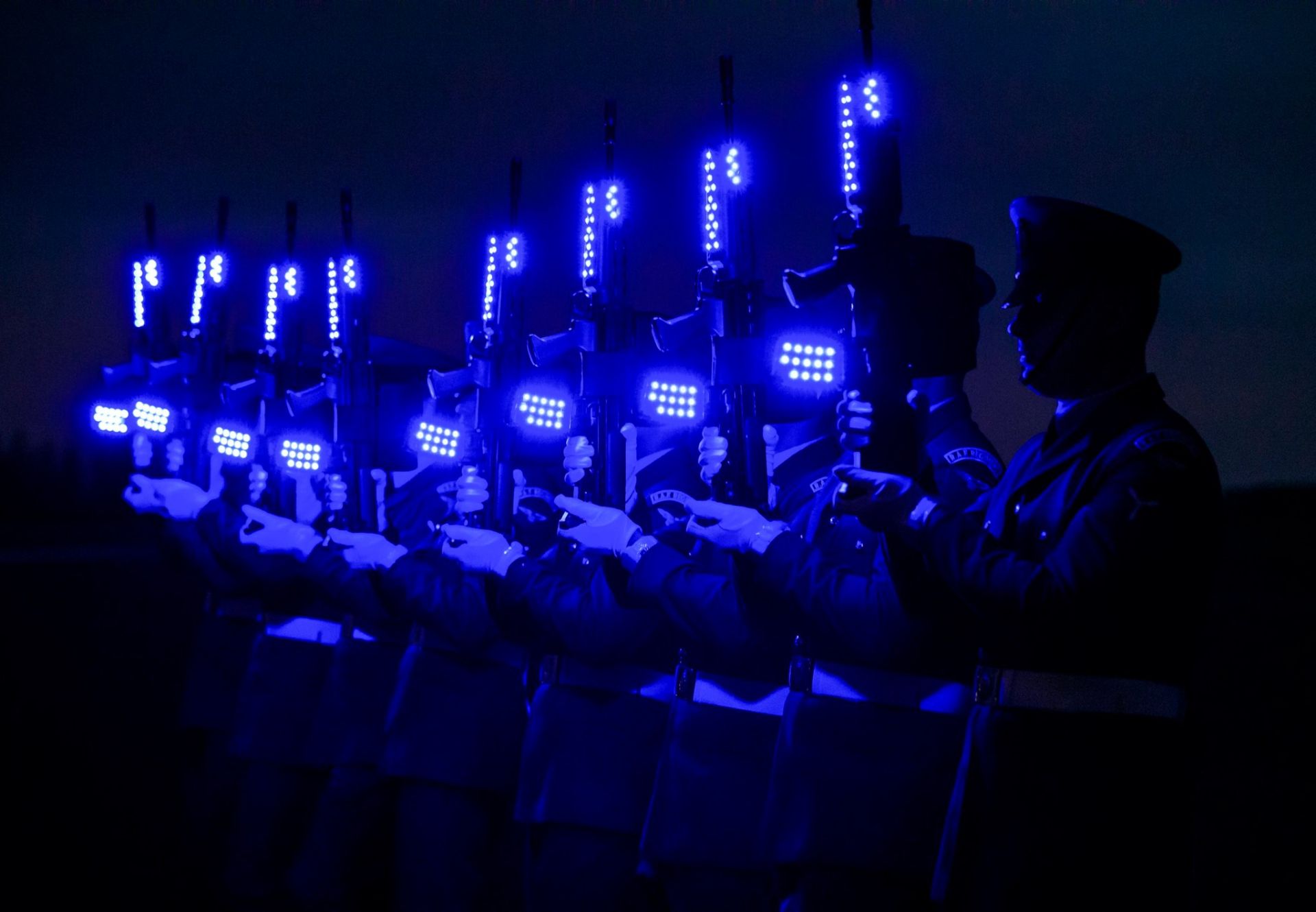
Our radio controlled LED wristbands are engineered with this philosophy. The battery and electronic components are designed to be easily separated from the plastic casings. This crucial step ensures that materials can be channeled into the correct recycling streams, preventing thousands of units from ending up in landfills. The plastic itself can be granulated and repurposed, while the electronics are processed to reclaim valuable components. For ITV, a client with whom we have a long-standing relationship, managing large-scale, broadcast-ready productions means accountability is key. A robust end-of-life plan for all technology is no longer a "nice-to-have"—it's a core requirement.
This commitment extends to our entire ecosystem of LED experiences, from LED Lanyards used in corporate event activations to our new LED Orbs. By considering the end-of-life at the beginning of the design process, we move from a linear model of "make, use, dispose" to a circular one of "make, use, reuse, and recycle."
The Ripple Effect: Influencing the Supply Chain for Good
The impact of a single production’s commitment to sustainability can ripple outwards, influencing the practices of an entire network of suppliers and partners. When major tours and brands demand higher environmental standards, they create a powerful incentive for innovation across the industry. This is how systemic change happens.
The future of live events isn't just about creating a more connected audience; it's about building a more responsible industry. The two are intrinsically linked.
For global events like Formula One’s 75th-anniversary celebration, the logistical complexity is immense. Yet, even here, sustainable choices can be made. The custom LED Pendants we created were not just a tool for an immersive light show; they were part of a production that understands its global platform comes with global responsibilities. By championing reusable systems and responsible end-of-life management, large-scale events set a new gold standard, proving that you don’t have to sacrifice the "wow factor" to be stewards of the environment.
Ultimately, the move towards sustainability is not a trend; it is the most significant and necessary evolution in the history of live production. It requires a new way of thinking, a commitment to innovation, and a belief that the most breathtaking spectacles are the ones that leave a positive, lasting legacy—for the audience and for the planet. The era of the responsible spectacle is here, and it’s brighter than ever.