The Global Relay: A Masterclass in Touring Logistics and Freight
The Unseen Relay Race
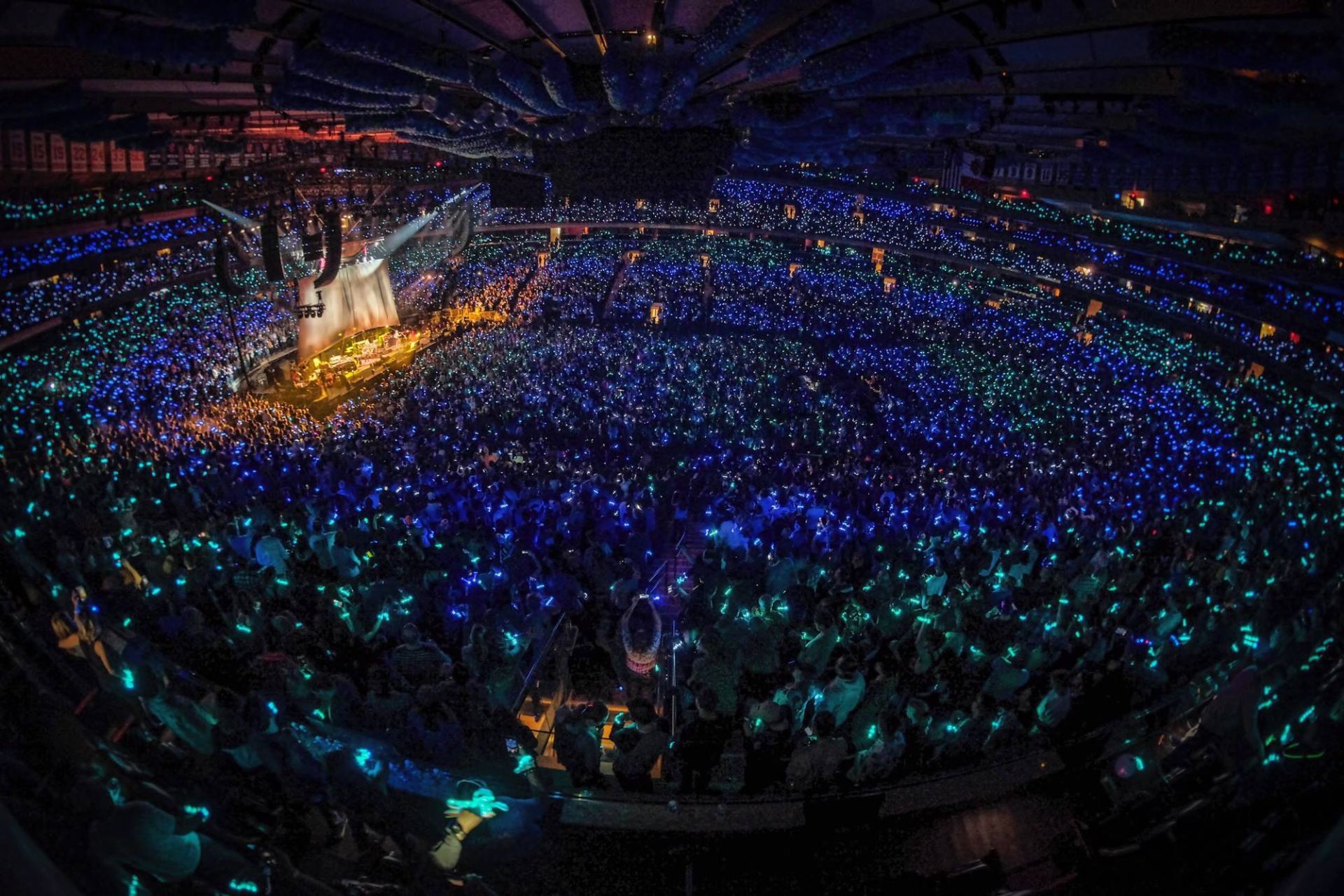
The curtain rises, the lights flash, and for a few hours, a stadium in London, an arena in Medellín, or a festival ground in Athens becomes the center of the universe. For the audience, the experience is pure magic—a seamless spectacle of light, sound, and energy. But behind every flawless live event is a hidden, parallel universe of staggering complexity: the world of global touring logistics.
This is the story of the unseen relay race against time, distance, and physics. It’s a world where customs declarations are as critical as sound checks, and freight schedules are as important as the setlist. For global tours and major one-off events, the equipment—from the grandest stages to the smallest pieces of wearable LED technology—is on its own world tour. This ballet of cargo planes, shipping containers, and truck convoys is the unsung hero of the live entertainment industry.
The Anatomy of a Global Move
Imagine the scale. A major international music tour is not just a band and their instruments. It’s a mobile city. Stages, sound systems, lighting rigs, video walls, and the specialized tech that creates unique LED crowd experiences—it all has to be packed, shipped, and reassembled, sometimes in a new country every few days.
At Xylobands, we operate at the sharp end of this logistical spear. Our radio-controlled LED wristbands and other immersive event technology are often the final, audience-facing piece of a much larger production puzzle. Whether it’s for a multi-night arena run like Wizkid’s historic sell-out shows at The O2 in London, or a high-profile broadcast event like the Formula One 75th Anniversary celebration, our equipment’s journey is meticulously planned months in advance.
"For every hour the audience sees, there are hundreds of hours of planning, packing, and transit that remain invisible."
Phase 1: The Carnet is King
The first hurdle in any international tour is paperwork. The ATA Carnet, often called the "passport for goods," is the single most critical document. It’s an international customs and temporary export-import document, allowing for the tax-free and duty-free movement of goods for up to one year. Without a correctly filed carnet, a tour’s entire inventory of equipment can be held indefinitely at a border, jeopardizing multi-million-dollar productions.
Every single item, down to the last charging cable and radio transmitter for our Xylobands, must be itemized, serialized, and valued. This detailed manifest is non-negotiable and requires military-grade precision. A single discrepancy can trigger inspections, delays, and financial penalties that have a domino effect on the entire tour schedule.
Phase 2: The Art of the Pack
Once the paperwork is in order, the physical process begins. This is more than just boxing things up; it’s a science. Equipment is housed in custom-built, ruggedized flight cases designed to withstand the rigors of air and sea freight. Weight and volume are the currencies of logistics. Every kilogram and cubic meter is calculated to maximize space and minimize cost.
For our LED bands and LED lanyards, the process involves not only packing the products themselves but also the complex infrastructure that powers them: transmitters, charging racks, and control stations. We design our systems to be robust and modular, allowing for efficient packing and rapid deployment on-site, a crucial factor when the get-in time at a venue is measured in hours, not days.
Navigating the Global Gauntlet
The journey from warehouse to venue is fraught with potential pitfalls. From navigating the unique customs requirements of different territories—as we do for clients from the Davis Cup in Spain to the PRIMER Music Festival in Greece—to adapting to unforeseen transport strikes or extreme weather events, the logistics team is in a constant state of proactive problem-solving.
- Air vs. Sea Freight: Air freight is fast but expensive, reserved for time-critical equipment. Sea freight is more economical for non-urgent items but requires longer lead times and introduces risks like port congestion. Most major tours use a hybrid model.
- Local Knowledge: Having trusted partners on the ground in each country is invaluable. They understand local regulations, labor laws, and transport routes, providing the "last-mile" expertise that is crucial for getting equipment from the airport or port to the venue door.
- Redundancy and Backups: For mission-critical technology like our radio controlled LED wristbands, we often ship redundant systems. A backup transmitter or a spare case of wristbands held at a strategic location can be the difference between a minor issue and a show-stopping disaster.
The Final Mile: From Flight Case to Fan
The final act of the logistics masterclass is the on-site deployment. Once the trucks arrive at the venue, a new countdown begins. The flight cases are opened, and the intricate process of building the show begins. Our technical teams, who have flown in to meet the cargo, are tasked with deploying and testing our systems, ensuring that thousands of concert wristbands are ready to light up in perfect sync.
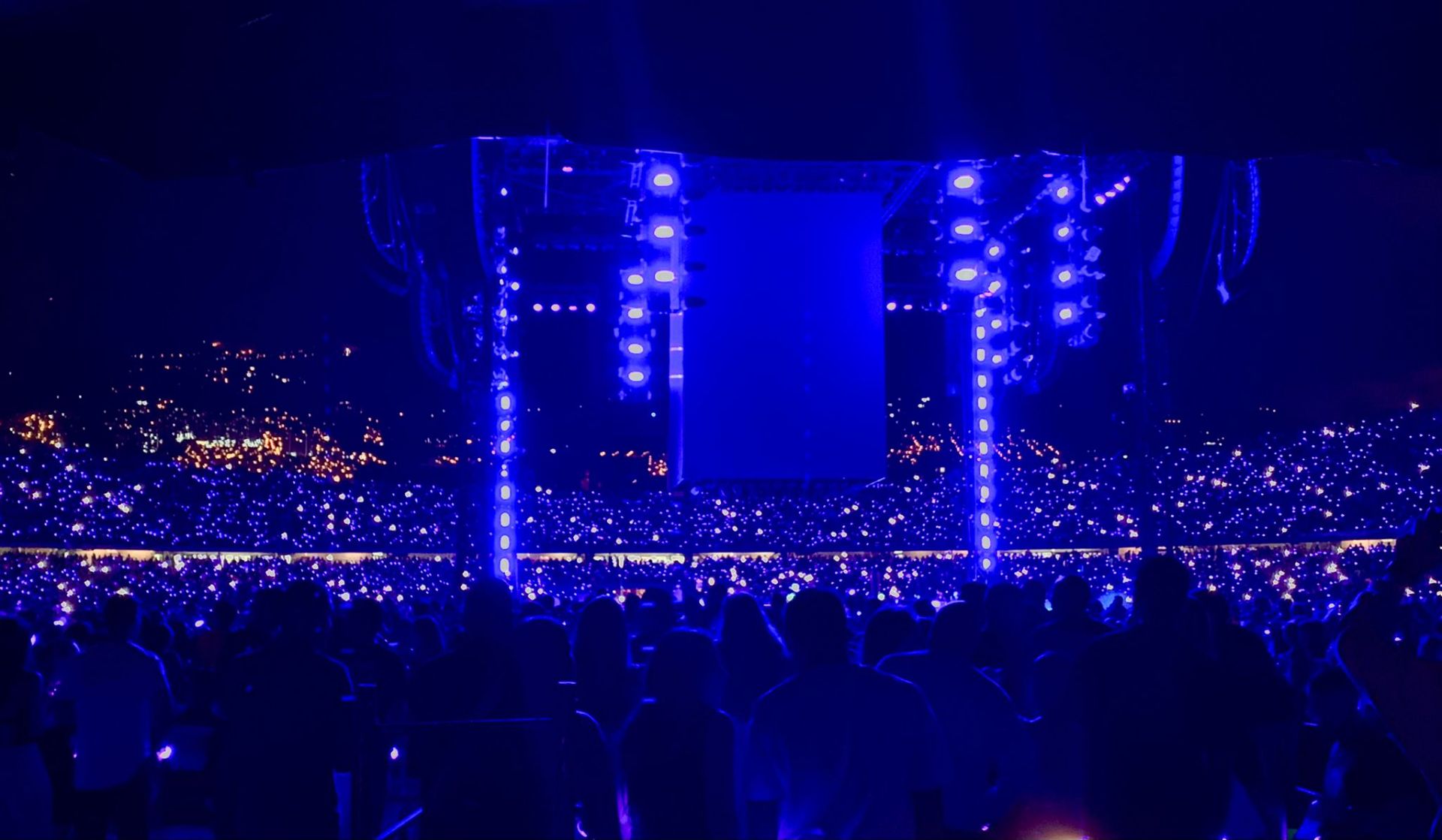
This is where the months of planning pay off. It’s the successful culmination of an unseen journey that spans continents. From a warehouse in the UK to the wrist of a fan in Medellín for a historic Maluma concert, the journey is a testament to the quiet professionalism that underpins the world’s most spectacular live events.
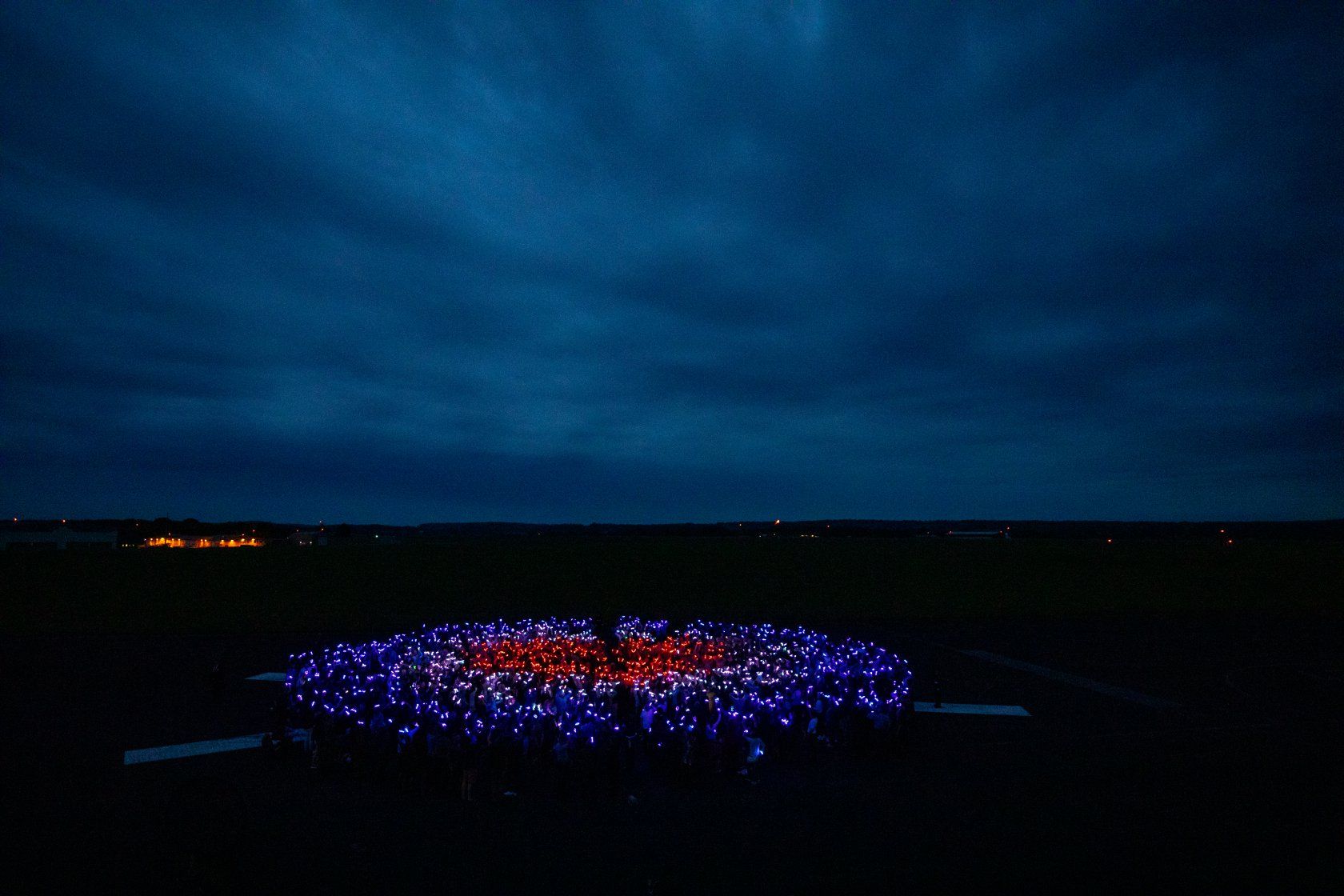
The next time you’re part of a crowd, swept up in a sea of light from thousands of Coldplay Xylobands, take a moment to appreciate the invisible network and the global relay team that brought that piece of magic to you. It’s a show in itself—one of precision, foresight, and a relentless commitment to making sure the show goes on, no matter what.