The Last Act: A Masterclass in Designing the Unforgettable Encore
The Final Bow is Not the End
The house lights have just gone down. A sea of phone screens illuminates a crowd buzzing with the electric residue of the main set. The air is thick with anticipation—a collective, unspoken question hanging in the space: "What now?" This is the pause, the deep breath before the final plunge. The encore is not merely a postscript; it’s the closing argument, the final, indelible image seared into the memory of every person in the room. For the artists and producers who craft live experiences, it represents the most potent opportunity to cement a show’s legacy.
Too often, the encore is treated as a contractual obligation—a few more songs to satisfy the demand. But the most masterful artists and production designers understand it as a distinct creative act. It’s a unique space in the show’s narrative arc, governed by its own rules of pacing, emotional engineering, and technological integration. It’s the moment to deploy your most powerful tools, to transform the audience from passive spectators into an integral part of the spectacle itself.
The Architecture of the Afterglow
Designing a world-class encore is a study in controlled escalation. It begins with the calculated silence after the main set’s final note—a moment designed to build tension to a fever pitch. When the artist returns, the energy in the room has fundamentally changed. It’s more intimate, more charged. This is the time for the unexpected: a deep cut, a stripped-back acoustic number, or a surprise guest that shatters all expectations.
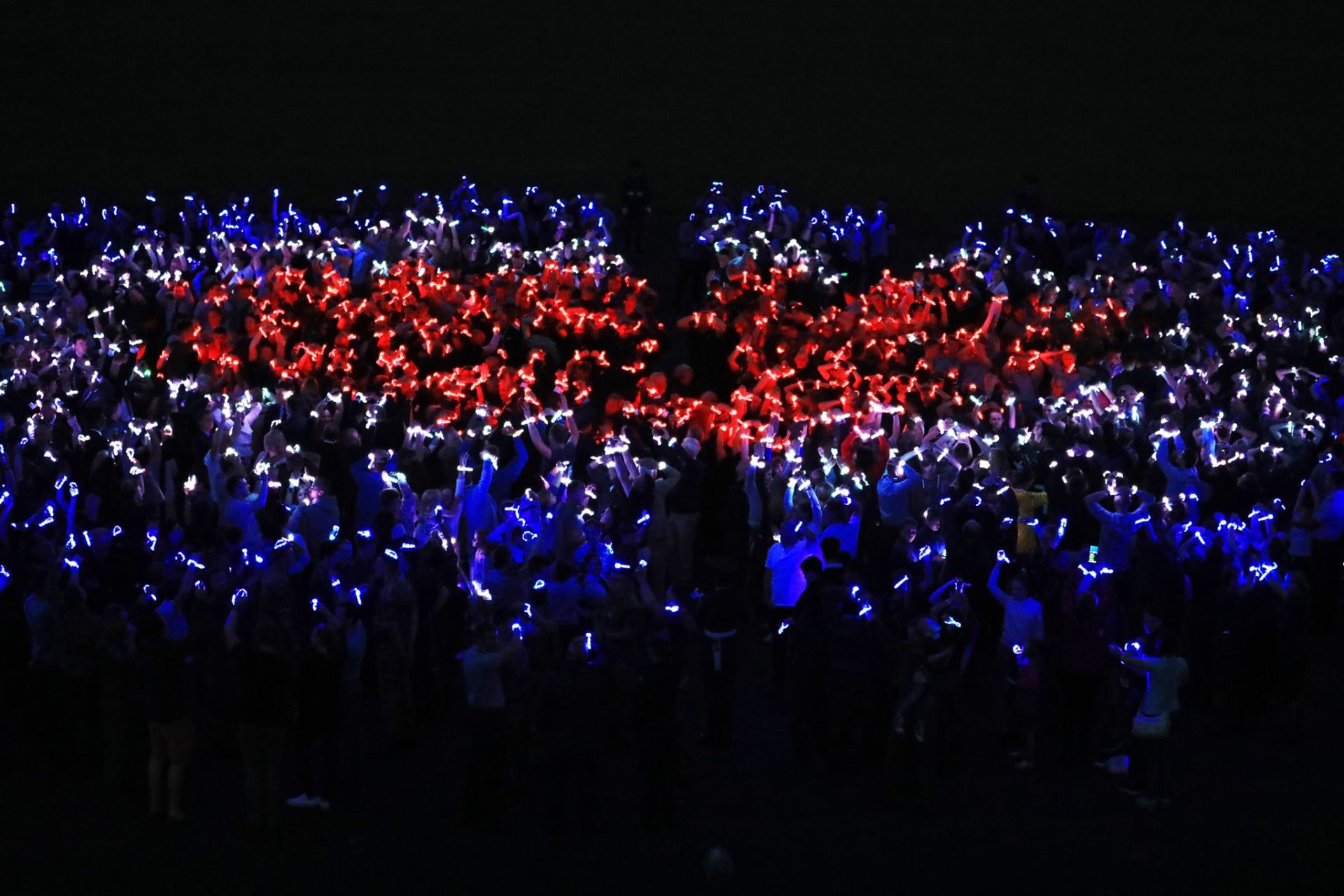
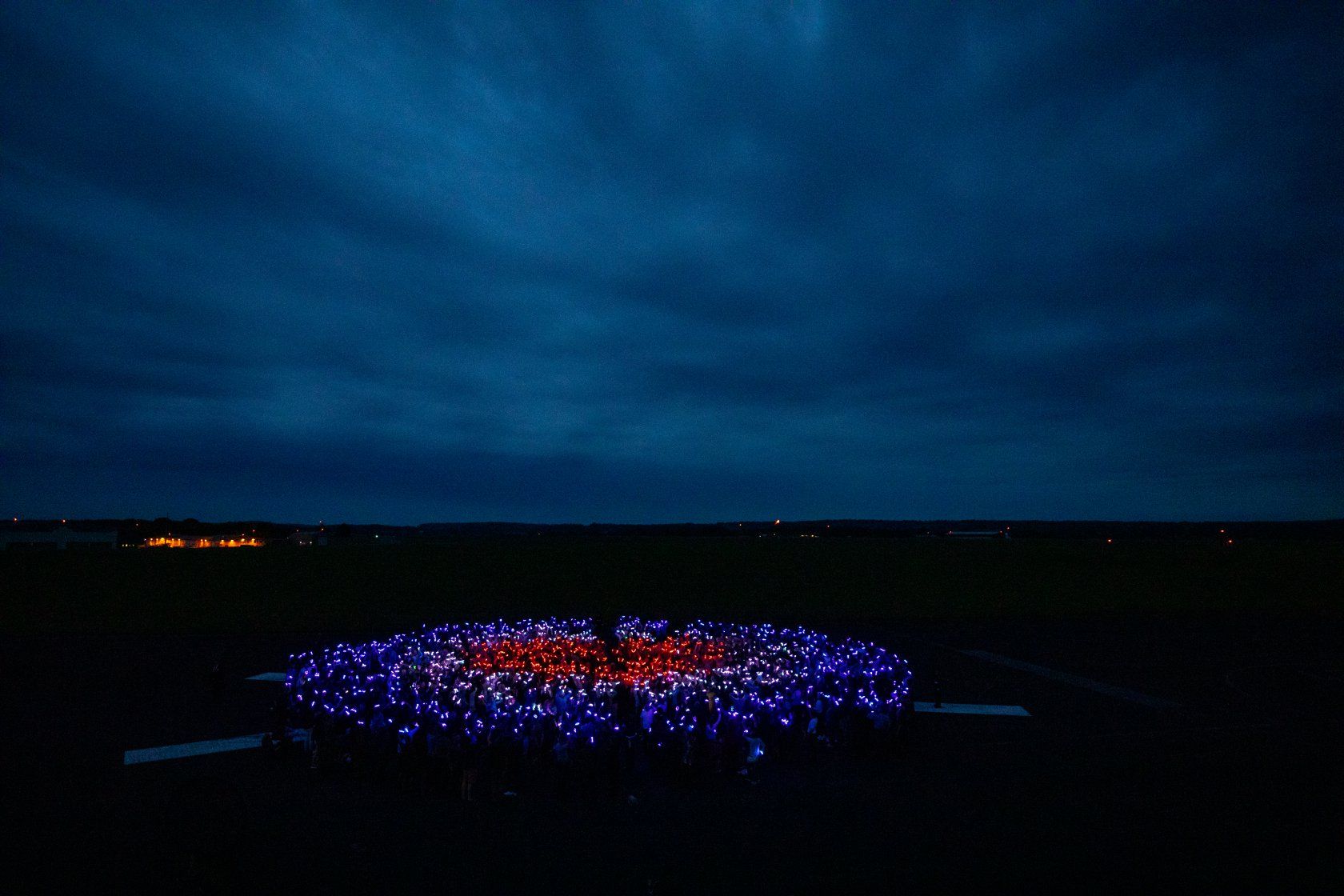
Consider the historic three-night, sold-out run of Wizkid’s Made in Lagos tour at London’s O2 Arena. After delivering a history-making main set, the encore moments were punctuated by appearances from superstars like Chris Brown and Burna Boy. These were not just guest verses; they were seismic cultural events. The encore became a platform to celebrate a global movement, amplifying the show’s significance far beyond the arena walls. Throughout, the audience was united by the pulsing light of their LED wristbands, each person a pixel in a vast, moving canvas of light, their shared experience made visible.
The Unexpected Tool: Embracing Intimacy on a Grand Scale
Paradoxically, the encore is often the moment for the most intimate connection, even in a stadium of 80,000. It’s a chance to break the fourth wall. After the sensory onslaught of a two-hour production, a single spotlight and an acoustic guitar can feel profoundly powerful. It’s in this moment of vulnerability that an artist can forge a genuine, lasting bond with their audience.
But intimacy doesn’t have to mean small. Technology, when used thoughtfully, can create shared intimacy on a colossal scale. When we first imagined Xylobands, watching Coldplay perform "Fix You" at Glastonbury, the vision was precisely this: to use light to connect every single person to the artist and to each other. When an entire stadium glows with a single colour, pulsing in time with the final chord, it creates a singular, unified organism. It’s a moment of collective effervescence, transforming a massive space into a shared, intimate experience. This is the power of immersive event technology; it doesn’t distract—it connects.
The Encore as a Canvas for Innovation
The encore is the perfect laboratory for technical and creative innovation. The formal constraints of the main set are loosened, offering a space to deploy a unique visual signature or a piece of technology held back for maximum impact. This is where wearable LED technology transcends being a gimmick and becomes a core narrative device.
At major events like the PRIMER Music Festival in Greece, our festival wristbands are programmed to create massive, synchronized light shows that complement the climactic drops of the world’s top DJs. The crowd isn’t just watching the show; they are the show. The same principle applies to corporate event activations, where a well-executed encore moment can be the defining memory, the emotional peak that solidifies brand messaging in a way no PowerPoint slide ever could.
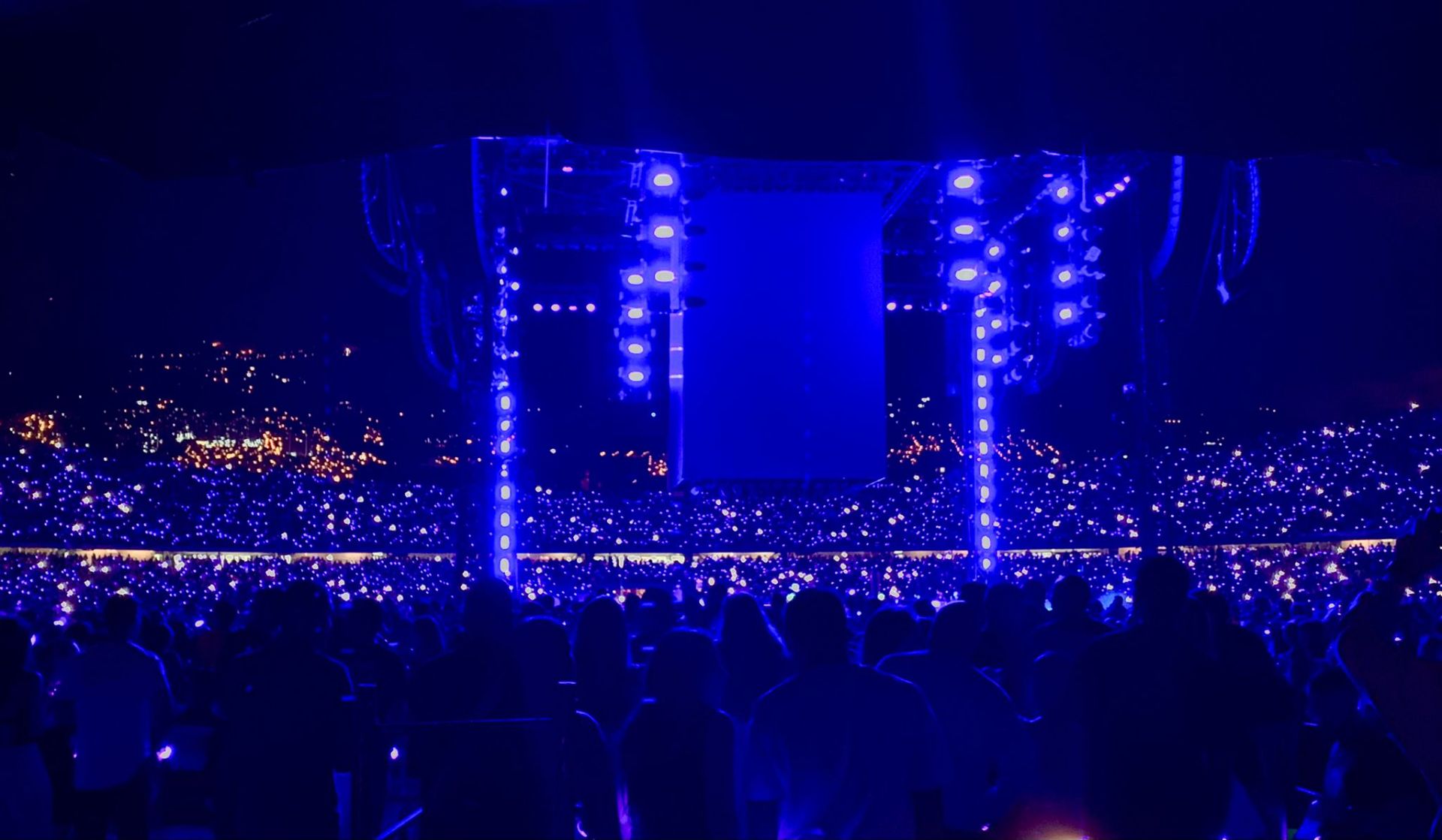
Think of the encore as your final, most compelling story beat. In 2022, Maluma’s hometown concert in Medellín was streamed to over 240 countries. The encore, featuring a surprise appearance by Madonna, was a global statement. The visuals had to match the scale of the moment, creating a broadcast-ready spectacle. With radio controlled LED wristbands, the energy of the 54,000 people in the stadium was translated into a visual language understood by millions watching at home. The crowd became a living, breathing part of the broadcast, their collective excitement painted in light.
The encore is the final word. It’s the last thing the audience will feel, the memory they will carry with them as they step back out into the night. It must be designed with intention, precision, and a deep understanding of its unique power.
Beyond the Final Chord
Ultimately, a masterful encore is a final act of generosity. It’s a gift to the fans who have invested their time, money, and emotion. It acknowledges their role in the co-creation of the live experience. By turning the audience into a canvas of light, by delivering a surprise that rewards their devotion, you are saying, "This experience was not complete without you."
From the pulsing energy of a stadium tour to the sophisticated branding of a high-stakes corporate launch, the principle remains the same. The final moments must be unforgettable. They must be immersive. And they must be designed. The encore is more than just "one more song"—it is the art of the unforgettable goodbye, the final, resonant chord that ensures the show lives on long after the lights come up.