From Spectator to Spectrum: The New Era of Festival Crowd Participation
The End of the Passive Audience
For decades, the core dynamic of a music festival was simple: artists perform, crowds receive. The energy exchange was real but largely one-directional. The audience’s role was to listen, to dance, to applaud—to be a container for the experience, not a contributor to its creation. But that model is becoming a relic. Today, a quiet revolution is underway across festival fields and arenas, driven by a convergence of creative ambition and technological innovation. We are entering an era where the crowd is not just present, but participating; not just watching the show, but becoming the show.
This shift redefines the very architecture of a live performance. It moves beyond passive consumption and invites the audience into a collaborative, dynamic relationship with the artist and the environment. The result is a more profound sense of connection and a spectacle that is truly shared, where every individual becomes a pixel in a grand, unfolding canvas of light and sound. This is the new frontier of LED crowd experiences.
The Birth of the Human Canvas
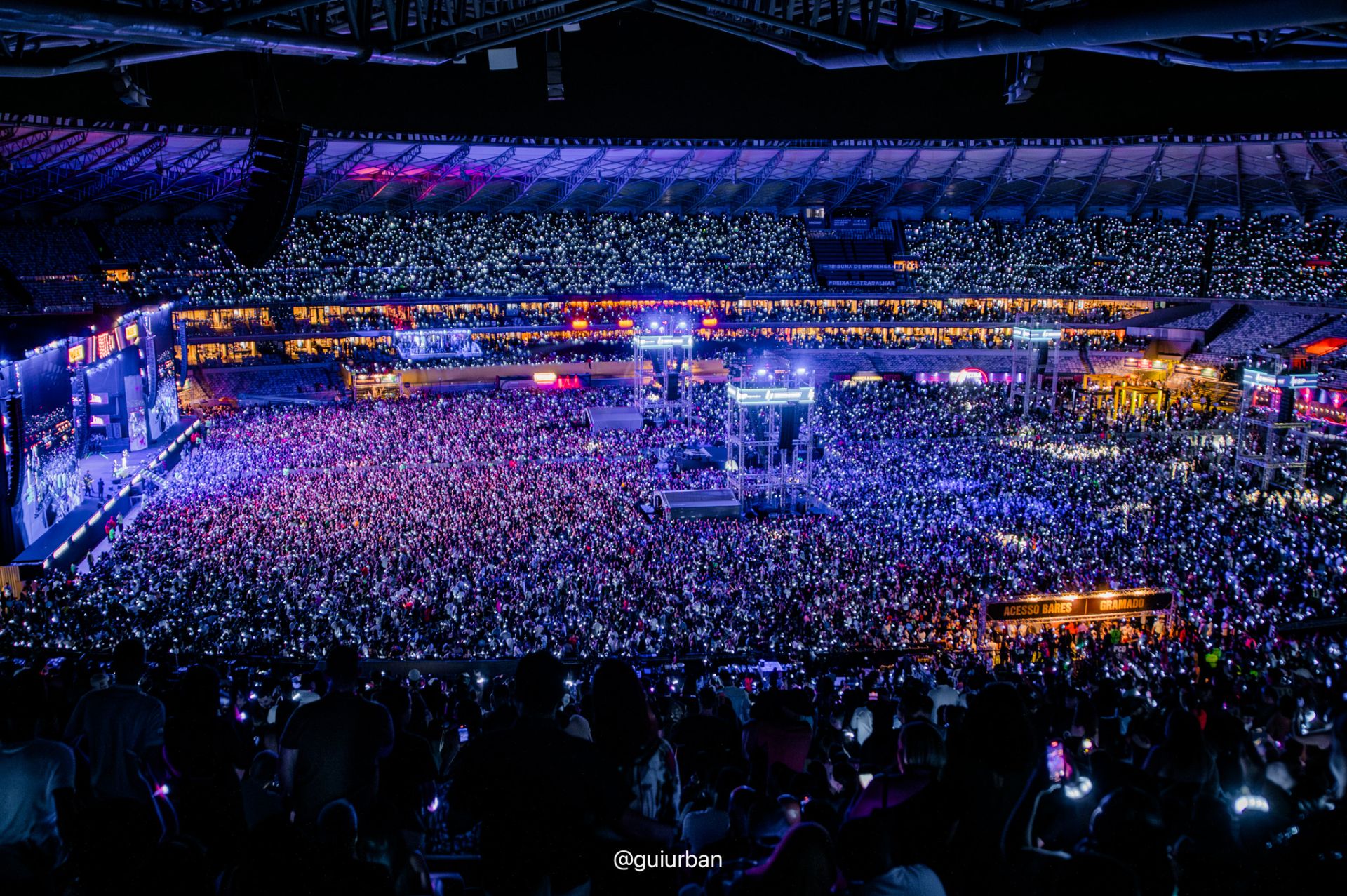
The journey from passive observation to active participation began with a simple, yet profound, idea. When Xylobands inventor Jason Regler watched Coldplay perform at Glastonbury, his vision wasn’t just about wristbands; it was about transforming the crowd itself into a medium. The idea that thousands of individuals could be unified in a single, flowing tapestry of light—a human canvas—was groundbreaking. The subsequent debut of Coldplay Xylobands on the Mylo Xyloto tour marked a pivotal moment in live music history.
This innovation opened the door for producers and artists to think differently about their audience. No longer just a sea of faces, the crowd became an integral, controllable element of the production design. This technology allows for the choreography of light on a massive scale, painting emotional arcs across an entire stadium. A slow, gentle fade can unify tens of thousands in a moment of quiet intimacy, while a rapid, pulsing strobe effect can amplify the energy of a drop to explosive levels. It’s a powerful tool for storytelling, turning shared moments into unforgettable collective memories.
Technology as an Instrument of Connection
Modern festivals are complex ecosystems of technology, but the most effective tools are those that deepen human connection rather than distract from it. Immersive event technology is at its best when it feels intuitive and seamless, enhancing the organic energy of the crowd without pulling focus.
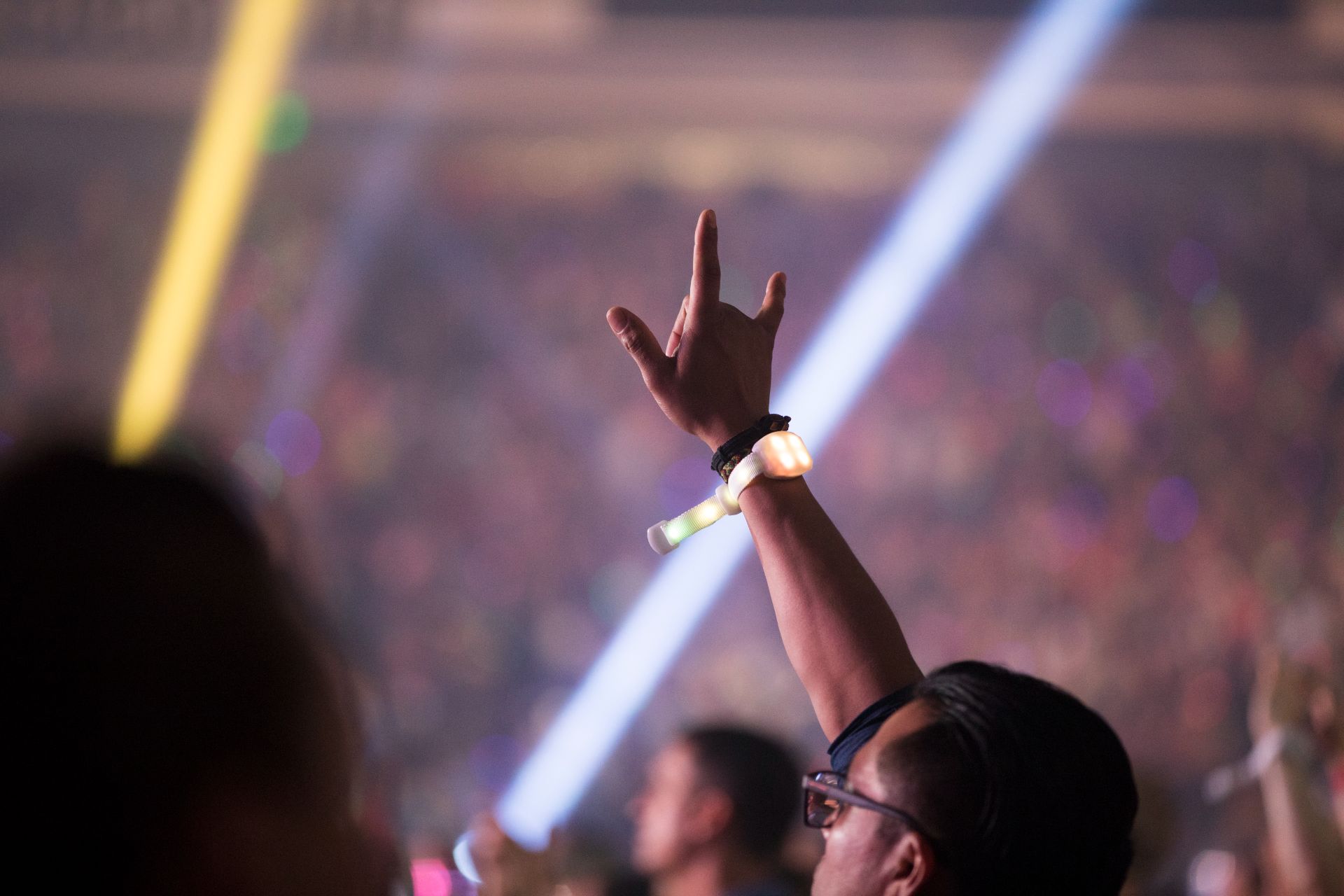
Consider the production at major electronic music events like Greece’s PRIMER Music Festival. In a genre defined by rhythm and collective energy, adding a visual layer that is perfectly synced to the music elevates the experience exponentially. When thousands of festival wristbands light up in unison to a beat, it creates a powerful feedback loop. The crowd sees its own energy reflected back at them, amplifying the sense of unity and shared euphoria. This is technology not as a gimmick, but as an instrument of connection.
The tools themselves have also evolved, offering a more diverse palette for creative expression:
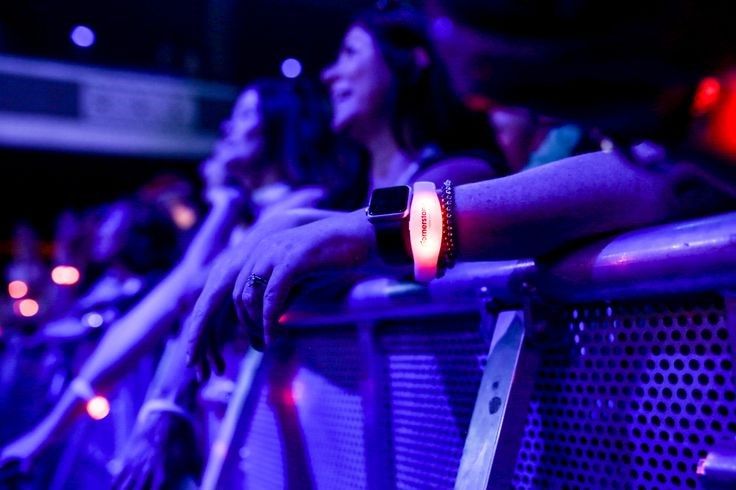
- Radio Controlled LED Wristbands: The industry standard, offering robust and reliable control over vast areas, making them ideal for large-scale festivals and stadium tours.
- Custom LED Wristbands: Allowing for branding and unique designs that integrate the technology into the festival’s specific aesthetic and identity.
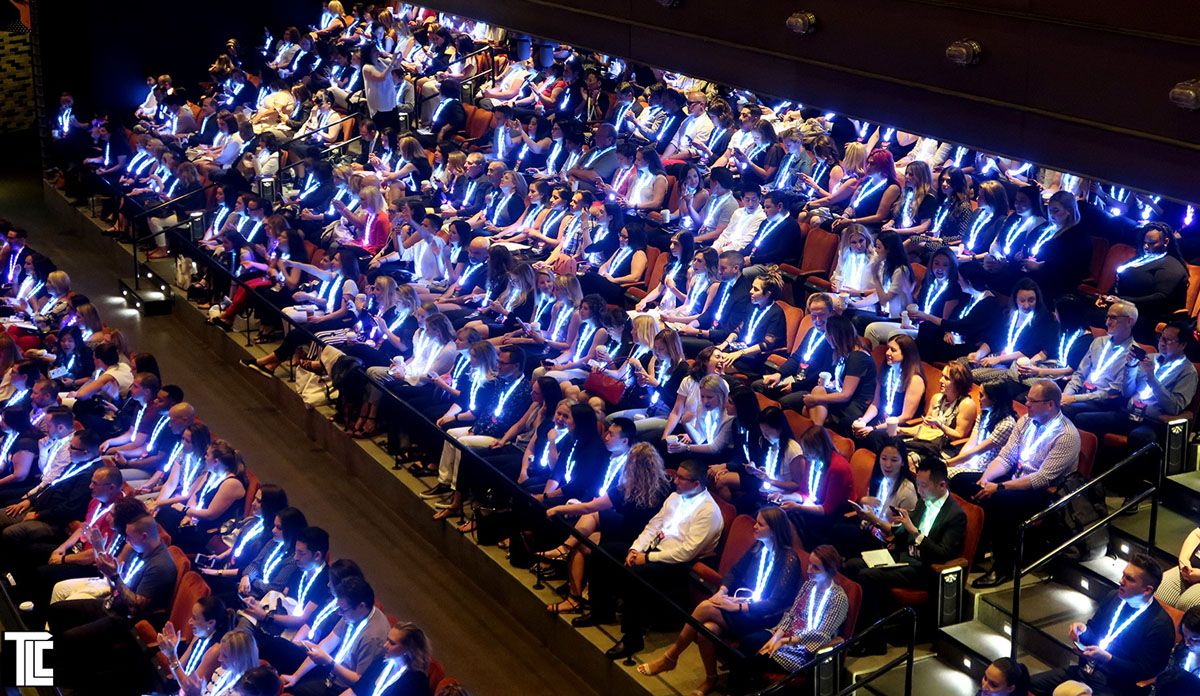
- LED Lanyards & Orbs: Expanding the concept beyond the wrist, products like LED Lanyards and handheld LED Orbs give producers new ways to segment audiences, create different visual textures, and add layers to the light show.
The Festival of the Future: Interactive and Data-Driven
As we look ahead, the trend is moving towards even greater interactivity. The future of immersive events lies in creating responsive environments where the crowd’s movement, sound, and energy can directly influence the lighting and visual production in real-time. Imagine a scenario where the collective volume of the crowd singing along determines the color and intensity of the light, creating a direct, visual representation of their participation.
This evolution requires a sophisticated understanding of both technology and human psychology. It’s about more than just lighting people up; it’s about creating systems that empower them to become co-creators of the spectacle. Wearable LED technology becomes a two-way street—a tool for the production to communicate with the audience, and a potential channel for the audience to communicate back.
From the high-energy beats of a dance music festival to the global stage of the Eurovision Song Contest, the principle remains the same. Technology is enabling a fundamental shift in the artist-fan dynamic. We are moving away from the monologue of a traditional performance and toward a dialogue—a conversation written in light, sound, and shared human energy. The canvas is no longer just the stage; it’s every single person in the audience, united in a vibrant, living spectrum of light.