Forging the Vision: A Playbook for Artist-Tech Collaboration
The Blueprint: From Abstract Vision to Technical Specification
Every groundbreaking tour or one-off spectacle begins not with a purchase order, but with a conversation. It’s a dialogue steeped in creative ambition, where artists and their creative directors articulate a feeling, an emotional arc, or a narrative they want to build with their audience. The initial brief is rarely technical. It’s about sensation: “I want the stadium to feel like a single living organism,” or “At the peak of this song, I want a wave of pure, collective energy.”
The first critical step is translation. This is where an experienced technology partner moves beyond the role of a supplier and becomes a creative collaborator. The process involves deconstructing an abstract vision into a concrete technical blueprint. A desire for “connection” is translated into a plan for zoned lighting effects, where different sections of the audience light up in conversation with each other. A call for “overwhelming energy” becomes a series of rapid-fire, multi-color strobing sequences programmed to hit with perfect rhythmic precision.
This deep listening phase is non-negotiable. It requires understanding the artist’s catalogue, the show’s narrative, and the specific role each song plays. It’s about building a shared sensory vocabulary that allows the creative director to call for “a warm, slow pulse” or “a sharp, crystalline fracture of light,” knowing the tech team understands the corresponding visual and emotional texture. This is the foundation upon which all successful Immersive Event Technology is built.
The Laboratory: Prototyping, Customization, and Trust
With a shared language established, the collaboration moves from the conceptual to the tangible. This is the prototyping and customization phase, where trust is forged in the fidelity of the execution. For a technology partner, this is the moment to demonstrate not just capability, but a commitment to the artist’s unique identity.
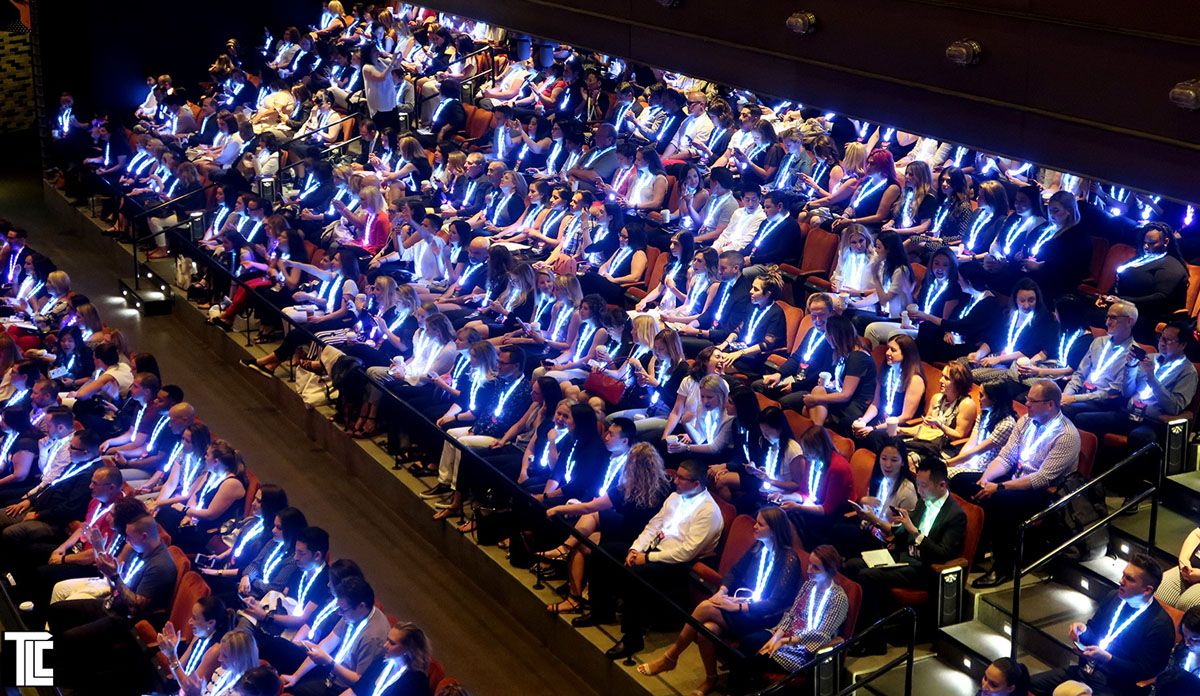
True partnership often involves tailoring the technology itself. When Wizkid prepared for his historic, three-night sellout run at London’s O2 Arena, the collaboration resulted in the debut of the Xyloband Lite, a new model of Wearable LED Technology branded with his logo. It was a solution born from the specific needs of the ‘Made in Lagos’ tour. Similarly, for the 75th anniversary of Formula One, the brief demanded more than a generic wristband. We developed custom LED Lanyards—the Xylo Pendant—with multiple branding variations for each team and hospitality tier, demonstrating a deep level of logistical and creative integration.
This phase is iterative. It involves samples, demos, and often, a hands-on session with the show’s lighting designer and creative director. It’s about confirming that the hue of blue for a ballad is exactly right, that the fade-out is perfectly smooth, and that the physical product—whether it’s one of our Custom LED Wristbands or a new form factor—feels like an authentic extension of the show’s brand. This is where the artist’s team gains the confidence that on show night, the technology will not just work, but elevate their vision.
The Command Desk: Synchronicity, Spontaneity, and Scale
On show night, the relationship between the artist’s team and the tech crew crystalizes at the command desk. The most sophisticated LED Experiences operate on a dual mandate: flawless execution of pre-programmed cues and the flexibility to react in the moment.
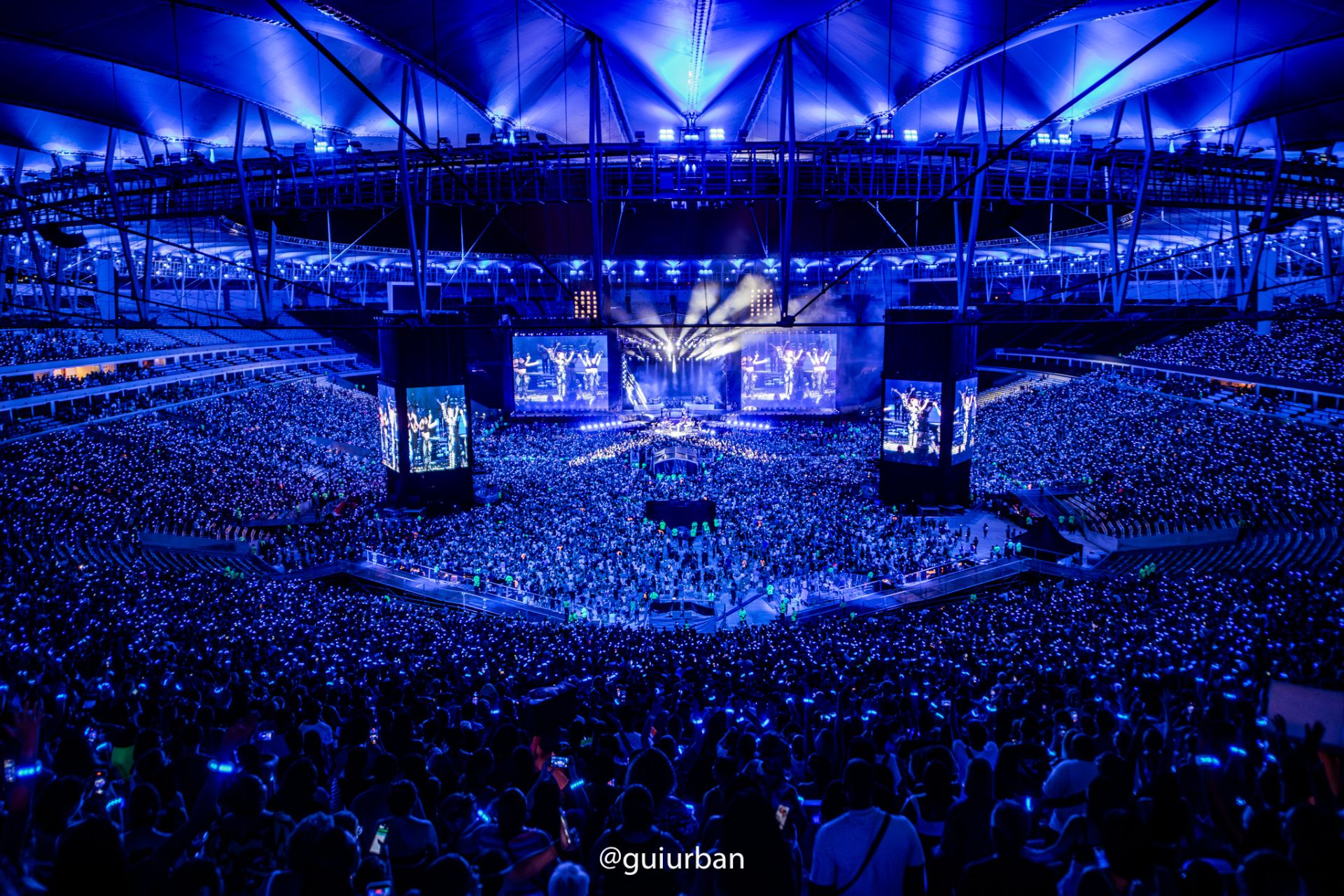
A modern spectacle is a tightly choreographed sequence of light, sound, and performance. The Radio Controlled LED Wristbands across the venue are programmed to sync perfectly with the lighting rig, video content, and pyrotechnics. This creates the breathtaking moments of visual unity that define modern stadium and arena shows—the kind of unity Xylobands first pioneered with Coldplay after our founder’s inspiration at Glastonbury Festival. The term Coldplay Xylobands has become synonymous with this kind of large-scale, immersive audience experience.
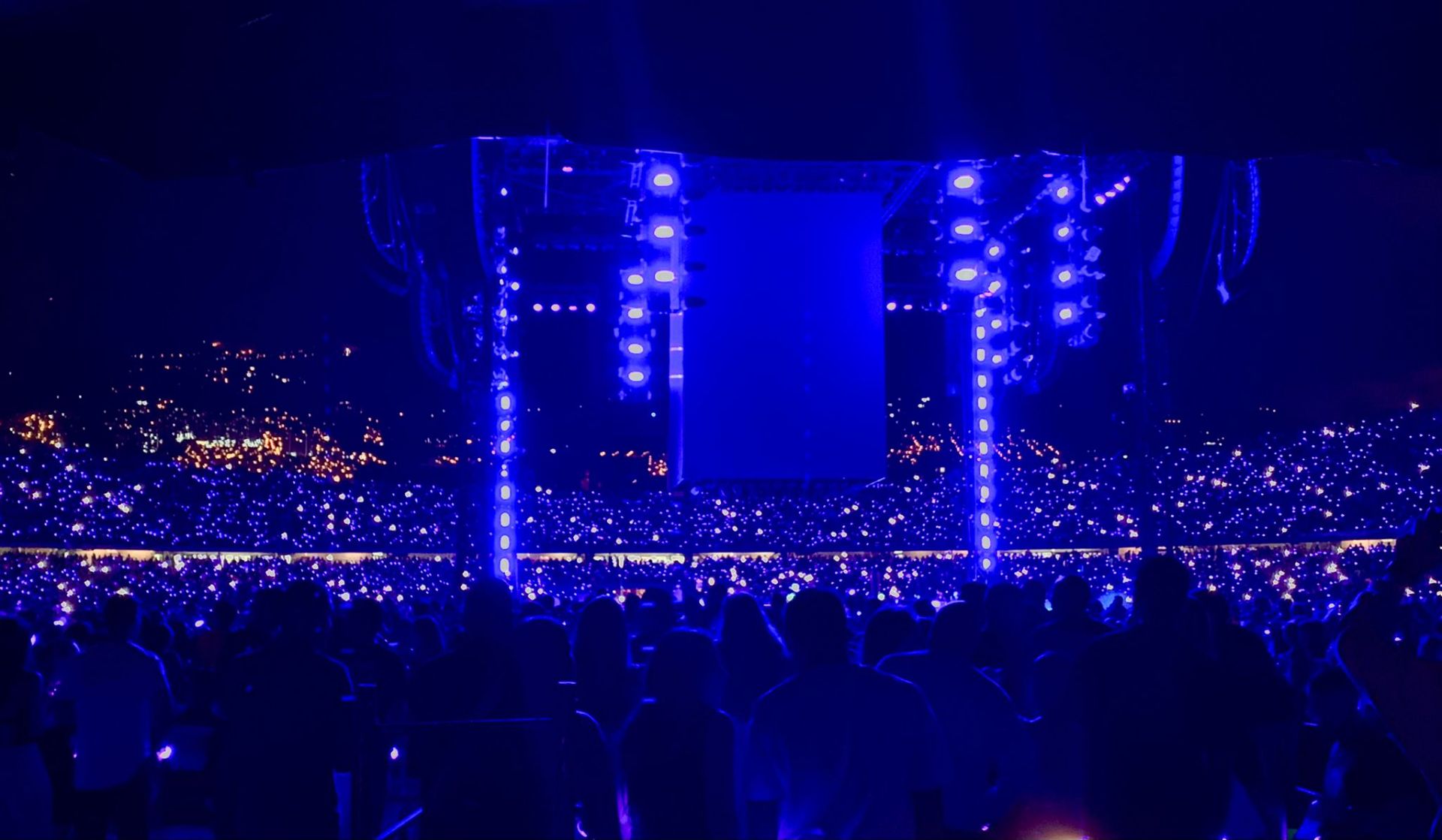
Yet, live performance is, by its nature, unpredictable. An artist might extend a song, speak to the crowd, or feel a sudden surge of energy that calls for an unplanned visual response. A skilled Xylobands operator, working in lockstep with the show’s director, can take manual control, triggering effects on the fly that amplify these spontaneous moments. It’s this ability to be both a precise instrument and a responsive, improvisational tool that separates world-class event technology from the rest. Whether illuminating 54,000 fans for Maluma in his hometown of Medellín or powering high-energy Festival Wristbands at Primer Music Festival, the system must be robust enough for massive scale and flexible enough for human creativity.
The Final Cue: The Enduring Impact of True Collaboration
Ultimately, turning an audience into a canvas of light is not a transaction. It is the result of a compact built on trust, translation, and a shared passion for creating unforgettable moments. It begins with respecting the artist’s vision as paramount, continues through a rigorous and collaborative customization process, and culminates in a live environment where technology is not a constraint but a conduit for creative expression.
For tour managers, creative directors, and artists, choosing a technology partner is about more than the hardware. It’s about finding a team that understands the stakes, speaks the language of live performance, and is fundamentally committed to serving the show. The result is more than just a dazzling effect; it is a deeper connection between the artist and their audience, creating the kind of resonant, collective memories that are the ultimate goal of all Immersive Events.