From Passive to Participant: The New Rules of Corporate Event Engagement
The End of the Monologue
For decades, the corporate event playbook has been largely unchanged. A stage, a speaker, a PowerPoint deck, and an audience expected to absorb information. It’s a one-way monologue, a model built for passive reception. But in the modern experience economy, attention is the most valuable commodity, and passive reception no longer guarantees engagement. Today, if you’re not designing for active participation, you’re not just failing to engage—you’re failing to compete.
The new playbook for corporate event activations requires a fundamental shift in perspective: from delivering a message to creating a memory. It’s about transforming attendees from spectators into an integral part of the experience itself. This isn’t just about entertainment; it’s about deep-level brand engagement, creating moments so compelling they become the story your attendees tell.
Rule 1: The Audience is the Medium
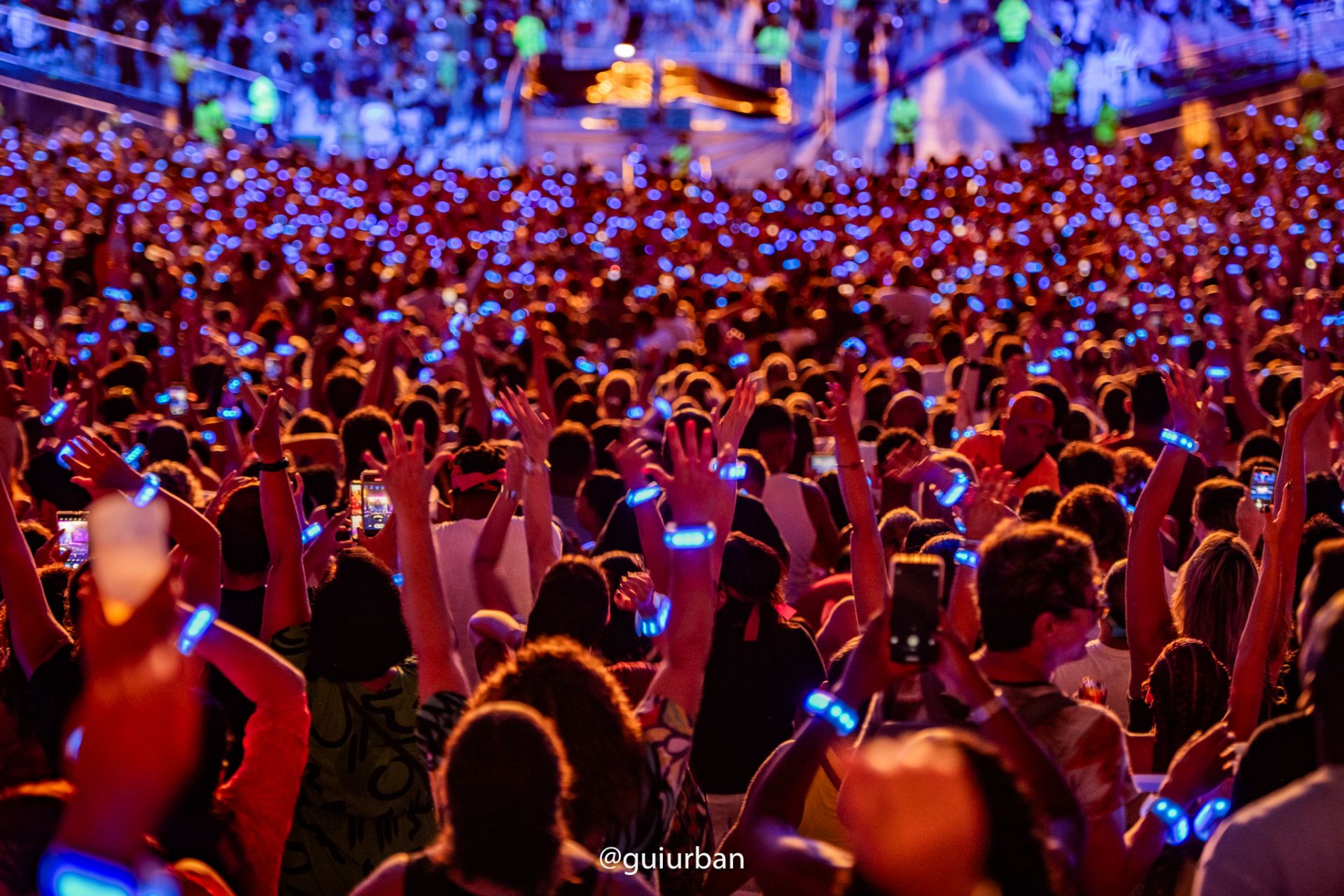
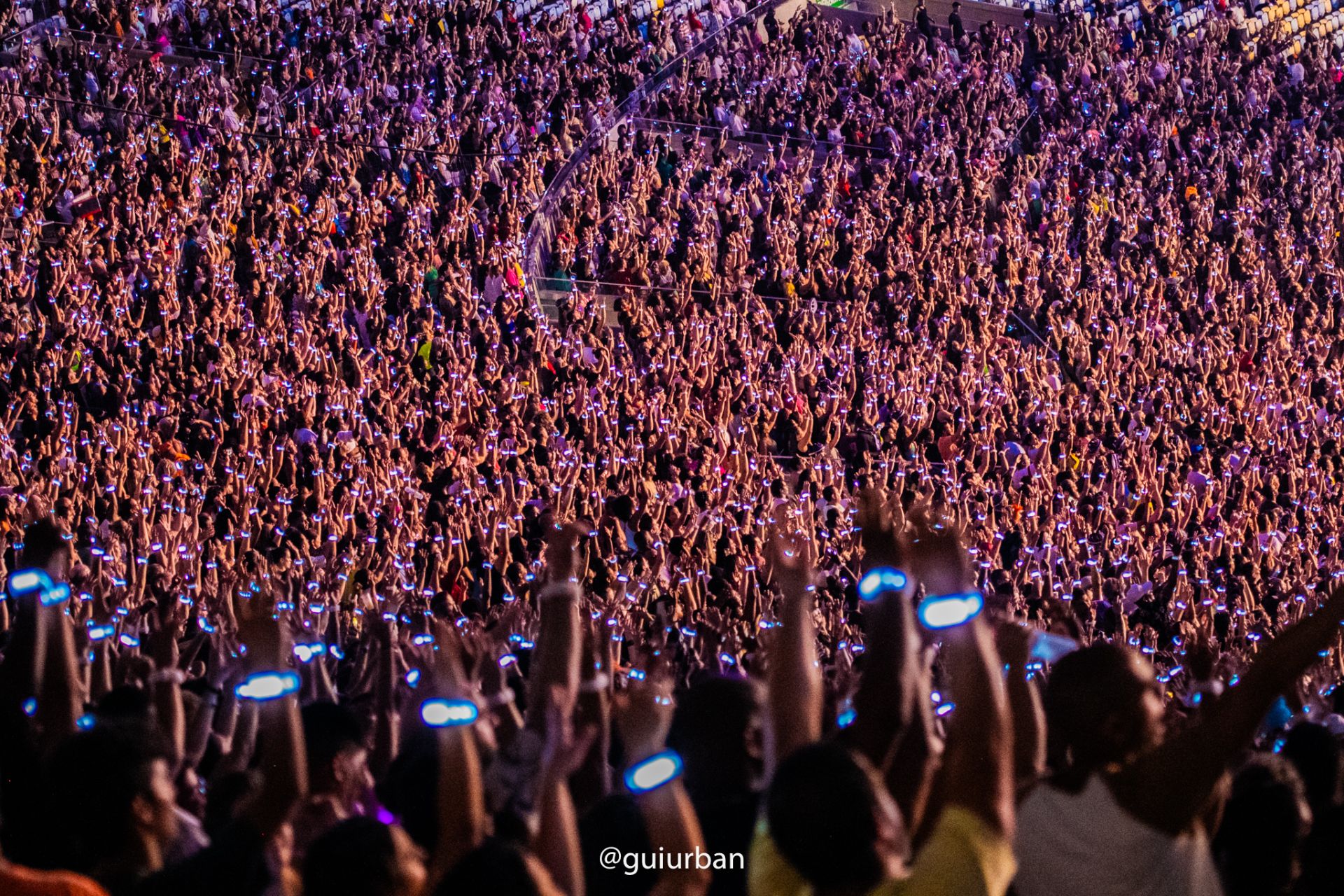
The most powerful tool in your event space isn’t the screen on the stage; it’s the crowd. Innovative brands understand that the audience can be the most dynamic and visually stunning medium for storytelling. The goal is to break the fourth wall and dissolve the boundary between the performance and the attendees. This is where wearable LED technology becomes a game-changer.
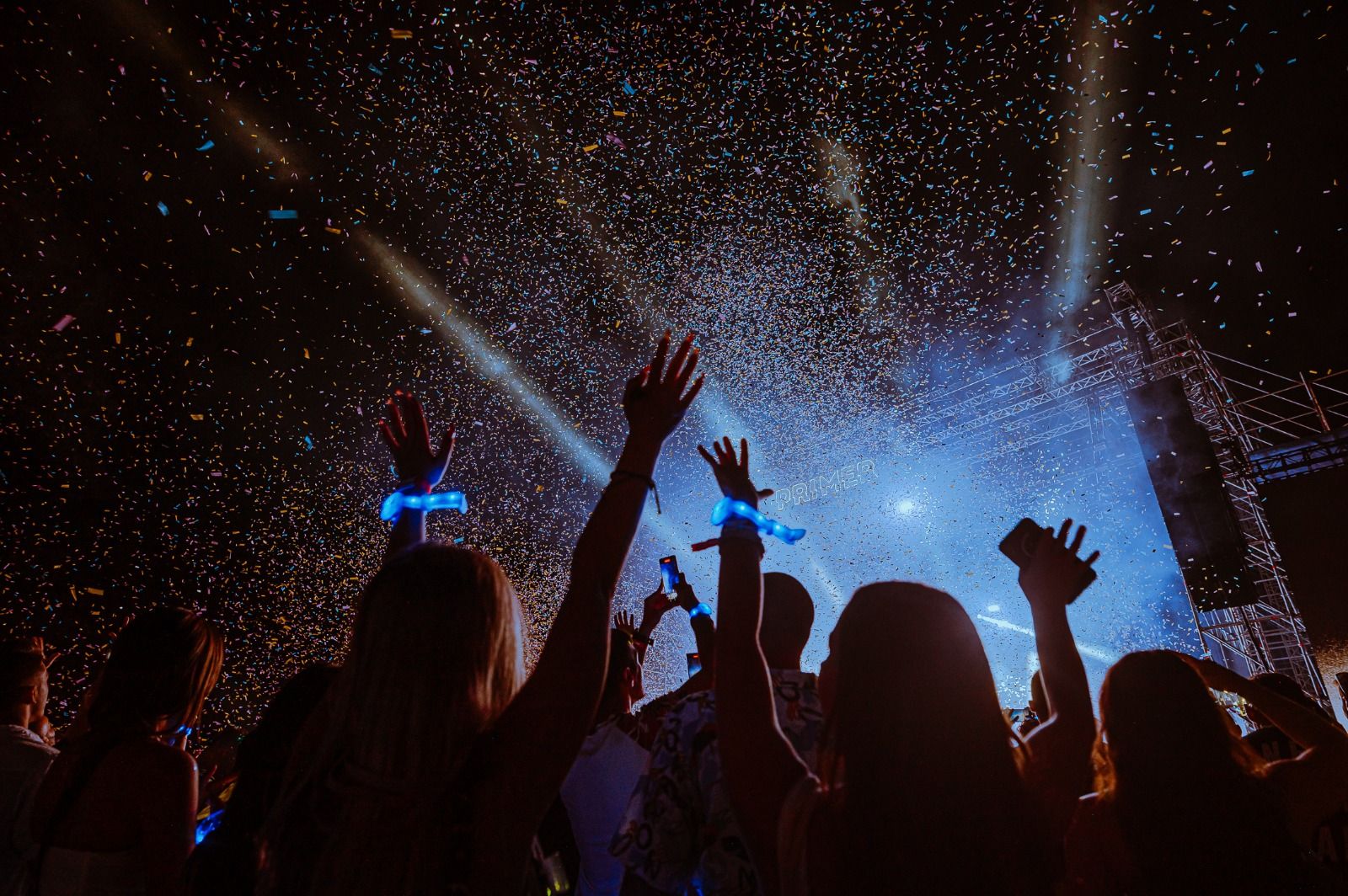
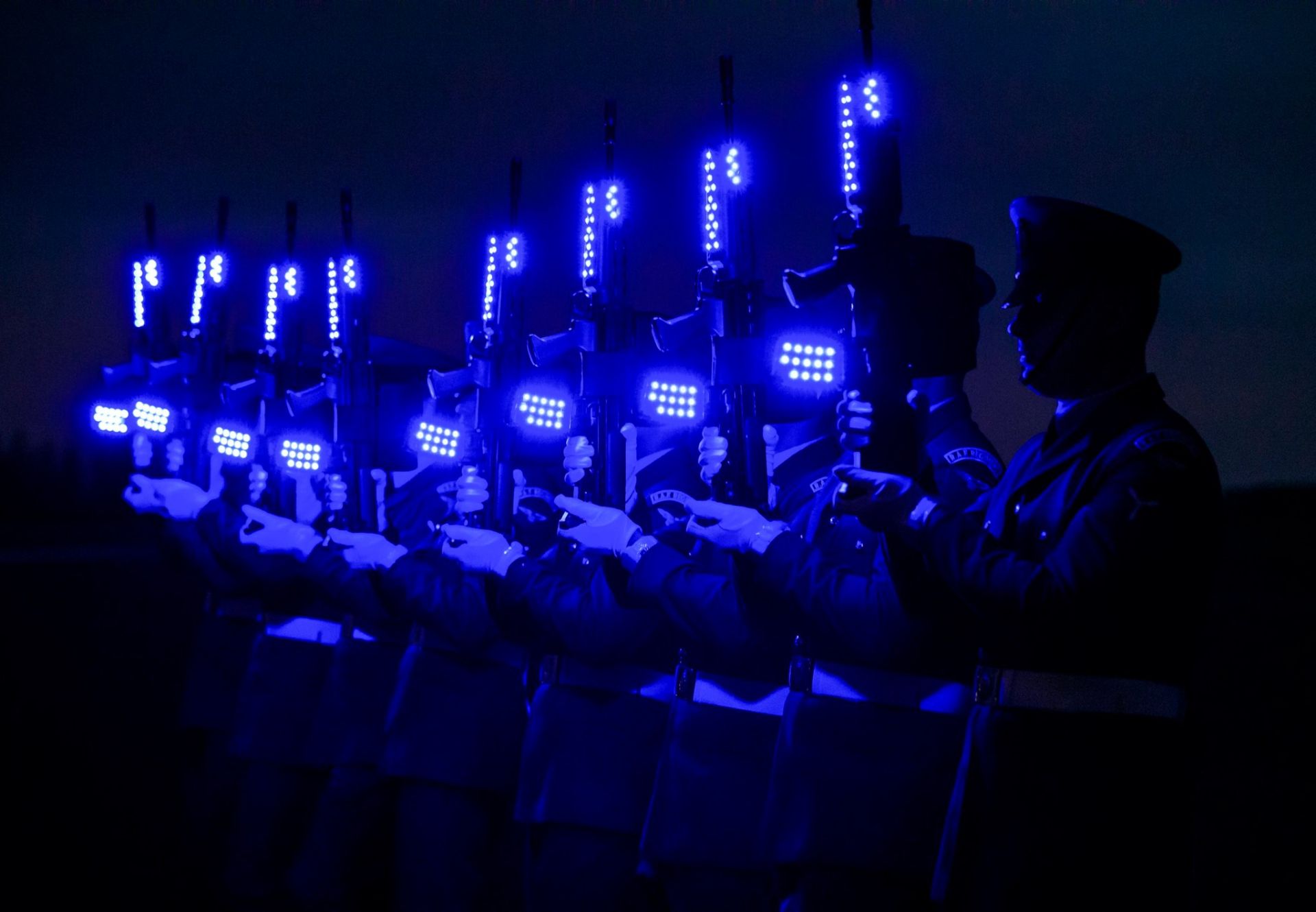
By equipping each guest with a device—whether it’s one of our iconic Xylobands, LED Lanyards, or custom pendants—you turn every individual into a pixel in a grand, unified canvas. Suddenly, the entire room can pulse with your brand’s colours. Product launches can be punctuated by waves of synchronised light. Keynote applause lines can trigger light effects that ripple through the audience, creating a visceral, shared moment of emphasis. It’s a strategy we’ve seen deployed with incredible impact, from high-energy music festivals like Primer to major broadcast events for brands like ITV and Formula One.
Rule 2: Engineer for Immersion, Not Interruption
True immersion isn’t about bombarding attendees with disconnected technological novelties. It’s about seamlessly integrating technology to enhance the core narrative of your event. The technology should feel like a natural extension of the experience, not a clunky add-on. The goal of immersive event technology is to pull people deeper into the present moment, not push them to their phones.
Consider the difference:
- Interruption: An event app that buzzes with irrelevant notifications, pulling focus away from the main stage.
- Immersion: A system of radio controlled LED wristbands that lie dormant until a pivotal moment, then spring to life, instantly uniting the room in a flash of colour and energy that reinforces the speaker’s message.
This is technology that works on a subconscious, emotional level. It doesn’t demand attention; it directs it. It’s a sensory tool that helps you, the event producer, guide the emotional journey of your audience with precision and flair.
Rule 3: Story is the Operating System
Technology without a story is just a gimmick. The most successful LED crowd experiences are those in service of a larger narrative. Before a single wristband is programmed, the central question must be: what story are we telling?
Is it a story of innovation? Unity? Celebration? Disruption? At a recent Formula One anniversary event, we helped create custom LED Lanyards that identified fans by their favourite teams. This allowed for dynamic light shows that could segment the audience, creating visual rivalries and alliances within the arena, all while celebrating the shared passion for the sport. The technology wasn’t just a light show; it was a storytelling device that made 13,000 fans feel seen.
Your event’s narrative is the operating system; the technology is the application that runs on it. When the two are perfectly integrated, the result is an experience that feels coherent, intentional, and deeply memorable.
Rule 4: Move Beyond the Stage
Why should the spectacle be confined to the main stage? The entire venue is your canvas. Immersive events use every available surface and space to continue the narrative. LED technology is uniquely suited for this, allowing you to activate different zones with light, guide attendees, and create distinct moods throughout the event lifecycle.
Imagine:
- LED Orbs floating in a fountain, glowing in your brand’s colours as guests arrive.
- Breakout rooms that pulse with a soft, coloured light to signal the start and end of sessions.
- An after-party where attendees’ wristbands or lanyards come alive in sync with a DJ set, transforming a networking reception into an unforgettable celebration.
By decentralizing the experience, you create a richer, more exploratory environment. You’re not just putting on a show; you’re building a world. This is the essence of creating powerful LED experiences—turning passive spaces into active environments.
The New ROI: Return on Involvement
In the past, event success was measured in leads generated or sessions attended. The new metric is Return on Involvement. Did your attendees feel like part of the story? Did they leave with a memory so powerful it becomes inextricably linked with your brand? This is the new benchmark for corporate event activations.
The monologue is over. The age of the dialogue—of shared, collective, light-driven experience—is here. It’s time to stop talking *at* your audience and start creating *with* them. Turn your crowd into the main event, and they won’t just remember your message; they’ll feel it.